A trip to little Burgundy the end

Optimbulles

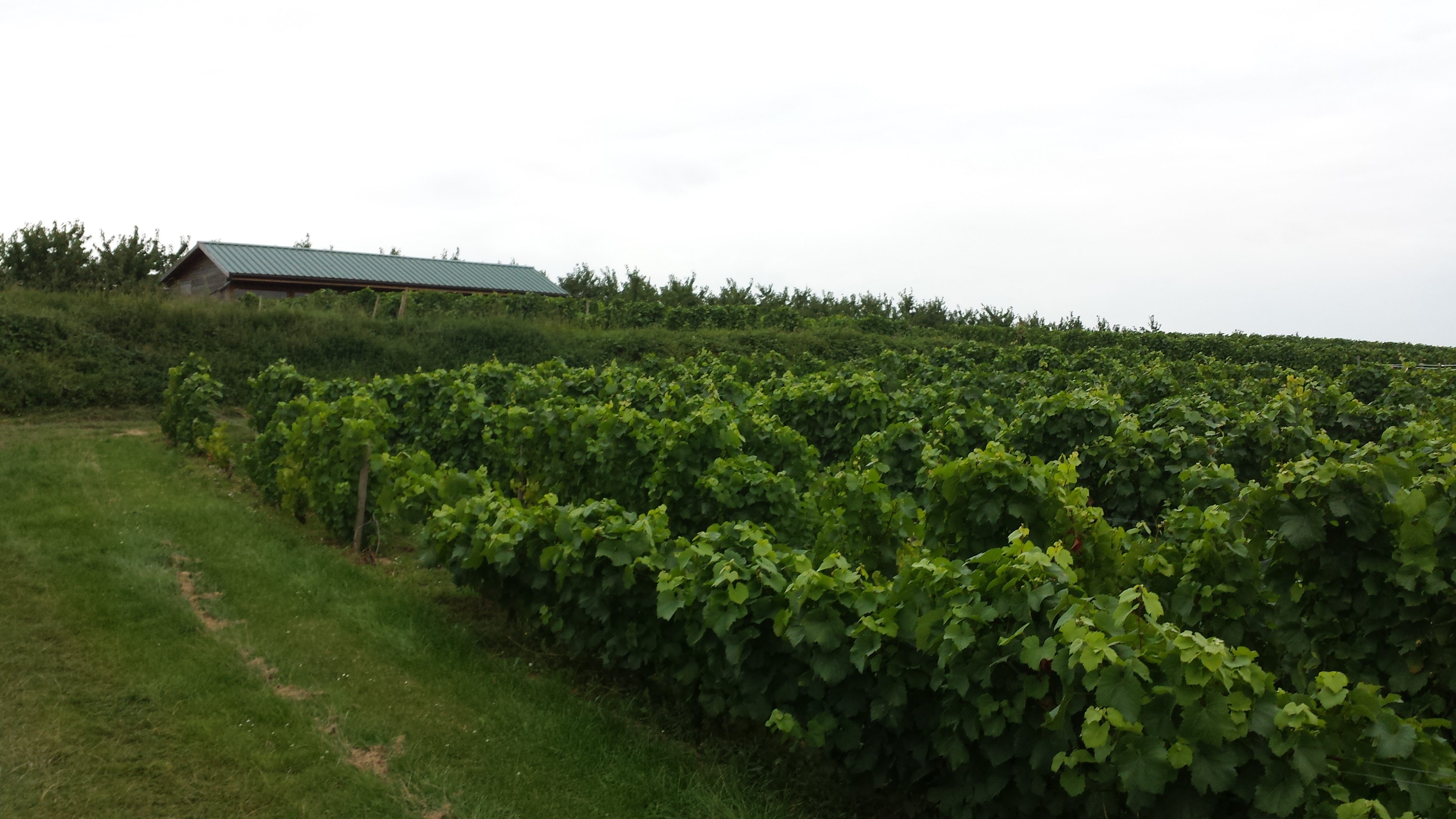
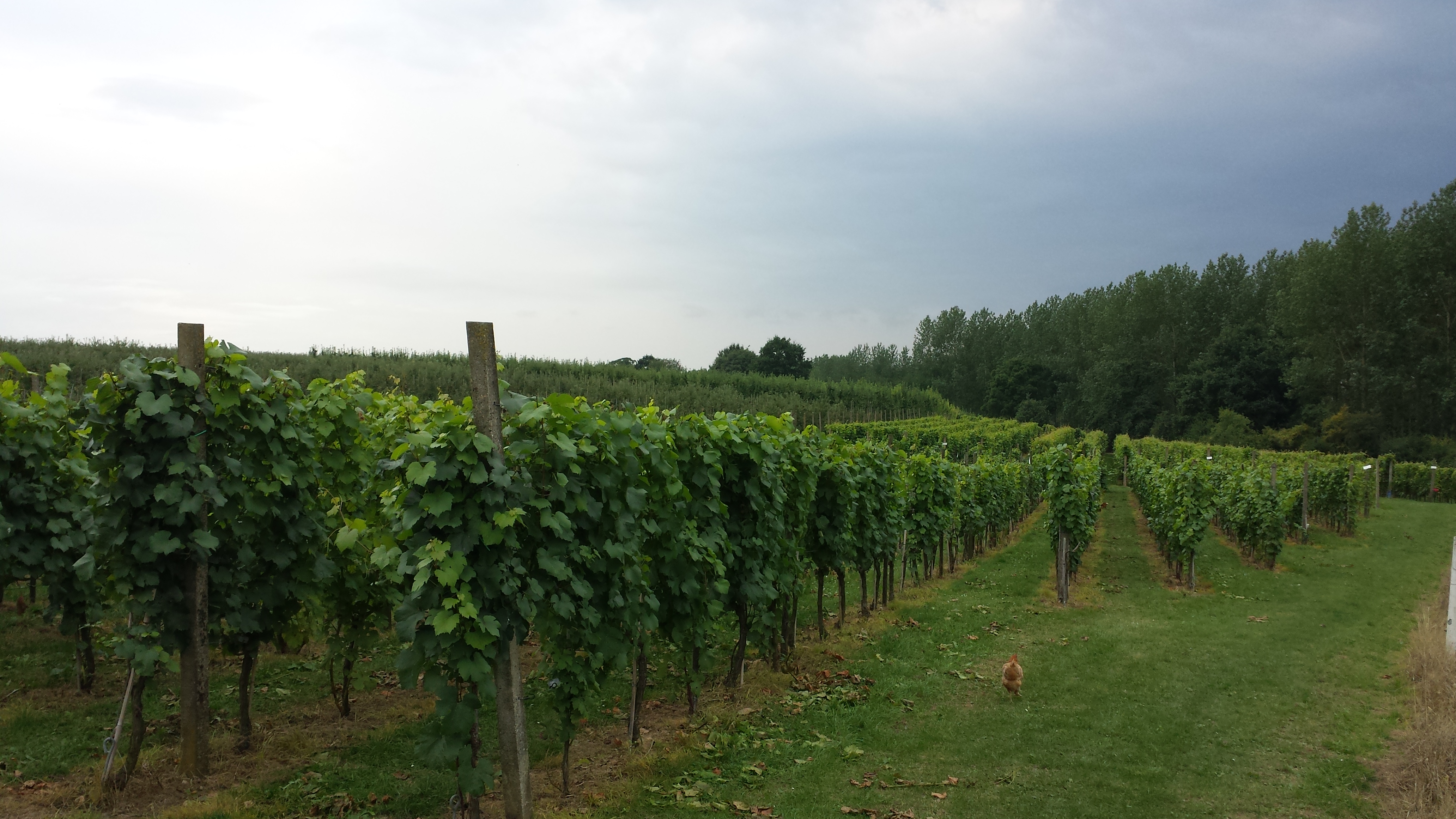
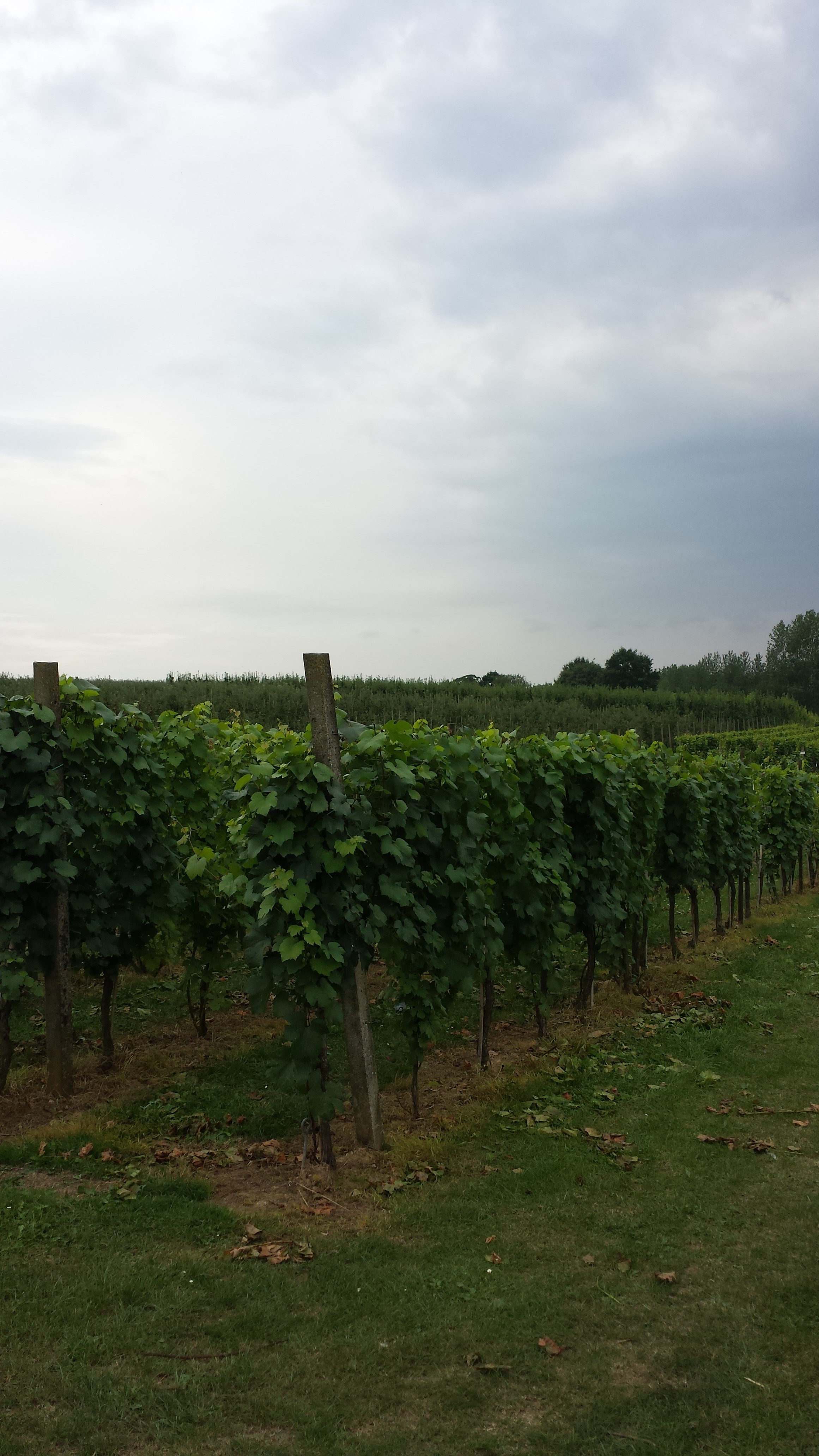
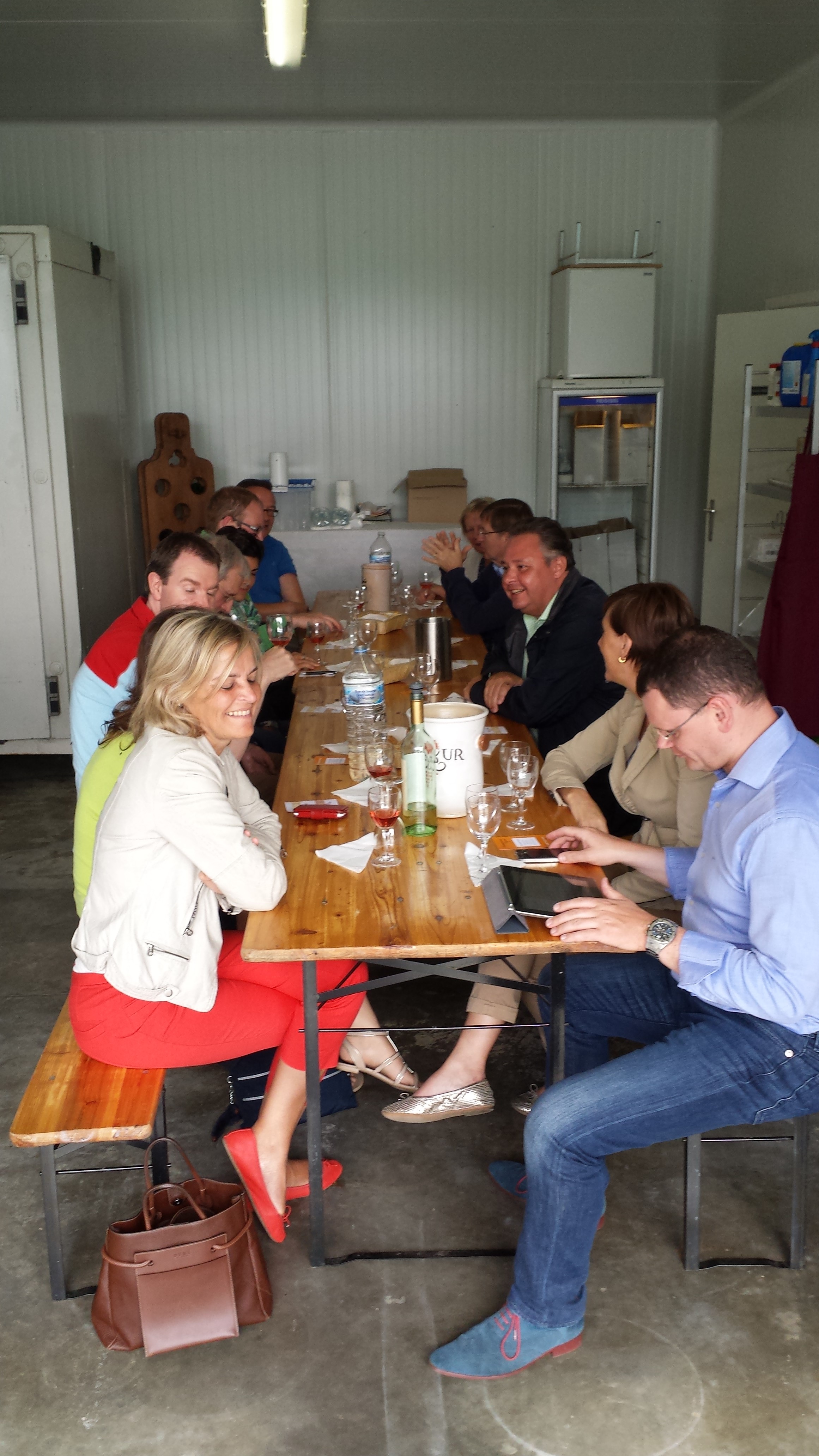
The last vineyard we visited on our trip through Borgloon was Optimbulles or formally known as Champinnot. Champinnot had to change their name as the association behind the French Champagne wine region took it to court as the name referred too much to “Champagne”. Luckily this didn’t stop them to make wine! Visiting this vineyard as last was the perfect ending of an incredible slightly sunny day on top of a hill overlooking the beautiful Borgloon fields! And I couldn’t imagine ending this day without a nice glass of wine 🙂

As the name Optimbulles (or the previous name) might make assume, this vineyard is especially specialized in bubbled wine aka sparkling wines (although they also have some mighty white wines). The wine I’ll always remember from this vineyard will definitely be the “Briljant” this wine made me so hungry!! It smelled exactly like one of my preferred bread kind Rye bread. I know I get hungry pretty fast, but due to the smell of a wine was a first 🙂 Don’t get me wrong all the other wines were also good, but this was just a unique smell I had never experienced before.

optimbulles (5)

Optimbulles (4)

Optimbulles (3)

Optimbulles (2)

Optimbulles (1)

Around the 90’s Guy Geunis, Theo Pasque and Rik Schreurs decided to make wine on their vineyard in Jesseren (at the border of Borgloon). Their focus (as I said before) is on sparkling wines made in/with the traditional grapes (Chardonnay, Pinot Noir and Pinot Meunier) and way of working. Something they cherish a lot at Optimbulles is that they don’t add extra sweeteners, they only “sugar” in them is the natural one. This is why their wines are referred to as Extra Brut or Brut Zero (No liqueur d’expédition has been added and has less than 6 grams of residual sugar per liter).  Optimbulles has 3 types of sparkling wine “Robijn”( 70% Chardonnay, 20% Pinot Noir red and 10% Pinot Noir white –  so basically this is a rosé sparkling wine), “Trilogie” (mainly Chardonnay, filled up with Pinot Noir and a little bit of Pinot Meunier)and Briljant (that I mentioned above and is made of 100% Chardonnay). Besides the sparkling wines they also make white wine and something more remarkable, rosé wine made from a local grape called “Vroege Loonse” which is a clone from the Pinot Noir.

Their 3 wines

Vroege loonse

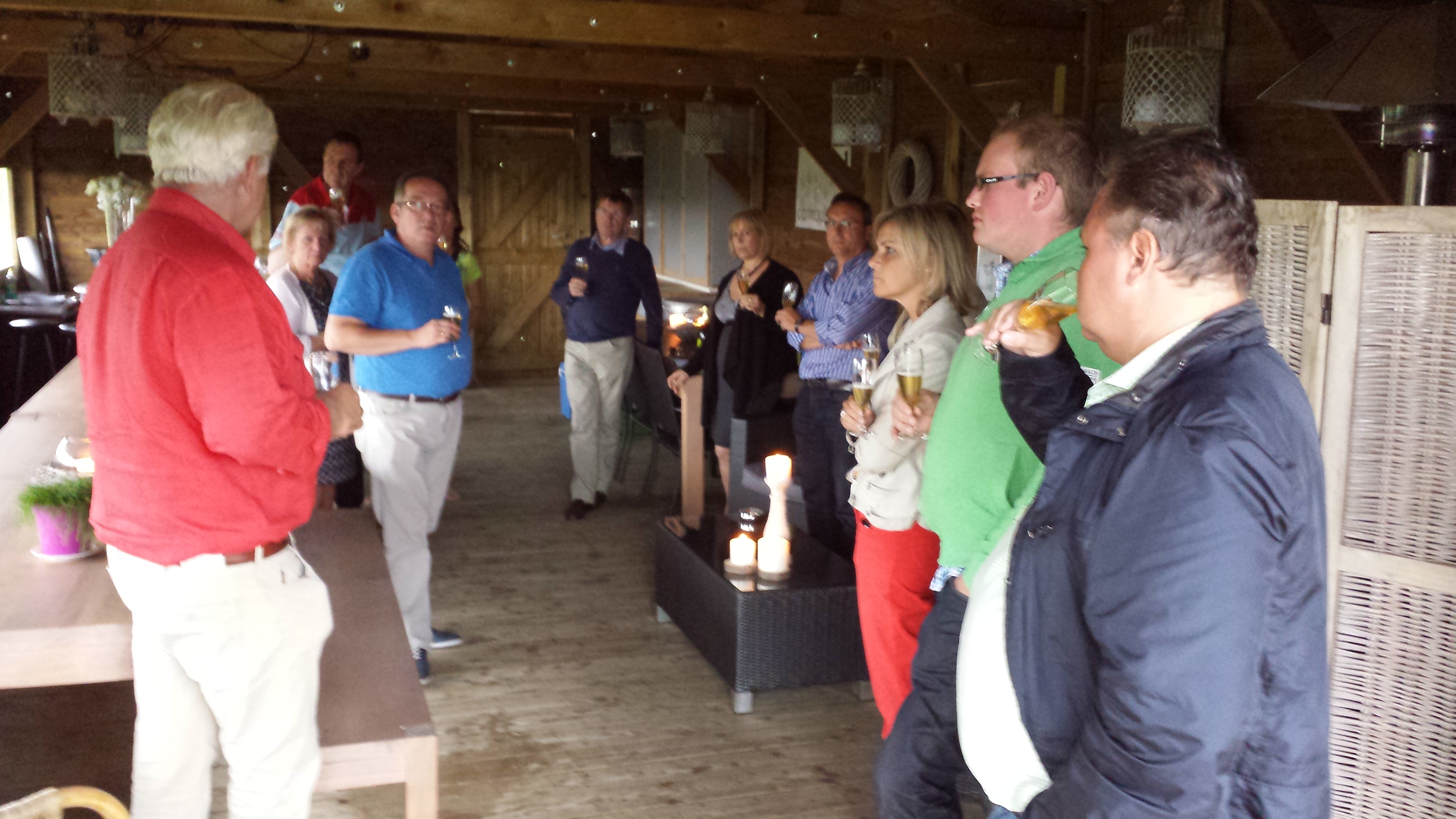
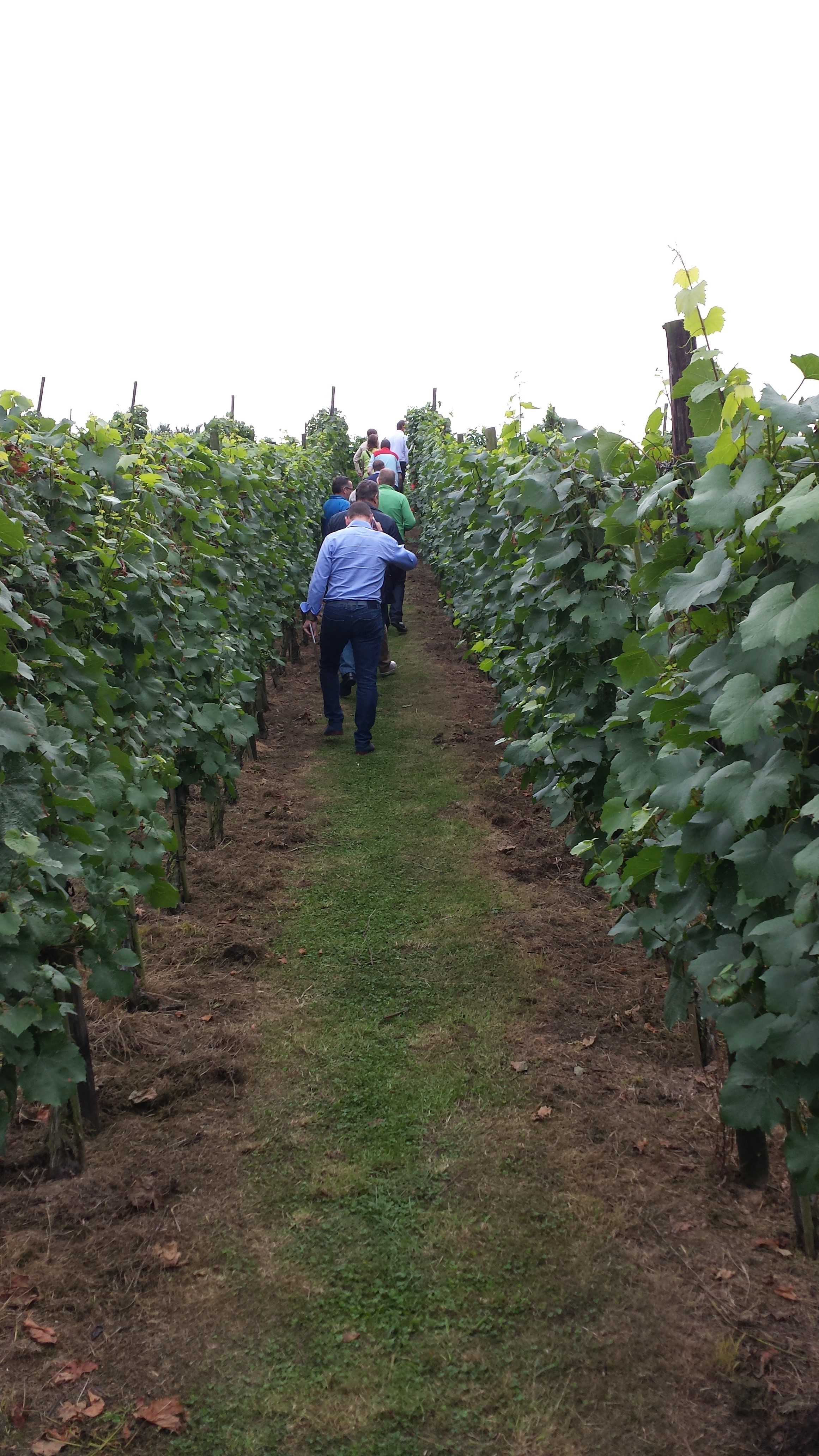
Every body listening to what Guy Geunis has to say

Another important thing to know about this vineyard is that until recently they only made sparkling wine using grapes, now they also make a kind of cider using the local apples (old types like “Boskoop”, “Ceuleman”, “Sterappel”) from their orchard…. again, some people who want to creative and that want to see what good can from the Belgian soil. I can only encourage that!! This product is better known as Apples & Pearls :-)… when tasting it, it obviously first of all tastes like apples, but it also reminded me a bit of wheat beer , but all tastes are well balanced!!  This actually goes for all their wines!!

Apples and pearls

One day I’ll be able to describe you the wines like a real wine expert! 😉

Unfortunately I couldn’t find a website from them, but in case you would want to know more I’ll give you their credentials: Lindesstraat 78, 3512 Hasselt –  0472 21 89 72 of 0478 20 57 79.

Ok, enough about Borgloon (for now)

A trip to little Burgundy part 3

Wine estate Hoenshof

Lots of winemakers in Belgium are people who just do it as a hobby and still have another job next to the winemaking. One of those examples would be Ghislain Houben  from Wine Estate Hoenshof or better Professor Ghislain Houben as he is Professor in economics at the University of Hasselt.

Ghislain Houben 2

Ghislain Houben

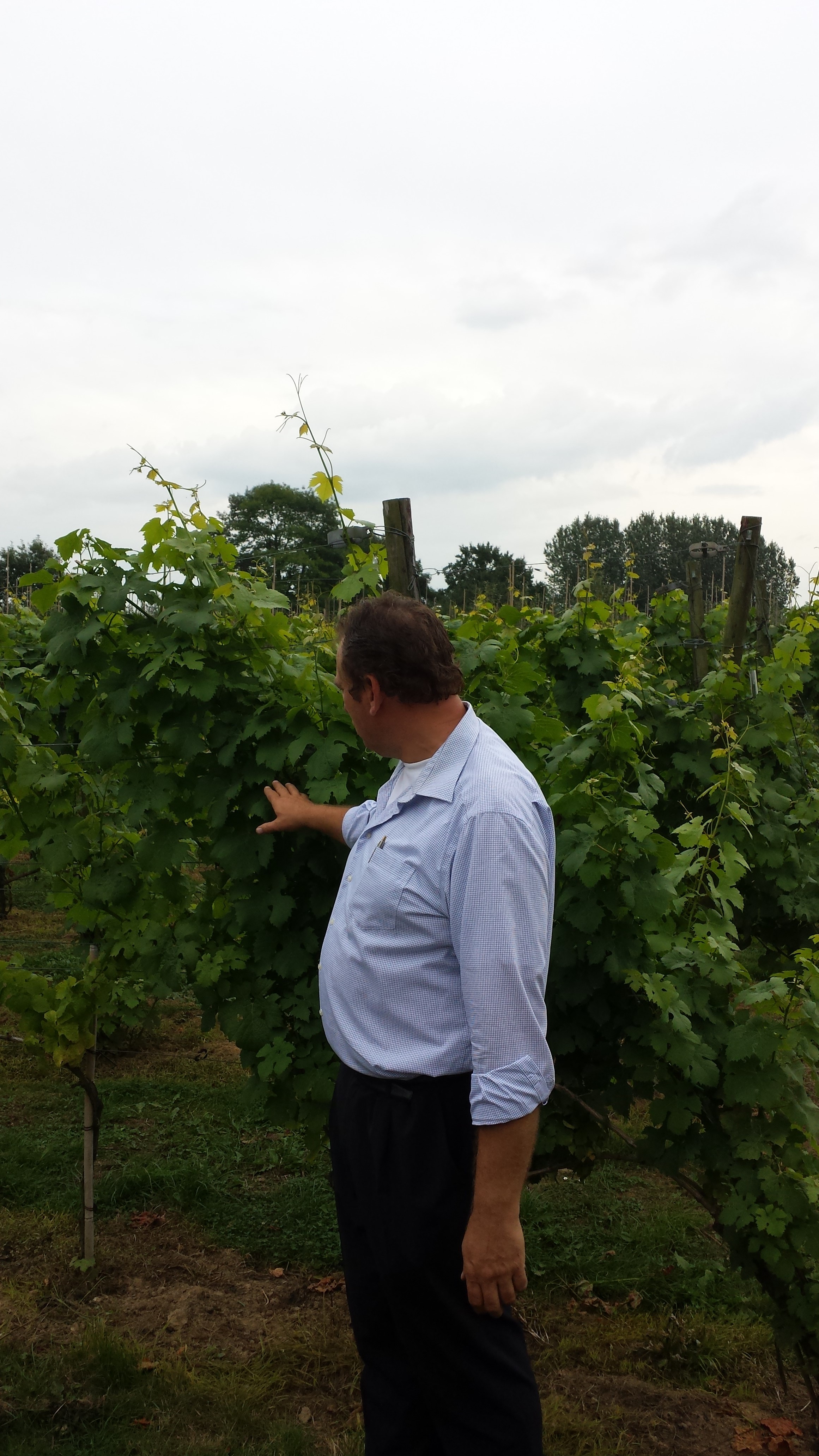
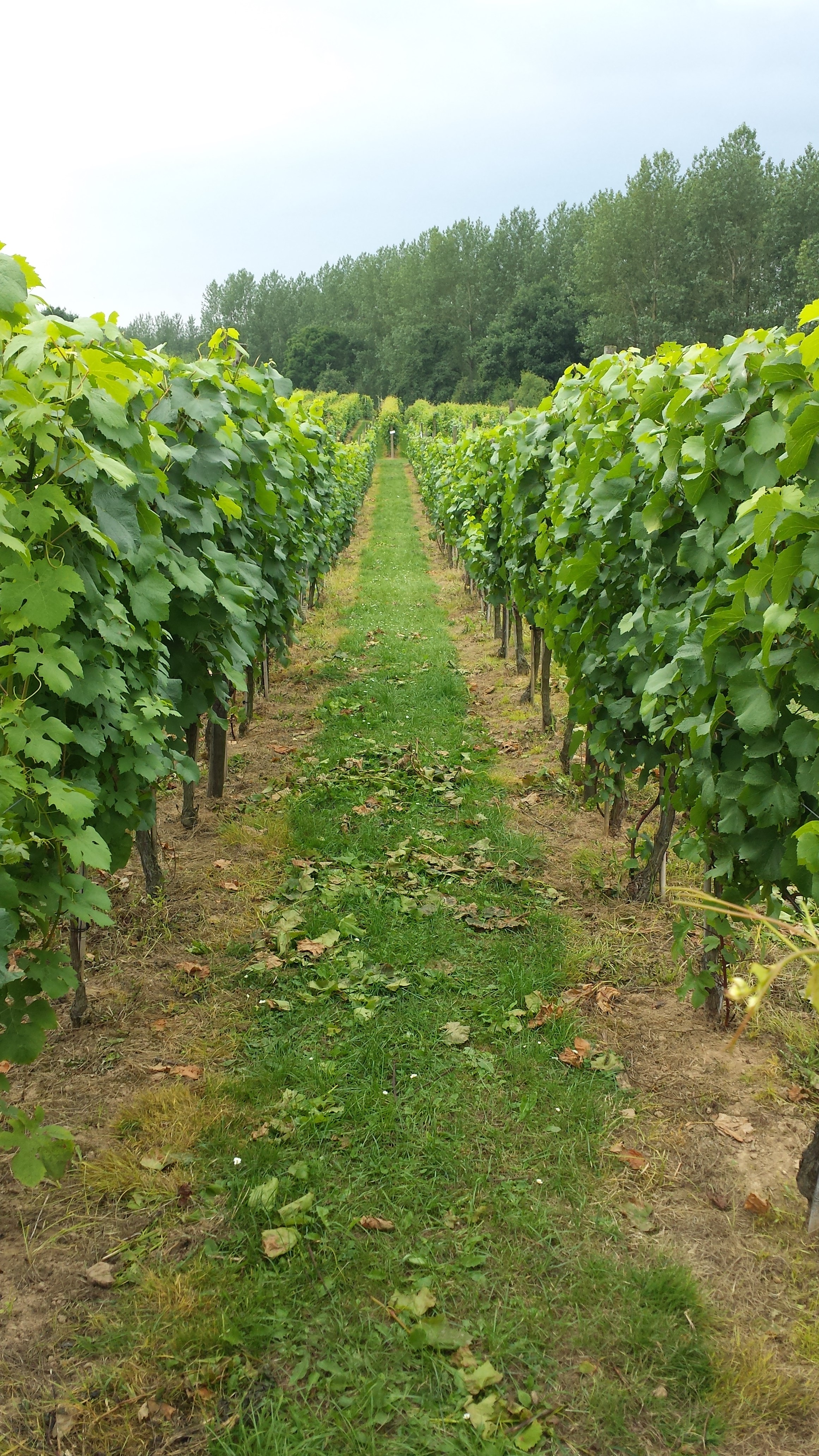
When I think of a Professor, I think of someone who likes to try new things and experiment. I think this does describe what Ghislain Houben really well when you look at his vineyard. What started with having some animals and a few cherry trees has since 2002 grown into a vineyard with more than 5000 vines known as Wine estate Hoenshof.  I was really surprised on the wide variety of different grapes (and wine as end product) Professor Houben has on his estate, from Chardonnay (with which he has won a price as best Belgian Chardonnay in 2011) to Cabernet to Dornfelder and he keeps  trying new things 🙂

Hoenshof vines 5

Hoenshof vines 4

Hoenshof vines 3

Hoenshof vines 2

Hoenshof vines 1

Although Wine Estate Hoenshof has won prices with his white wines, the future of the estate will be focusing on good quality red and dessert wines as the amount of vineyards producing this in Belgium is quite low. During our visit Professor Houben showed us a map with on it all the vineyards there were in Belgium around the 18th century (in red), I must say we were all amazed to see how many there were in these regions today the day it is not even 1/3 of amount you see on the map… funny enough most in the regions that are now also “well-know” for making wine.

Belgium vineyards 18th century

What differentiates Wine estate Hoenshof from most vineyard is Belgium is the type of barrels that get used. Most vineyards will be using French oak aka winter oak, as for Hoenshof they decided to go for summer oak which originates from Austria/Hungary. The big difference between the two types of oak is the fact the summer oak has bigger pores.

Summer oak

With the big assortment of wines we couldn’t just leave without trying all (or most) of them 🙂 I know we are too good for this world, I think one day I’ll be naming a street after me 🙂 🙂

Hoenshof tasting

Hoenshof assortment

Anyhow, tasting we did. Normally I’m not really a dessert wine kind of person as they are usually too sweet and sticky.  It has to be said that the dessert wines Hoenshof makes are anything but sticky or too sweet… they are soft, fruity and nice acids with a nice nose (they smell nice).  I’m not sure which one was my favorite, but if I would have to pick it would be the 2012 Wurzer as it had the smell that reminded me of Mosel/Austrian wines that I like a lot and has a fruity taste with well-balanced acids. Again, I’m not a pro… I just know what I like.

Wurzer

Overall some nice wines not all grape combinations were my cup of tea, but that is a matter of personal taste… I do admire Professor Houben for his creativity and would recommend you to try them yourself and you judge which one is your favorite.

Stay tuned for the last part about my trip through Borgloon…

A trip to little Burgundy

It might seem that I’m exploring a lot of the eastern part of Belgium (Limburg) lately, but they just have so many great things to explore :-). This time my trip east brought me a little town called Borgloon, which is a little town right in the heart of the Belgian Fruit region also known as “Haspengouw” (beautiful for cycling in spring). The red wires during this daytrip were top Belgian wines and 2010 best Belgian sommelier Kris Lismont.

I know Belgium is not known as a wine country, but I can say for a fact that the amount of winemakers making good and even great wine that can easily compete against the famous wine countries is getting bigger by the day! Thanks to Kris Lismont we were fortunate enough to visit a 3 of them with all the same goal putting Belgian wines on the map.

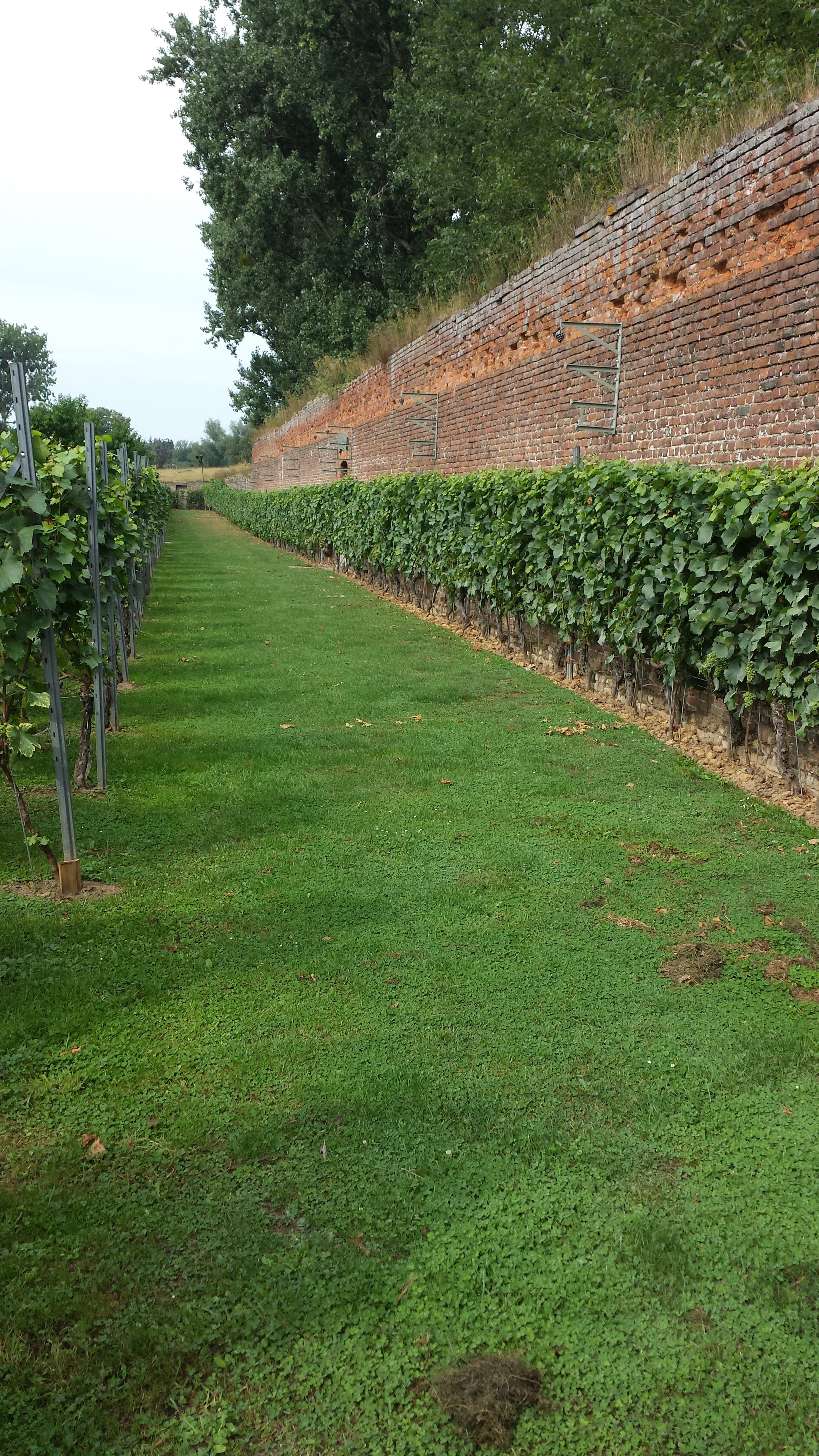
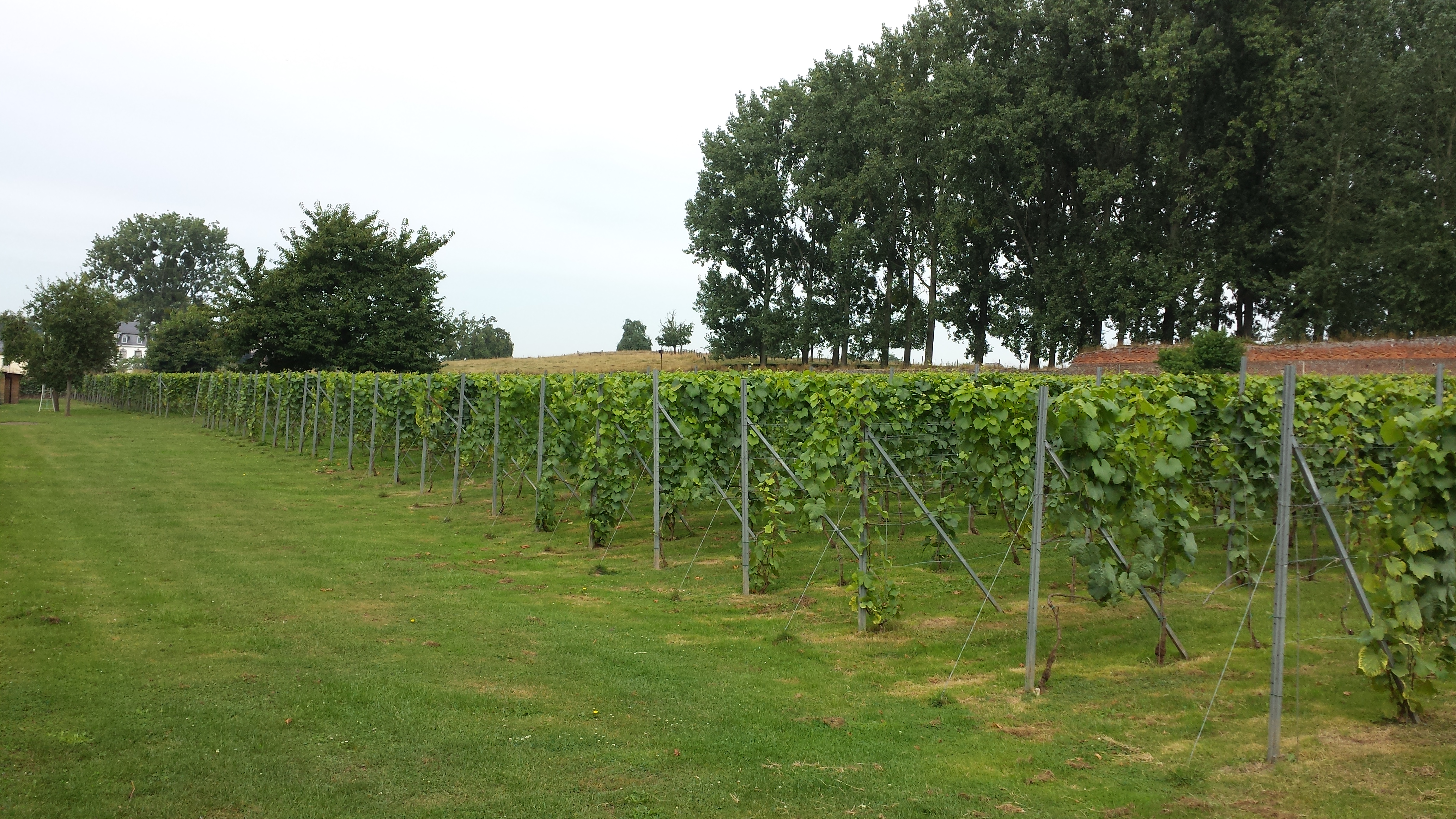
The first vineyard on our agenda is maybe to me the maker of the best Belgian white wine. I’m talking about the lifework (since 2000) of Peter Colemont aka Clos d’Opleeuw a vineyard from only 1hectare. Peter only makes Chardonnay (1 year in best quality oak barrels) wine from 5 chardonnay grape varieties. I must correct myself he also has a few Pinot Noire vines but the wine he makes from these grapes is for private use only, or at least until Peter finds the quality good enough for actually sharing it with the world (I tried it and have to say although it is still young it had a typical Pinot Noire taste to it). Back to Clos d’Opleeuw’s signature products their Chardonnay that during lots of blind tastings of well-known white wines is mistaking for a Burgundy wine… so that’s how good it is! Before I start speaking of the wine, maybe I should first tell you more about the person behind the vineyard. Peter Colemont is besides a very friendly and modest person also someone who knows what he wants and is not ashamed to say he consults well-known winemakers and wine experts to make sure he’ll make a TOP product. Peter even worked for a while in some well know vineyards in the Burgundy Wine region to fine-tune his knowledge on how to make wine. When we asked him who gave him the passion for making wine, he said without hesitation Jean Bellefroid who was a pioneer in making Belgian wine.

Peter Colmont

There are multiple reasons this wine is this wonderful 1st of all because of the lime/loam soil in combination with the fact it goes downhill is perfect for the “drainage “of the water (and in Belgium there is a lot of rain 🙂 ). Just think of vines of Chateau Petrus, this also goes downhill. BTW when you see a mistletoe tree you immediately know the soil is lime/loam as this tree only grows on this type of soil.  Secondly because of the fact it is a “Clos”, which is the French word for “closure” or “enclosed”, so basically this means it is a vineyard with walls around it used to protect the grapes from theft as well as improving the mesoclimate. The mesoclimate will be creating the perfect circumstance and environment for growing the grapes (or any other fruit you would like to grow). This is a “technique” used in lots of French regions for making wine. The last and maybe most important reason is Peter himself as he works with so much devotion, care and passion! There is a saying that says “everything you do yourself is done better” well this is Peter’s motto as he does do it all himself, he literally crawls on hands and knees between all his vines to check and take care of every branch. He could use a machine, but this would cut away too much.

Clos d'opleeuw 1

CLos d'opleeuw 2

CLos wijngaard 1 Clos wijngaard 2

Clos wijngaard 3

Clos rijpingskamer

Peter’s passion and high quality product didn’t stay unnoticed as people like Jancis Robinson tasted the wine and started spreading the word ( article) and on top of that Clos d’opleeuw’s chardonnay can also be found on the wine list of the 3 Belgian 3 Michelin star awarded restaurants and Oud Sluis! Lots of people would start flying and start to feel full of themselves, but not Peter he keeps his 2 feet on the ground :-).

Clos groep goed aan het luisteren

I did already know Clos d’Opleeuw for a few years, but it was not until 2 months ago (it might be 3 months) that I tried my first glass thanks to Tom Ieven from restaurant Ardent :-). I also wasn’t sad when I could taste it again, but this time in company of the winemaker himself, we tried the 2010 and 2011. The 2007 would be Peter’s personal favorite, at this moment that is.

Clos 2010

Anyhow, to make a long story short(er) you should definitely try a glass (or bottle) of Clos d’Opleeuw when you have the chance!!! I know it might be difficult to find it as the production is not enormous (3000bottles a year)…  and therefore very quickly sold out but you won’t regret it if you get hold of it.

Stay tuned for more about the 2 other vineyards we visited and the lunch we had with of course wine as main topic….

Tasting with the pro’s

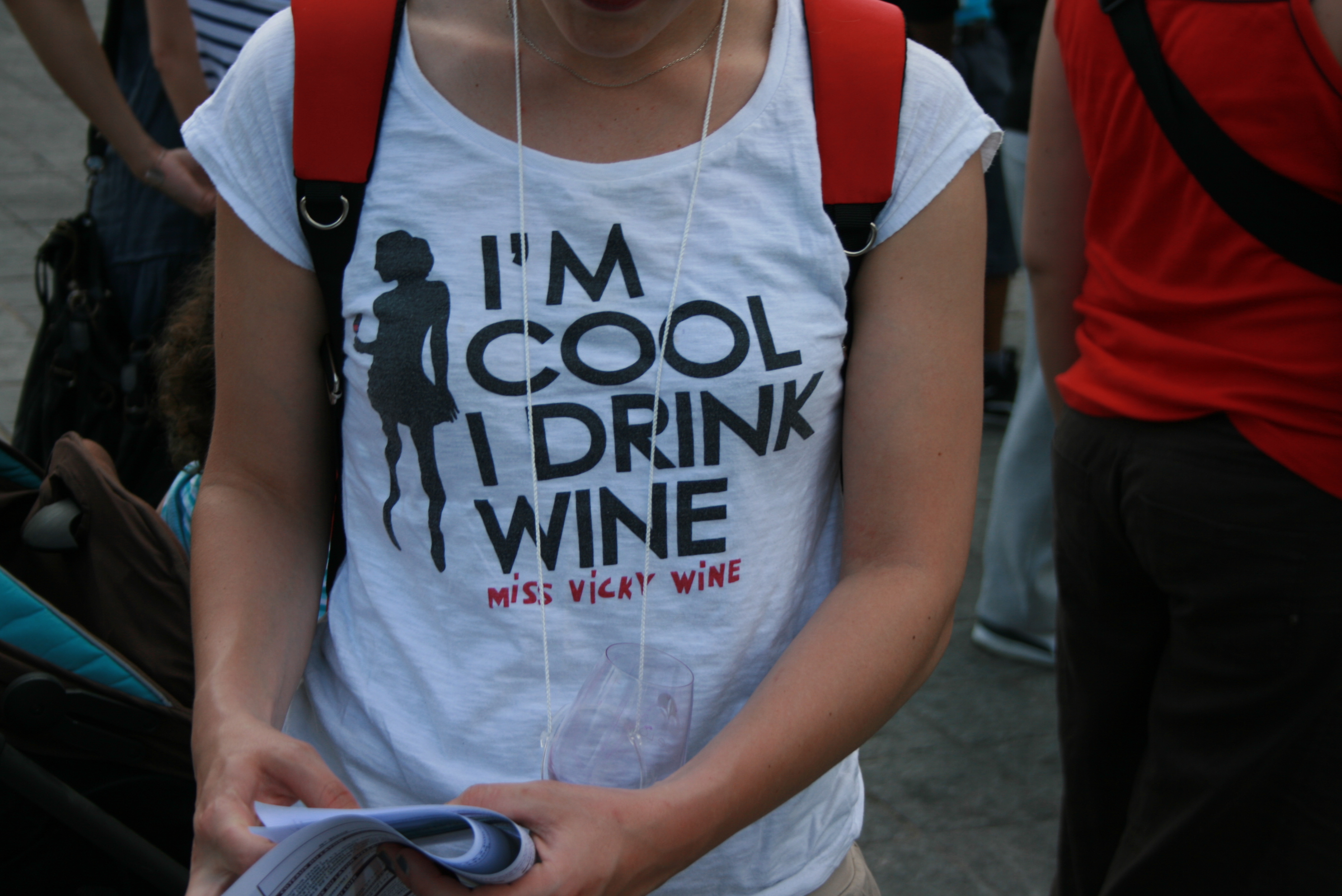
Earlier this week I was fortunate enough to join Belgian sommelier guild for a tasting of Colombo wines (no, not from the TV show). If you say wine, you also say food… that’s why the tasting took place at Le grill aux herbes that gets a 17/20 in the Gault Millau Guide (very high score). When it comes to wines, I’ll have to be honest that I know more about Italian wines than about French wines… but now thanks to my blog step by step I’m getting more familiar with all the great wines France has to offer, like on last year’s trip to the Loire valley. Although I also learn a lot by reading blogs from friends of mine like JDR or wine chick Miss Vicky Wine (who has a cool new website) and of course also thanks to my good friend William Wouters (Pazzo) and the Belgian Sommelier Guild. Don’t get me wrong, not that I didn’t know anything at all 🙂 🙂 I did, but Italian wines were just more present in my life.

Anyhow, back to our wine tasting. I didn’t know Colombo wines, but it was my friend William who said I really had to taste these wines as they are very good and something I shouldn’t miss… So I followed his advice 🙂

Colombo wines are the life work of Jean Luc Colombo and his wife Anne who started in 1984 making wine at their vineyard in Cornas better known as Côtes du Rhone region. Since 2010 their charming daughter Laure joined them in making the wine and I can say for a fact that she putting her own stamp on the Colombo wines. So the future of Colombo wines is guaranteed!

Jean luc Colombo

Colombo wines (2)

An important grape for their wines is the Syrah aka Shiraz grape. The Syrah grape gives you a full-bodied and powerful wine. Just think of flavors like dark chocolate, black pepper, Arabica espresso. So if you are not a fan of this grape or full-bodied wines I’m not sure you’ll like these. I had no problems with it as Syrah happens to be (next to Nebbiolo, Corvina and Merlot to name a few) one of my favorite grapes. As I mentioned in the beginning of my post I was here with some people of the Belgian Sommelier Guild which actually make the tasting more interesting as you can learn a lot from the pro’s. I also ran into an old classmate who I haven’t seen in at least 10 years….
Colombo wines

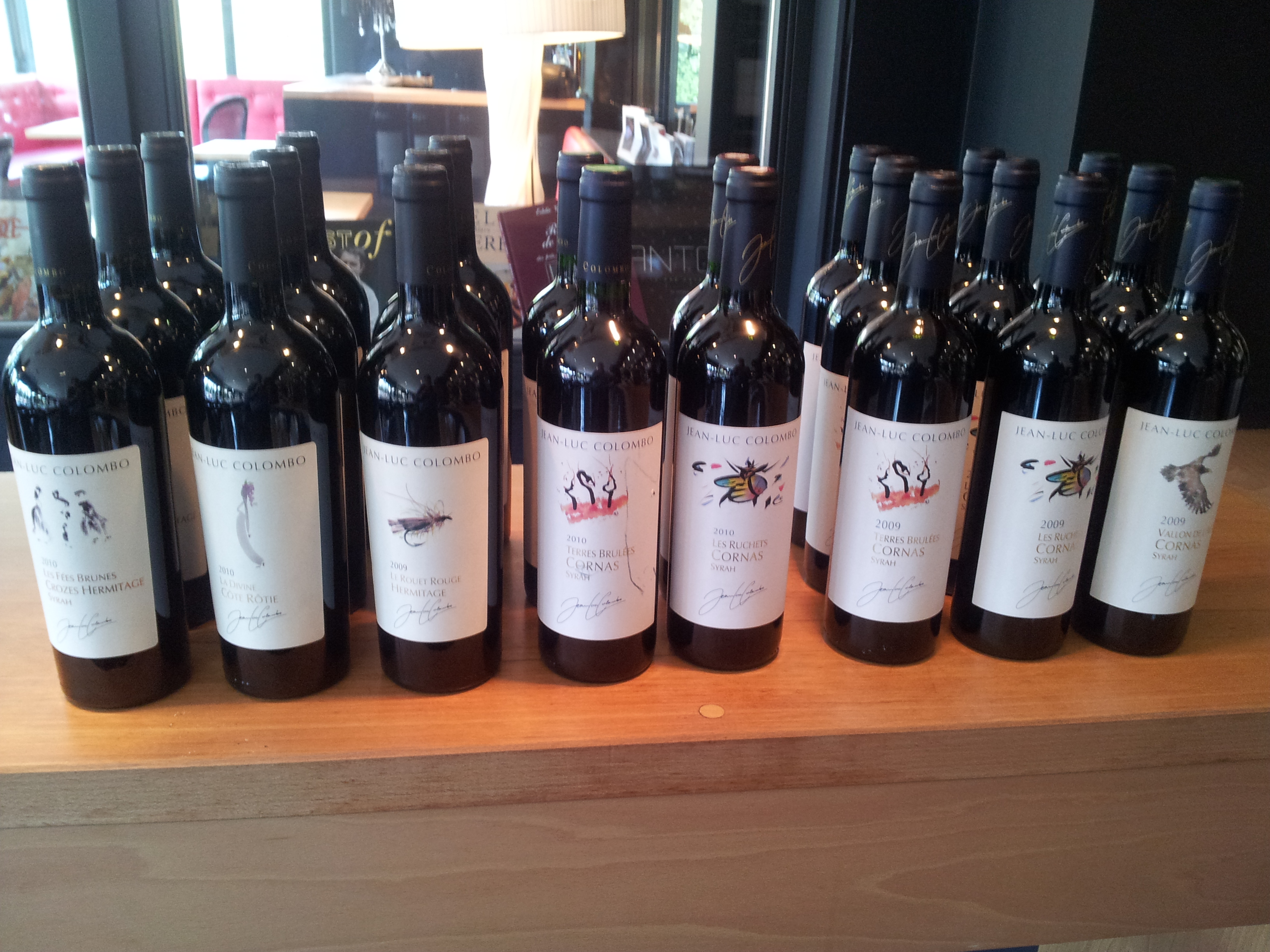
We tasted the whole Colombo gamma and I was surprised about the variety Colombo has. The only way was up, we started with their white “table” wine (maybe this is an understatement) and only went crescendo from that point to end with the top of the bill their “les ruchets”. I could start defining the taste from each and every wine, but there were just too many we tried and not being a wine blogger I’m not sure if I could put it in as good writing as my friend wine bloggers could do it… what I do know is what I like and what I don’t like and I definitely liked every single wine I tasted from Colombo What I can suggest you to do is check the Colombo website and see the technical specs, buy some Colombo and see if the tastes match and try to recognize them:-)At least that’s how I would do it (every excuse to buy wine is good enough). BTW if you want to have more info on where to buy Colombo wines, please check with Mampaey wines and spirits. This tasting has also learned me that from time to time have an expensive taste, eventhough I loved all wines, it must be said that the last two we tasted the les ruchets 2009 and 2010 were everything I look for in wine.
The gamma we tried

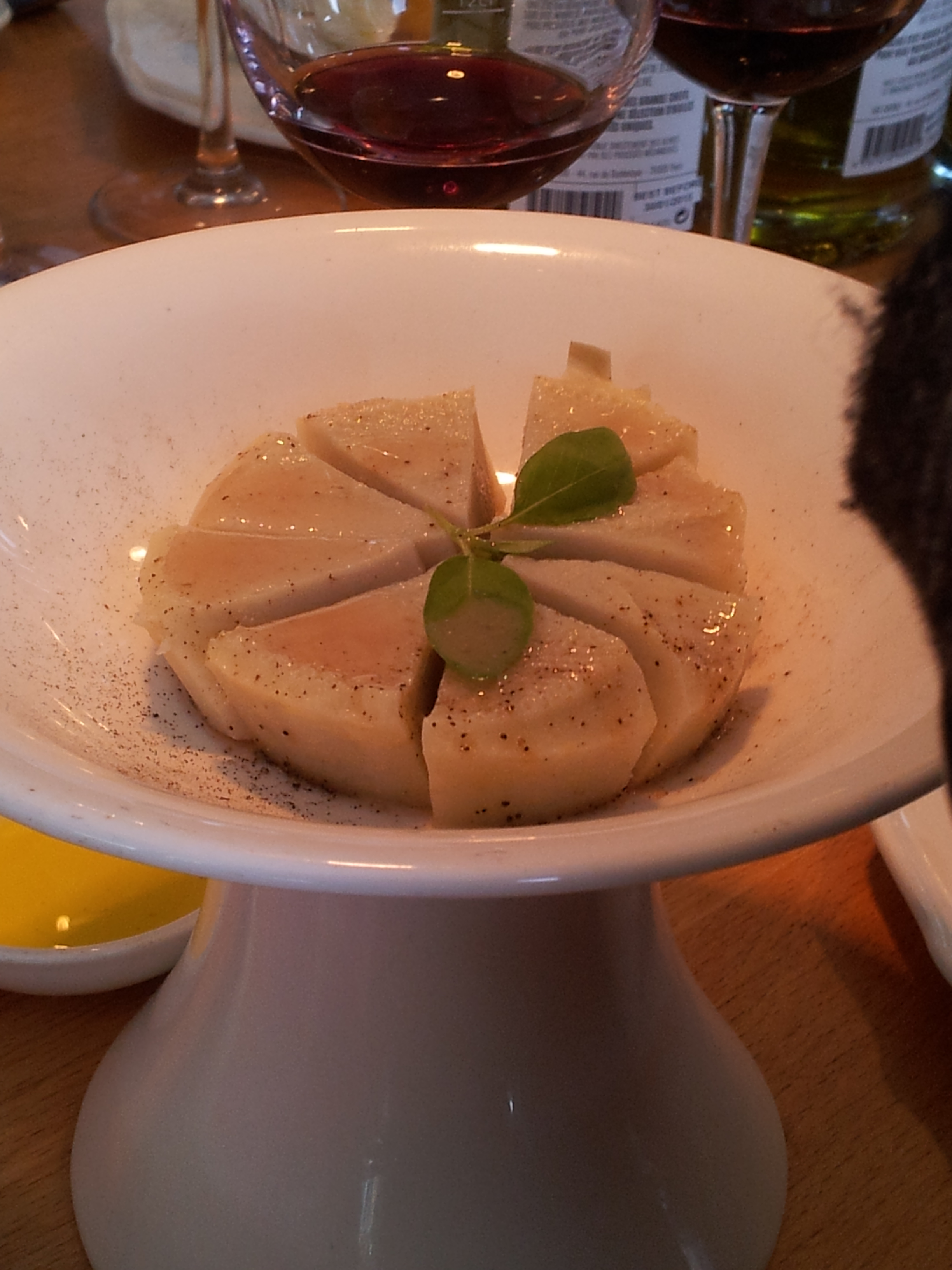
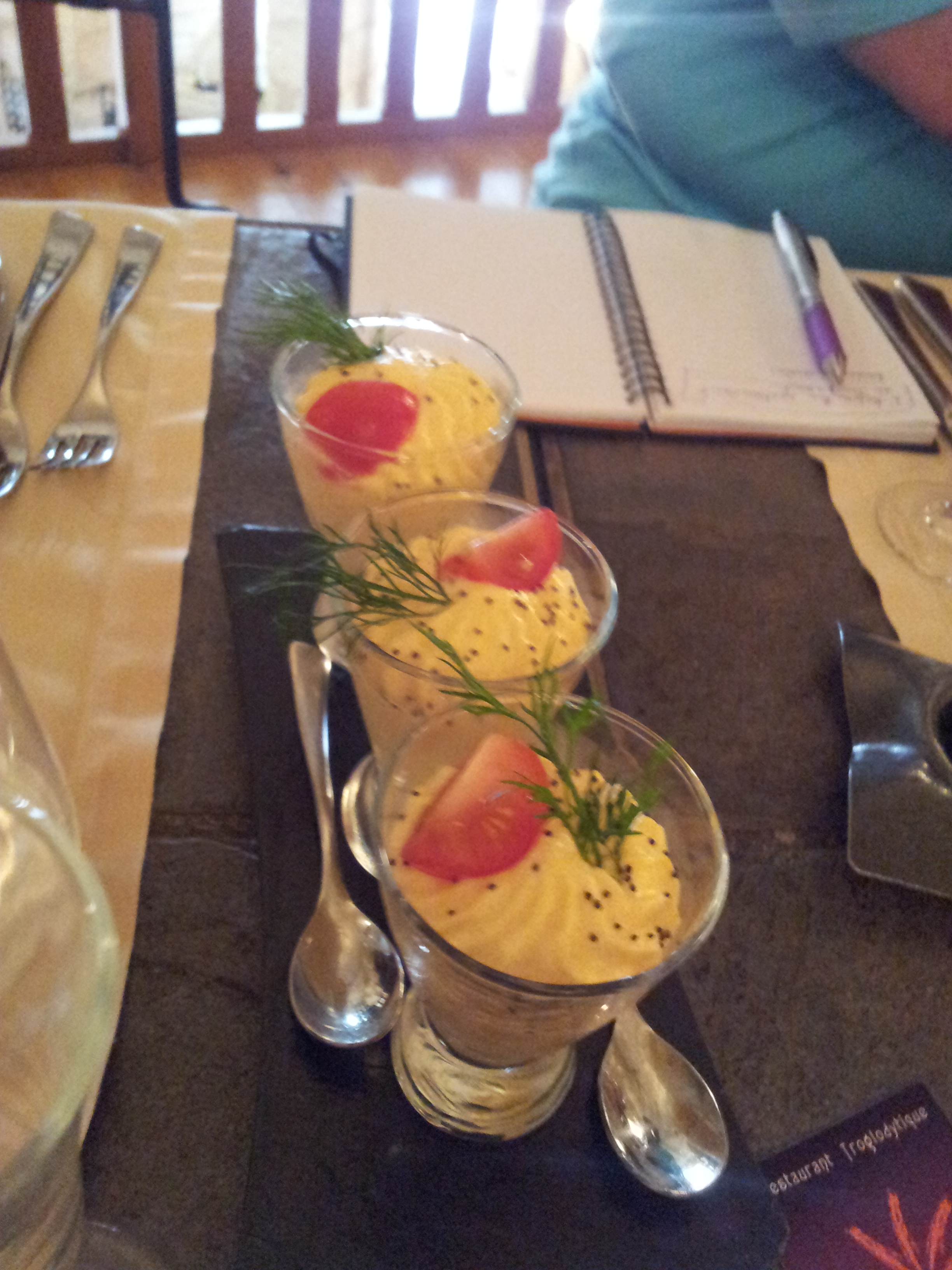
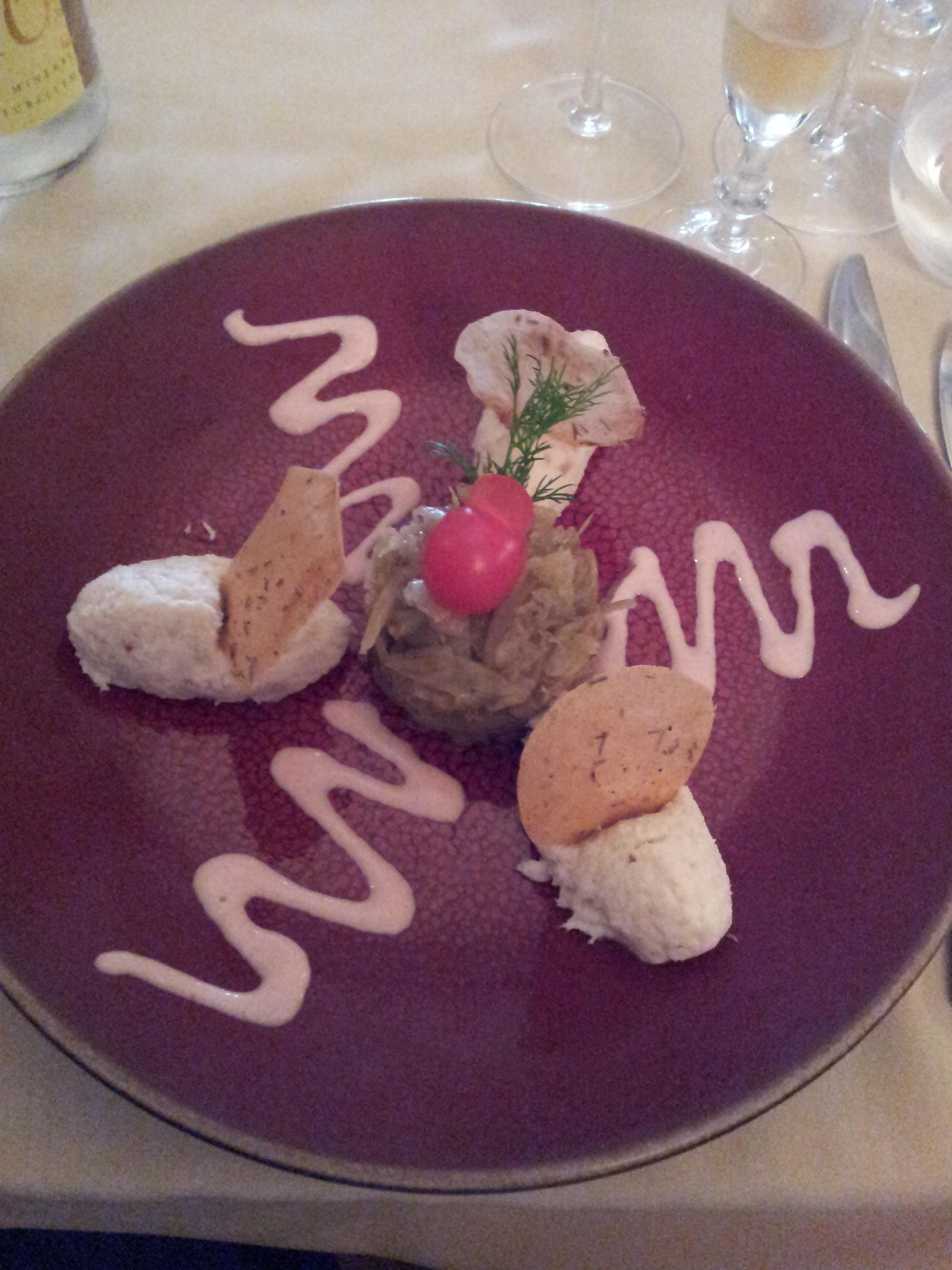
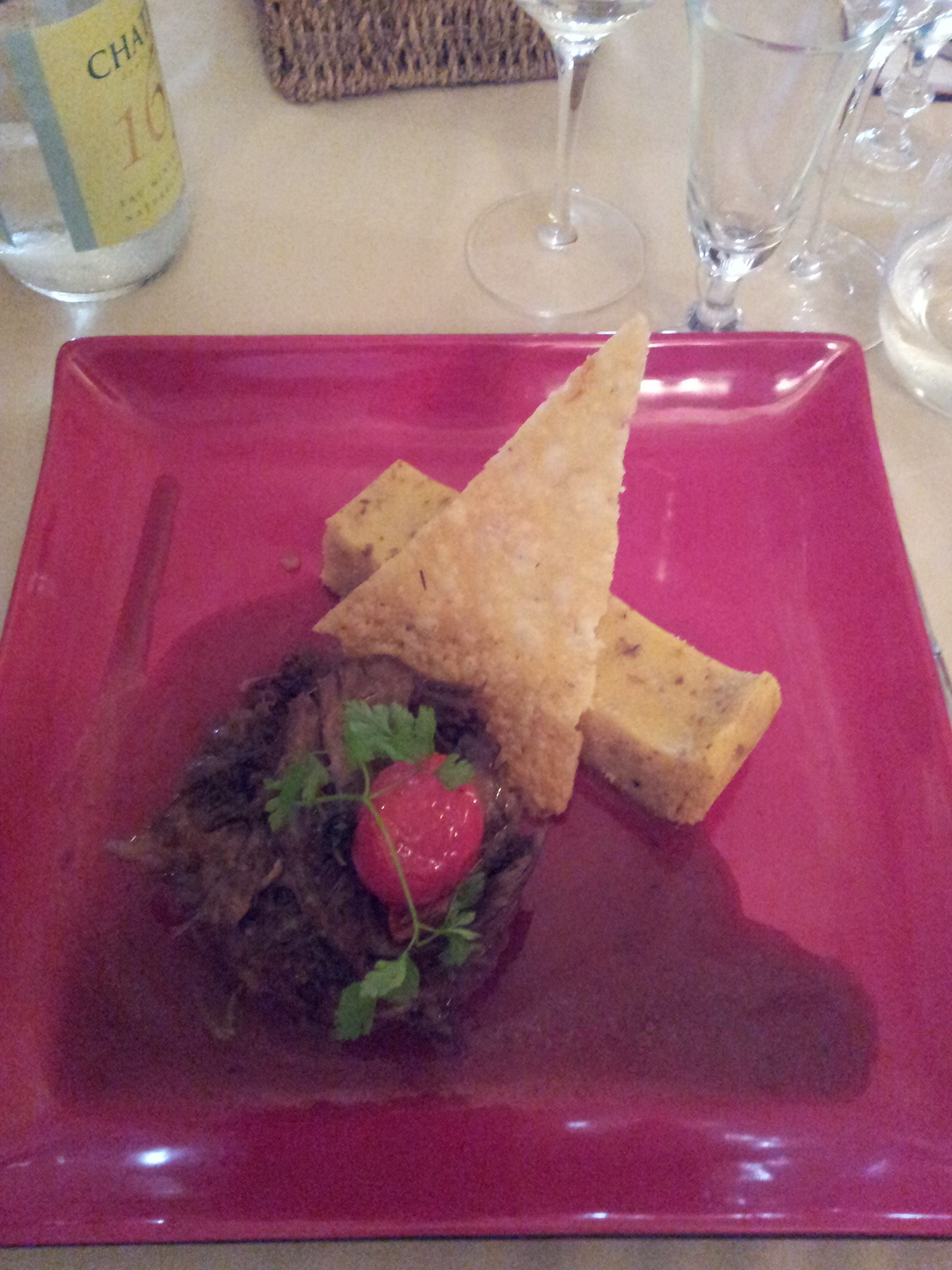
It might surprise you that I didn’t start talking about the food yet, but this time I just wanted to share something about the wines. But I’ll let the pictures from our food speak for itself. I could indeed suggest that if you are ever around Brussels, you might want to stop at Le grill aux herbes for lunch or dinner. You won’t regret it! My compliments to Chef Evan Triantopoulos.

Le grill aux herbes

Grill aux herbes (1) Grill aux herbes (2) Grill aux herbes (3)
Grill aux herbes (4) Grill aux herbes (5) Grill aux herbes (6)

Grill aux herbes (7) Grill aux herbes (8) Grill aux herbes (9)

I’m sure it won’t be too long before I’ll be visiting the Colombo vineyards (I even have a few wine partners in crime in mind to join me 🙂 )

Thanks to Laure and Evan (and all my table guests) for this wonderful tasting!

Evan & Laure

My Loire valley adventure by bike: final part

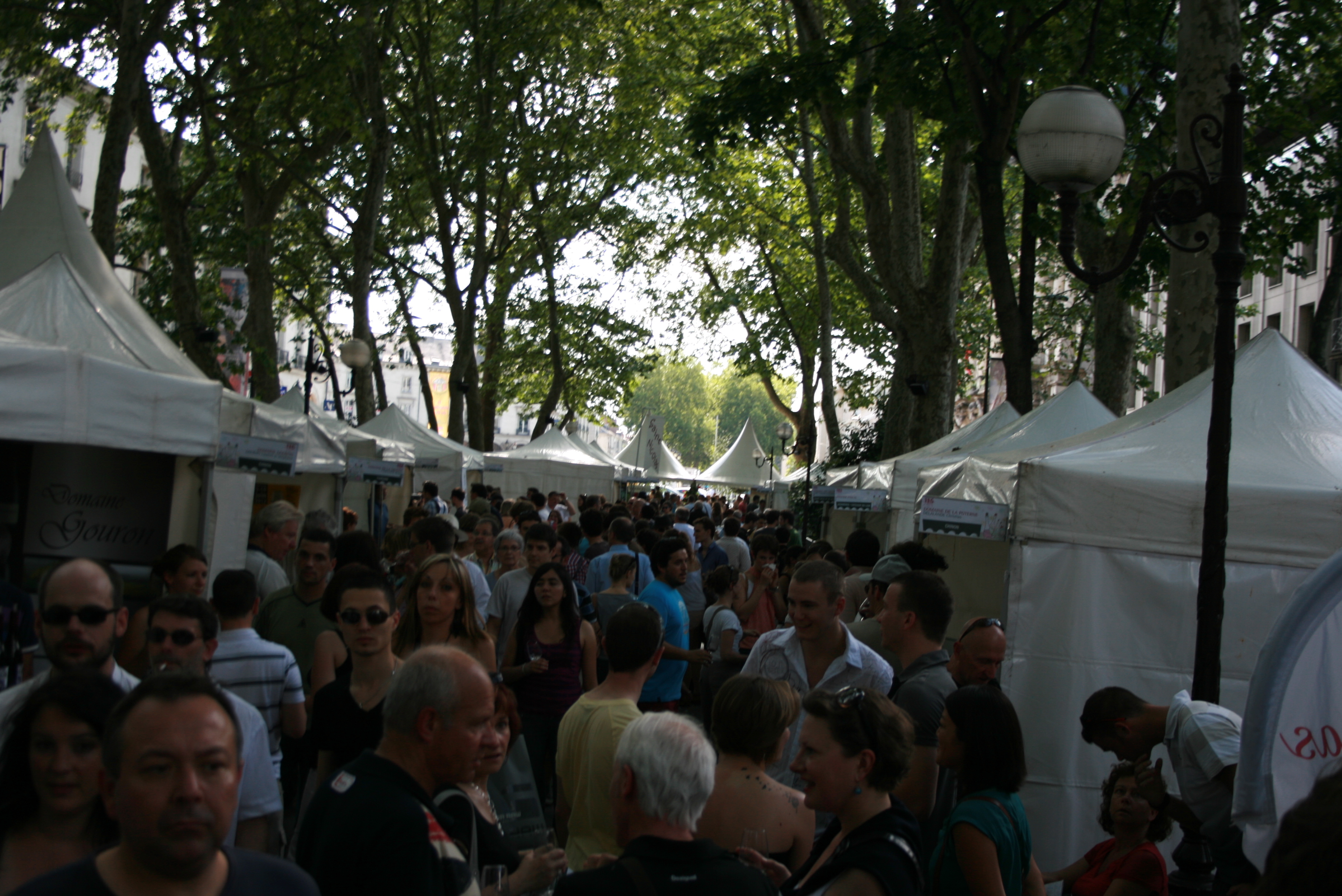
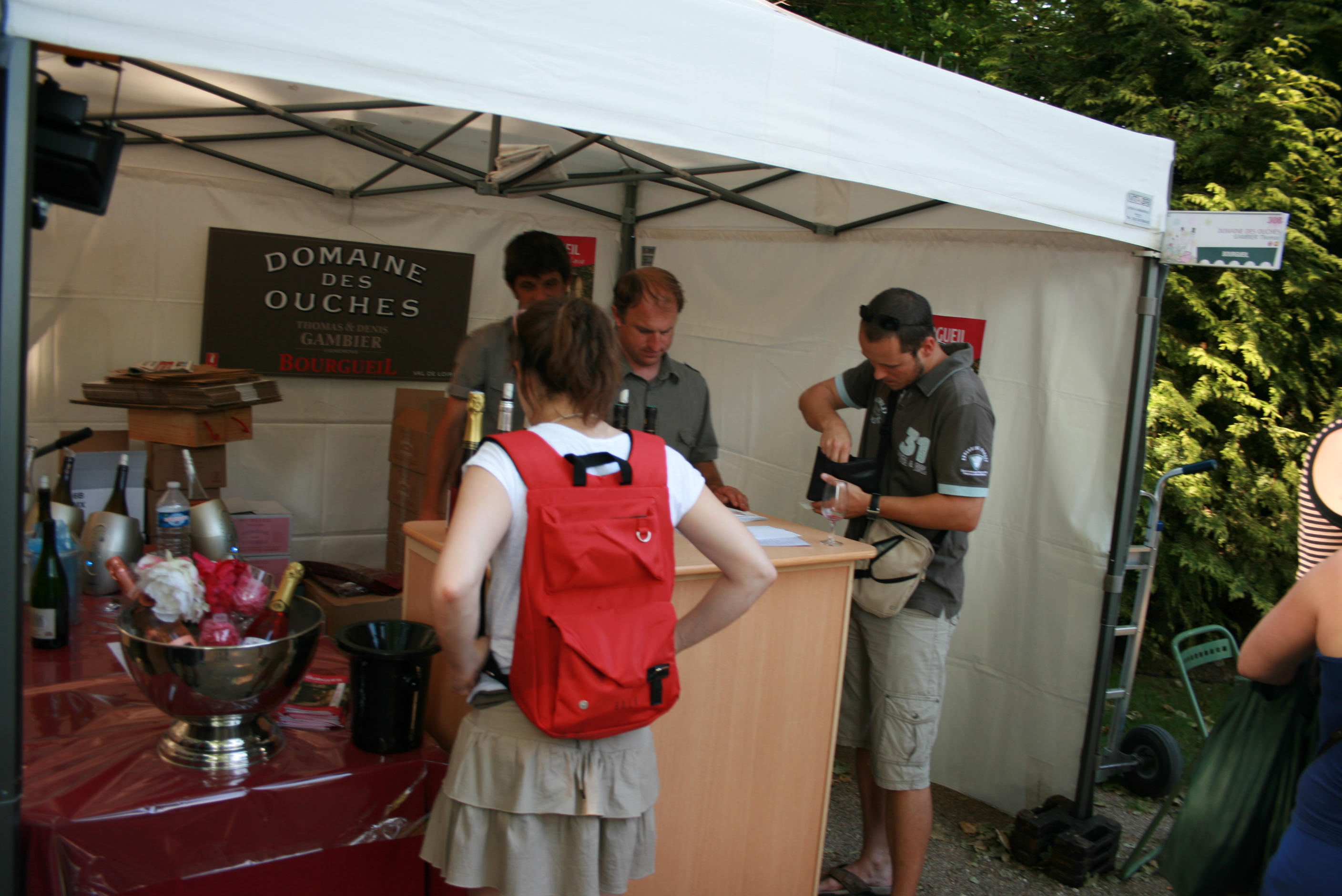
After already having had a wonderful time in the Loire, it got even better! Not only did I get to visit some of the most well-known vineyards in the Loire valley, I also got to go around the Vitiloire wine fair together with the one and only Miss Vicky Wine. For you who don’t know her, she’s the coolest wine chick in France that knows a loooooooot about wine. So lucky me :-). My preferred wine houses I got to try were Lionel Gosseaume (loved his white wines aka Les Sauterelles) and Domaine des  Ouches (for the red wines). So if you ever get the chance to try them, please do so 🙂

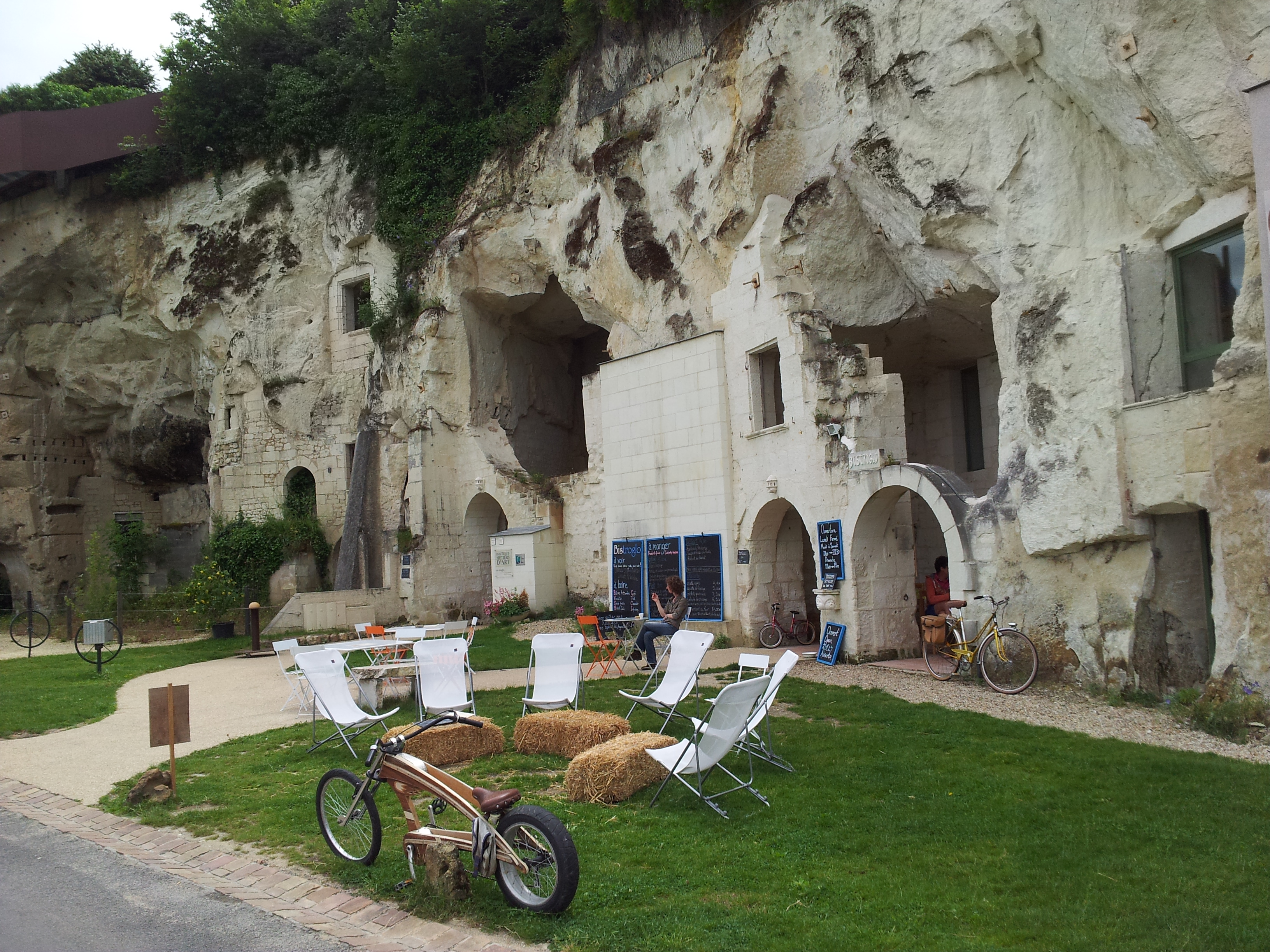
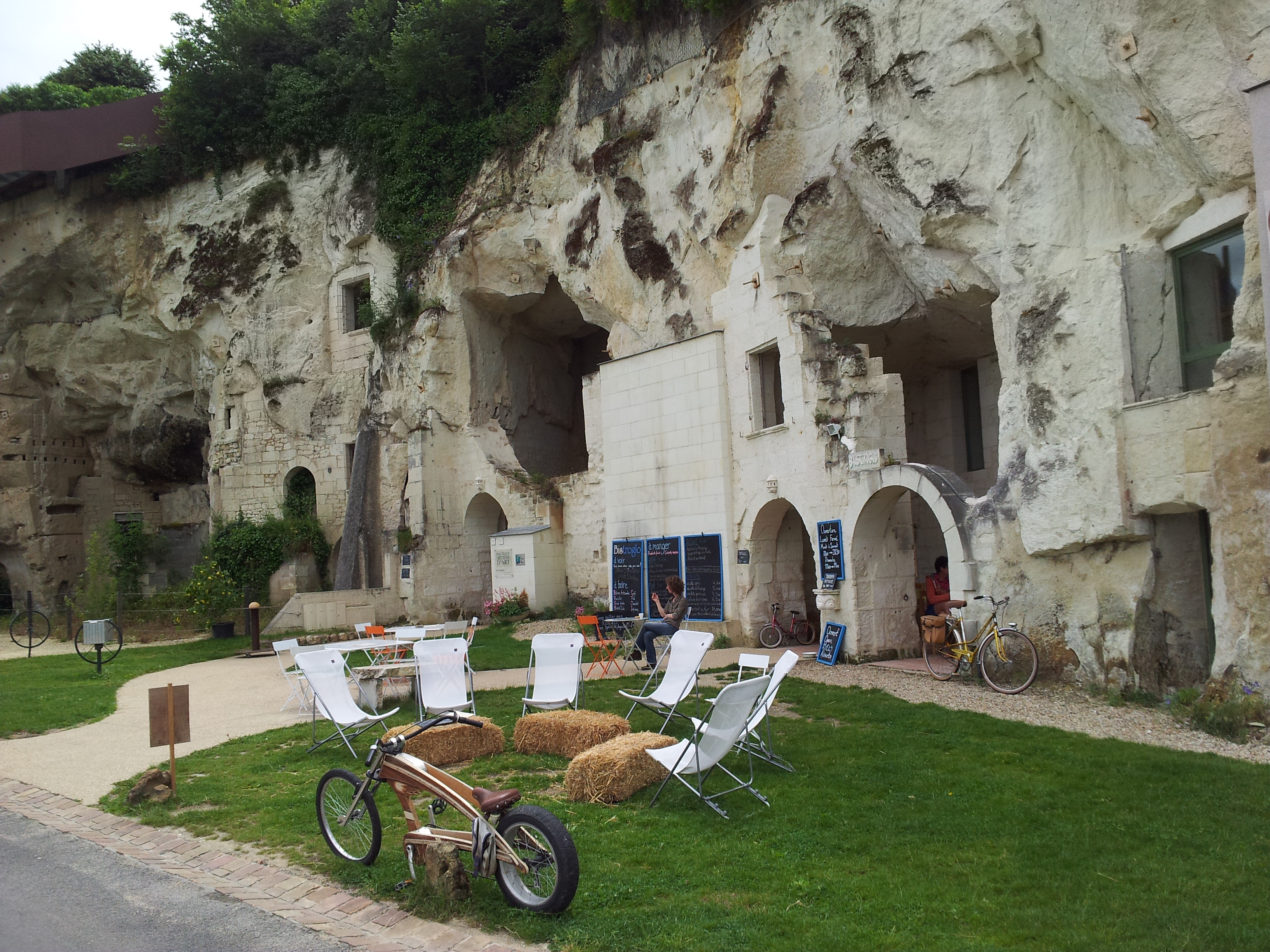
The next day we were all ready again to ride our bikes through more or the beautiful landscapes of the Loire Valley or better around Saumur. The architectural character of the town owes much to the fact that it is constructed almost exclusively of the beautiful, but also fragile Tuffeau stone and indeed gives a very unique touch to this region.

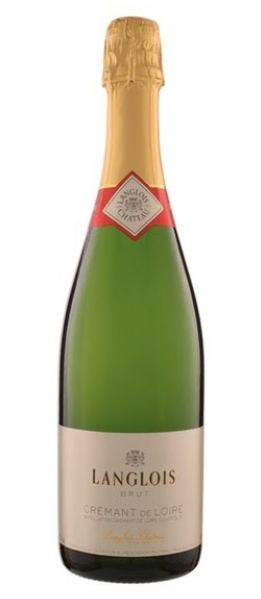
Not only is it known for its architectural sites, it is also well  known for its sparkeling wines. Did you know that most Champagne brands like Bollinger, Taittinger ,… own lots of vineyards in this region. They have done this as the soil caves around Saumur is perfect  are perfect to make some of the best sparkeling wines around. One of the best examples would be Langlois-Chateau (fyi, chateau is a family name, not indication of a castle), is owned by Bollinger. It is already long before it got taken over by Bollinger, that this vineyard had a big tradition in making sparkeling (since 1885) and it is indeed one of the best you’ll try and the best part is that Cremant de Loire as this wine is called is much cheaper than champagne 🙂 (I like) (FYI, their other wines are also very good)

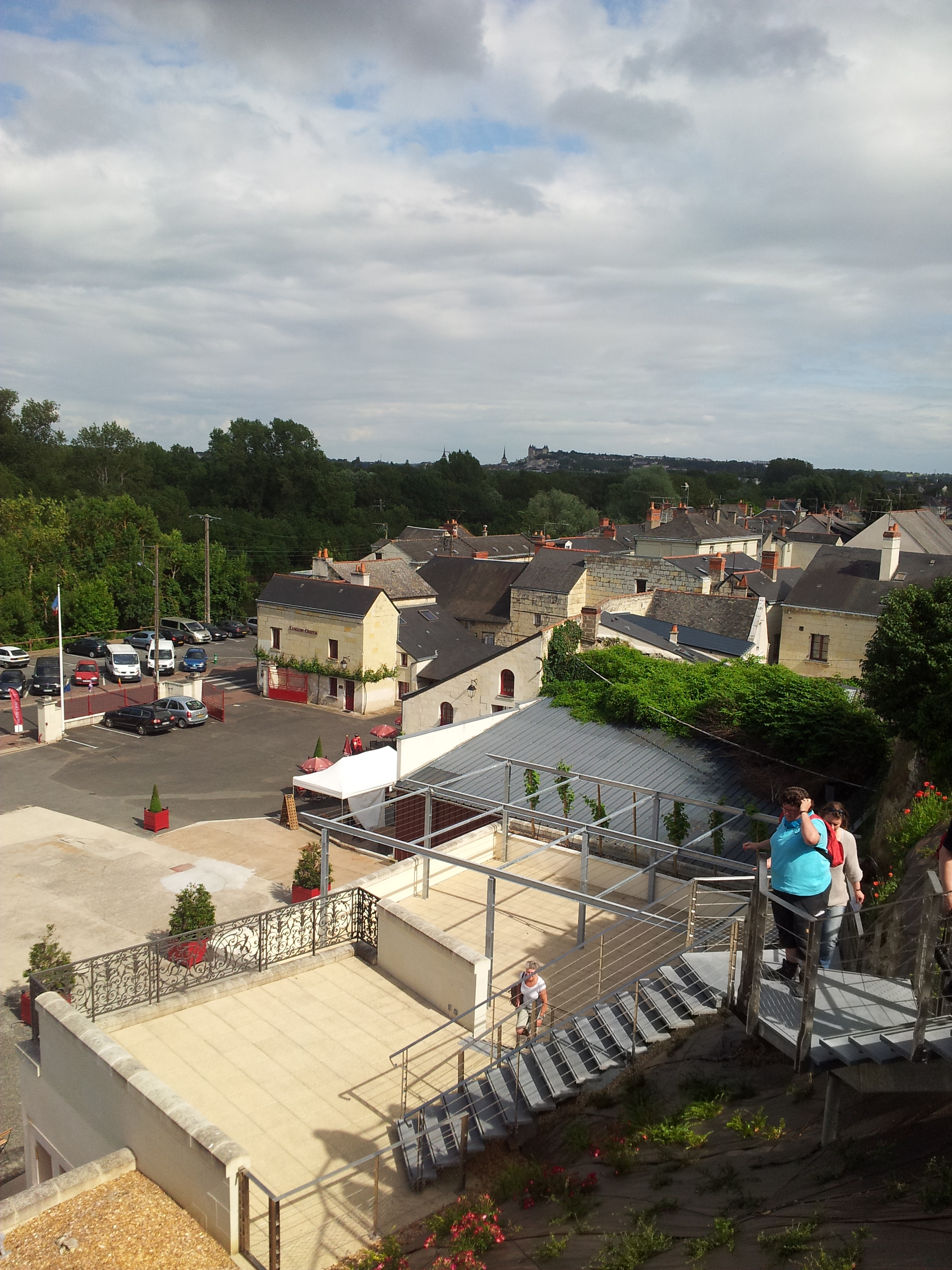
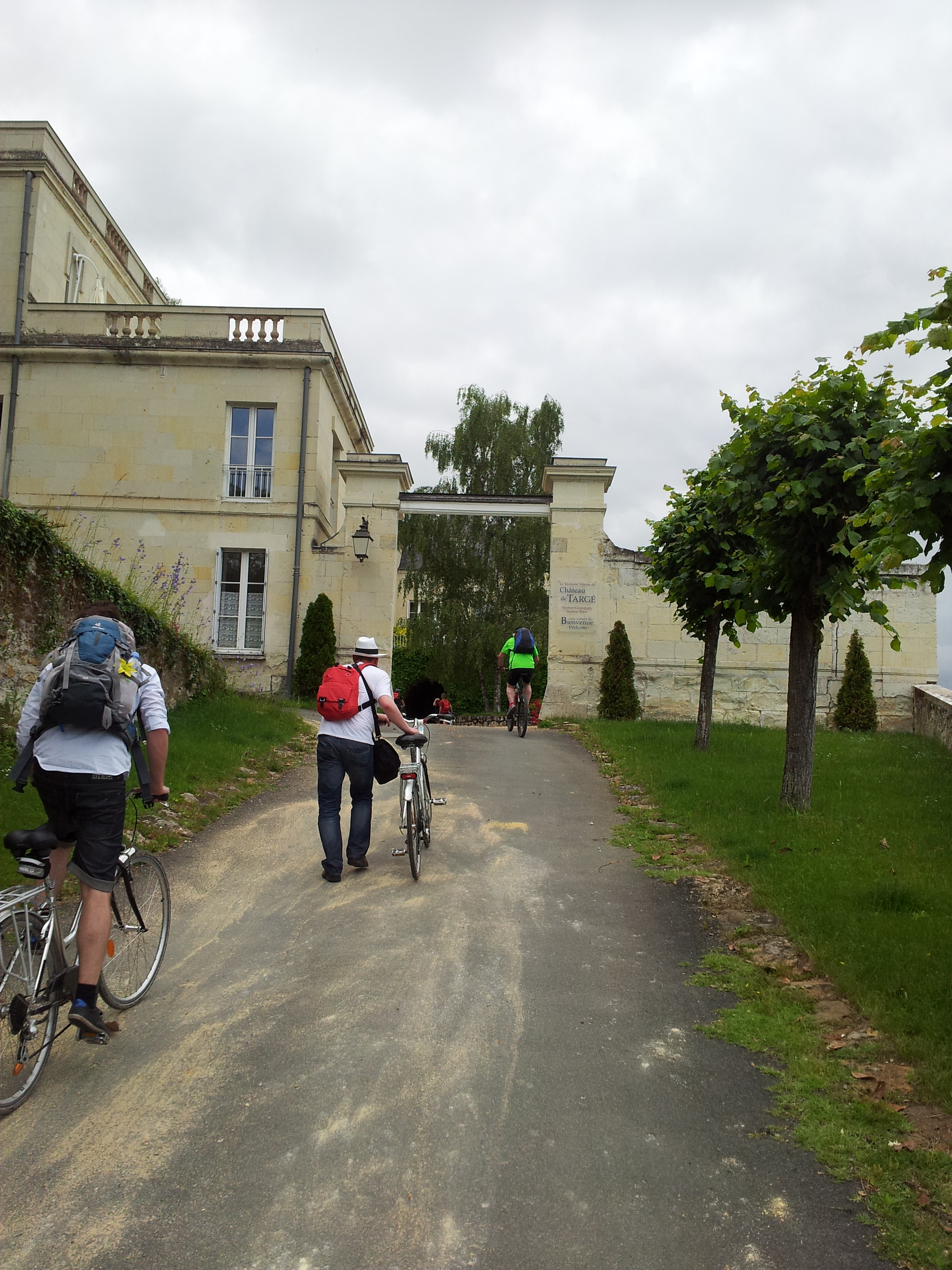
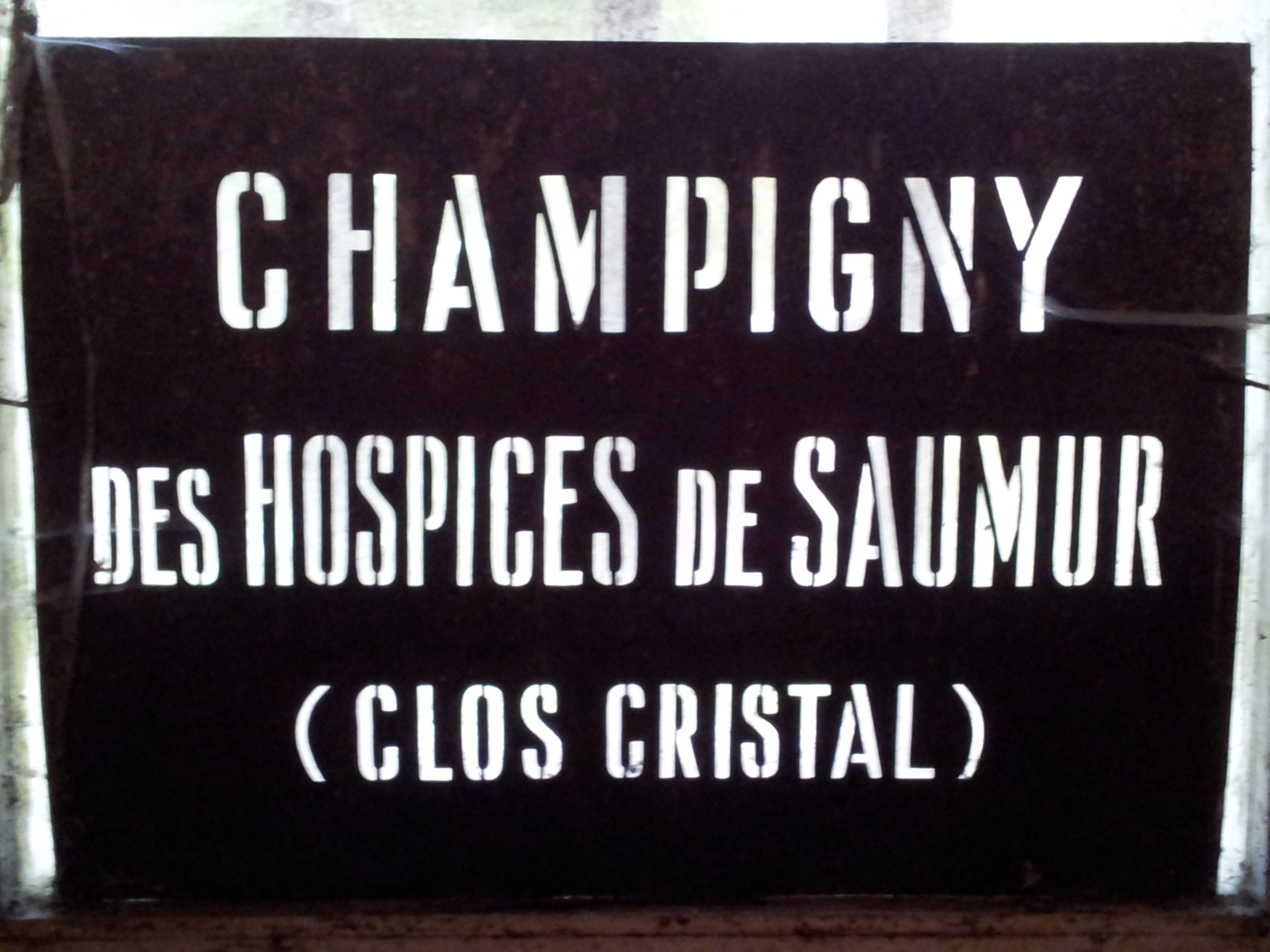
2 Vineyards you should also try to visit are ‘Clos du Cristal’ and ‘Chateau de Targé’, there are 2 reasons for this, first of all for the wines and second of all to hear them  talk with all their passion about their life work  … oh and also because the vineyards are beautiful… I’ll let the pictures speak for me 🙂


In case you would feel hungry, I would suggest going to restaurant L’Hélianthe and here again, the pictures will do the talking.

I really hope that all of this has convinced you to travel to the Loire! I enjoyed it very much, even with all the effort of cycling :-). For more info on the Loire you can always look on the website of Vins de Loire

My Loire adventure by bike: part 2

Lucky for us we could start our first day of cycling in sunny weather. For me it was a little bit to warm (or I was just dressed to warm), because it sure wasn’t because of my bad shape ;-). The first day took us from Tours to Rochecorbon

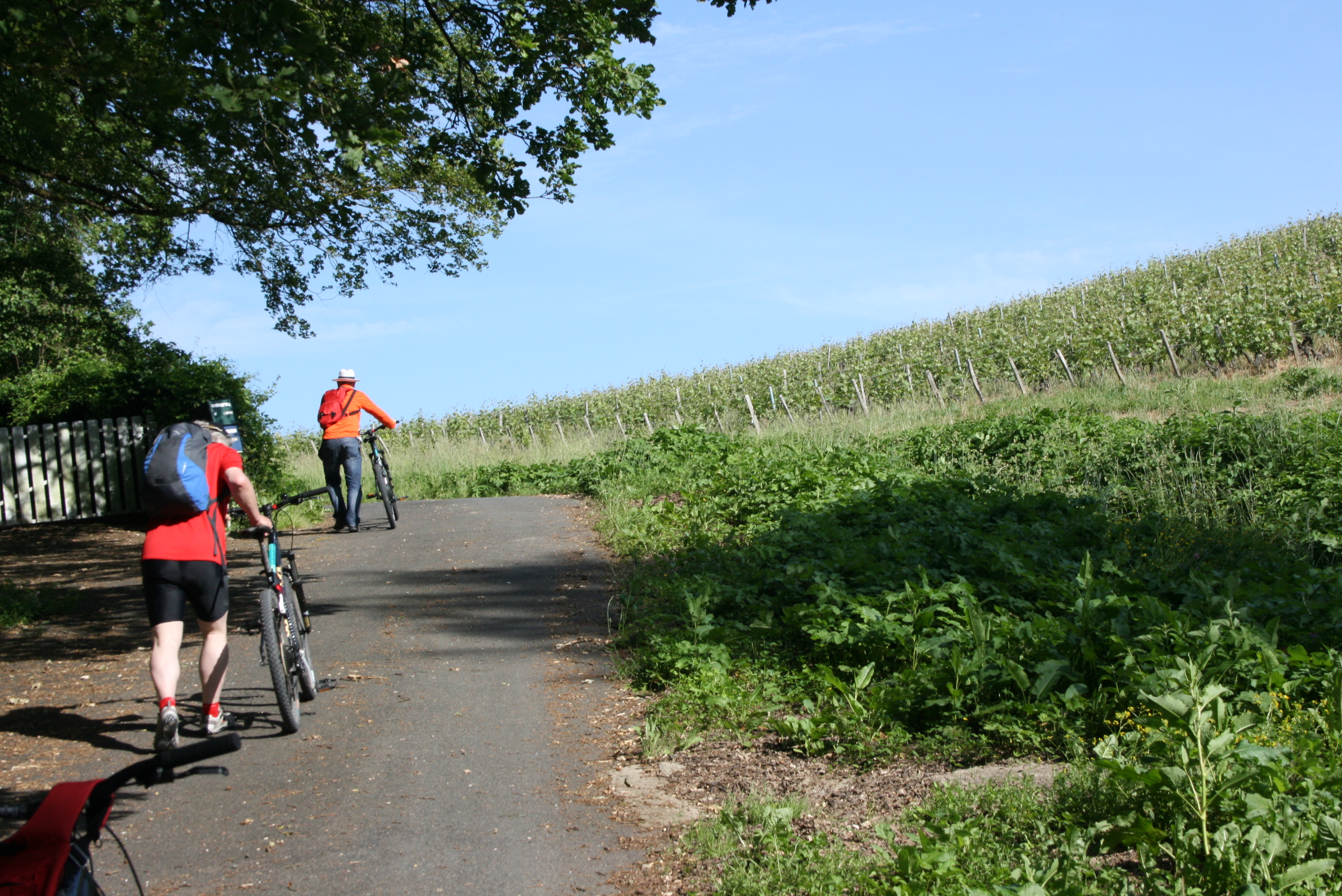
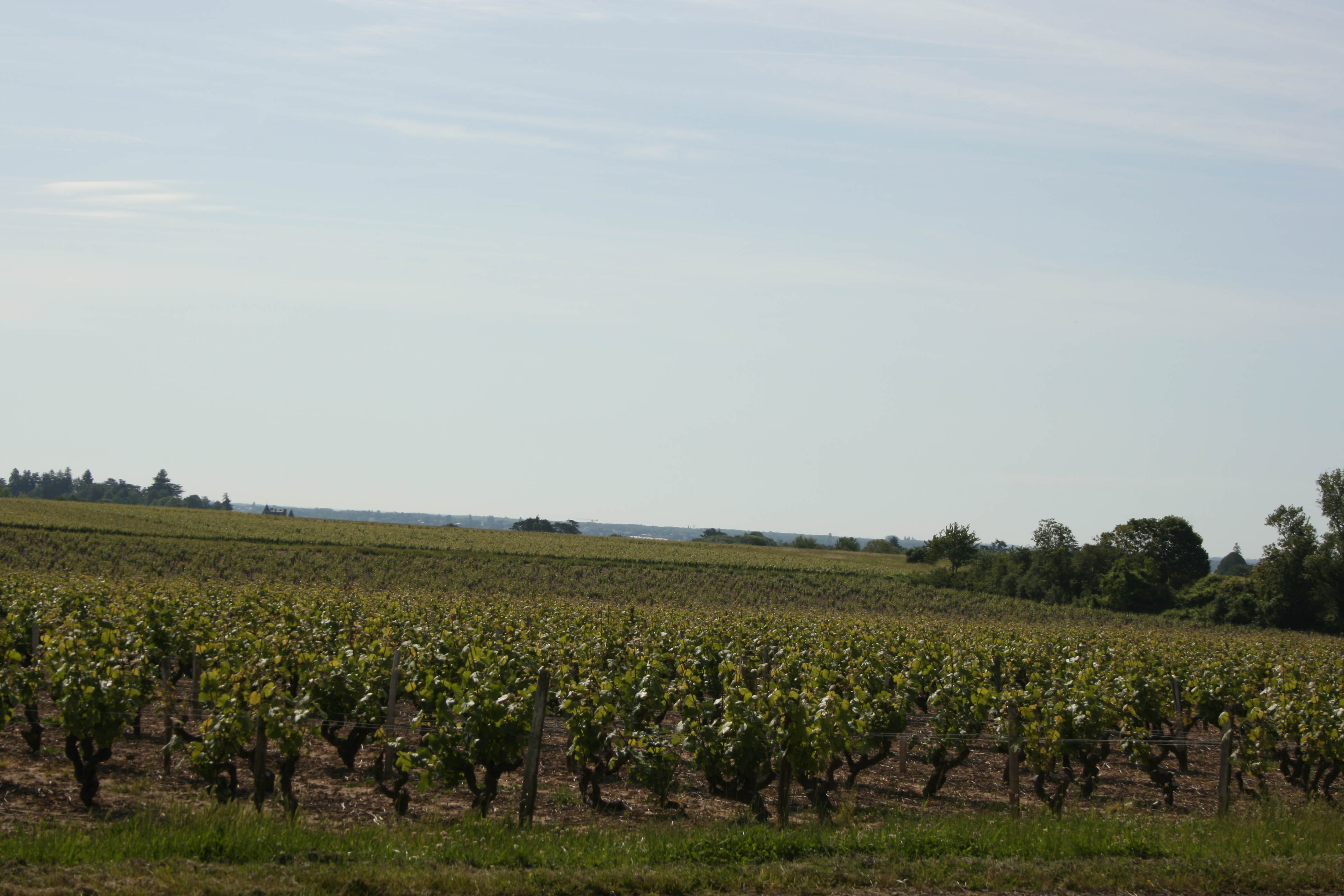
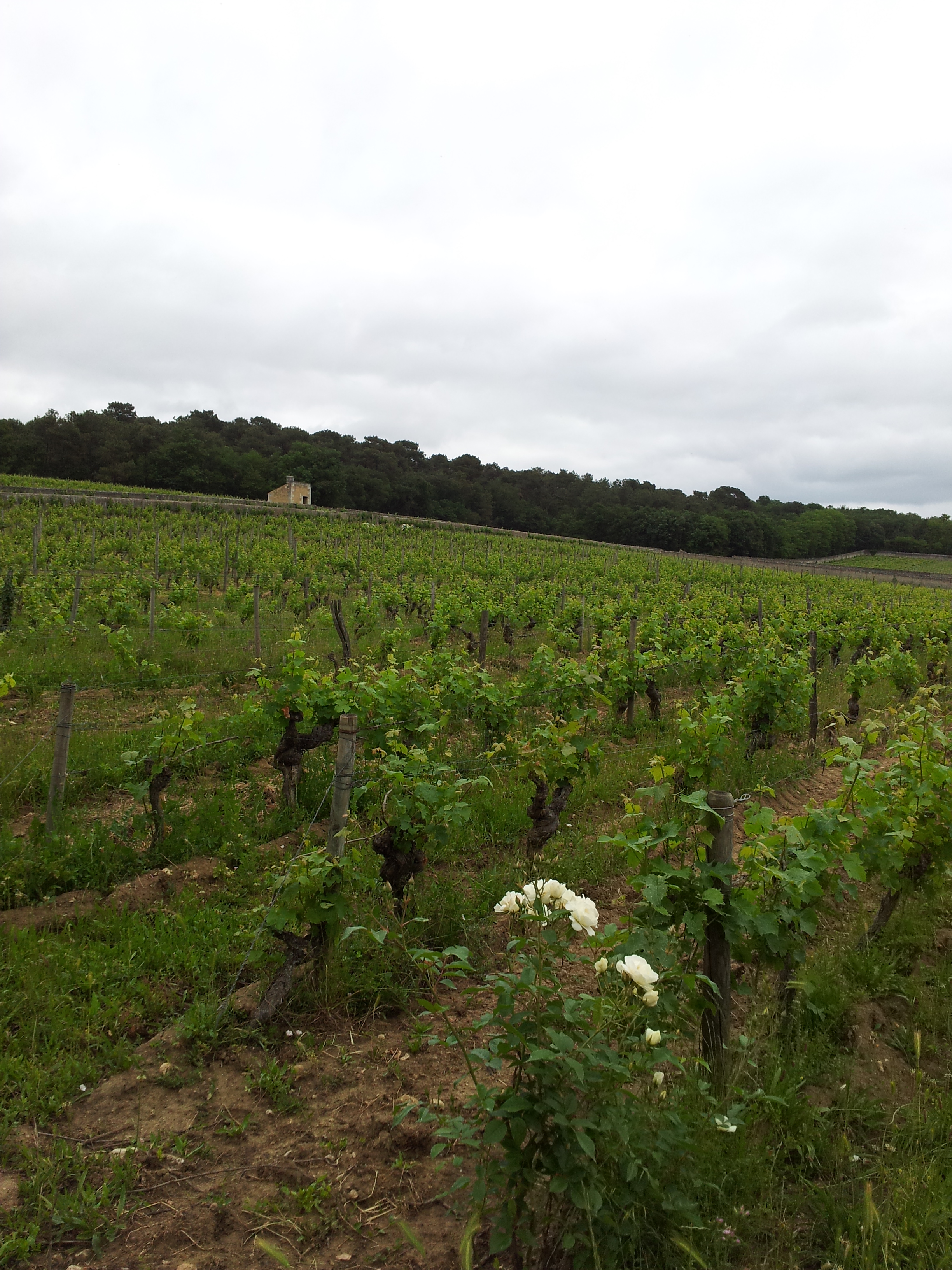
To get to our first vineyard ‘Maison Brédif’ located in Rochecorbon, we cycled through the beautiful vineyards or Vouvray. This thanks to Christophe Marzais (from Détours de Loire) our guide. What seemed for a walk in the park for Christophe, was a little tougher for the rest of us 🙂 (not the downhill part)

But the ‘paysages’ were really nice!

Where are my manners, I’ m always talking about us, but I didn’t even introduce my cycle buddies… Please find my cycle buddies on the picture below (They made the trip even better!). FYI, we just came of our bikes when this picture was taken, so nooooo judgment please 🙂

As said, our first stop was at vineyard ‘Maison Brédif’ located in Rochecorbon.  Founded in 1893!

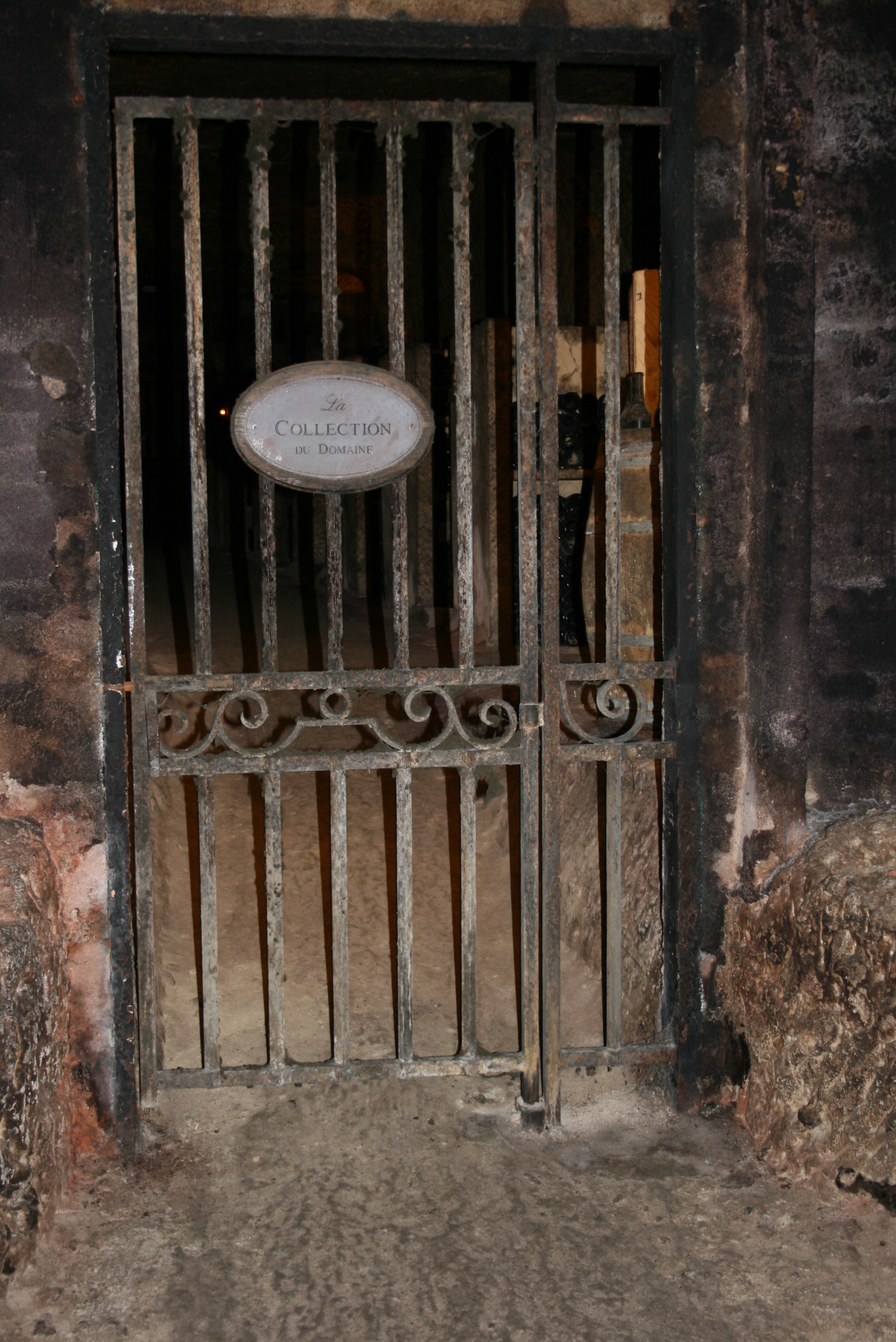
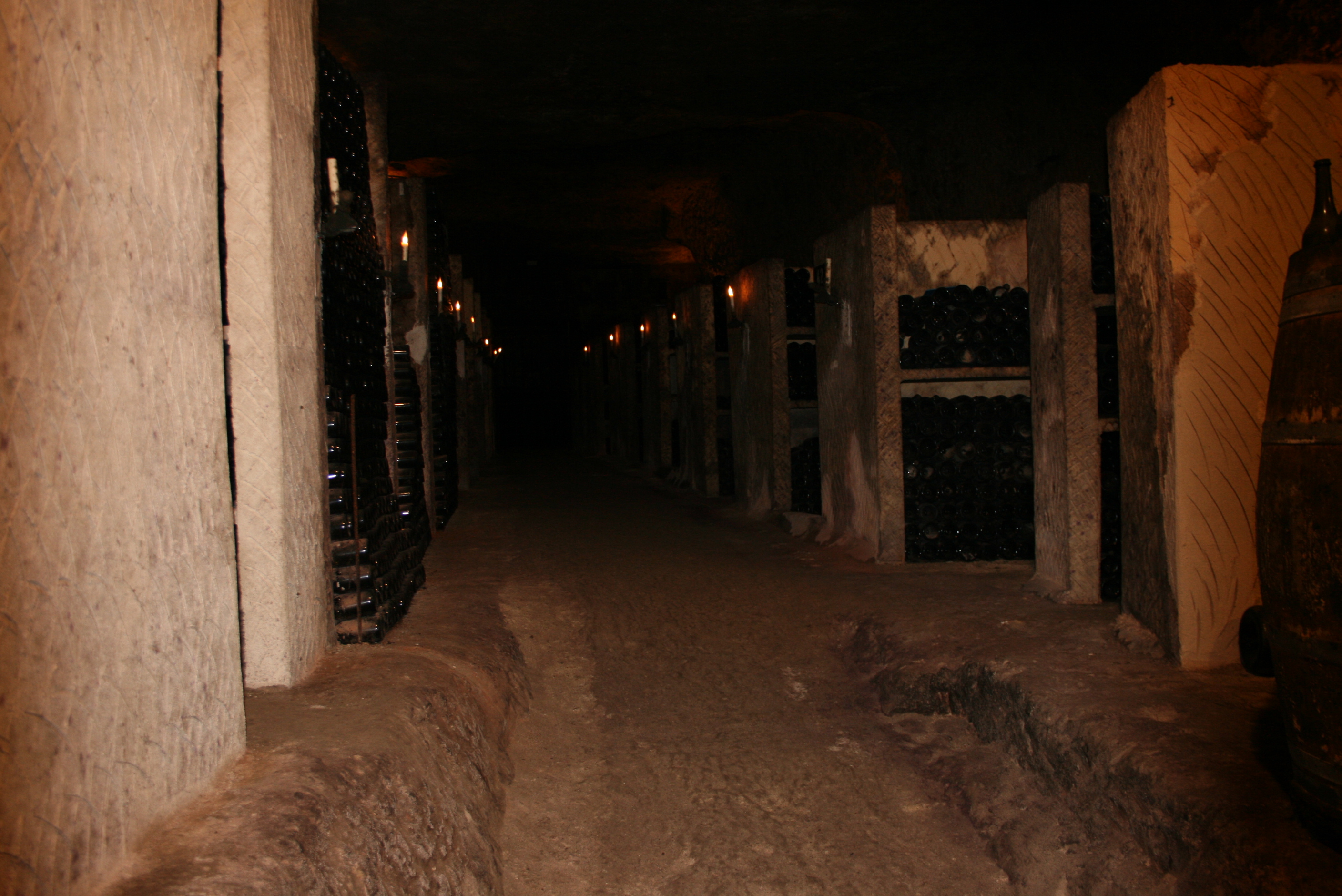
What I liked about all the vineyards  we’ve visited (also at Maison Brédif)  is that you can really see and feel the history they’ve all been through and they have the most beautiful cellar you could possibly imagine (If I think of wine cellars, these are the ones I think about). So I would really recommend if you would come to the Loire valley, to stop at some vineyards.

Ok, now it might get a little bit technical, but what do we need to know from the region around Rochecorbon/ Vouvray? Maybe the diversity of the soil here, that changes from parcel to parcel. It goes from very sandy clay to chalky clay… which results to a big difference in the flavor the grapes will be having (even if they are the same kind of grapes). If you don’t believe me, just pick a grape on every different type of soil and compare 🙂

Even though you can also find red wines in the Vouvray region, it are mostly the white wines that are well known (and best, if you ask me). FYI, all grapes get picked by hand!

Of course we also tried wines 🙂 , that was the reason of all the effort of cycling, right? If I would and could generalize the Vourvray wines (but maybe I shouldn’t, but I will 🙂 ) I would say that most Vourvray wines are actually sweeter wines with touches of exotic fruit like pineapple or Quince .

The most special wine we were fortunate enough to taste was the Vouvray Collection from 1959, which got a cognac color during the aging process. FYI, did you know that normally white wines are better for aging for years instead of red wines?! (Neither did I, so never too old to learn). You would think it would get sweeter, but it doesn’t 🙂

After this last tasty wine at Brédif, we jumped (more or less) on our bikes to head towards the Vitiloire wine fair. But more about that in the next blogpost…

My Loire valley adventure by bike

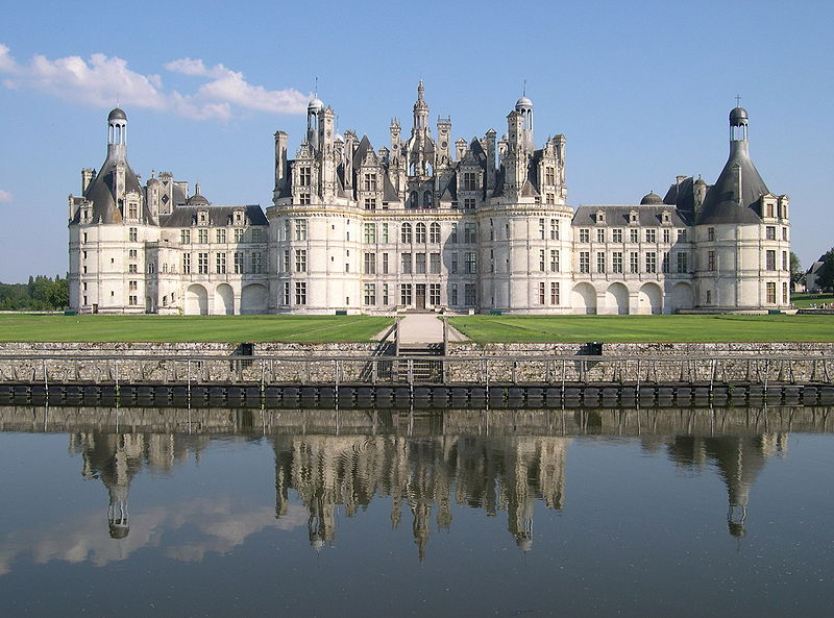
What does one think about when thinking of the Loire Valley? Most people (including me) would b say that the first thing they think about is castles, which is indeed something we cannot ignore. Chateau Chambord would be one of the famous ones, but there are many more beauties across the valley.

What surprises me though is that not so many people would be think of wine when they think of the Loire, unlike for example Bordeaux where people would instantly think of wine. I can say for a fact that the Loire valley is one of the regions with some of the best French wines just think of Sancerre or  Pouilly Fume as most welknown, but there are also wines like Chenin Blanc, Chinon, Cremant de Loire, Malbac,….

When they first asked me if I wanted to join to do a wine tour through the Loire valley, I didn’t hesitate long. First of all because I had never been there and secondly I was sure that I would actually see that the Loire Valley is more than ‘Chateaus ‘. What I didn’t really didn’t take into account, was that it was a tour through the Valley by bike :-).

I honestly have to admit that I have underestimated the bike ride, not that I’m so out of shape, but some of those climbing’s were pretty tough! BUT, I’m really glad that I did it by bike as I got to see things that you just would see when taking a tour bus or car. The next best thing would be doing it by Vespa 🙂

We obviously couldn’t cycle through the whole Loire valley in 2 days. For the first day the choice fell on Tours which would be seen as the capital of the Loire Valley and the second day we would be visiting the region around Saumur.

Stay tuned if you want to read more about my adventure in the Loire valley….


Verona, more than Romeo and Juliet

First of all, sorry that I haven’t been posting for a while… the reason for that was that I needed to study for an exam related to my job and therefore not too much time was left to write blogs. BUT  the good news is, that I passed the exam and that I can now blog again 🙂

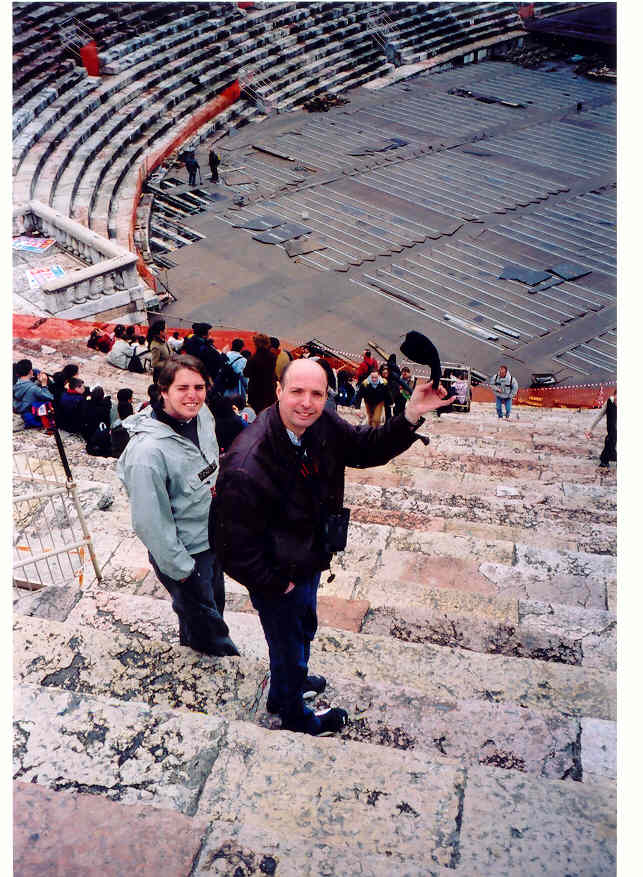
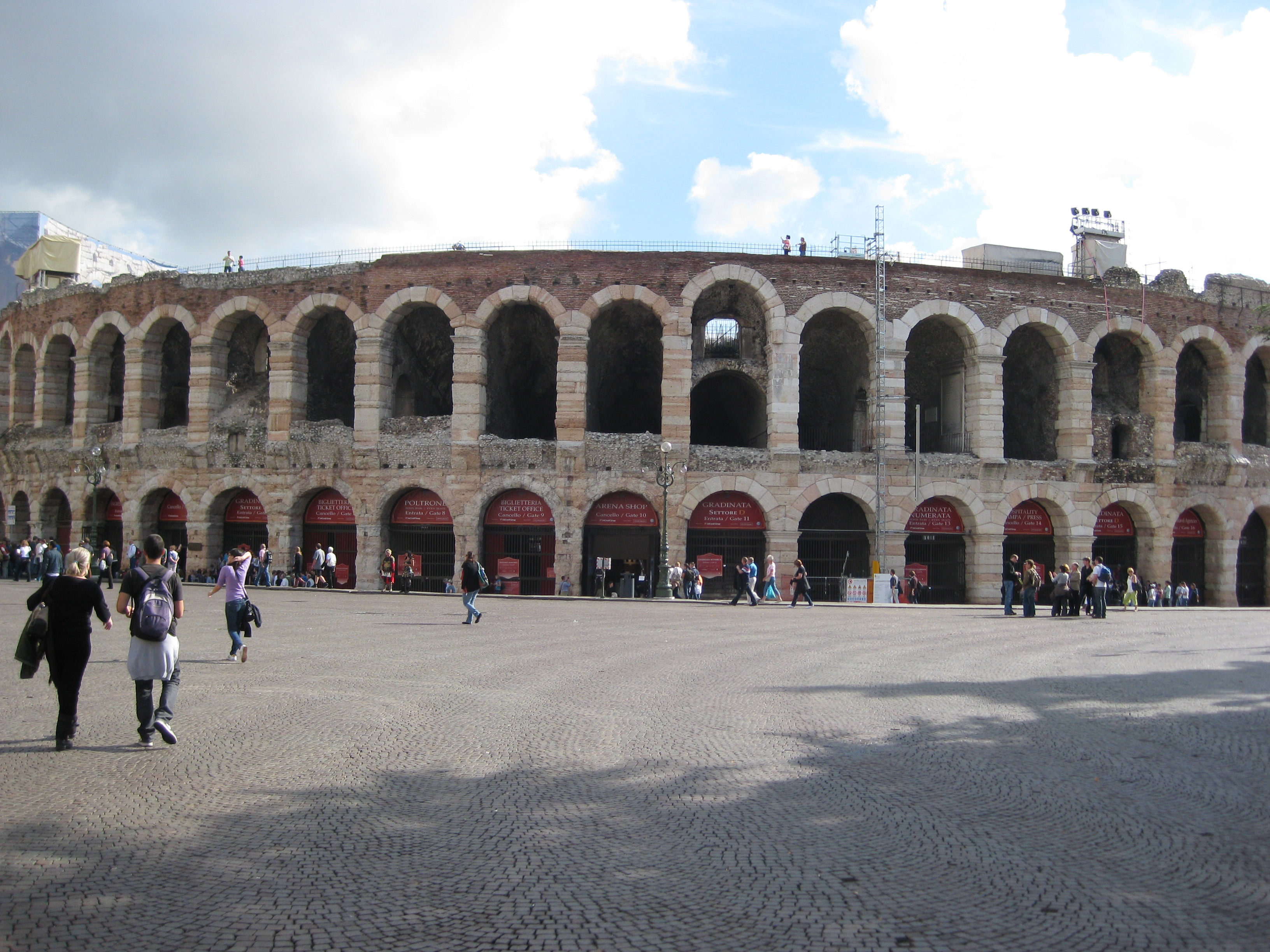
This I want to talk to you guys about one of my favorite cities in Italy, Verona. You know, the city of Romeo and Juliet…. Although this city and the region around it has so much more to offer than Shakespeare’s tragic love story. Like lots of Italian cities, Verona is also filled with history. Did you know that Verona has an arena like the Coliseum  that is still used today ? An absolute must would be seeing Giuseppe Verdi’s opera Aida , even for people who don’t really have a thing for opera, you cannot believe the magic hanging in this Verona Arena on summer evenings filled with lights. Trust me, this is an experience you DO NOT want to miss.

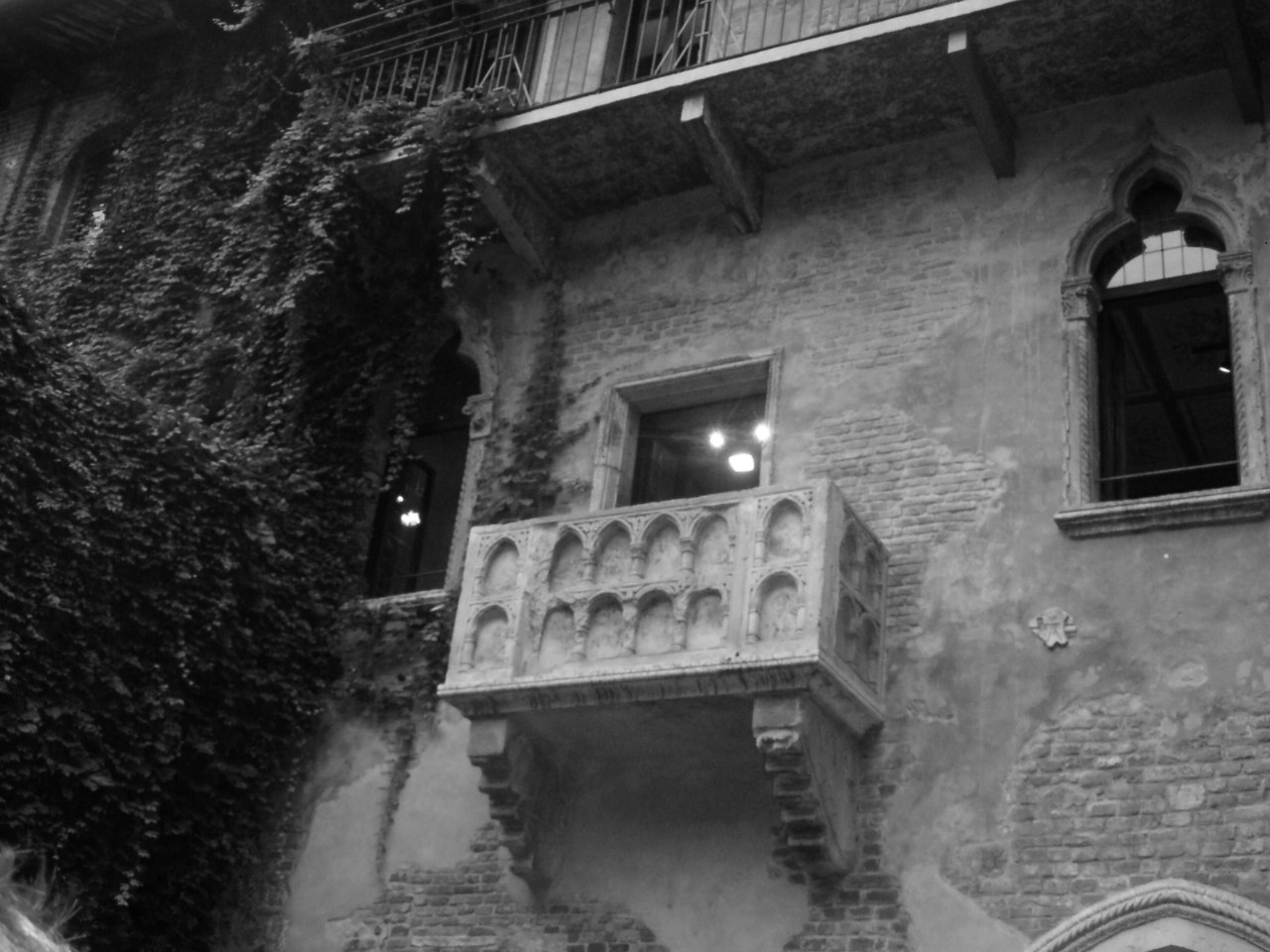
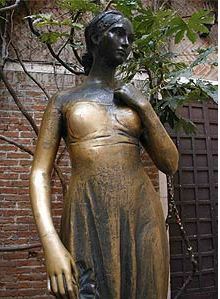
Like I said before, most people know Verona as the city of Romeo and Juliet, so a visit to the famous balcony won’t hurt anybody J FYI, it is said that it brings luck if you touch Juliet’s boob 🙂 I’m sure you’ll know which one to touch, as that is one shiiiiiiny  boob 🙂

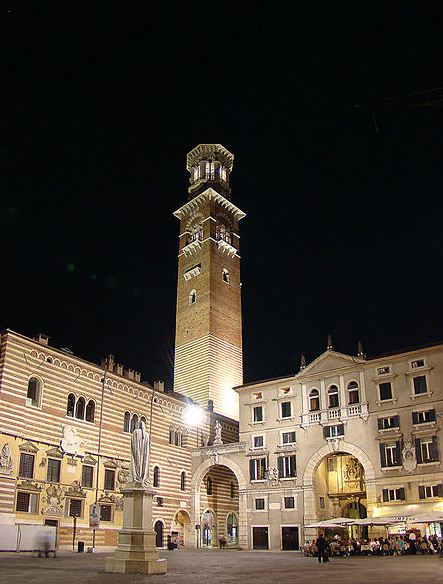
Verona is an open-air museum, every street holds hidden treasures, not that I’m somebody who wants to know where every stone of an ancient building was made, but if something is beautiful… it just is 🙂 like piazza delle erbe, piazza dei Signori, etc…  Although I have to admit that the charm Piazza delle erbe had before with the open-air market  is not there anymore, as they now replaced it with some fixed souvenir stalls… but good things the buildings around it are still breathtaking beautiful

Walking and actually being in this city always makes me happy, and not only because of the thought I’ll be having great food :-). Speaking of which 🙂 🙂 This is another reason to come to Verona (but this I could say for a lot of places in Italy).

Especially the wine, as man do they have great wines with the Amarone as the ‘top’ of the bill . The reason this wine is so special, is that after the grapes are picked they dry the grapes in wooden boxes and with the juice that they catch they make the Amarone, with the grapes left in the box they make the Ripassa or Ripasso  (which means re-use). My preferred Valpolicella vineyards (this is the region where Amarone gets made) would be Buglioni , Le Salette  and from the bigger producers it would be Masi and Allegrini. Other great wines from this region are Bardolino, Lugana (white) and Soave (white), but I’m sure Bardolino sounds the most familiar (as the town is right at the Garda lake). I would really advise you to visit one of the vineyards!! The vineyard of Masi is quite impressive.

In case you are a true wine lover, I’ve got something even better. Every year around March/April all the Italian (and also a lot of foreign) vineyards  set sail to VinItaly. Vinitaly is one of the most important and biggest wine trade fairs around  and more the 4000 exhibitors are present for over 50 000 visitors from over the whole world. I’ve already been a lot of times to this trade fair, and it is impressive and I highly recommend to already plan which wine houses you want to visit at the fair. (and to keep eating while you taste, you’ll thank me at the end of the event 😉 )

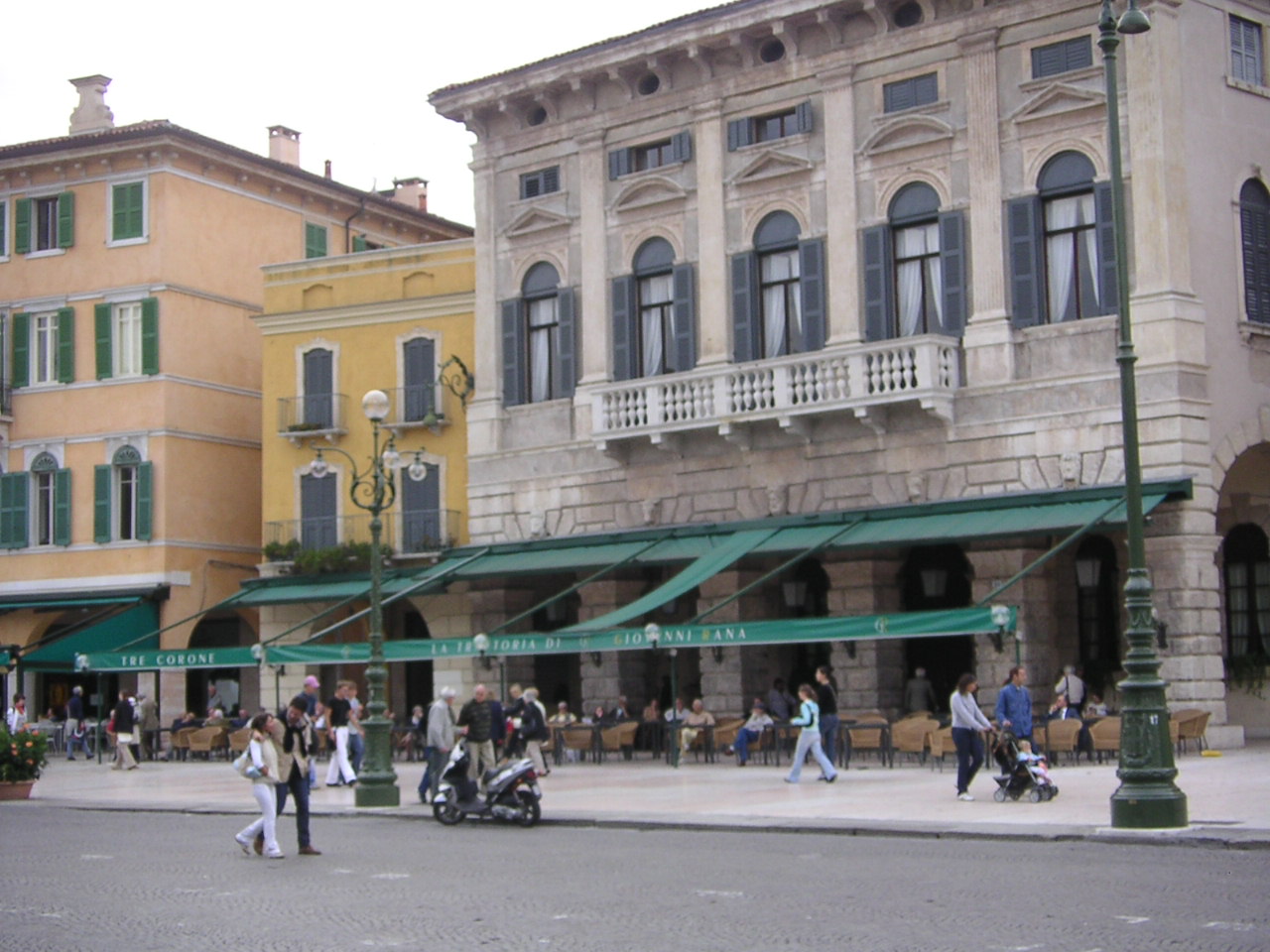
Who says wine, says food 🙂  they just have to go together  (for me anyway). Did you know that Verona is also the town where Giovanni Rana (from the ravioli you in supermarkets) comes from and you can find a restaurant from Rana right across the Arena, where you can see how they freshly make the pasta …. I’ve not been here yet though …

When I go to Verona, there are only 2 restaurants/osteria’s I want to go to. There are probably a lot of great restaurants, but these who are just tooooooo good and NOT touristy and that is what is all about when you’re somewhere!

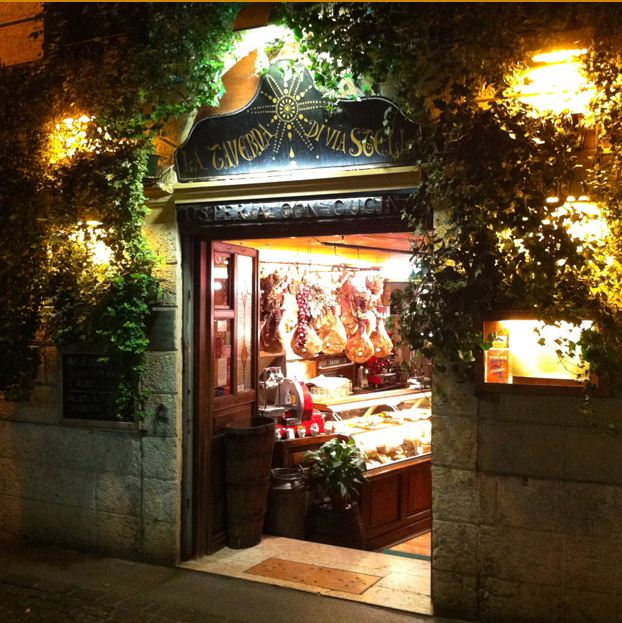
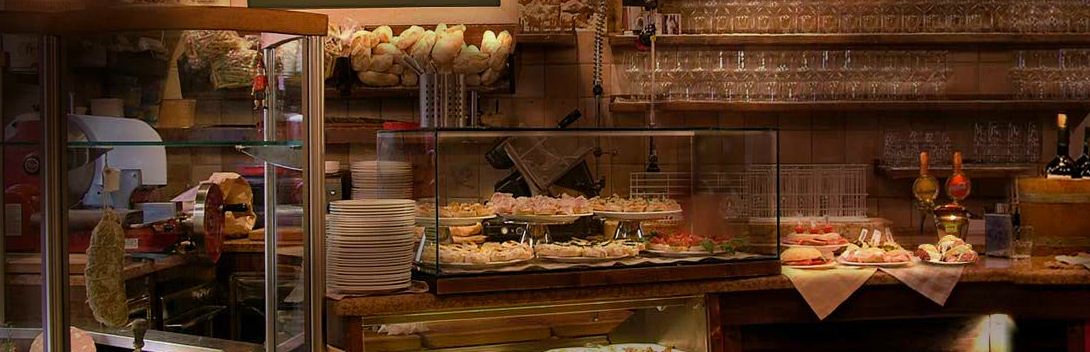
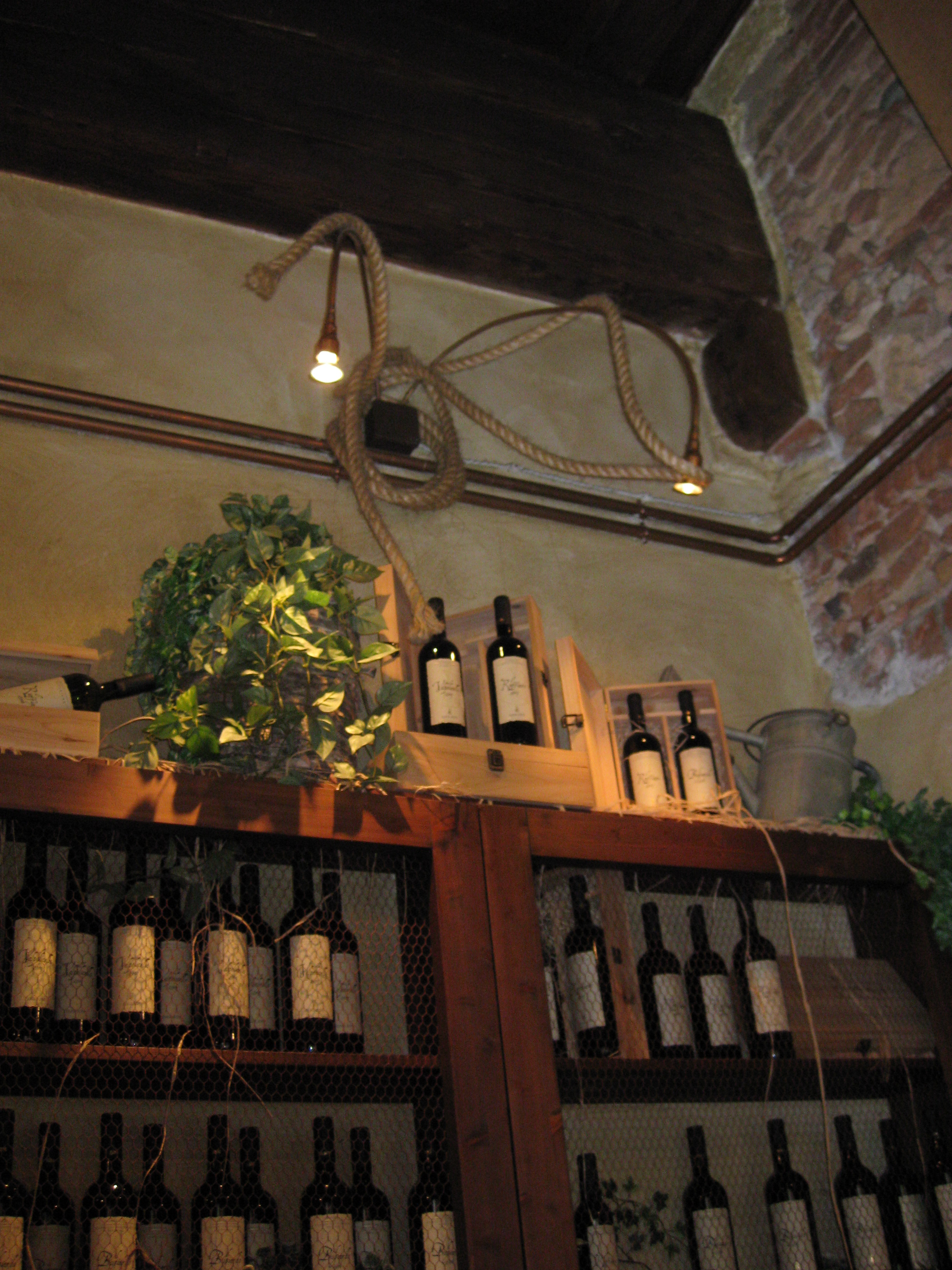
The first one is the ‘Taverna di via Stella’, this is also my dad’s favorite restaurant in Verona, every year we were at VinItaly we had to have at least 1 meal here 🙂 . It might look a simple place, but the food is wonderful  (local cuisine) and a very good choice of wines local and non-local ,but I always go for local wines.  Look at the picture below, if you don’t feel like going when seeing that picture or open the website… I don’t know what will convince you? (just picture that ham on a plate with a glass of Amarone, mmmm)

My other place of sins I love going is actually the Osteria del bugiardo  from vineyard Buglioni.  .Fresh made food with great Buglioni wines, the best combination.  Like Taverna di via stella, this is also a place where only local Italians come … and you can also buy their wine here in case you want to take some home  (I like the Ripasso and Valpolicella superiore) . For even more refined dining you could also go to their Locanda in the evening .

Go to these two and you’ll have the best of Verona without any doubt!

For those who would want to sleep in or around Verona, I would suggest to maybe try an agriturismo.

One that I want to a few times was ‘El Pendola’ where Anna Maria tries to make you feel at home. And she really succeeds in this, as I really feel at home every time I stay there.  Buglioni also has a very nice agriturismo .

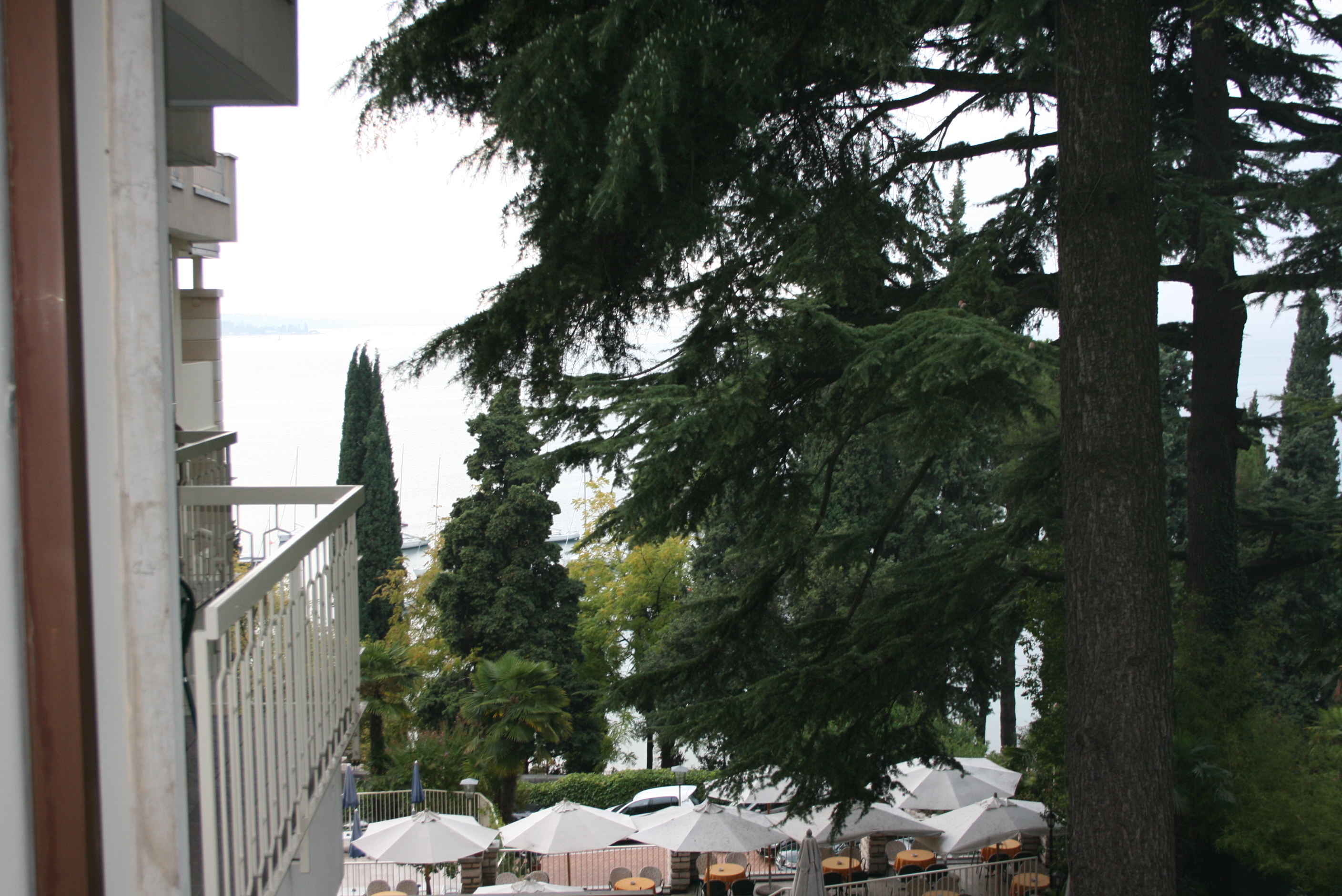
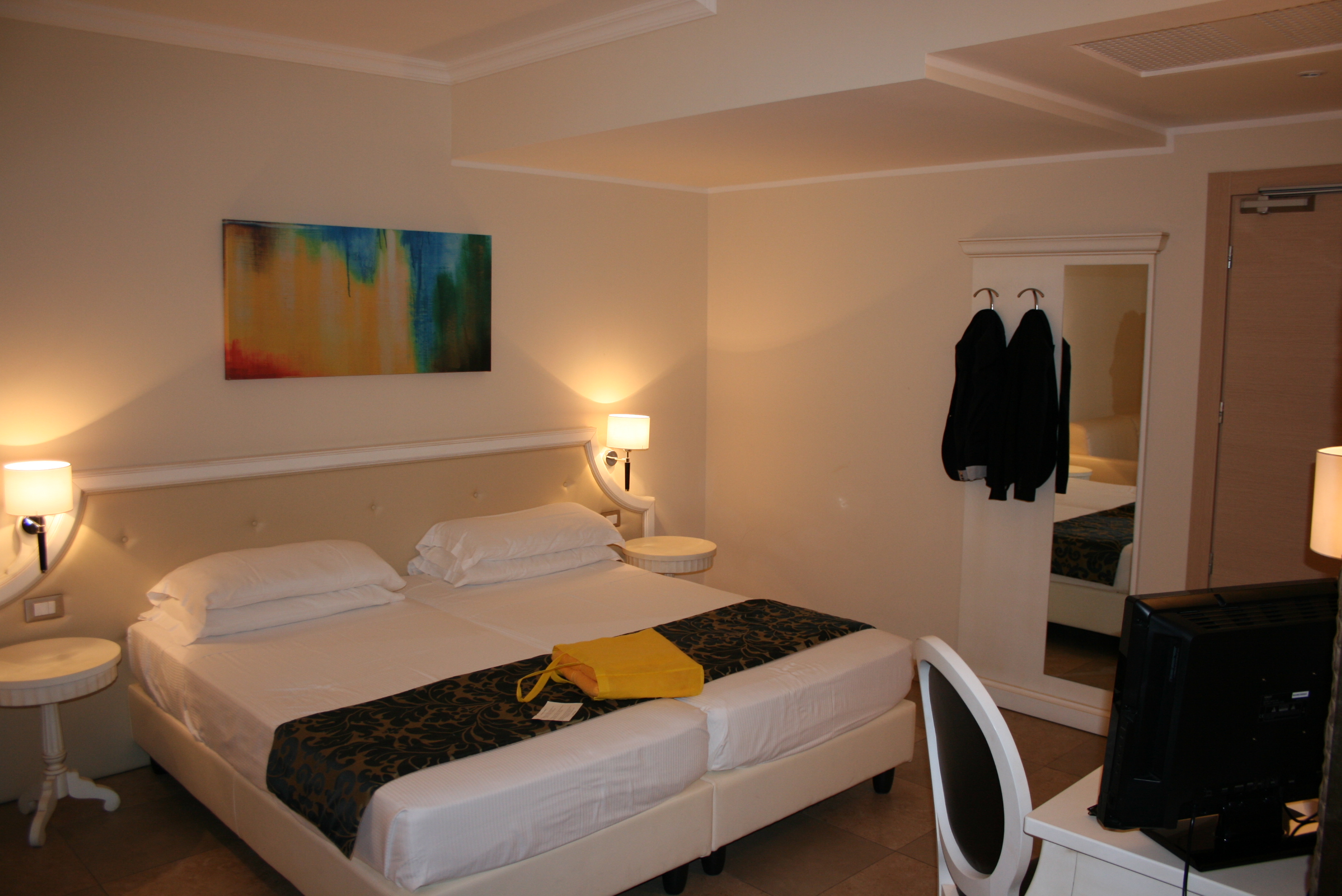
Or what we mostly do with my dad is stay at the Garda Lake, than you’ll have a room with a view 🙂 and a lot of nice places to visit. We already stayed at Hotel Excelsior  which has an incredible view over the lake and is only 15 min. drive (or less depending on traffic) from Verona.

You can maybe do the Strade del vino (Bardolino), but I’ll be posting about the Garda lake really soon.

Hope you feel like going to Verona.

Enjoy

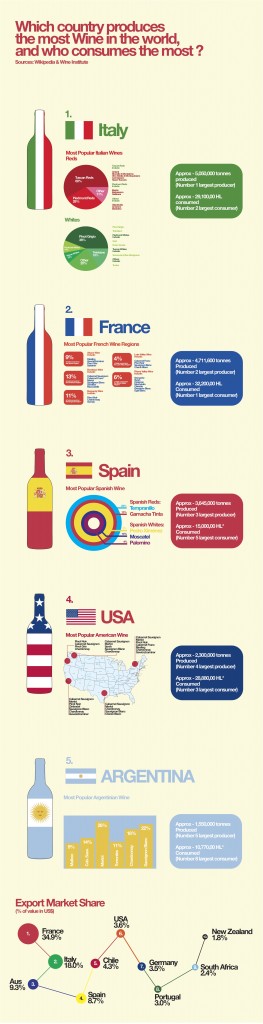
Which country produces and consumes most wine ?

Maybe not a question I’ve been asking myself, but nevertheless interesting to know 🙂

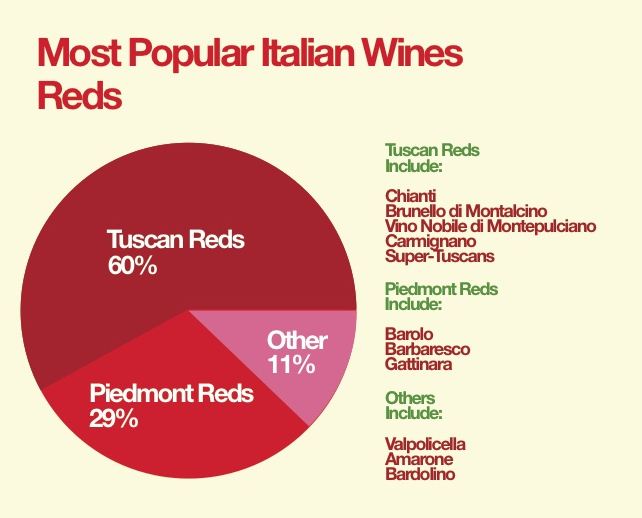
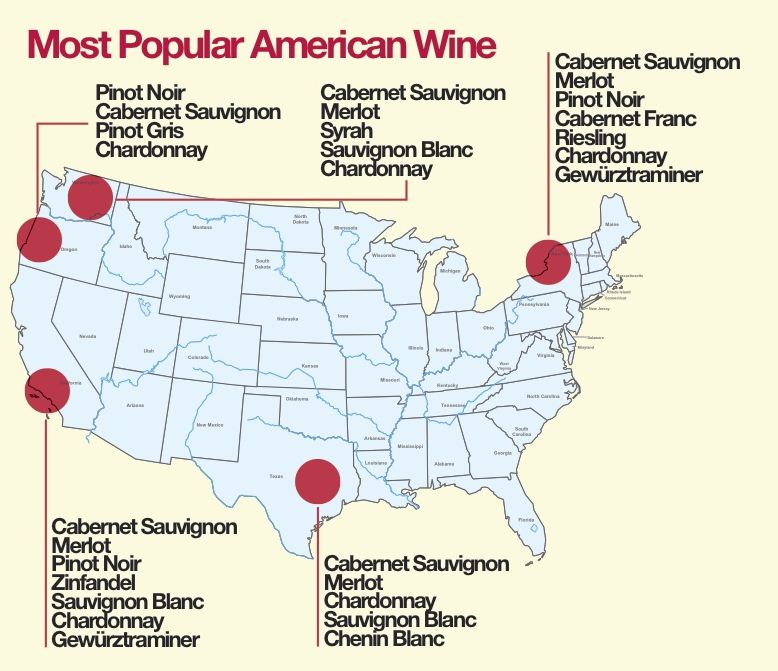
The graphic shows that Italy is nr 1 when it comes to producing most wine with more than 60% being Tuscany wines like Chianti, Brunello di Montalcino, …. But they are 2nd when it comes to consuming wines… as in that area France is the absolute nr 1.

The biggest surprise for me was the many wines made in the USA, and the locations, I thought they only made wine in California…

Please take a look at this  infographic’ in more detail via following link

Not only do you learn more about the consumption, but you also get to know new wines, waiting for you to be tasted

For singles or a whole family

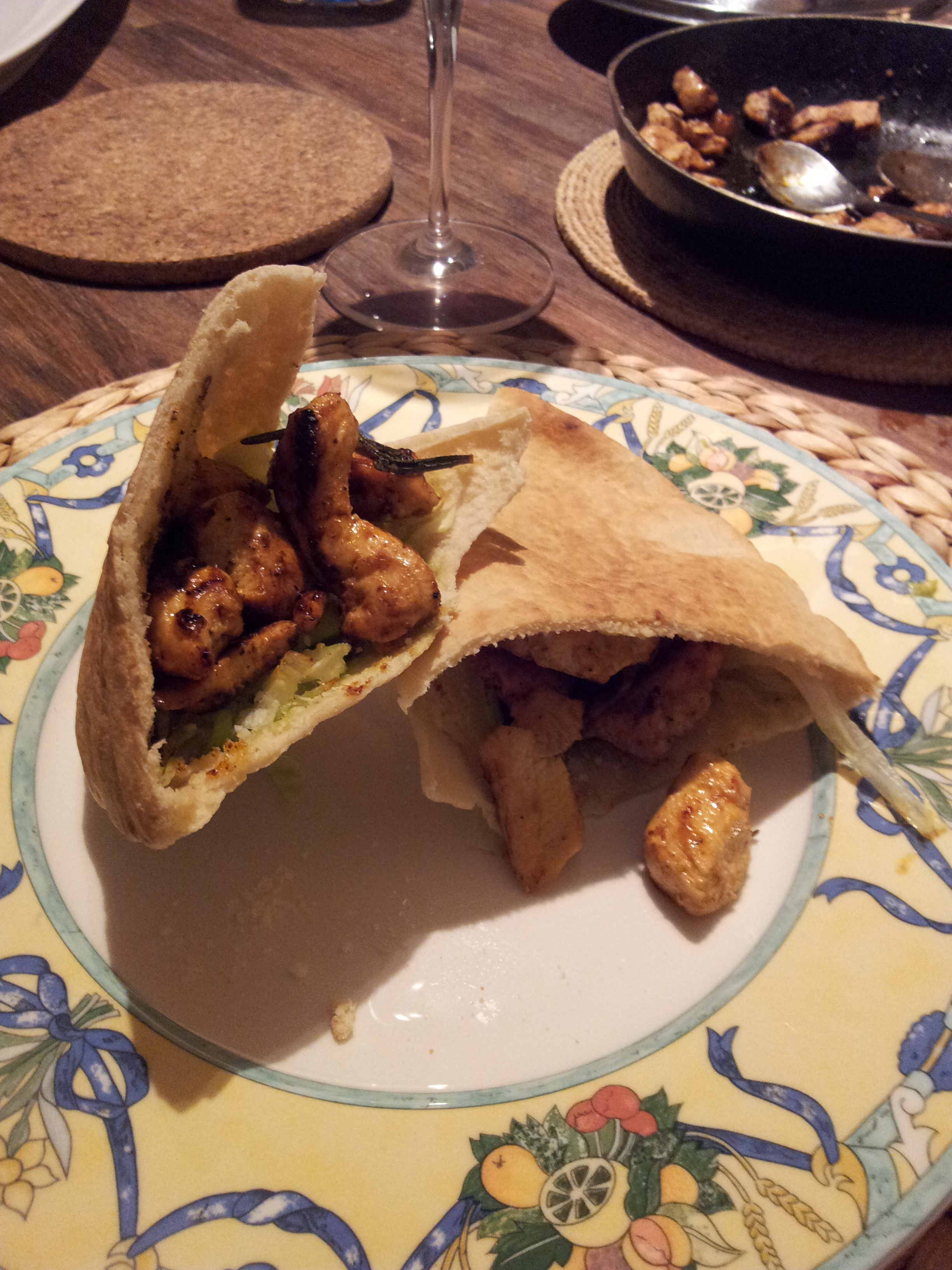
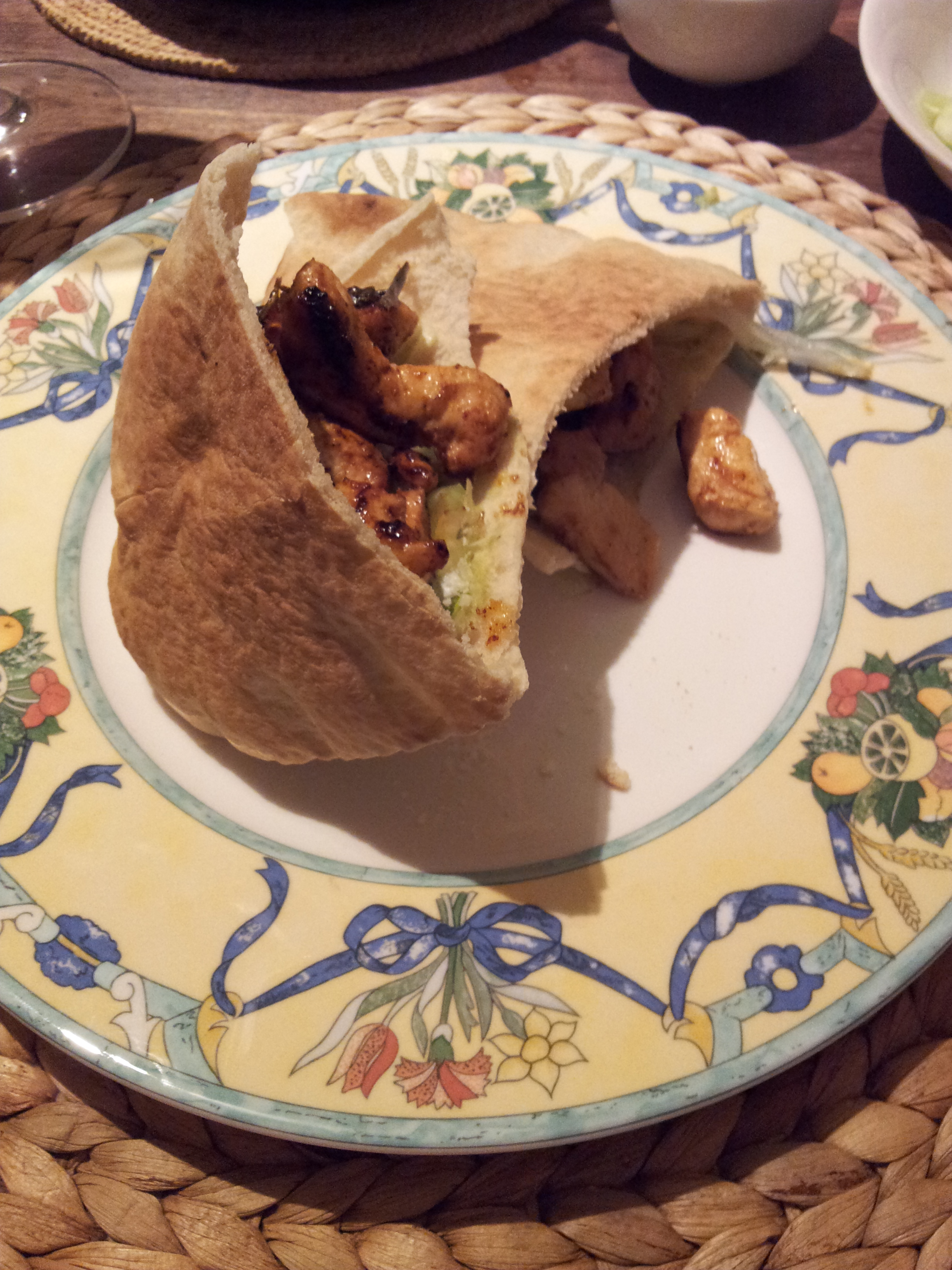
This dish is good for single people, but you can easily make it for a whole family, just by doubling, tripling, etc…  the ingredients. This one is made with chicken, but y ou could also replace it by another meat or even use some fish, or sometimes change the salad, or add tomatoes or a forgotten vegetables, replace the herbs by cumin, or the Guacamole by sour cream. Like every dish you should try to make it until like it 100%

Ingredients:

  • 1 chicken filet
  • Iceberg salad
  • Olive oil
  • Guacamole (you buy it or make it yourself, I’ll give you the recipe anyway)
  • Cucumber
  • 2-3 pita/kebab breads
  • ½ lemon
  • Rosemary
  • Salt, pepper, paprika powder
  • Honey

FYI:

You might ask, what the hell do I do with all the left over ingredients? Well Here are some tips… again for single people, as we don’t throw stuff away.

  • The pita breads that remain, you can just put in the freezer and heat them in a toaster or oven next time you might need them
  • The iceberg salad and other remaining vegetables, you can just use the next day (or two days after)  with maybe canned Tuna in olive oil or with salmon, etc… and use the remaining guacamole as sauce… or you can also make a dressing with the remaining lemon (and add some honey and mustard)
  • In case you prefer buying a whole chicken instaid of a filet, you just put the pieces in the freezer for the next time you might wane use chicken
  • As for the Rosemary, I usually put my fresh herbs in my top freezer drawer, and every time I need it, I just take a bit and put it back (be quick, because once it melts … you cannot put it back in freezer)

Get started:

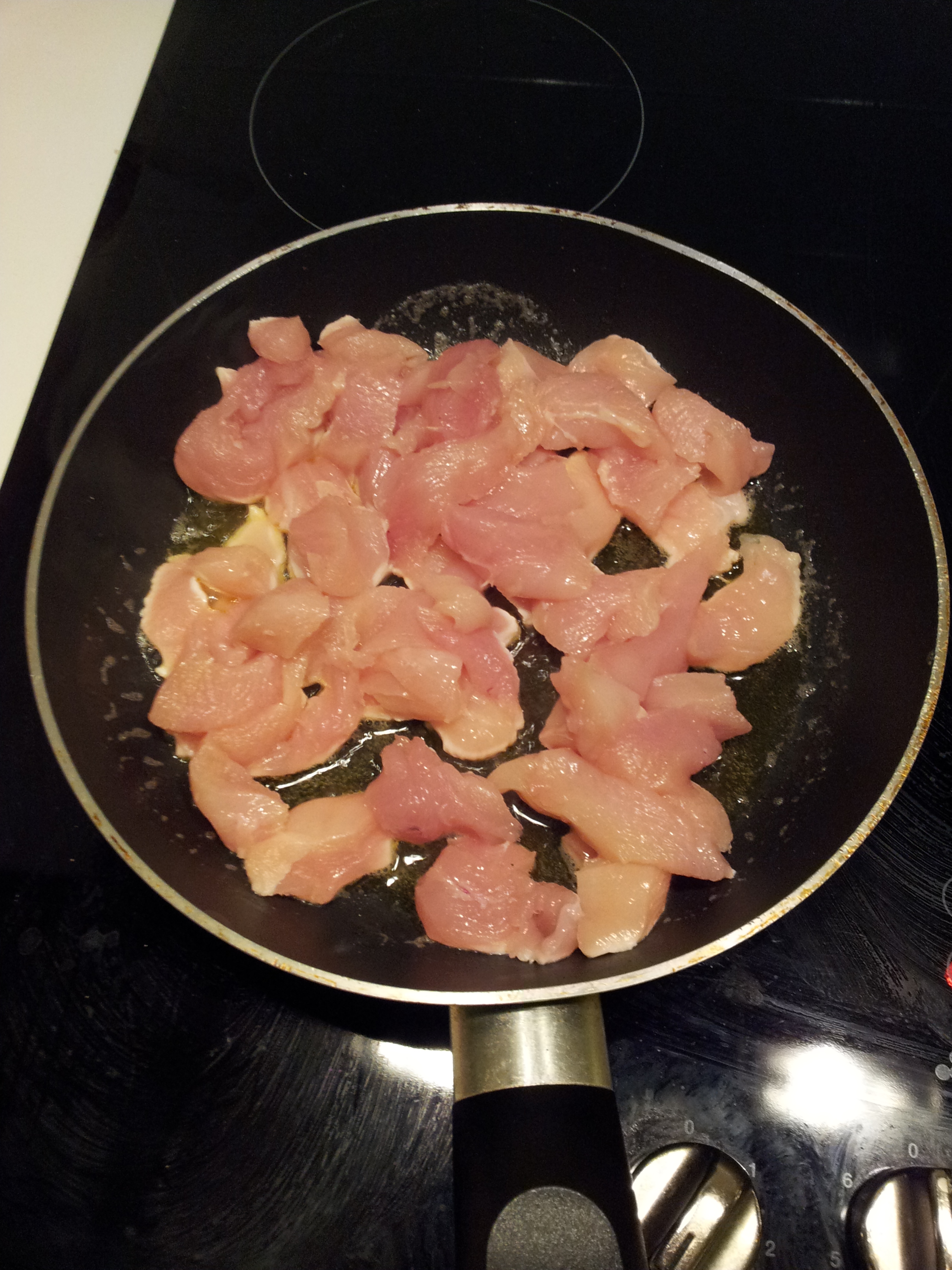
  • Cut the chicken in small pieces.
  • Heat the pan with some olive oil in it. Once oil is hot you put bake the chicken.
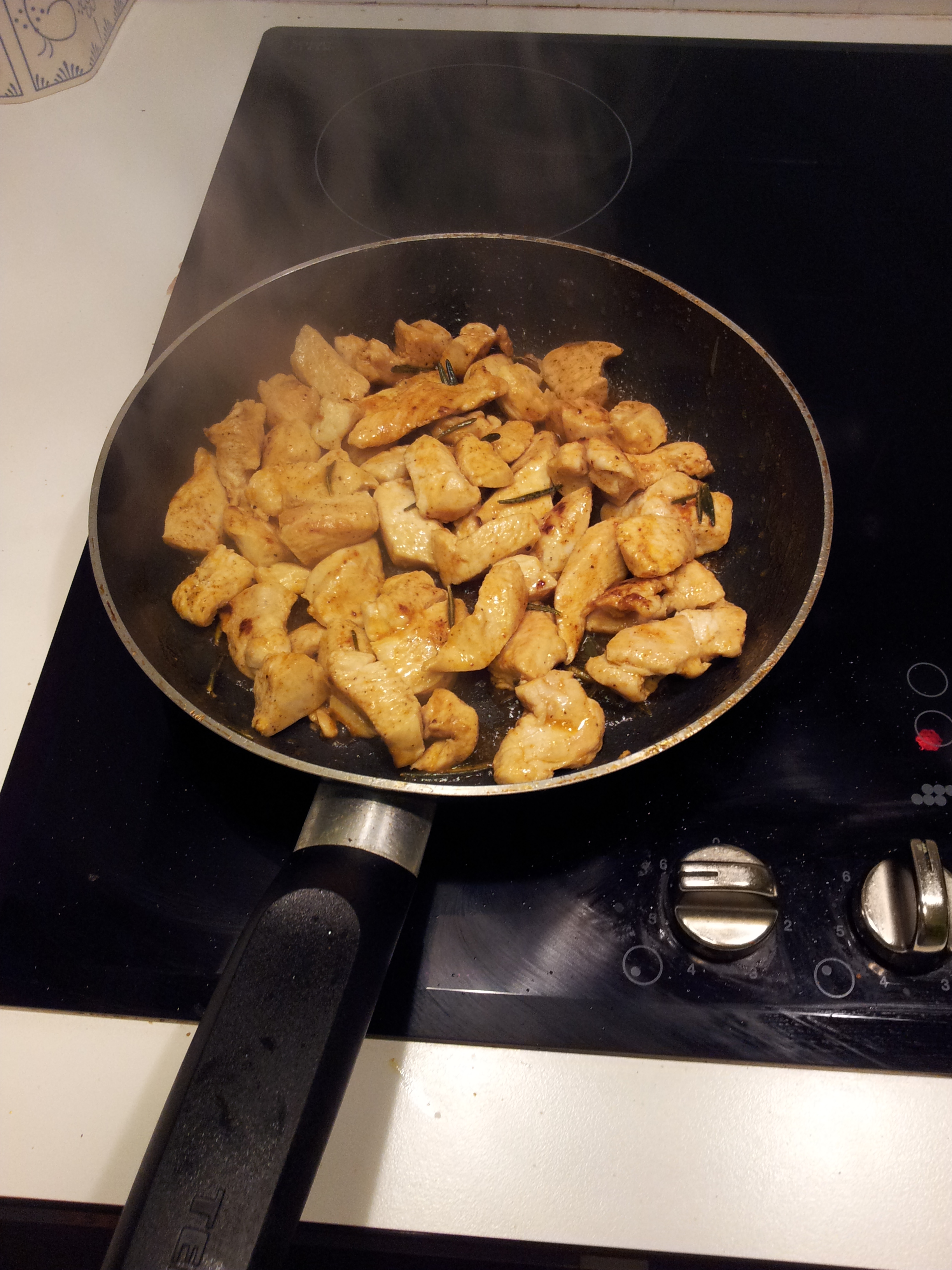
  • Add some of the rosemary (this is upon taste), add a pinch of salt, pepper and paprika powder.
  • Bake chicken cubes until they are golden-brown on all sides.
  • Add the juice of ½ lemon and a drizzle of honey (again, this is upon taste, the more honey, the sweeter it gets).  Cook it until half of the juice is gone. Turn off the heat.

To fill the bread

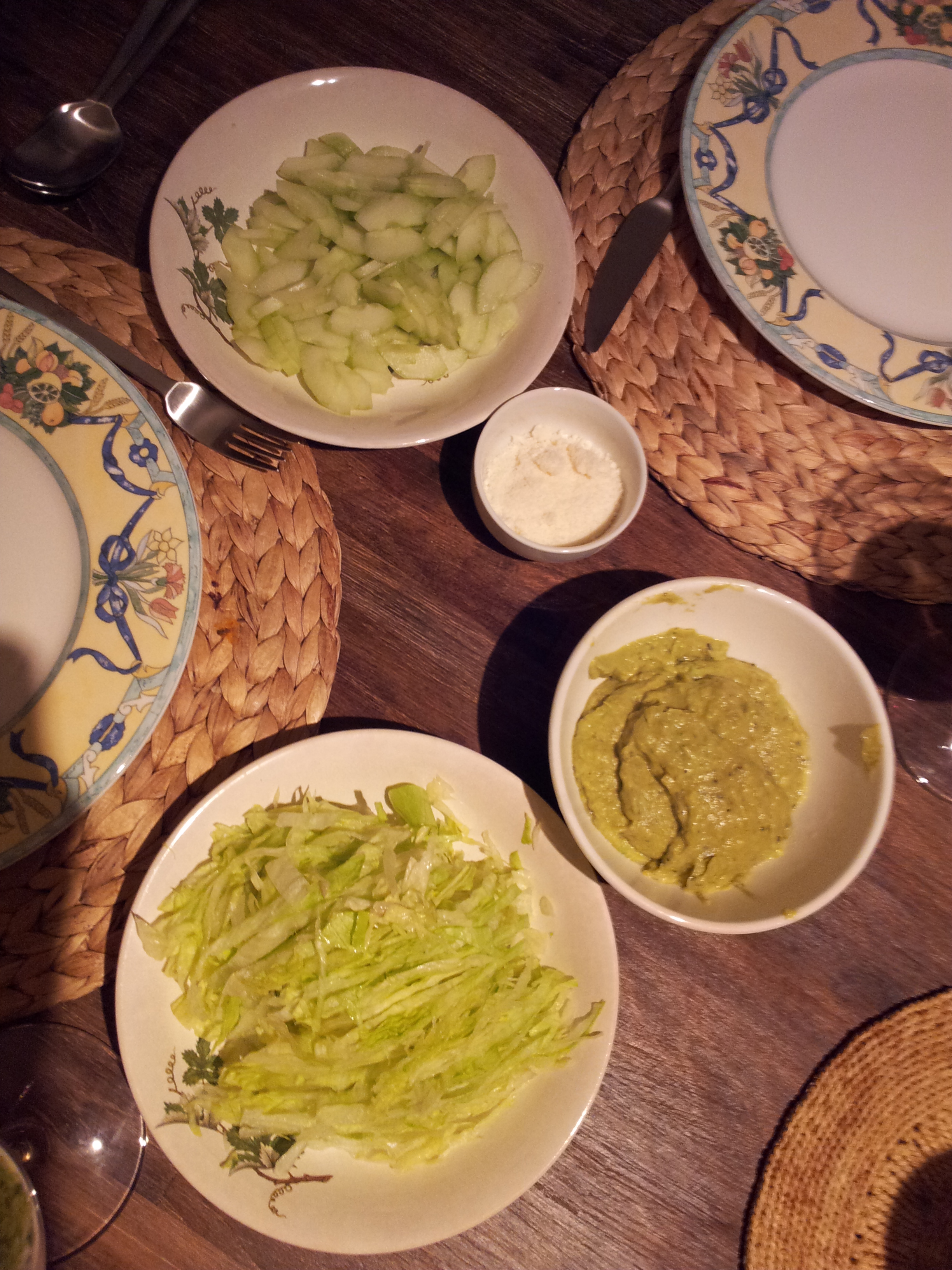
  • You could add some Guacamole (to make it, just use 1 or 2 soft  avocado’s, squeeze them until they are all puree (youcould also use blender), add some fresh mint and coriander, salt, peper, a glove of garlic and a drizzle of olive oil. Mix it and voila)
  • Cut up some ice berg salad (or you could also use rucola or any other type of salad that tickles your fantasy)
  • I add some cucumber, but you could again replace it by carrots or tomatoes, etc…

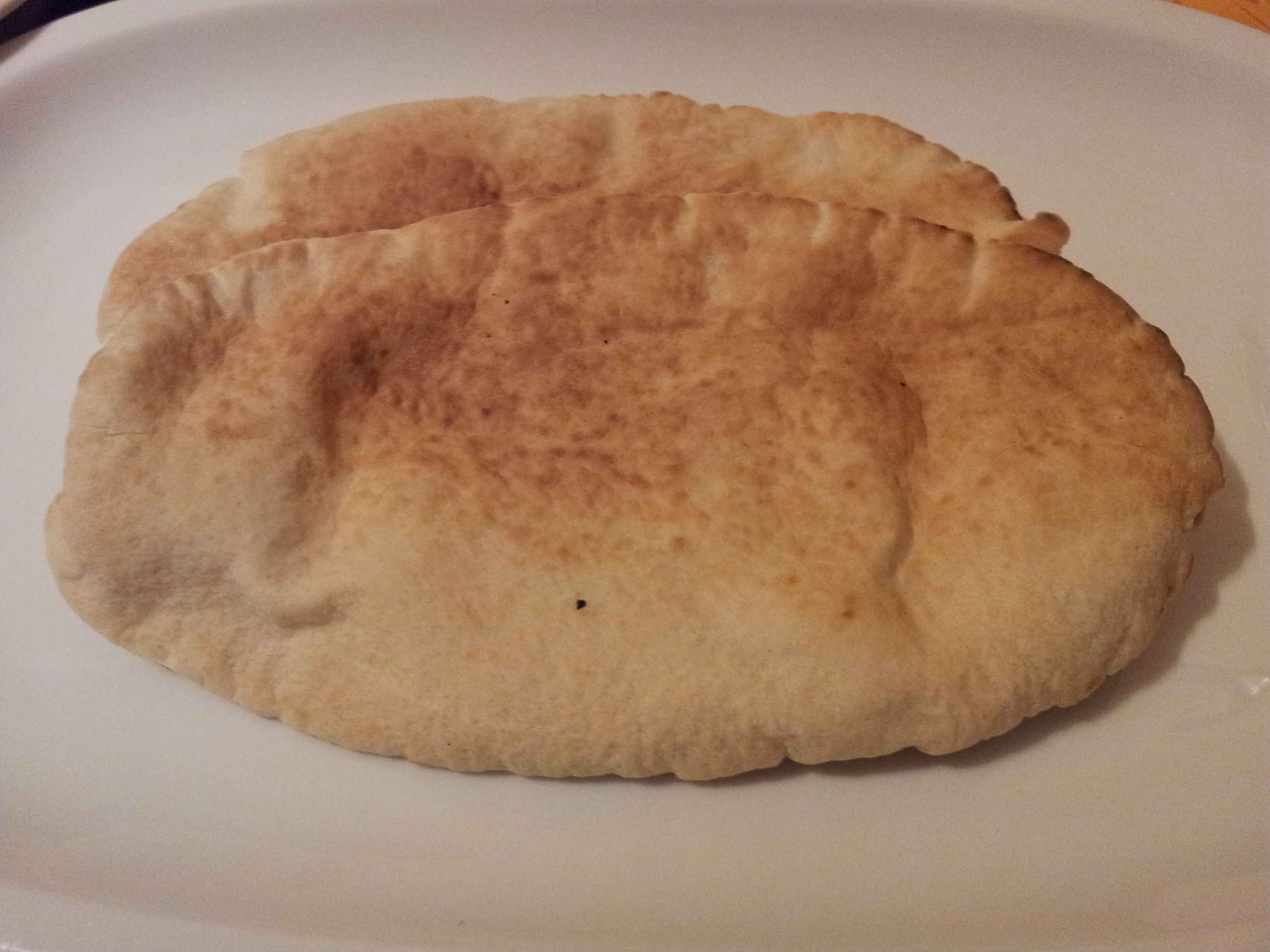
You heat the pita breads in the toaster (or oven or pan)

Cut them open and stuff them 🙂 .

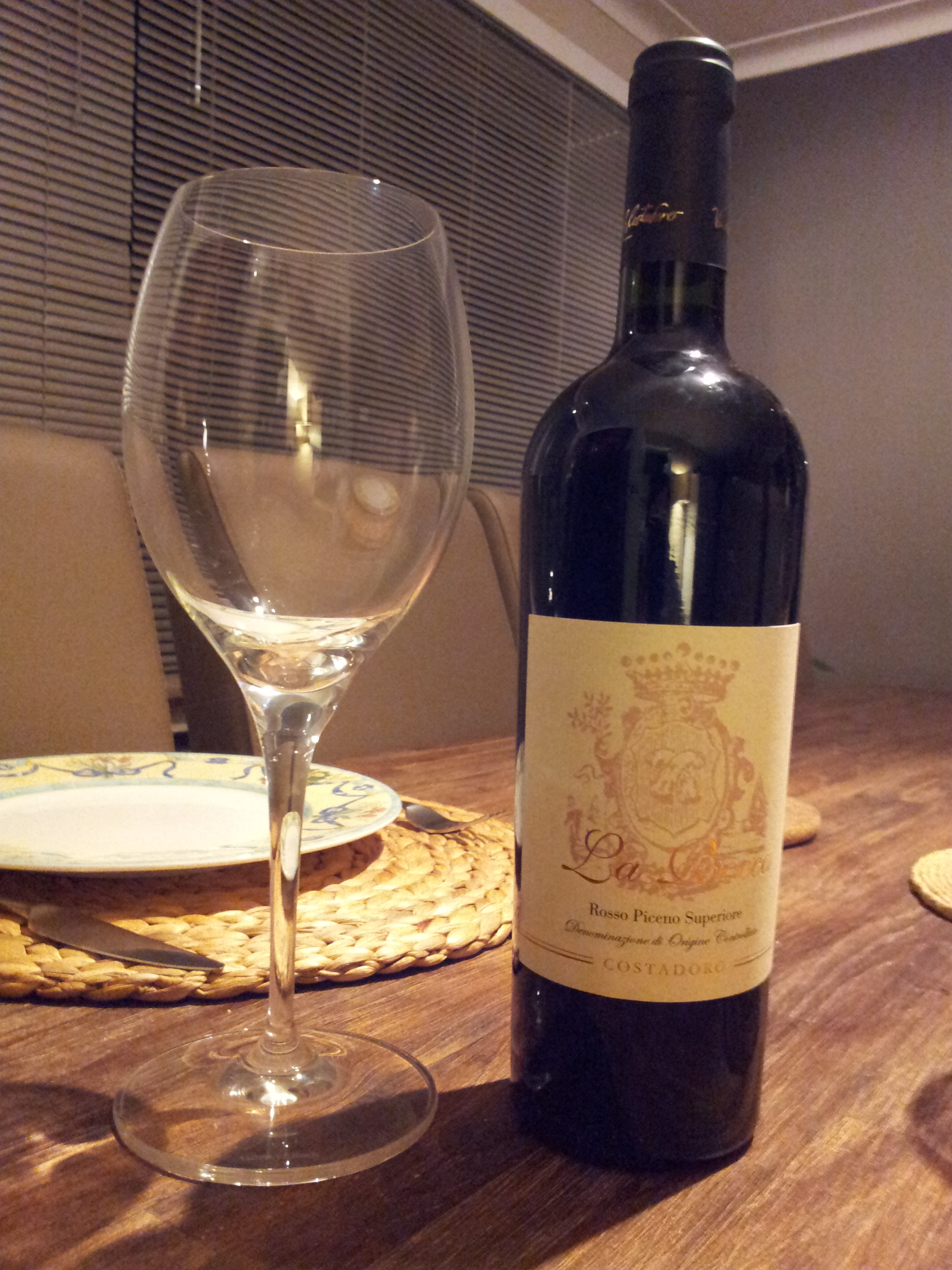
A perfect wine to go with it was Piceno superiore La Rocca by Costadoro