Megavino 2014

Normally I’m not too crazy about going to wine fairs. Megavino made me change my mind this year.. Like for example with the fact that this year’s guest country is Portugal and you guys know how much I like Portuguese wines?! They have some very interesting masterclasses like one given by my friend Cesar Roman (Comme Chez Soi) where he will be talking about wines in Amphora or one where you can discover which is your preferred French wine region, etc…. I’m also looking forward discovering new vineyards and seeing back some old friends…

I can only advice everybody to make a visit Megavino and who knows what discoveries you’ll make.

Megavino

The mandatory holiday wine trip: Bodegas Beronia

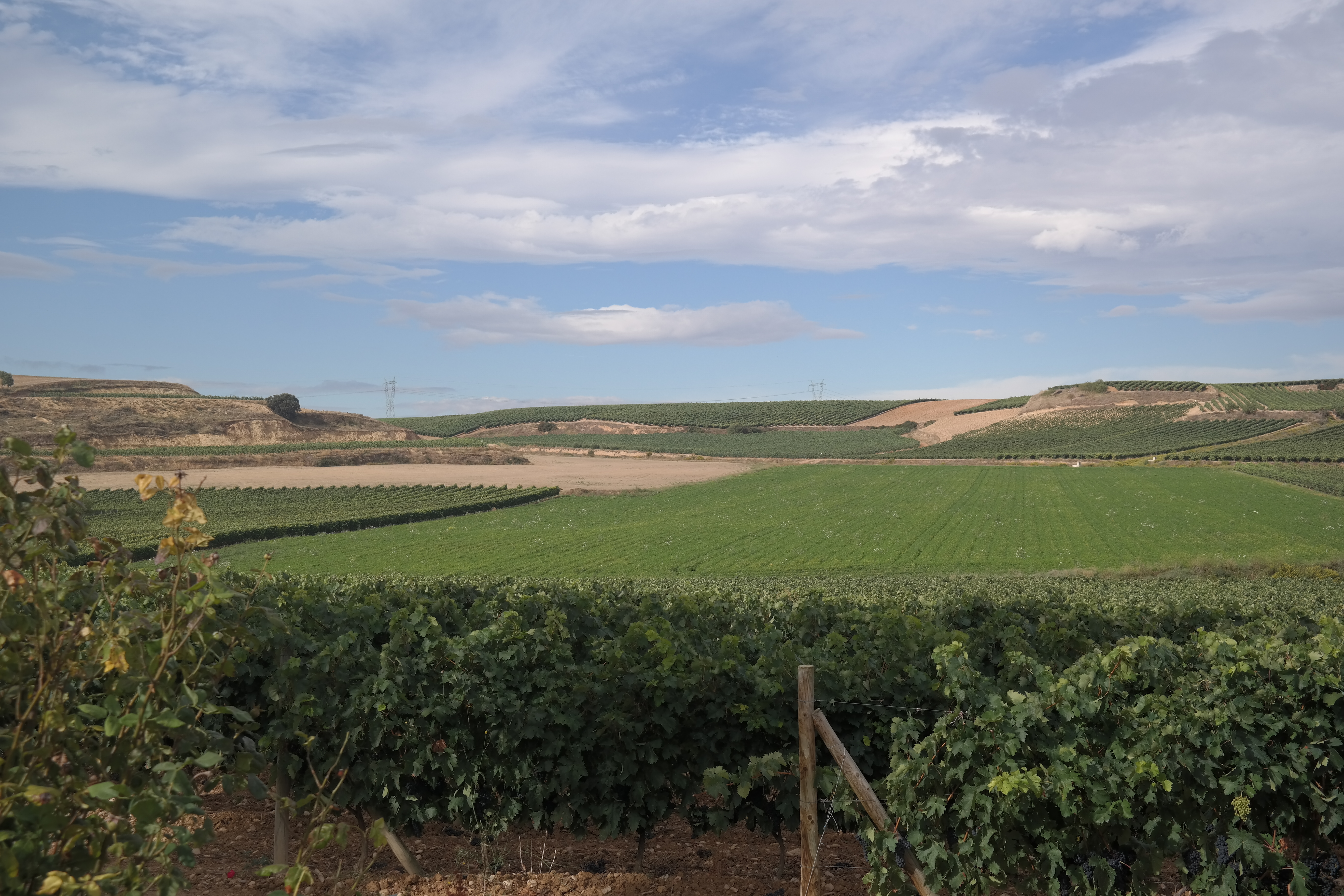
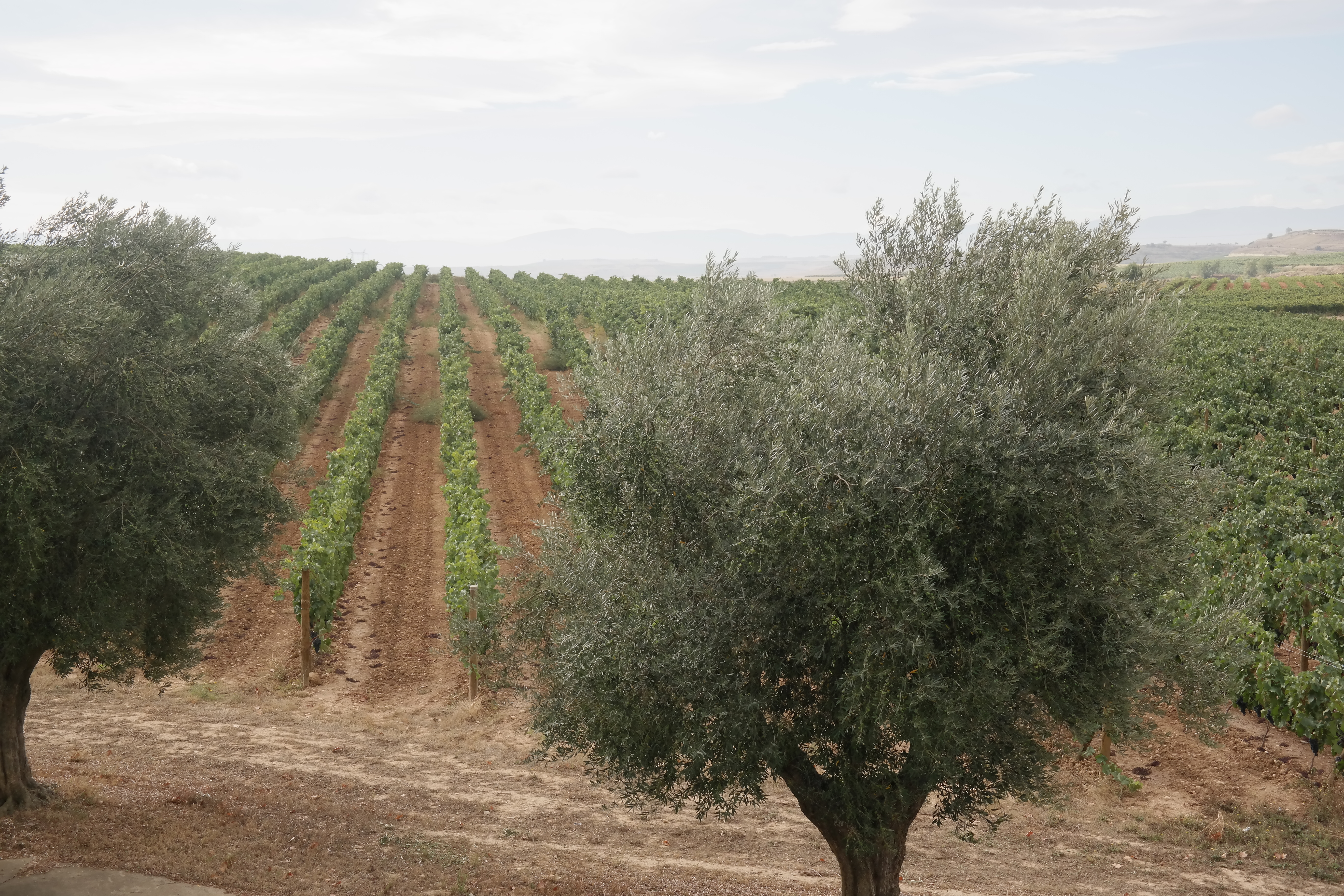
The last few years my interest for knowing more about wines has grown a lot. I’m also of the opinion that you learn the most about something (in this case wine) by visiting the actual vineyards instead of reading about it in books… That’s why mostly in the last 2 years I visited quit a few vineyards in Europe. Being only 1 ½ hour drive from the Rioja wine region during my stay at San Sebastian, it would  be a crime not to visit some Bodegas… Like with the food I promised my beautiful wife that I would only be visiting 1 vineyard during our trip (although there were a few more I wanted to visit), so I had to choose wisely :-). Just like with the food in San Sebastian, here I again have the perfect excuse to come back to Rioja.

Beronia logo

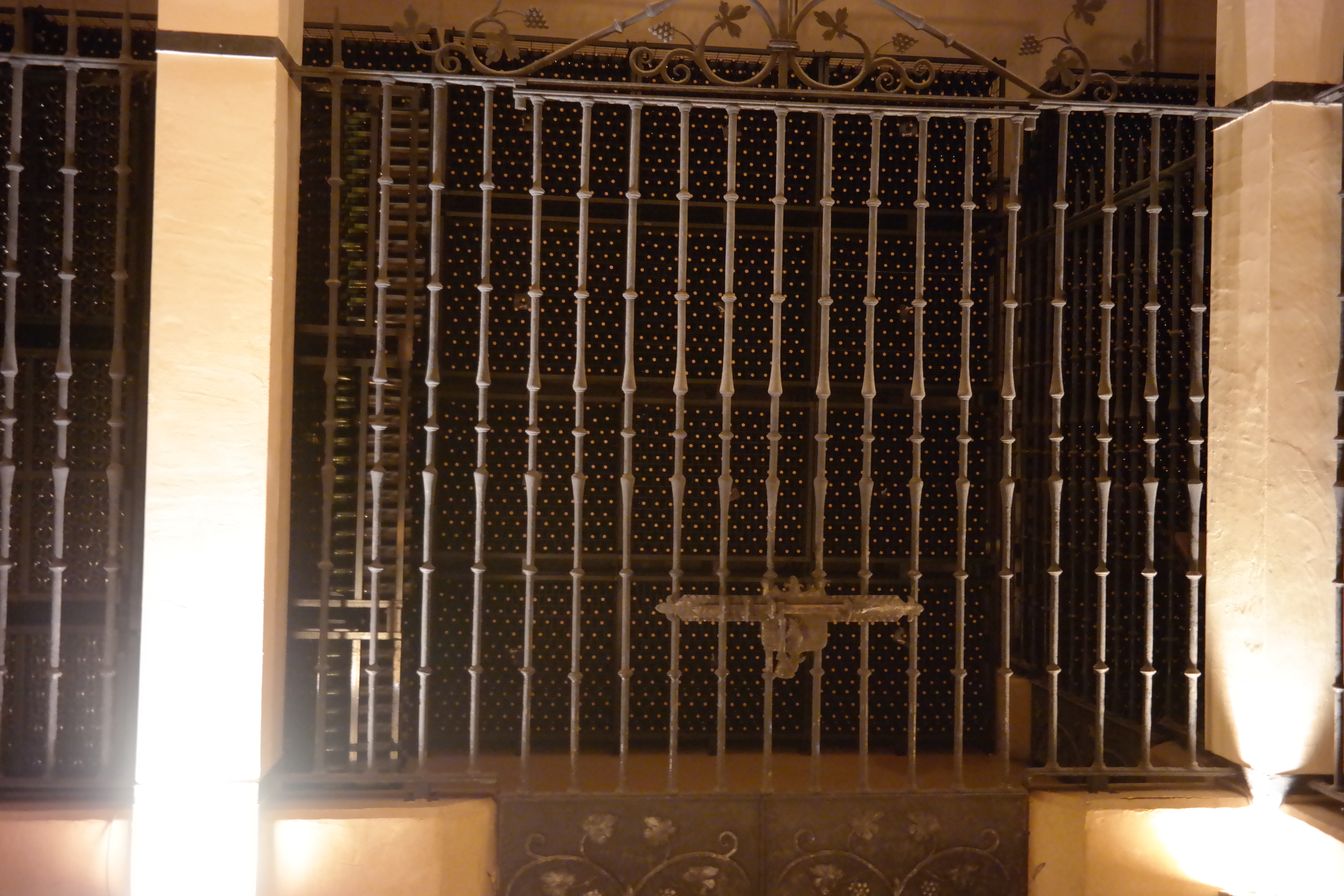
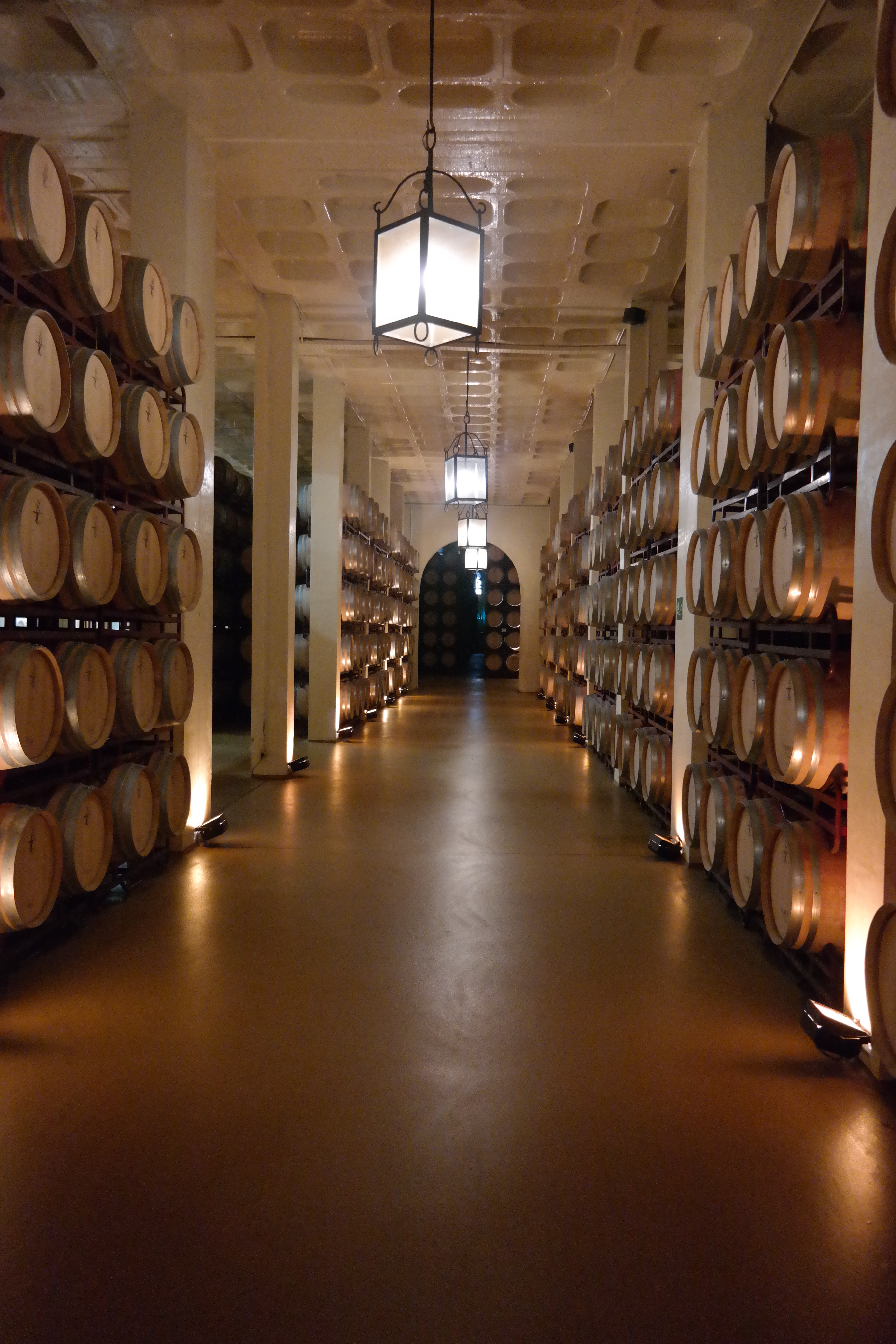
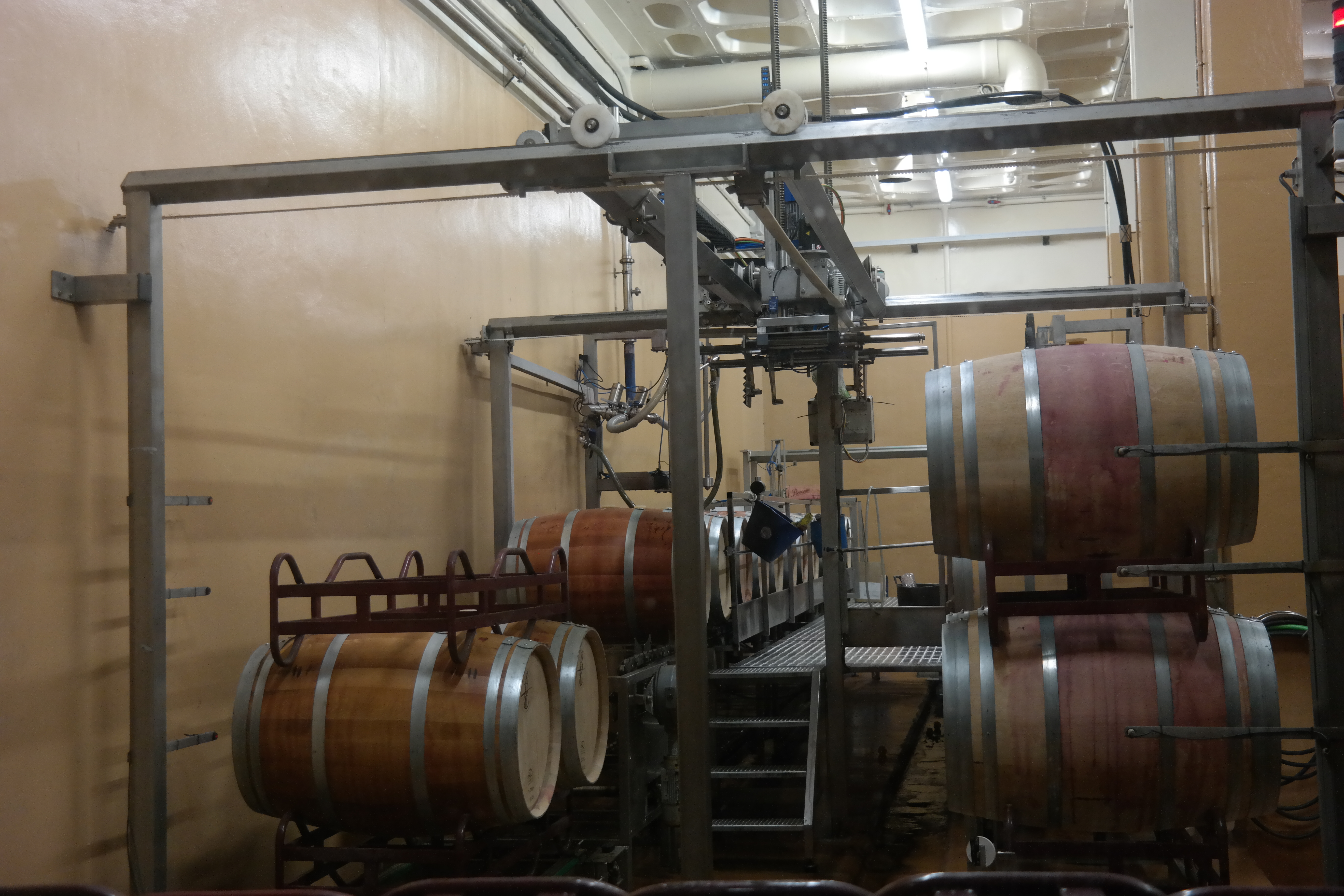
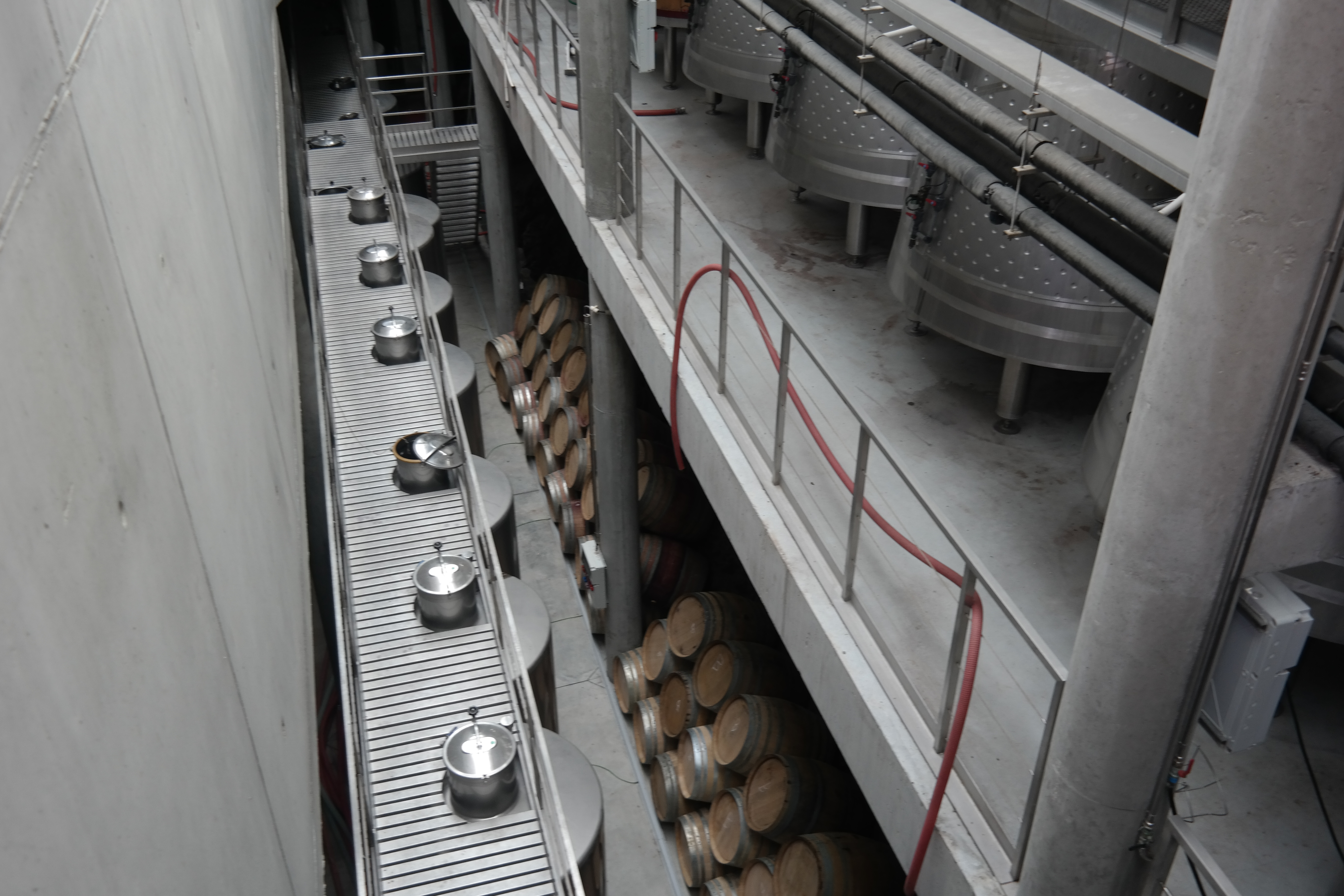
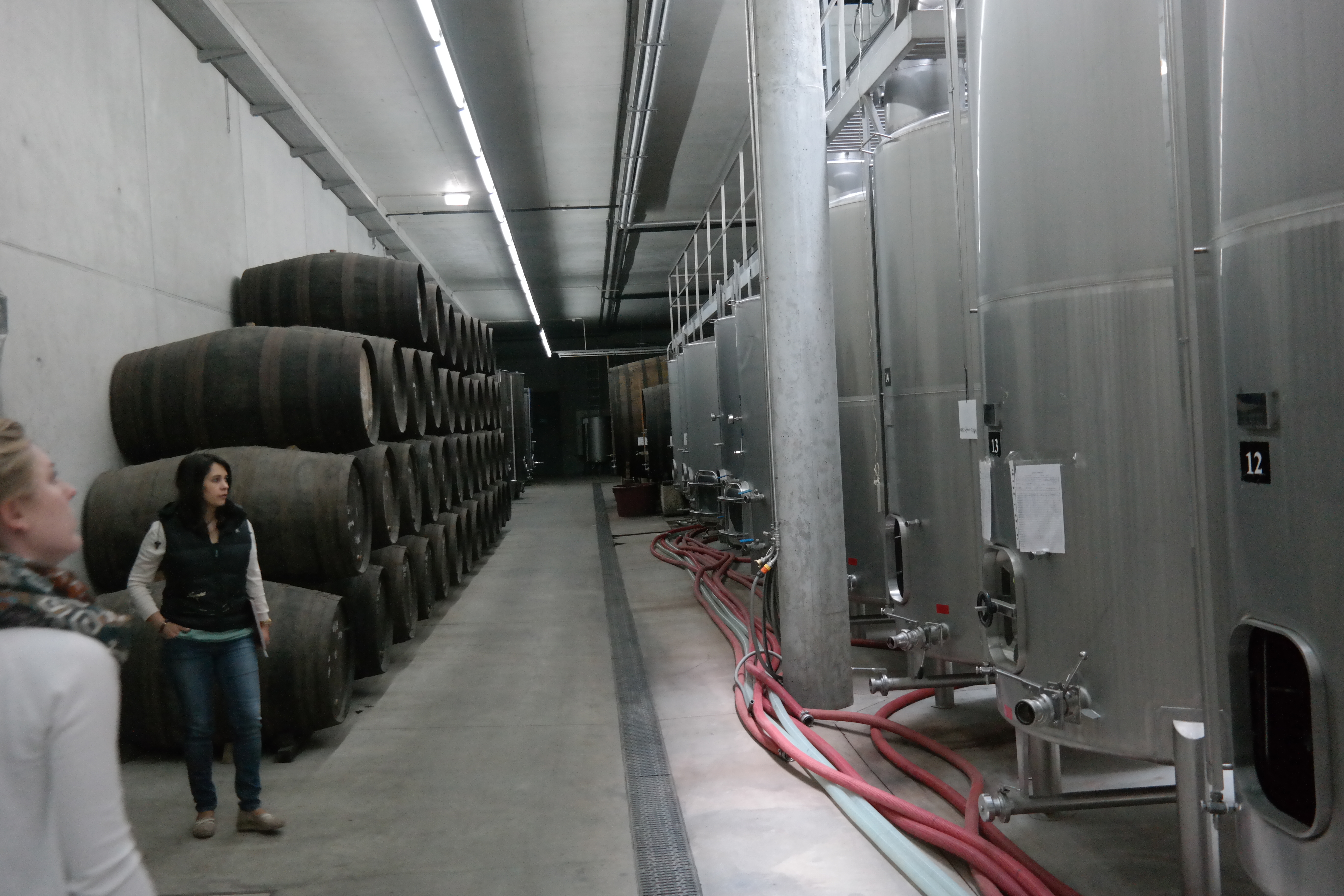
I decided to visit Bodegas Beronia, which was a decision I quickly made because the first time I tasted one of their wines at restaurant Pazzo in Antwerp I became a fan. I know there are lots of great Bodegas in Rioja like Muga or Viña Tondonia… but 1 vineyard is 1 vineyard and a promise a promise 🙂 and Bodegas Beronia seemed like the perfect place to start learning more about Rioja wines. Bodegas Beronia was founded in 1973 by a Gastronomy club and since 1982 is part of the Gonzalez-Byass group who helped Bodegas Beronia to grow and to invest in new technologies. In 1973 the winemaking was more to provide friends and family from wine, nowadays they produce around 5 million bottles and this without reducing the quality the founders aimed and cherished. They basically helped them to make an even better product.

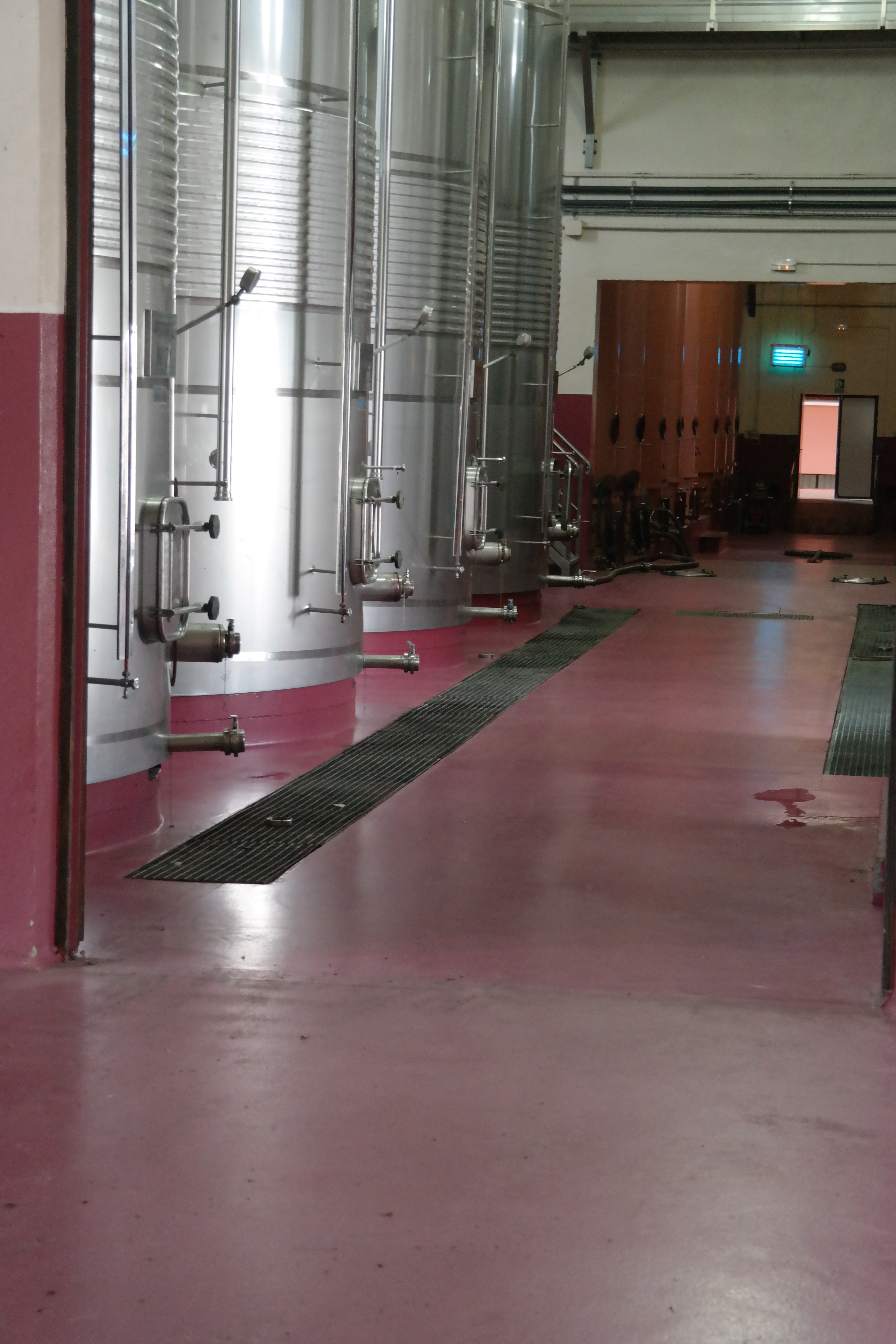
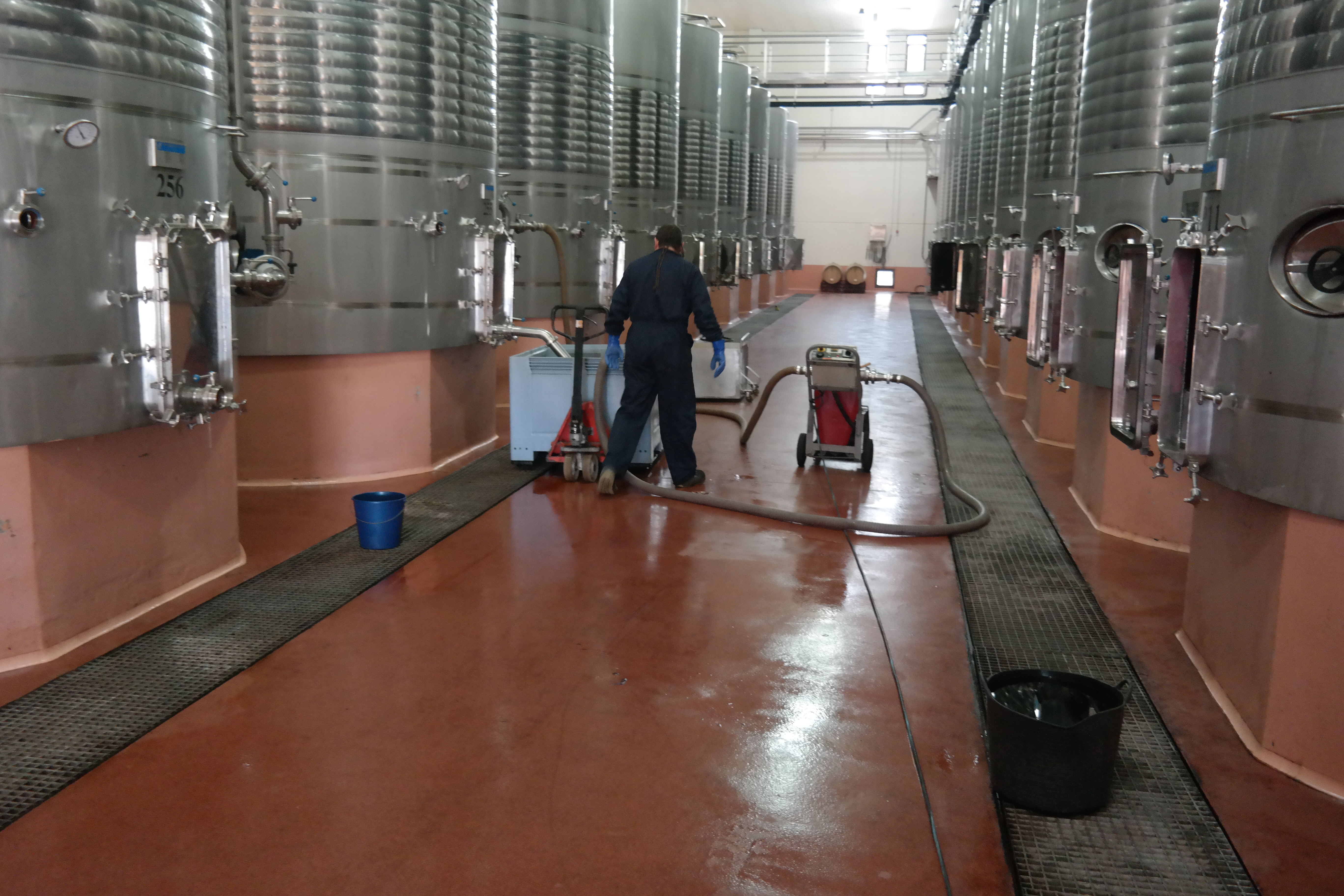
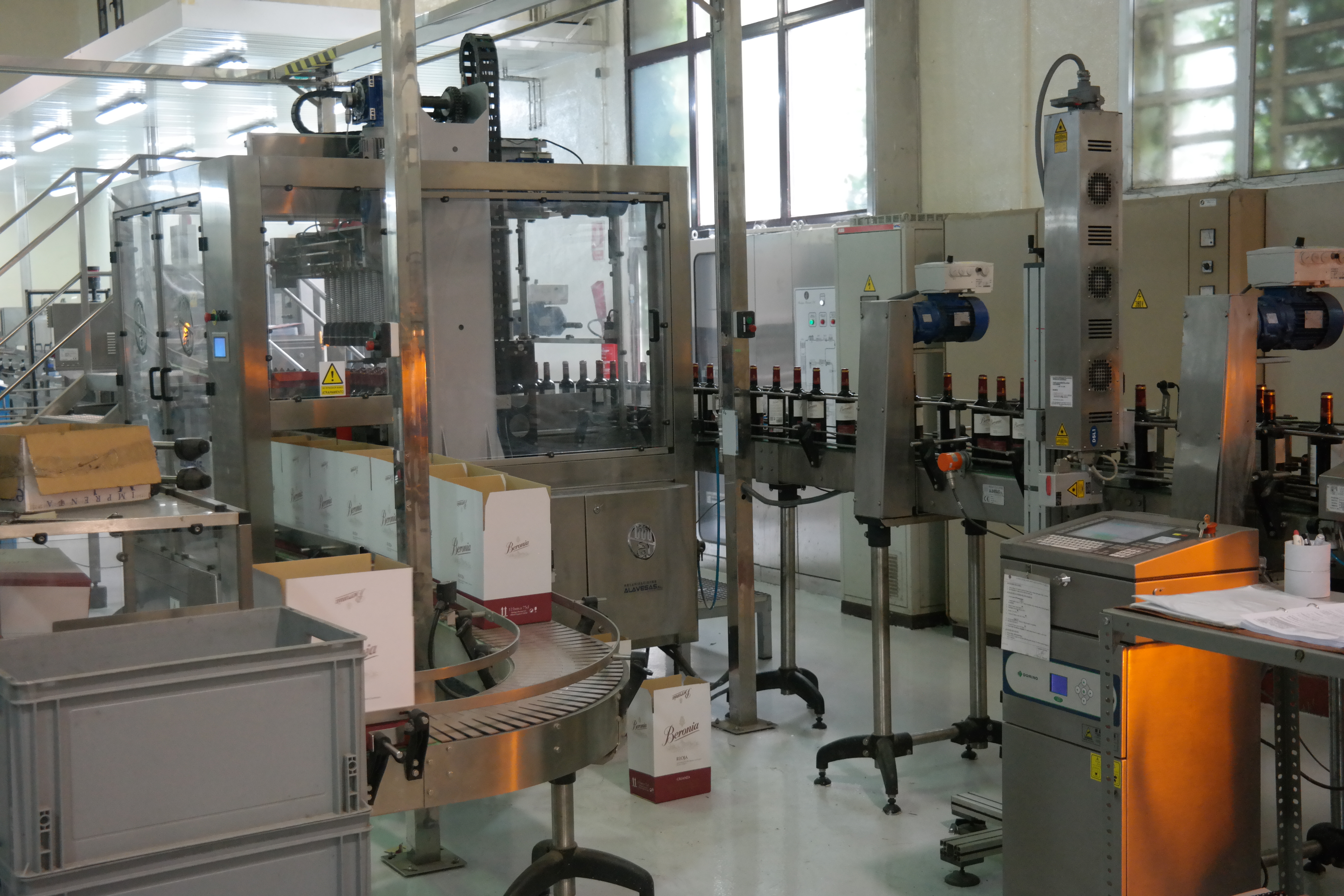
SAMSUNG CSC  SAMSUNG CSC

SAMSUNG CSC SAMSUNG CSC

SAMSUNG CSC SAMSUNG CSC

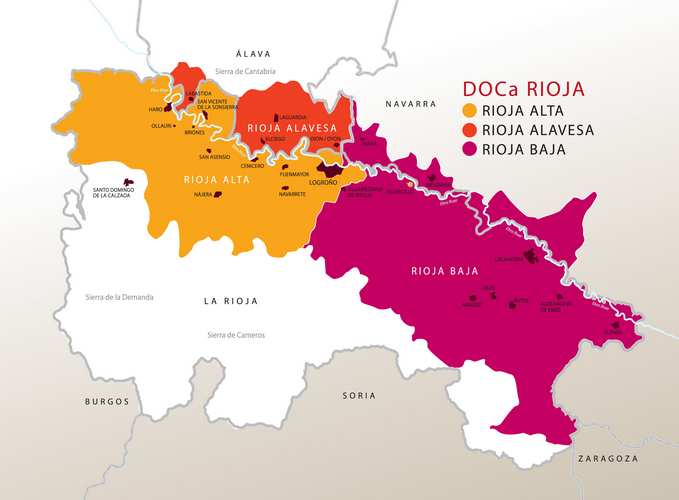
Just like with all my blog posts about wine regions, also for Rioja wines there are a few basic things you should know. But don’t worry I won’t get to technical and try to keep it as simple as possible. Let me start with the Rioja region itself. This region can be subdivided in 3 regions – Rioja Alavesa, Rioja Alta and Rioja Baja. With the last area (Baja) being the most southern, where due to the drier and warmer climate than in the other 2 resulting in deeply coloured and higher/more alcoholic wines with some wines at 18% alcohol (due to the more sugar in the grapes because of the warmth). They usually blend this wine with wine from the other 2 regions. Rioja Alta on the other hand is close to the little town called Haro and as “Alta” may already make suspect is also located more North. Rioja Alta  is also the region where Bodegas Beronia is located. In the Alta region (located higher above sea level) produces brighter fruit flavored wines and in comparison with the ones from the Baja region with a lesser alcoholic percentage. The most full body wines will be produced in the Alavesa region. So mix the 3 together and you have a winner ;-). I must also add that most of the wines produced in the Rioja are red, you can also get white and rosé wines (some also very good ones), but the focus is mostly on red wines.

Rioja by wine & excellence

To make the Rioja wines they always use a blend (mix) from a few grape variaties mostly Tempranillo, Garnacha Tinta, Graciano, and Mazuelo. Just FYI, the Tempranillo will make that you can age the wine more. For the white ones they will mostly use Macabeo in combination with another grape like Malvasia for example.

SAMSUNG CSC SAMSUNG CSC SAMSUNG CSC SAMSUNG CSC SAMSUNG CSC SAMSUNG CSC

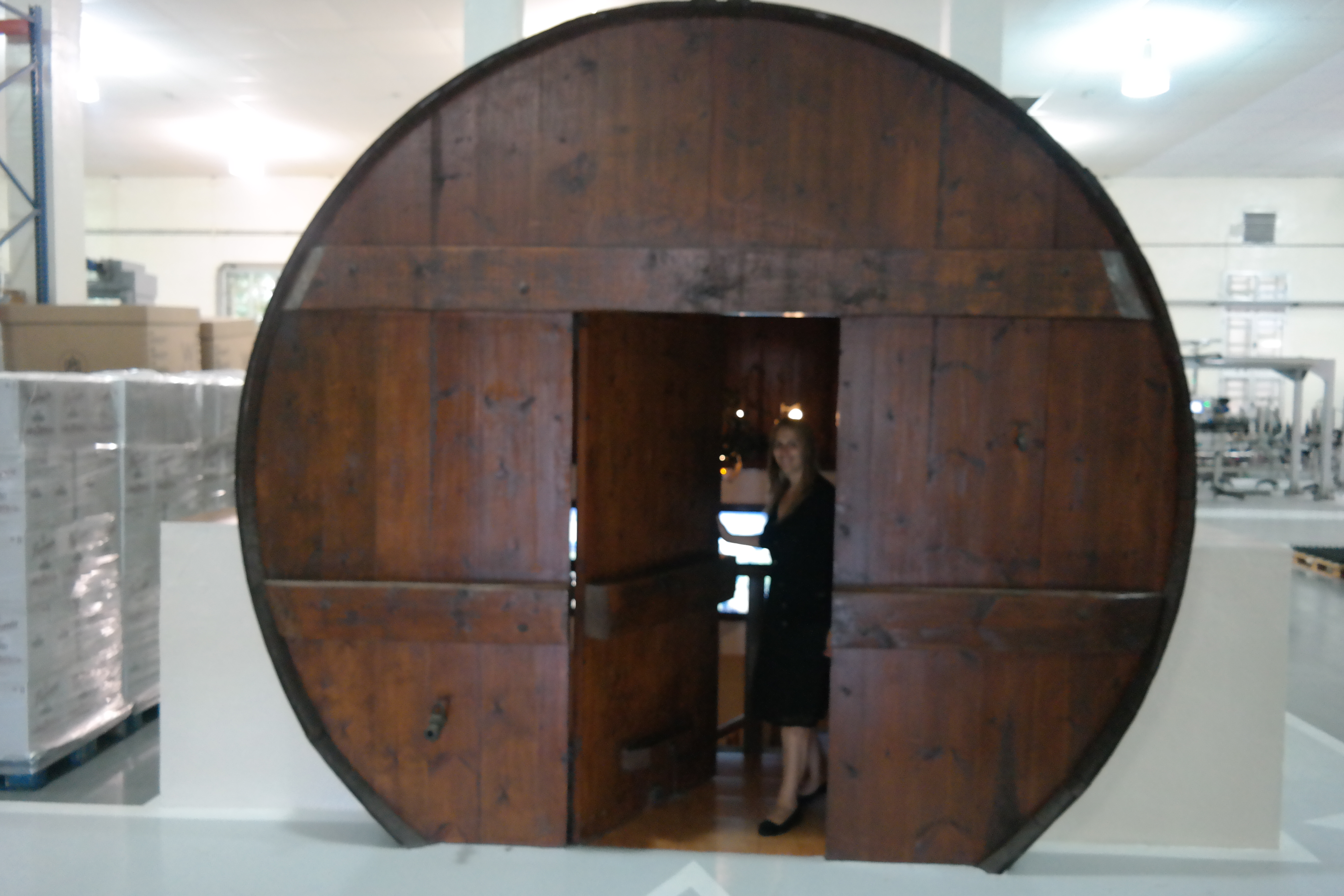
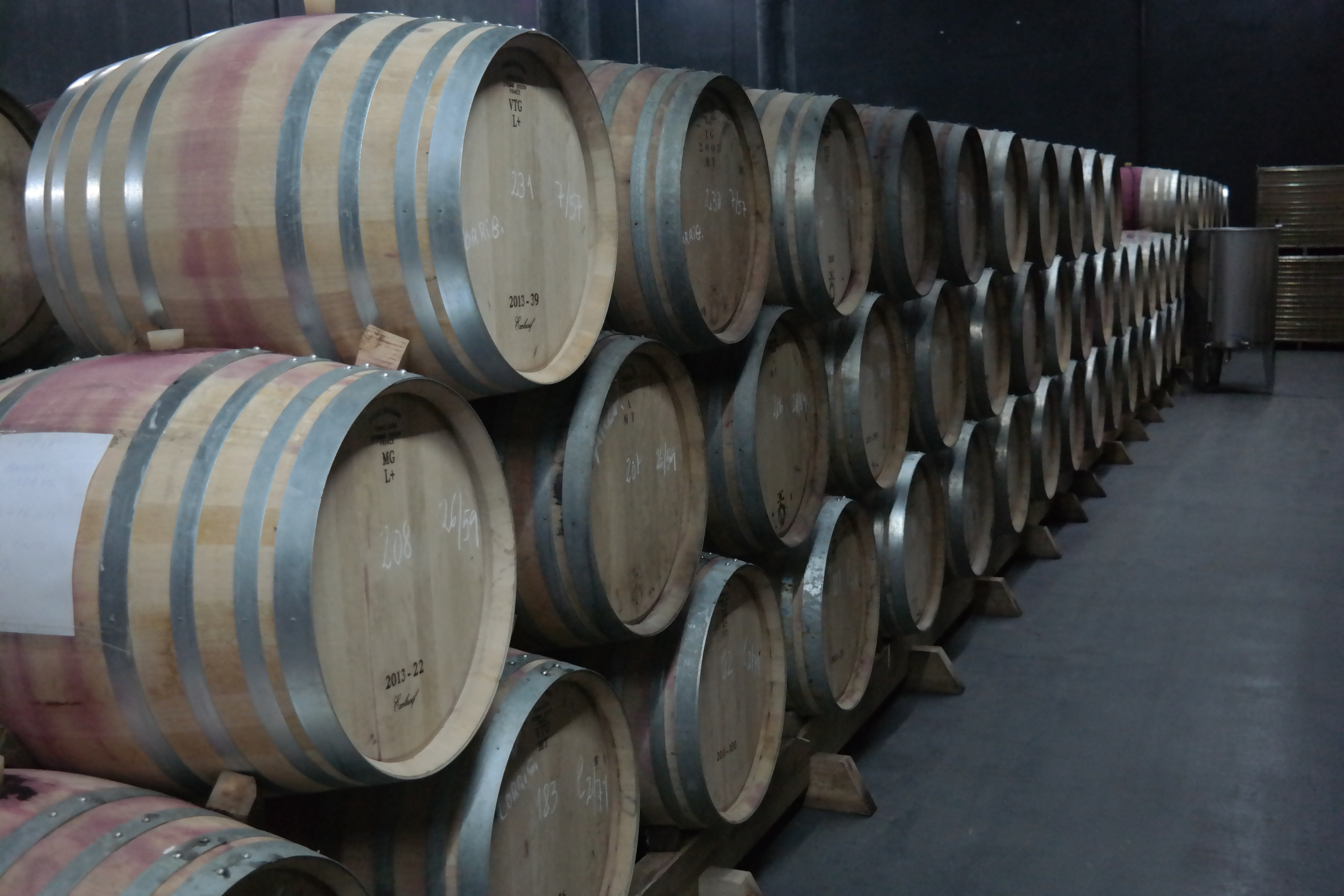
FYI, just like in other wines region in Rioja there also is a Supervising board to make sure the wine is made according to the rules and tradition. For example vineyards can only use small barrels not the huge ones you sometimes see in other wine regions… or the cost of the grapes used to make Rioja must exceed by at least 200% the national average of wine grapes used in all Spanish wines.

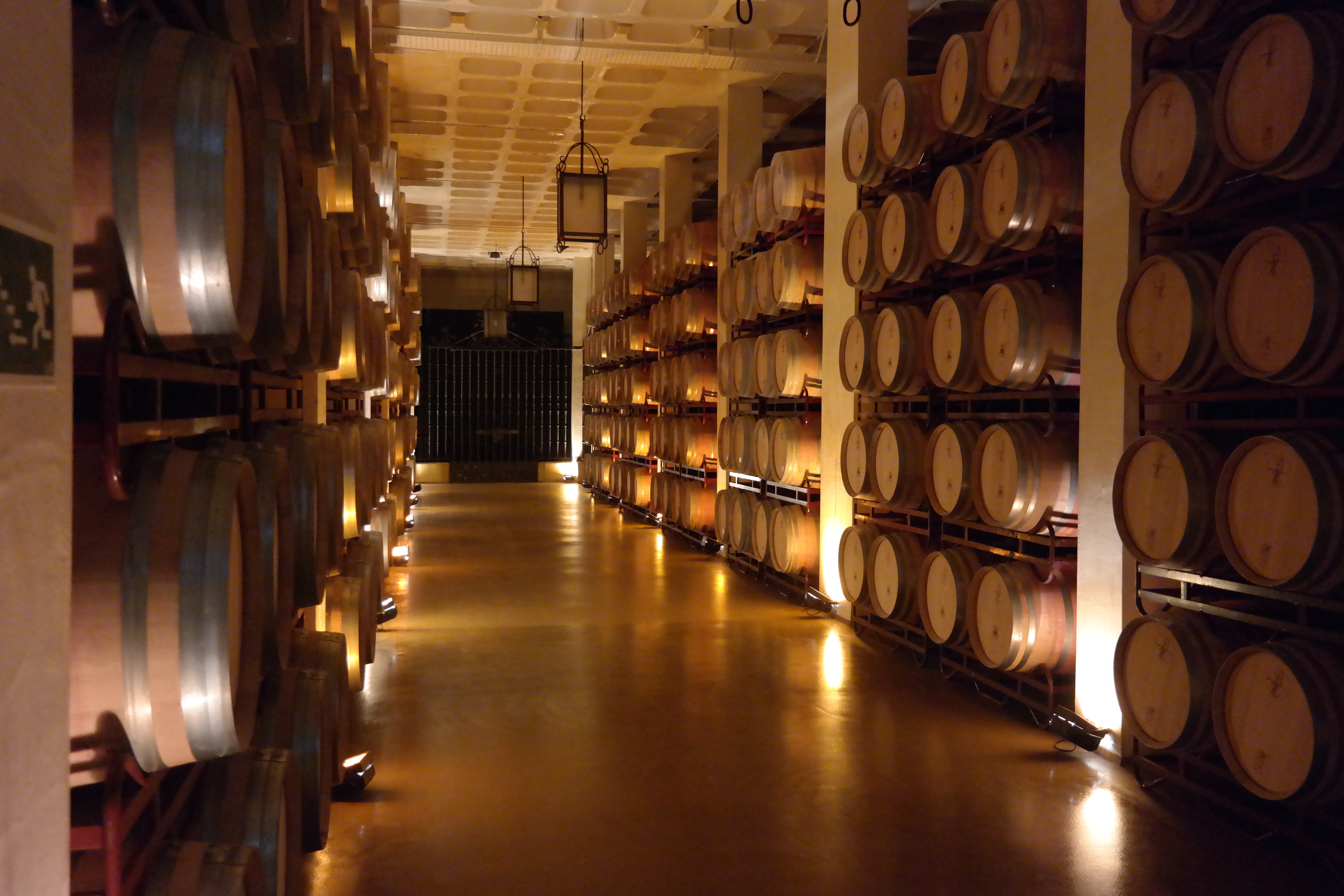
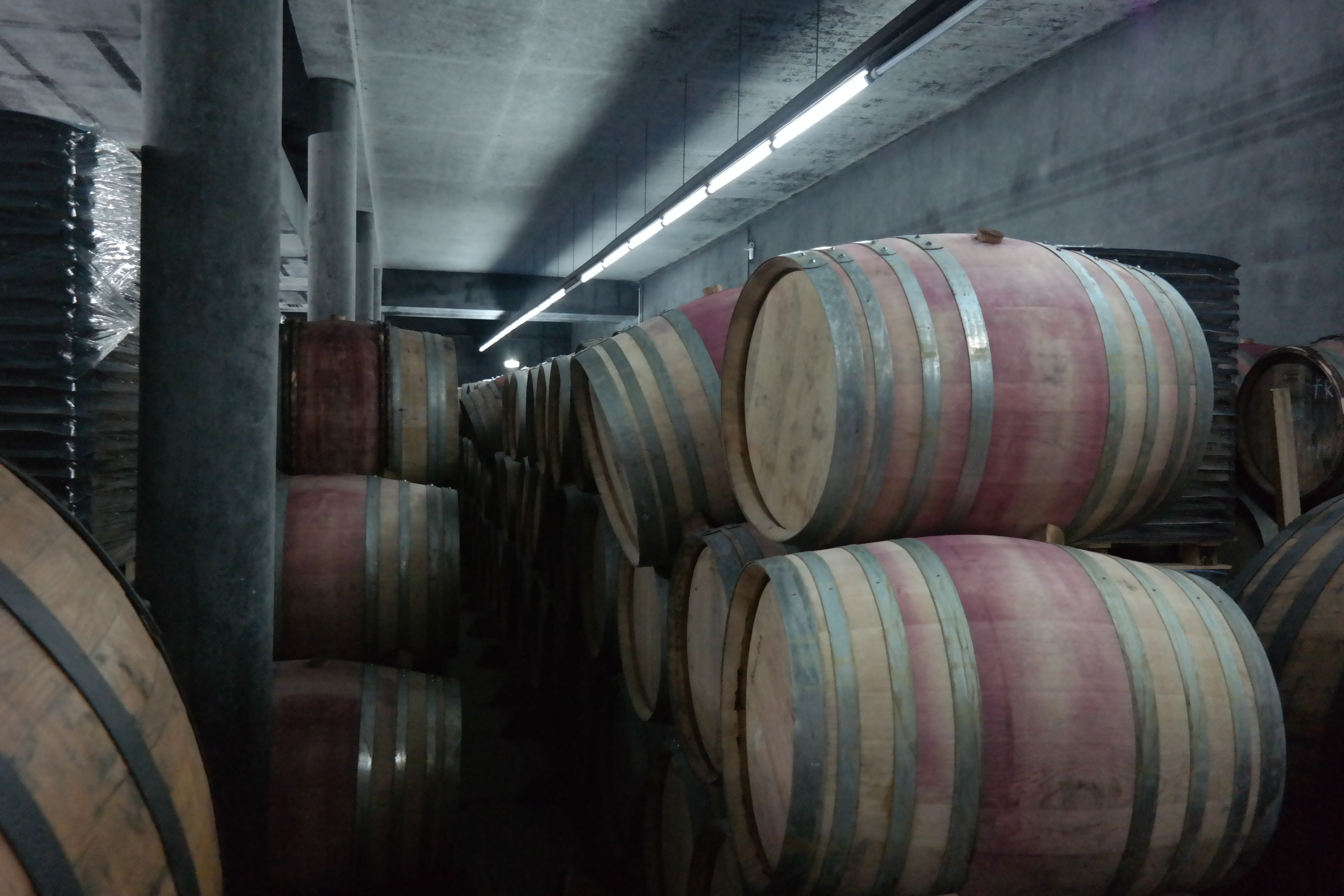
The aging of the Rioja wines happens in French oak, American oak or both types of oak. The biggest reason (historically) why they also started using American oak is that French oak was getting very expense back in the days… and this would in the end result in the wine makers having to sell their wines more expensive and having less competitive price

SAMSUNG CSC

SAMSUNG CSC

SAMSUNG CSC

SAMSUNG CSC

SAMSUNG CSC

SAMSUNG CSC

After the location and grapes used is maybe the difference between the types of wines. There are 4 categories:

  • Rioja: less than 1 year aging in wooden barrels
  • Crianza: aged for at least 2 years from which 1 at least in wooden barrels. At Bodegas Beronia. 1 year in wooden barrels and the rest in bottle.
  • Rioja Riserva: aging at least 3 years of which at least 1 in wooden barrels. At Bodegas Beronia it stays 18 months in wooden barrels and 18 months in bottle before being released.
  • Rioja Gran Riserva: aging at least 2 years in wooden barrels and 3 years in bottle and only produced in exceptional years. In case of Bodegas Beronia the last vintage for the Gran Riserva was 2005 and aged 24 months in French and American oak and I don’t think it has yet been released on the market

The references I make to the Bodegas Beronia wines above are the ones from the Classic range as they also have a few other ranges like Single variety (100% wine of 1 type of grape), Premium Range (special vintages) and ecological wines.

SAMSUNG CSC  SAMSUNG CSC

Beronia 41a

SAMSUNG CSC

SAMSUNG CSC

A vineyard visit without tasting is like going to a bakery without buying bread… Bodegas Beronia or better Julia and Maria-Jesus assembled a collection of wines for me to tasting out of the first 3 wine ranges. If you don’t know much about wines and want to get introduced or better to get used to the Rioja wine taste the best way to do this by tasting the Single variety wines that as mentioned are made 100% from 1 grape kind (Tempranillo, Graciano, Viura and Mazuelo). You can see them as an “everybody’s friend”. With as exception the Mazuelo as it has a quit exceptional taste that most people would only appreciate accompanied by a good steak or aged red meat (or strong cheeses)… so more for the advanced wine lover to taste without food :-). I liked the Mazuelo a lot even without the food and can’t wait to heat up the BBQ for that meat 😉 to complete the wine taste even more. Oh yes, a taste I liked a lot in this wine was the taste en smell of mele cotogne jam (I think in English this is called quince apples)  which brings me back to my family in Croatia who filled pancakes with this jam 🙂 and is a standard to eat when I visit them.

Mazuelo

The Classic Range (or better Reserva and Gran Reserva) and Premium wines where definitely of a next level and 100% my cup of tea. It was actually their Rioja Reserva that convinced me of their quality a few years ago at restaurant Pazzo and during my tasting at the Bodega convinced me again. Having a alcohol percentage between 13,5 and 14% and having aged in new oak barrels their taste is much more elegant, fruity and fresh than one would expect. You would expect a more aggressive and wood taste and scent. Which one I liked best if difficult to say, that’s why I bought all of them to try again at home 😉 (Les excuses sont fait pour s’en server). I have already done the effort of not going to the top restaurants, so some wine for me seems like an honest alternative.

No the real reason is just because they all have their particular taste and depending on the occasion one wine will be more fitting than the other. Still keeping some similarities between for example the Rioja Reserva and Gran Reserva in the chocolate and mature black/red fruit taste. Sometimes I did smell things thanks to the help of Maria-Jesus, because sometimes you just can’t put your finger on what it exactly is. The frosting on the cake however was the Reserva 198 Barricas so if I must really choose a favourite it would be this one (I think because of the slightly more spice aromas, but also because it was just good 🙂 ). Again here as these wines are stronger it is better to enjoy these wines paired with a meal, some cured ham or cheese.

198 barricas

Mmmm, not as short as I had hoped to keep it… ah well that’s the way it is 😉 Tonight I’ll sit back and relax with a nice glass of Rioja wine 🙂 hope you will too. Hope you learned something new thanks to this post?! I know I did…

IMG_20140925_183142

A special thanks to Julia and Maria-Jesus for their wonderful explanation and introducing me more in the world of Rioja wines !

My favourite places combined in 1: the food part

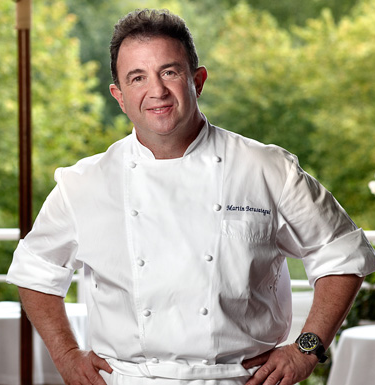
A reason besides surfing to visit San Sebastian would be the food!! San Sebastian is for me one of the culinary highlights of Spain and it seems the Michelin guide agreed with me as San Sebastian has the biggest amount of  starred restaurants in 1 city per X  inhabitants. They have for example 3 three Michelin star restaurants (Arzak, Akelare and Martin Berasategui), Rekondo a restaurant with one of the most incredible wine cellars for old Spanish wines you’ll ever see (in the sommelier’s world an institute) and only 15 minute drive of one of the best fish restaurants in the world aka restaurant Elkano (to name a few) . I behaved!! YES I did!! I wanted to try all of these restaurants, but I promised my wife I would take a hold of myself. Now I have the perfect reason to go back with my favourite partner (after my wife) in crime to go to good restaurants aka Carlos 🙂 🙂 (YES Carlito prepare yourself for another trip after our next trip to France 😉 )

Martin Berasategui

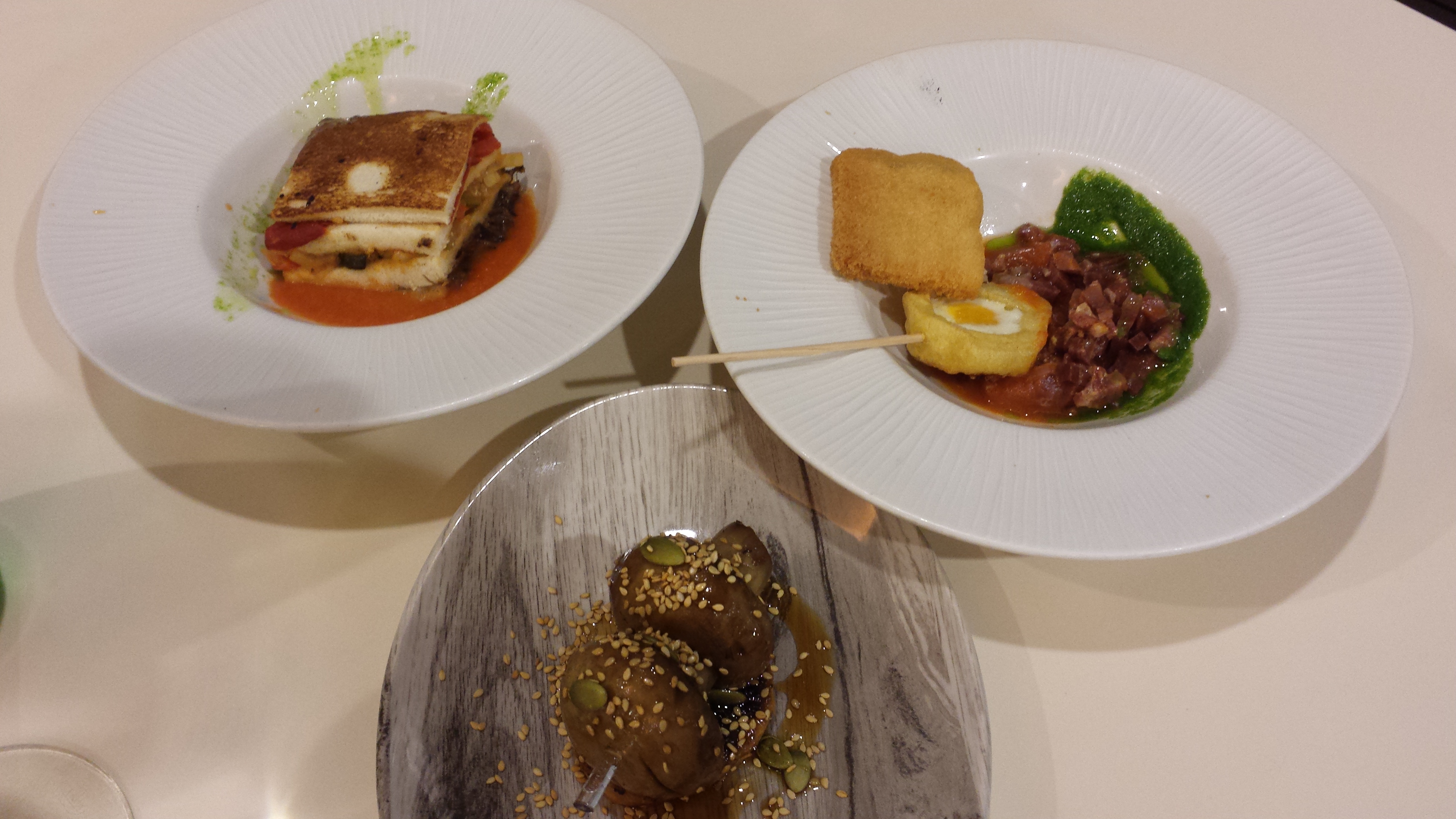
So to keep my promise I asked a few Spanish friends of mine which pinxtos (tapas) bars they would advice me to try (THANKS again César and Jaime). In Spain every tapas/pinxtos bar has one or more tapas/pinxtos it is famous for and it therefore is a habit to change bar after having tried their best one(s).The only problem being in our case was that the places we went to had such a great and big selection, that by the time we tried everything we wanted we didn’t feel going to another bar anymore (already ate too much 😦 )… with as exception to one night where we obliged ourselves to do it the Spanish way and move to another bar after 1 pinxto. What my wife on the other hand didn’t always like was the standing up to eat… and the ones where you could sit down were indeed the most popular with most non-Spanish people.

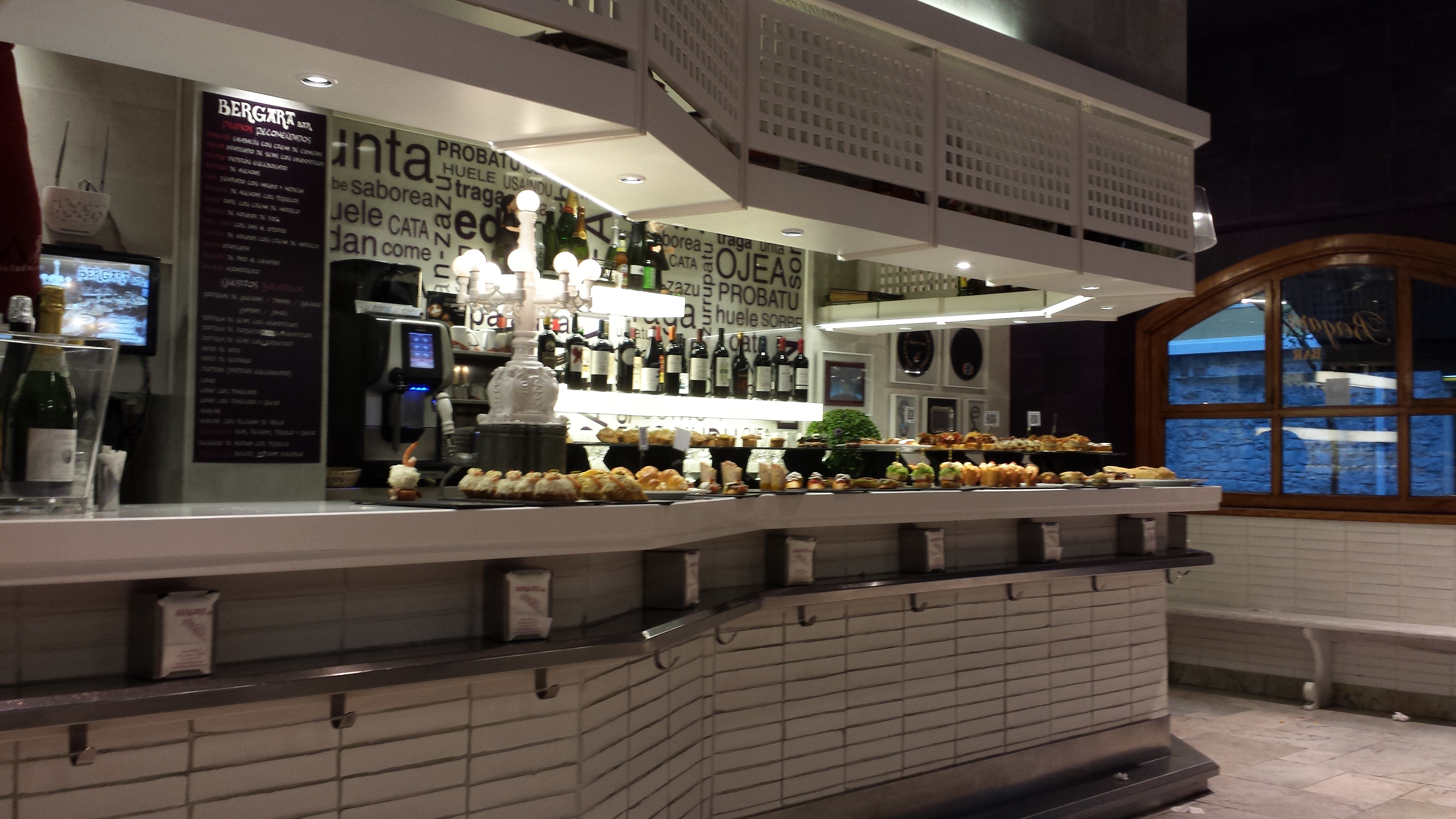
We liked all the tips Jaime and César gave us, but there are always places that are liked more than others…The pinxtos bars we enjoyed the most were Zeruko, Bergara and Zazpi. They were just more special and gave that extra attention to their pinxtos/tapas. This is also why we ate more than once in these places and I think we tried almost everything they had displayed or on the menu (no not greedy). FYI in these Pinxtos bars you can also sit.

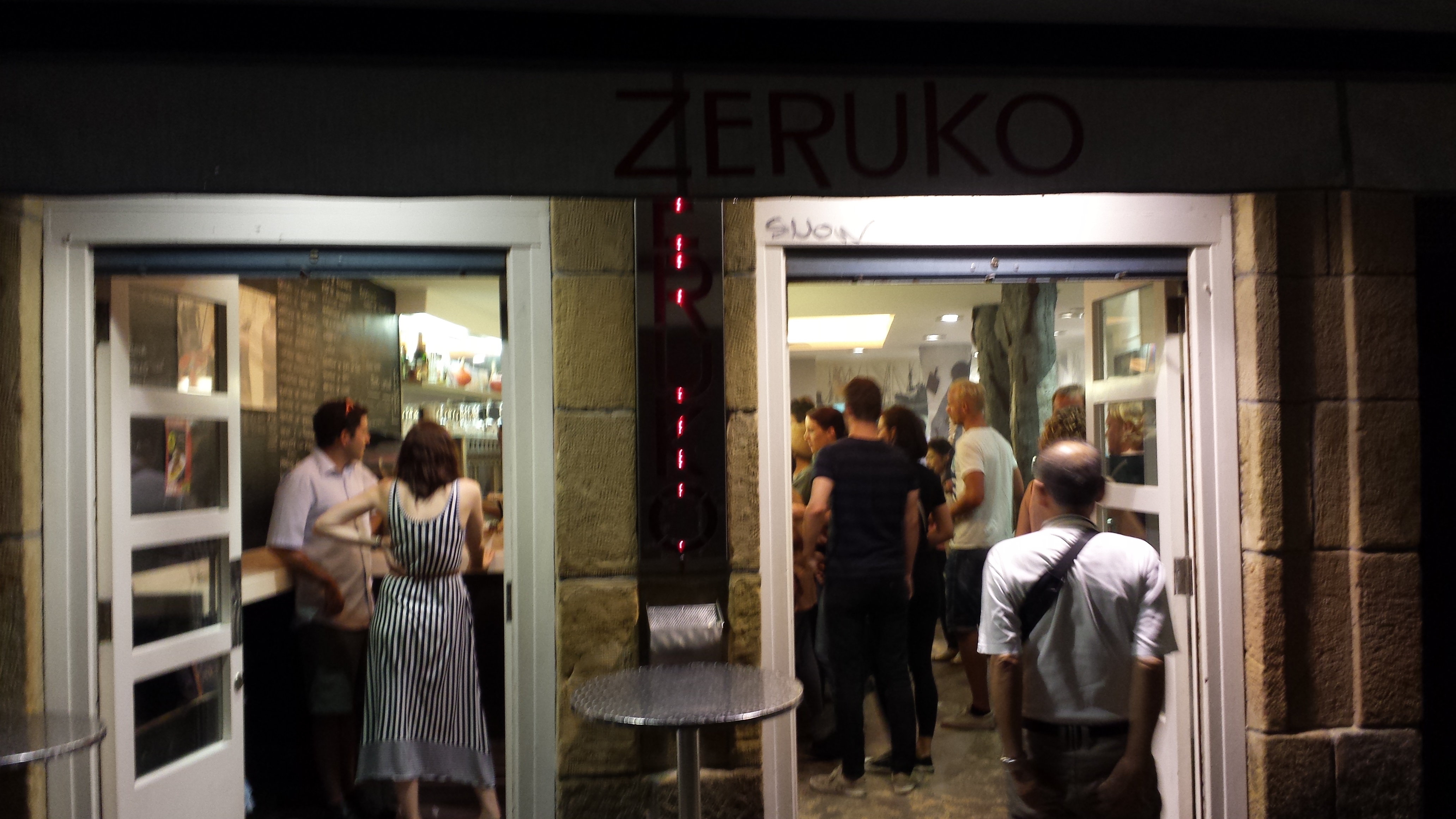
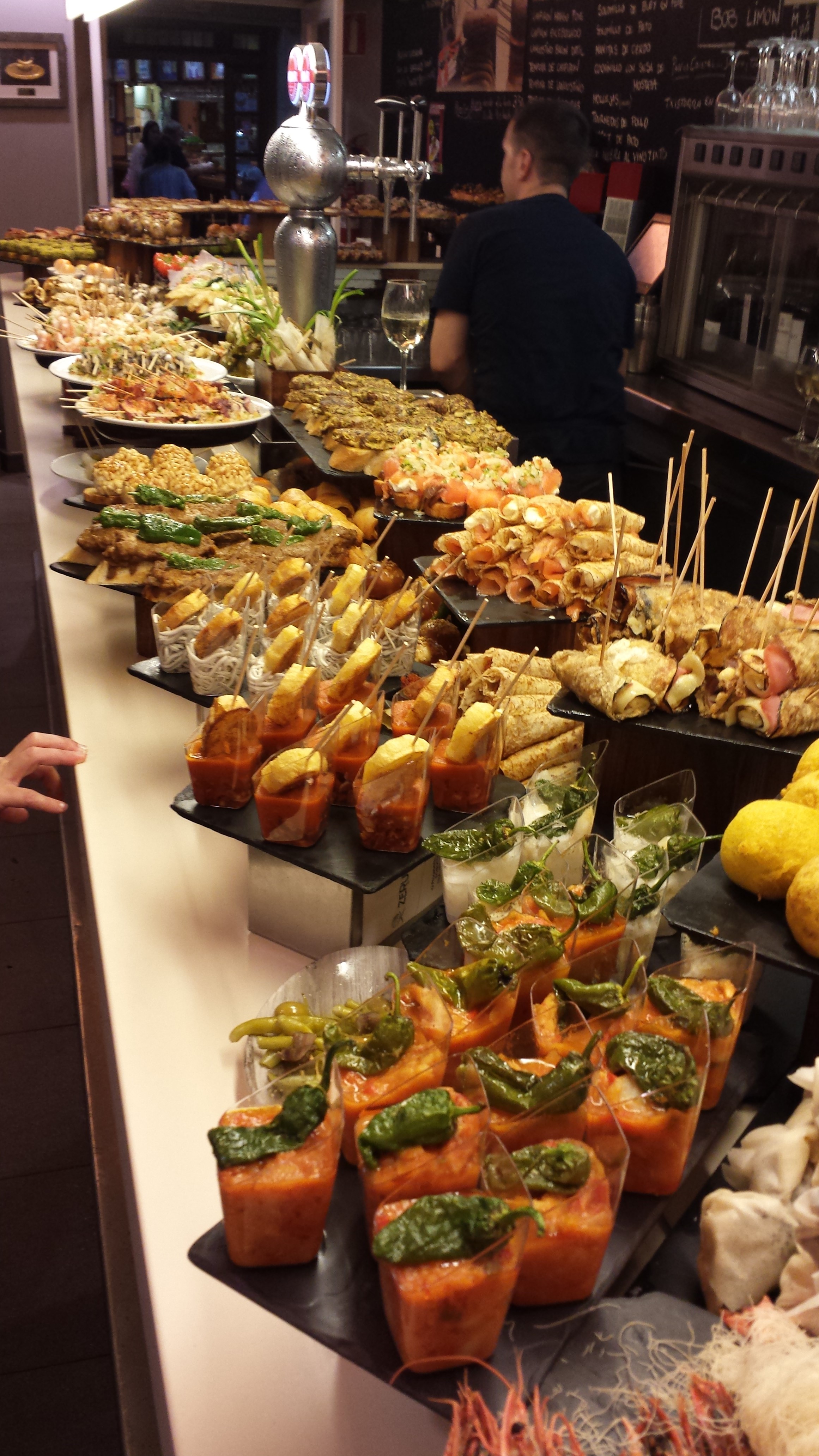
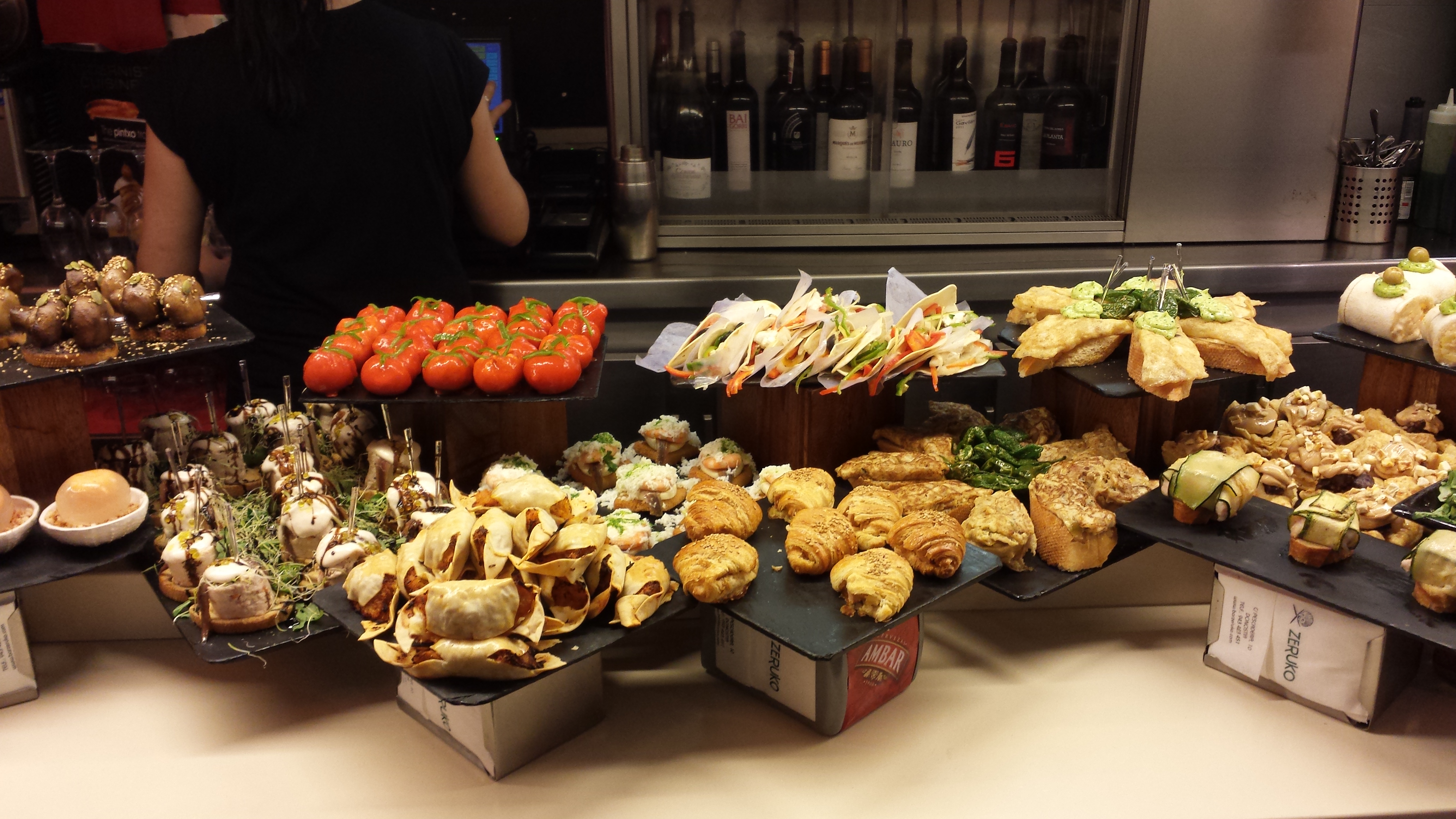
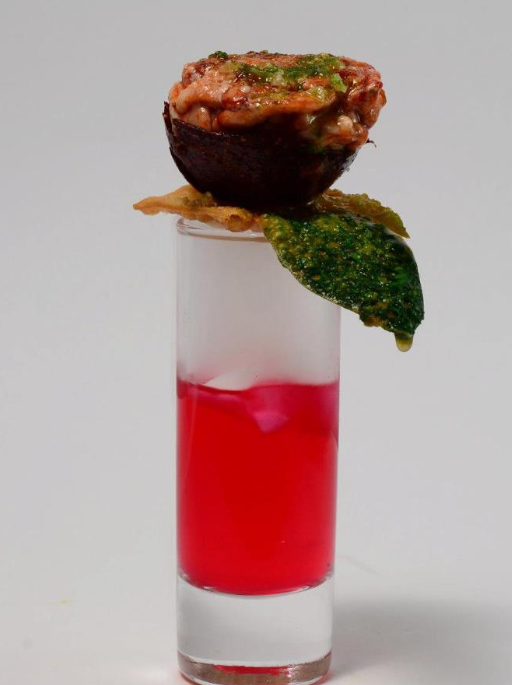
Bar Zeruko was the bar with the biggest and most advanced (modern) pinxtos. They didn’t have the classic pinxtos you can find in all the other bars you’ll find in the old part of town. They thought out of the box and tried (and succeeded) with use of local ingredients making special pinxtos and serving them with a little sauce or serving them to get a different eating experience. With the last I mean for example that they serve it like you would get it at a Michelin star awarded restaurant with for example a smoking plate or used special food pairing techniques… hope the pictures below show you what I mean!? If not, just go there and see for yourself 🙂 or look on their facebook page. Do try the Bob-limón as a dessert!!

Zeruko 01

Zeruko 02  Zeruko 04

Zeruko 03

IMG-20140916-WA0000

zeruko 11

Zeruko 07 Zeruko 09

Zeruko 10

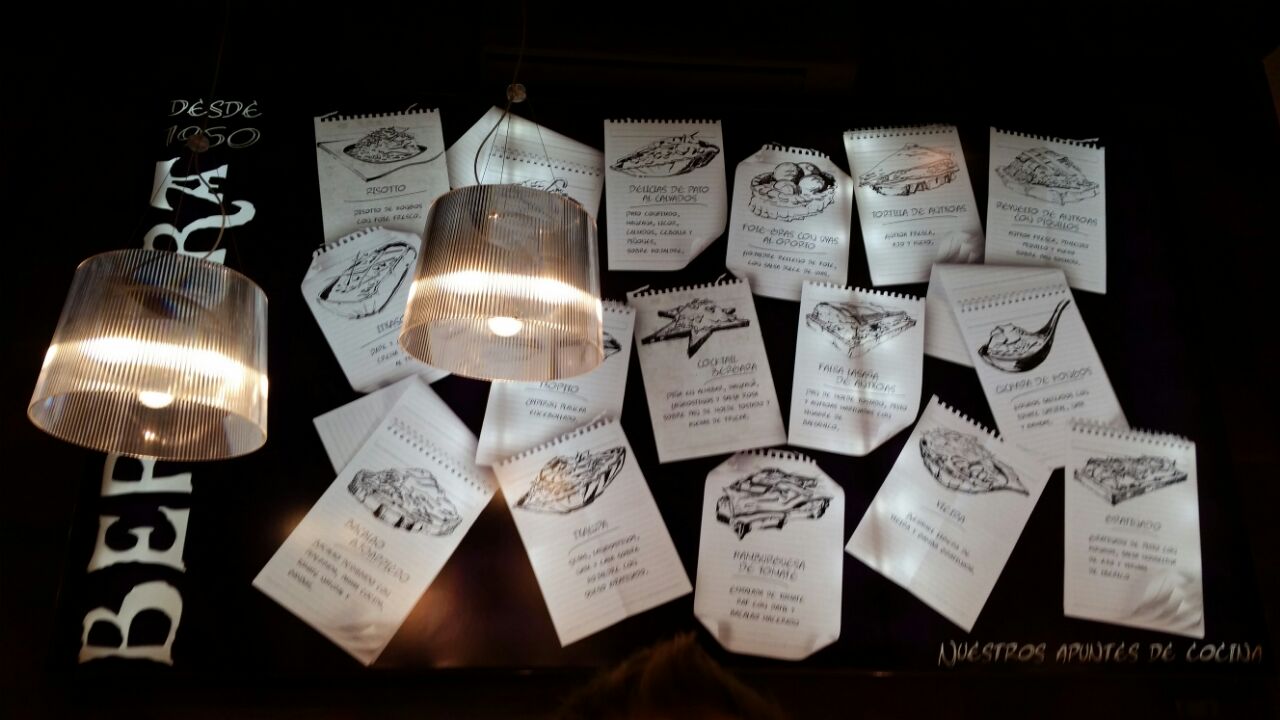
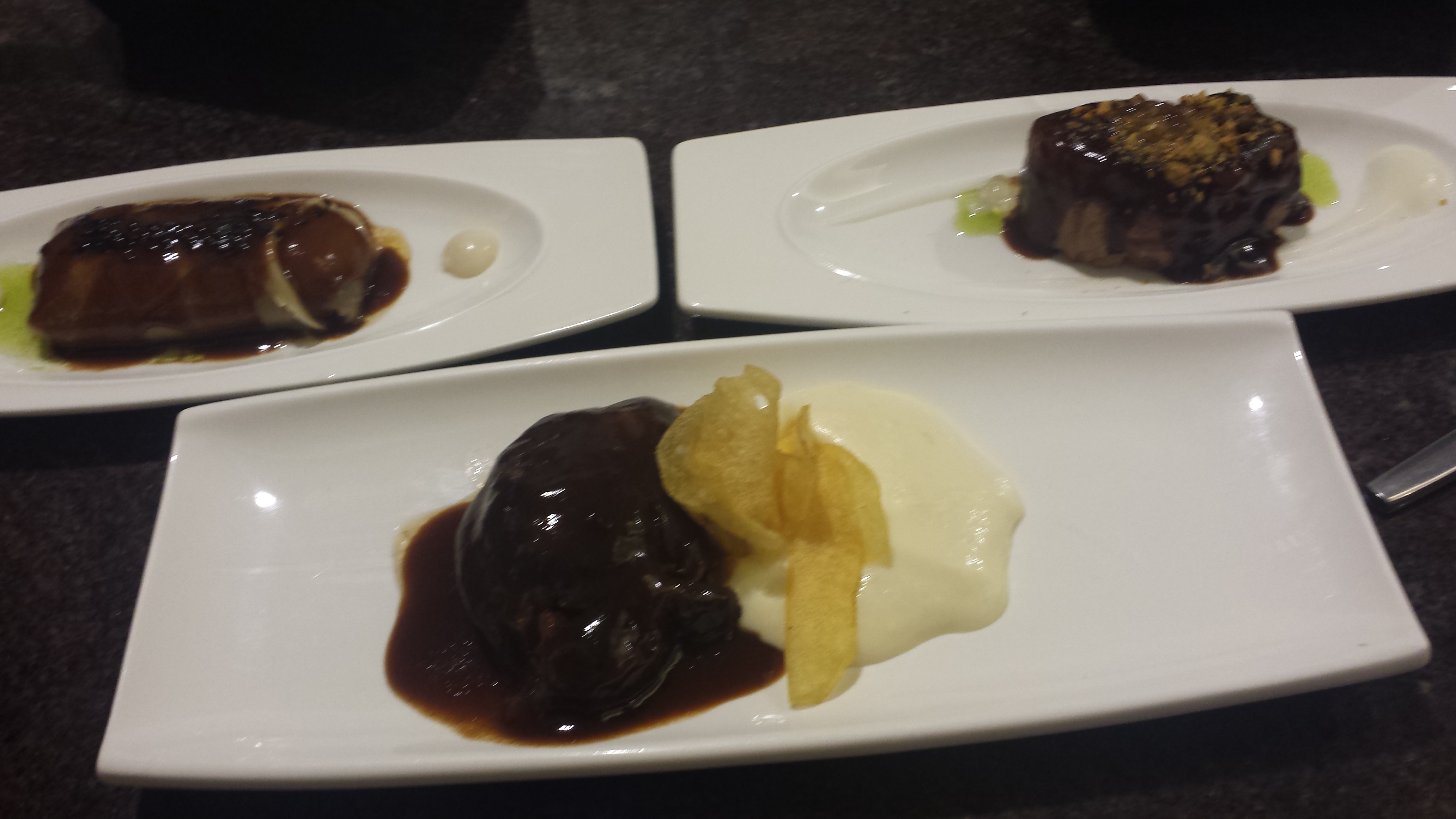
Bar Bergara on the other hand served more classic refined homemade pinxtos. What made them so special was that you could just taste they were all made with fresh ingredients and sometimes they did give some combinations you wouldn’t immediately expect to be good. Even something as ‘simple’ Iberian ham croquet, where most bars wouldn’t even bother of making them freshly and just buy them “freshly made” Bergara prefers making them themselves… but I’d choose homemade ones over the factory made any day!! They are so much more ‘moelleux’ and tasteful. It of course didn’t stop here… each single pinxtos was a delight to taste! Do try the Bakalao ajoarriero!!

 Bergara 04

Bergara 01

IMG-20140913-WA0003

Zazpi was a place we looked up ourselves and was also a big surprise. When we entered we weren’t sure what to expect as unlike in most pinxtos bars at Zazpi there were no pinxtos on the counter yet (besides olives and a tortilla). Again here we tried ALL their pinxtos (or almost) + salted potatoes with garlic mayo 🙂 (no, not the patatas bravas) and still don’t regret it one bit!! We did start of slow with only ordering 2 croquettes to see how they were, but my wife was so greedy she ate both of them 🙂 🙂 No, I’m just kidding… she was just so hungry that I gave mine to her and decided to order all the rest from on the blackboard for me :-). Here again they were able surprise me in the way of serving and the full taste of every pinxtos. My favourite however was the ‘’Cubo de Panceta’ as the taste in some way reminded me a bit of one of my all time favourite dishes Rendang (Indonesian dish)… but everything we got was very tasty no doubt about that.

Zazpi 01

Zazpi 02

Zazpi 03

The restaurants that are still on my list to try the next time I get to San Sebastian can be found below and are all tips from 2 guys who know their gastronomy and therefore I don’t doubt the level of the list below is exceptional… so if you get to try them before me, let me know 🙂

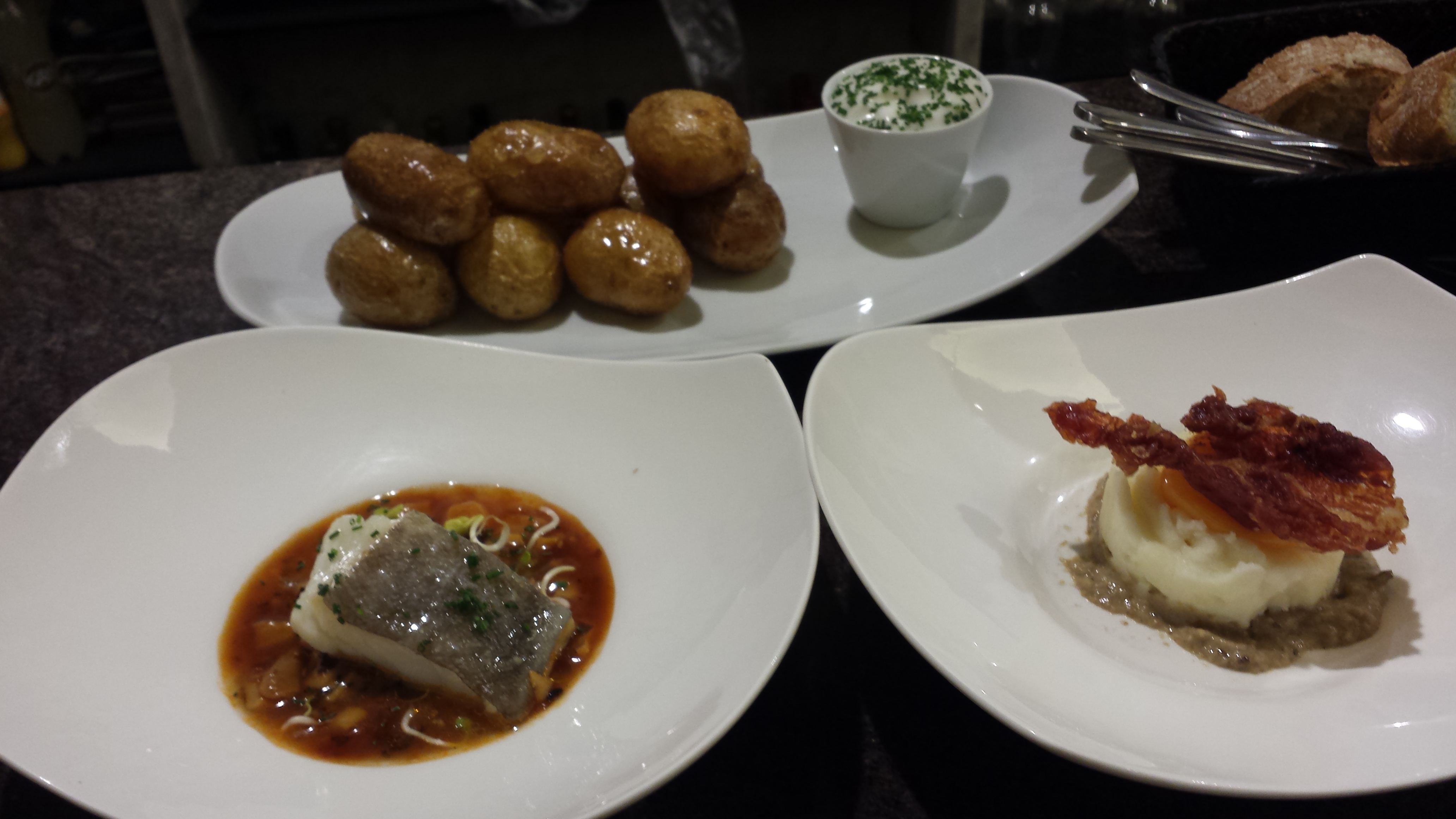
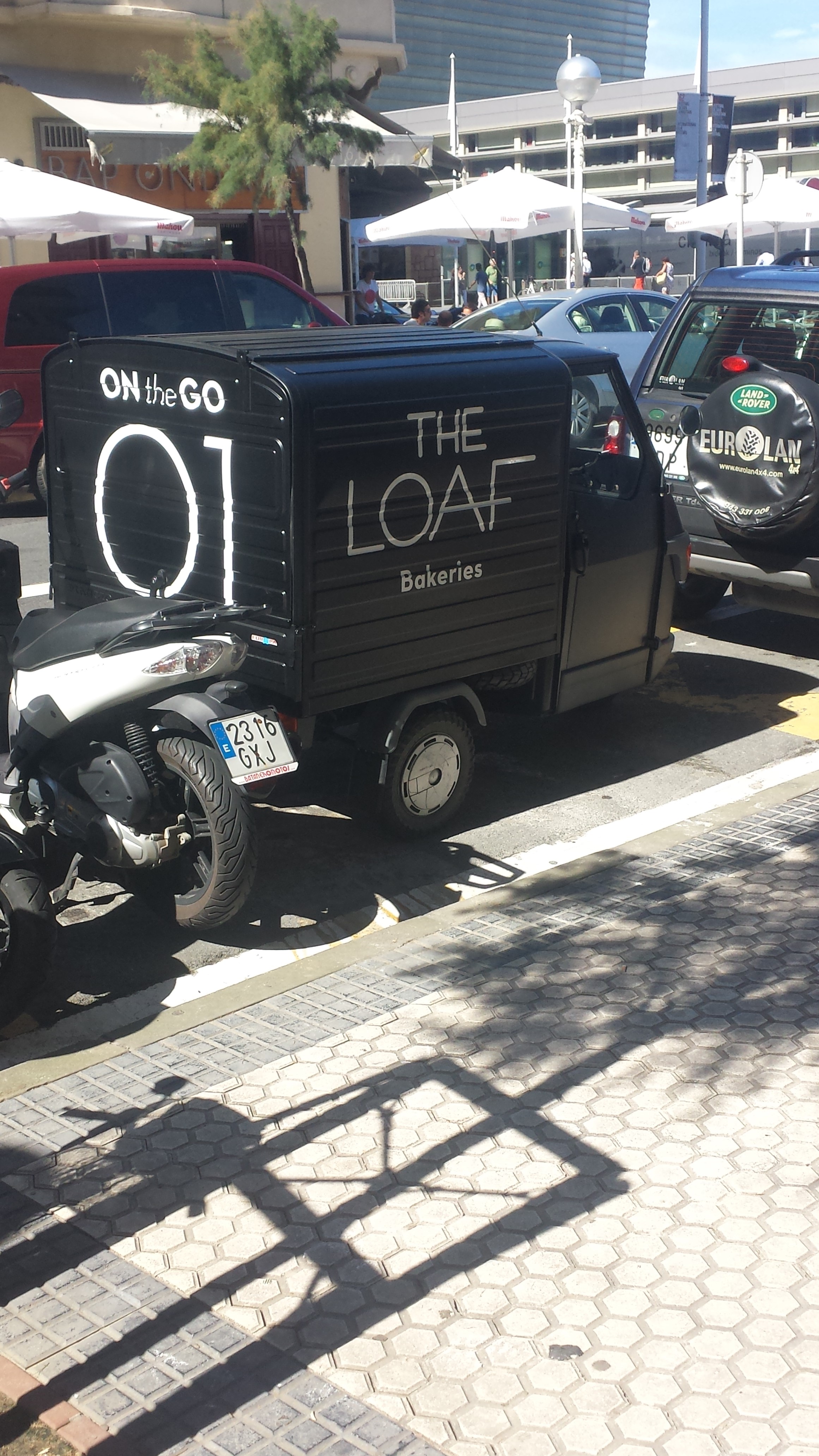
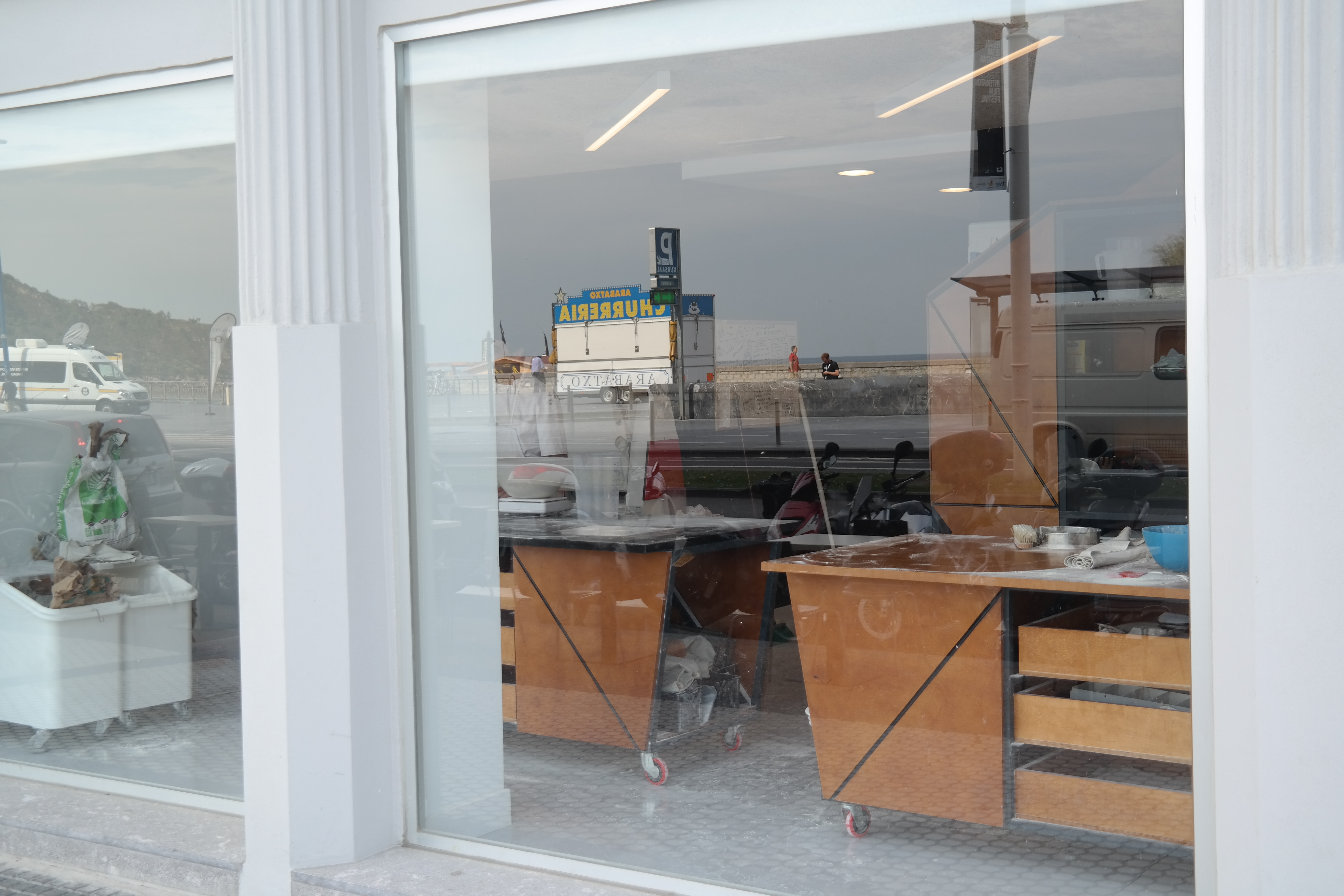
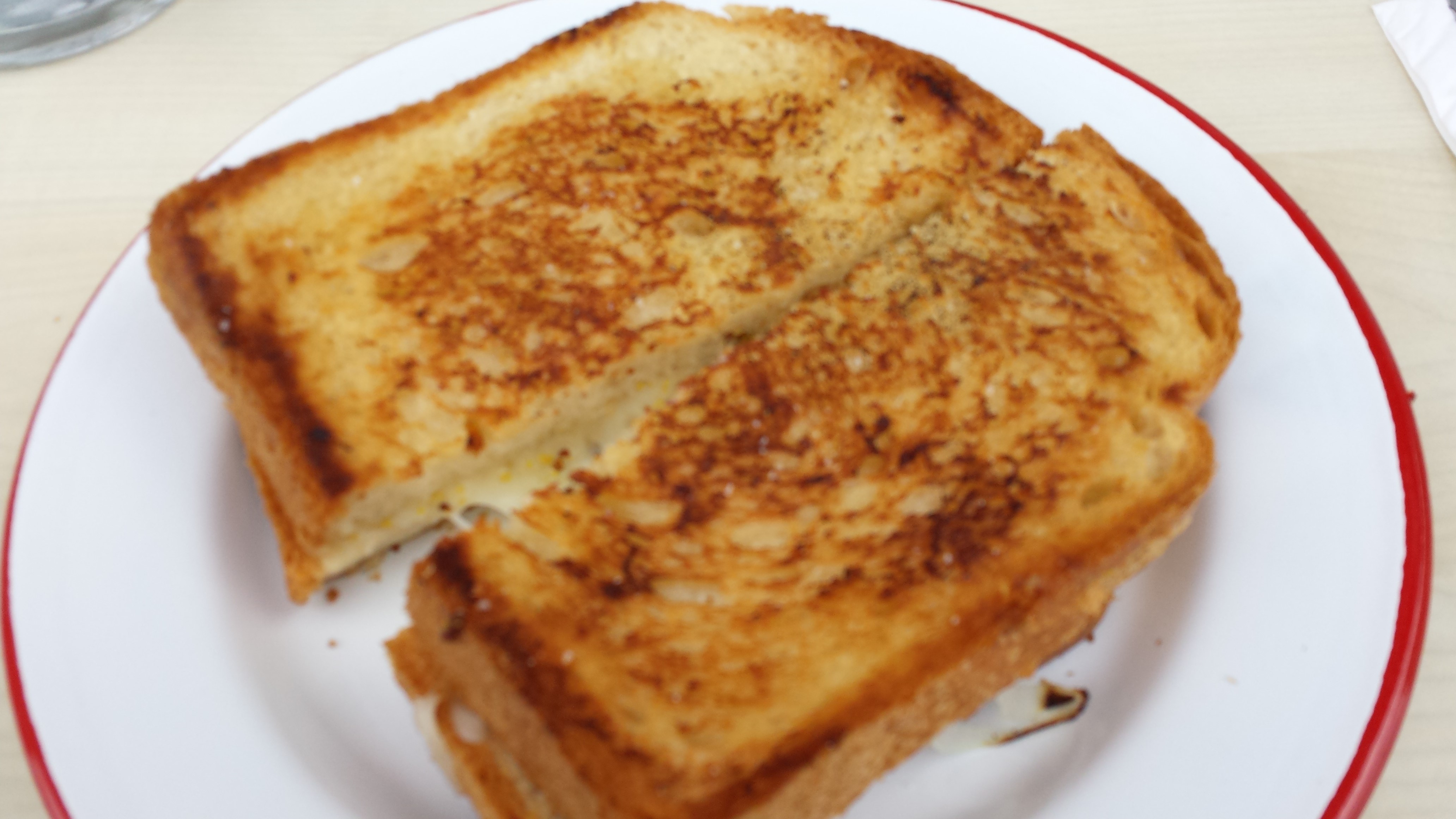
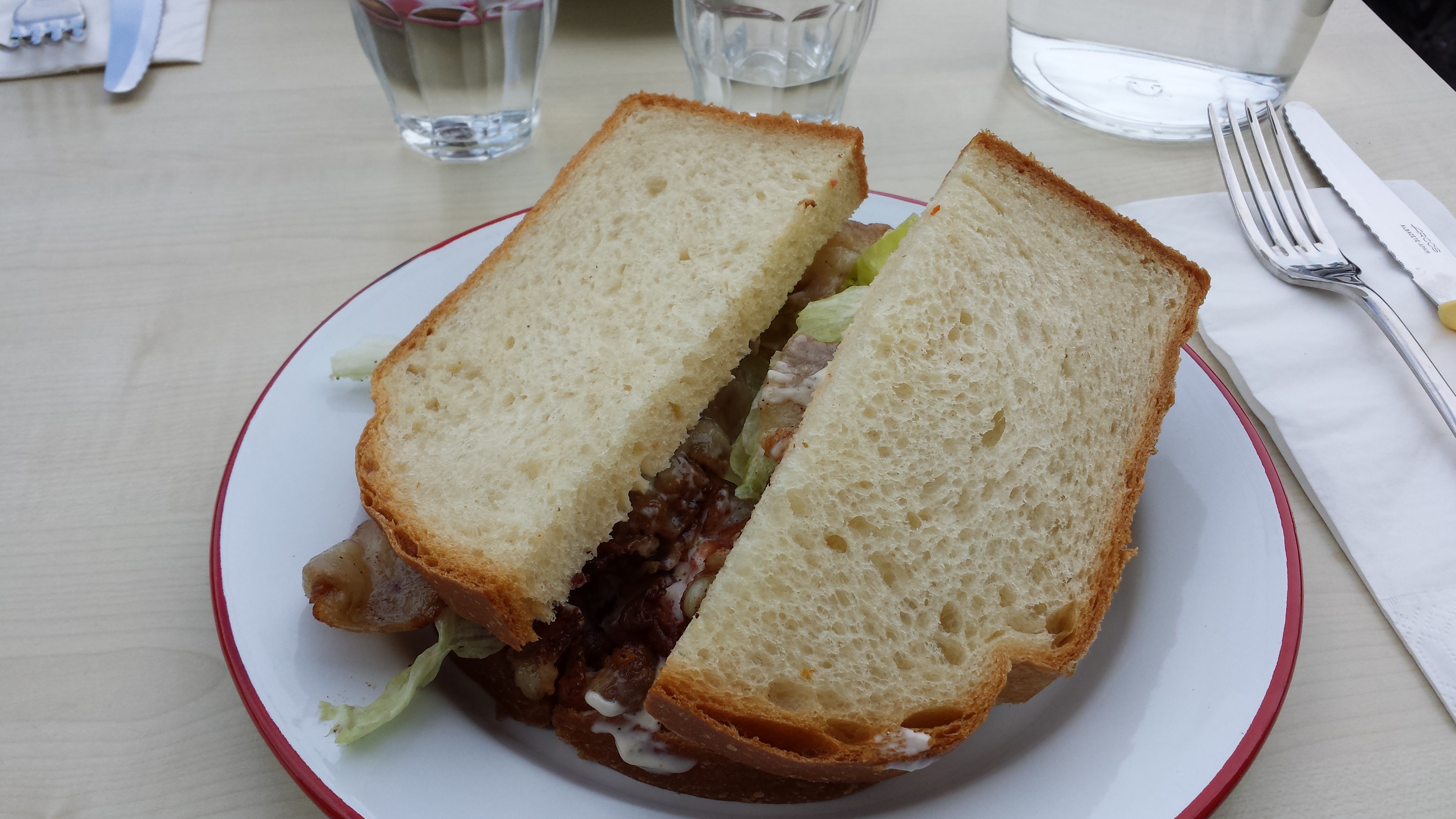
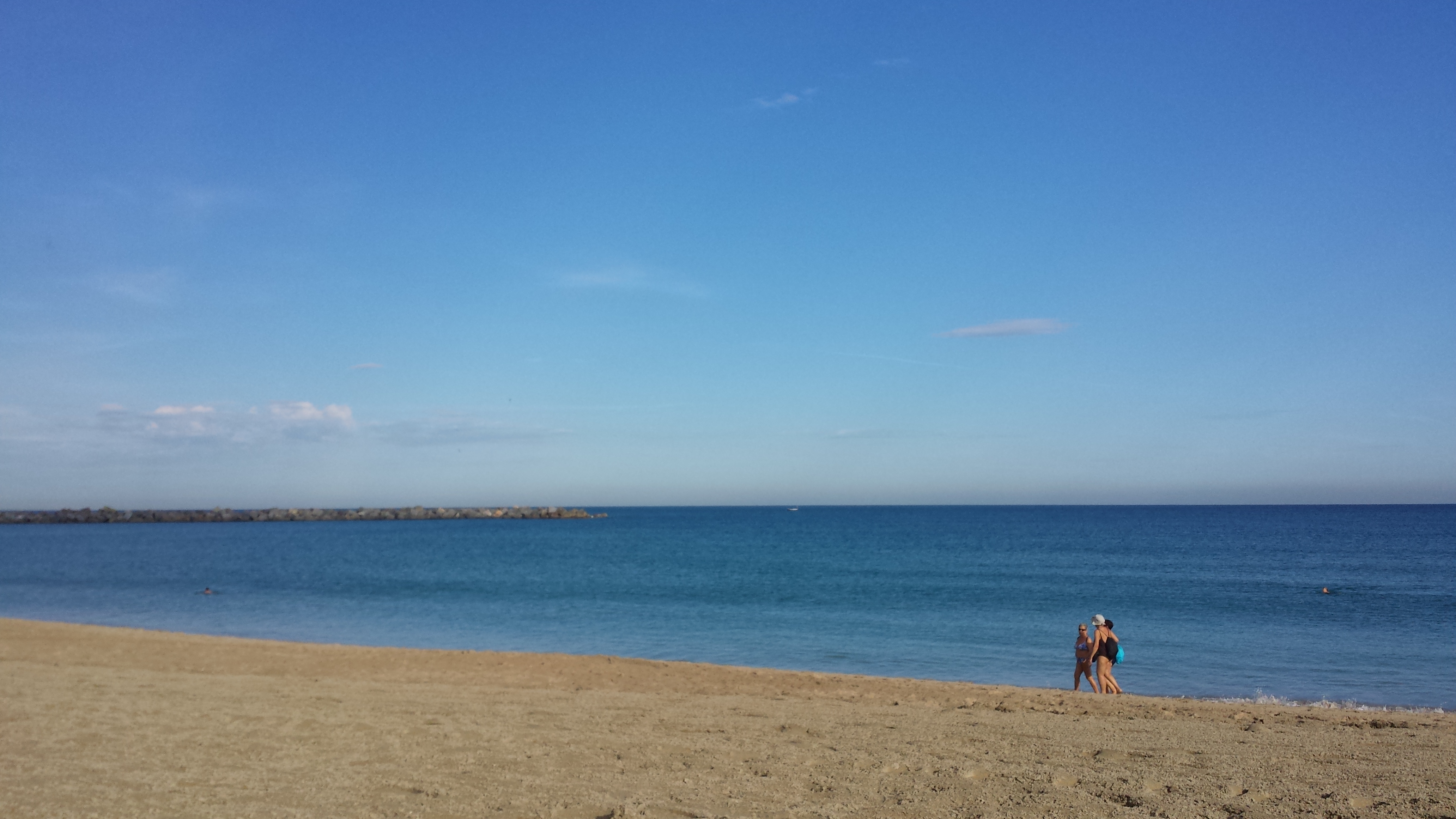
I was surprised there was such a big bread culture in San Sebastian. I love bread so this made me a happy camper!! With bread culture I mean that they have different kinds of bread in all their bakeries and there were lots of bakeries in San Sebastian. One of our favourites and our fix value for lunch during our stay was “The loaf”. One of those places where you cannot pass without walking in and having the thought you immediately want a piece of bread or cake 🙂 . For our lunch I would always buy some fresh cute ham from a local butcher, one sliced whole-wheat bread (pan integral in Spanish) and as dessert a brownie with nuts… to eat it on the beach… talking about lunch with a view (our view on picture below).  We also ate at Loaf itself once… also very nice I had a BLT sandwich and orange cake and my love had a grilled cheese sandwich.

The loaf 04

20140918_124714

SAMSUNG CSC SAMSUNG CSC

The loaf 01   The Loaf

The loaf 03

20140915_100102

San Sebastian is a true paradise for people who like eating as much as I do!!

To be continued….

My favourite places combined in 1

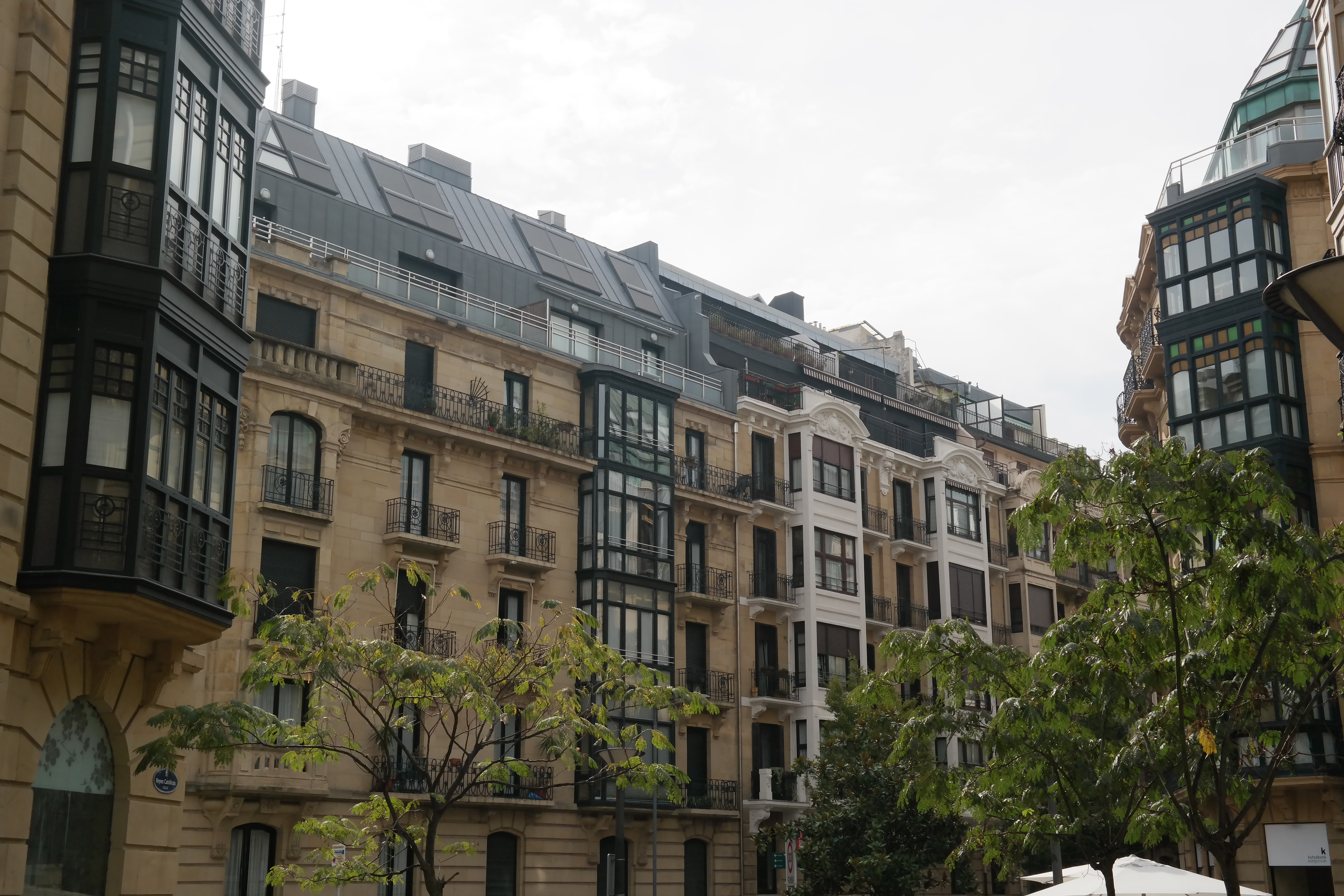
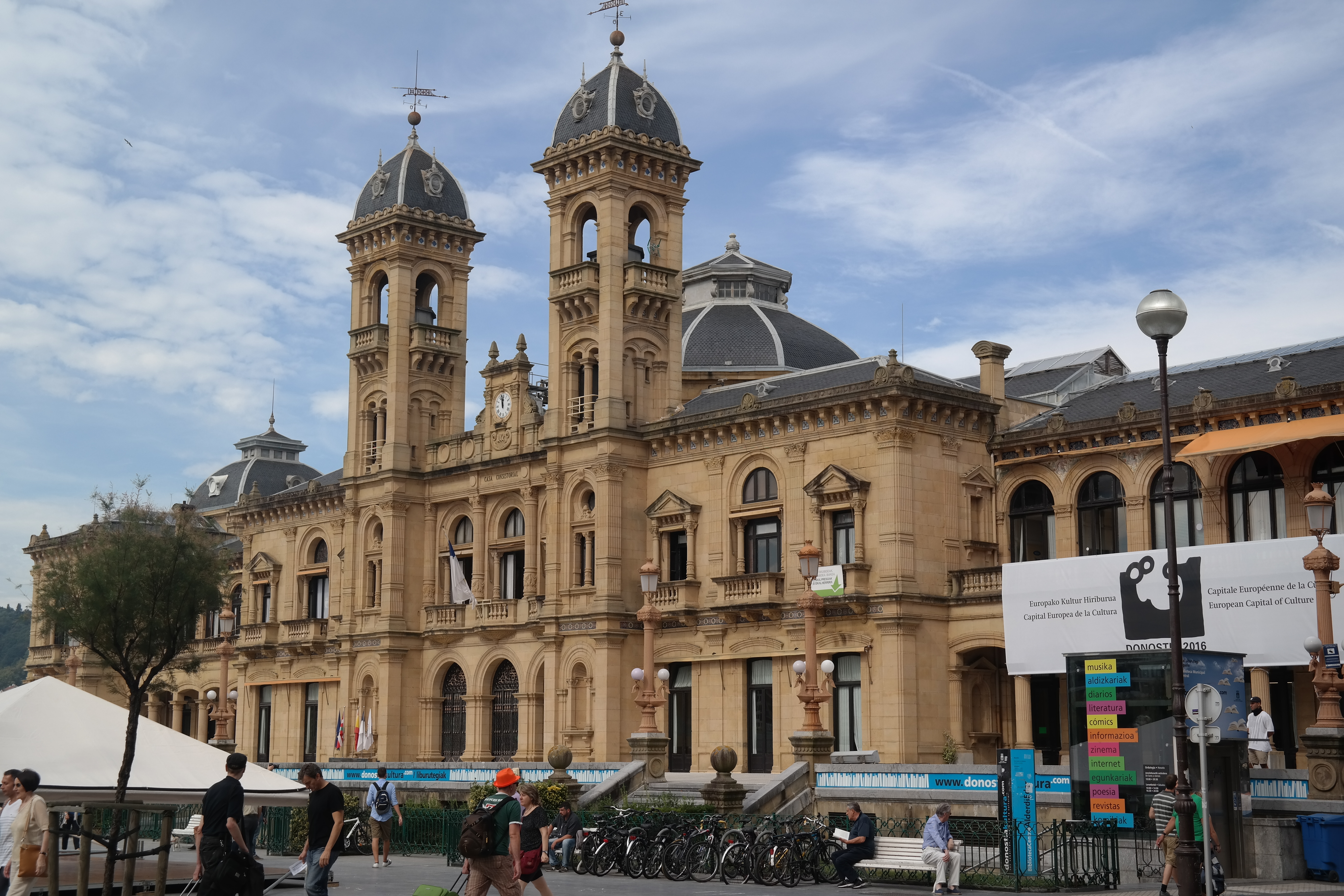
The last few years I’ve explored quit a bit of Spain. Last week it was Basque country time or better San Sebastian. This region/city has been high on my (and my wife’s) list for a while now and in the end met up to all our expectations!! I might even say it is/was one of our favourites if not the favourite in Spain until now. I immediately felt home in San Sebastian!! The only tricky part upon arrival was to get to our hotel as it seemed they had restructured some of the streets and our GPS didn’t know that yet 🙂 … But we got there alive 😉

San Sebastian city

For a long time before our departure for San Sebastian we were not 100% sure that we wanted to go after all… not because of the destination in itself, but rather because of the weather. Apparently San Sebastian or North Spain in general is known for its unpredictable weather and rather in the bad way… either we have been very lucky last week or the talk that is spread around the weather is not true?! We had 7 days of wonderful sunny weather aaaaand got to see Denzel Washington (he was there for the San Sebastian Film Festival) which made the sky even brighter 🙂 :-). We love Denzel!!

Denzel at Zurriola Beach by Zimbio

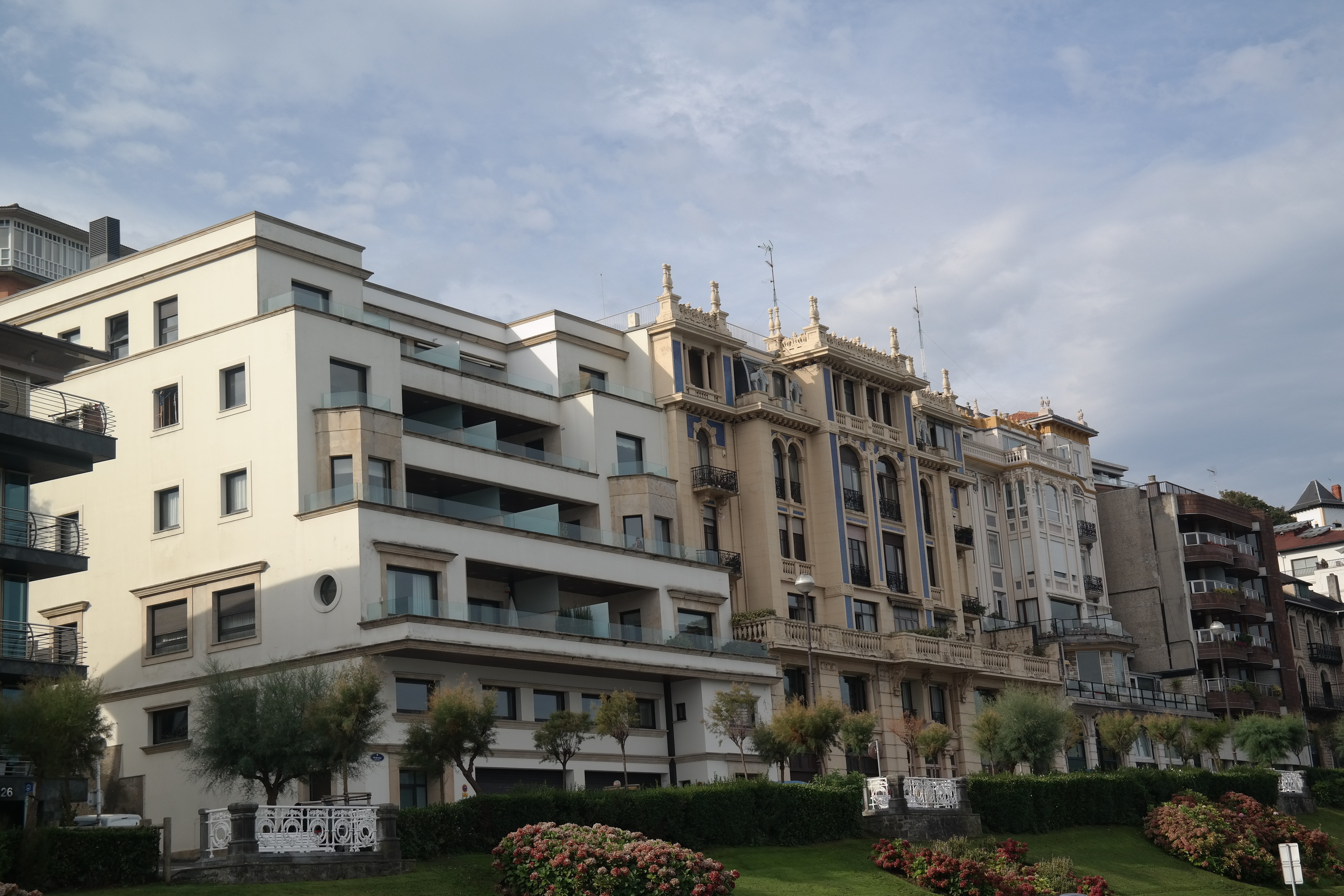
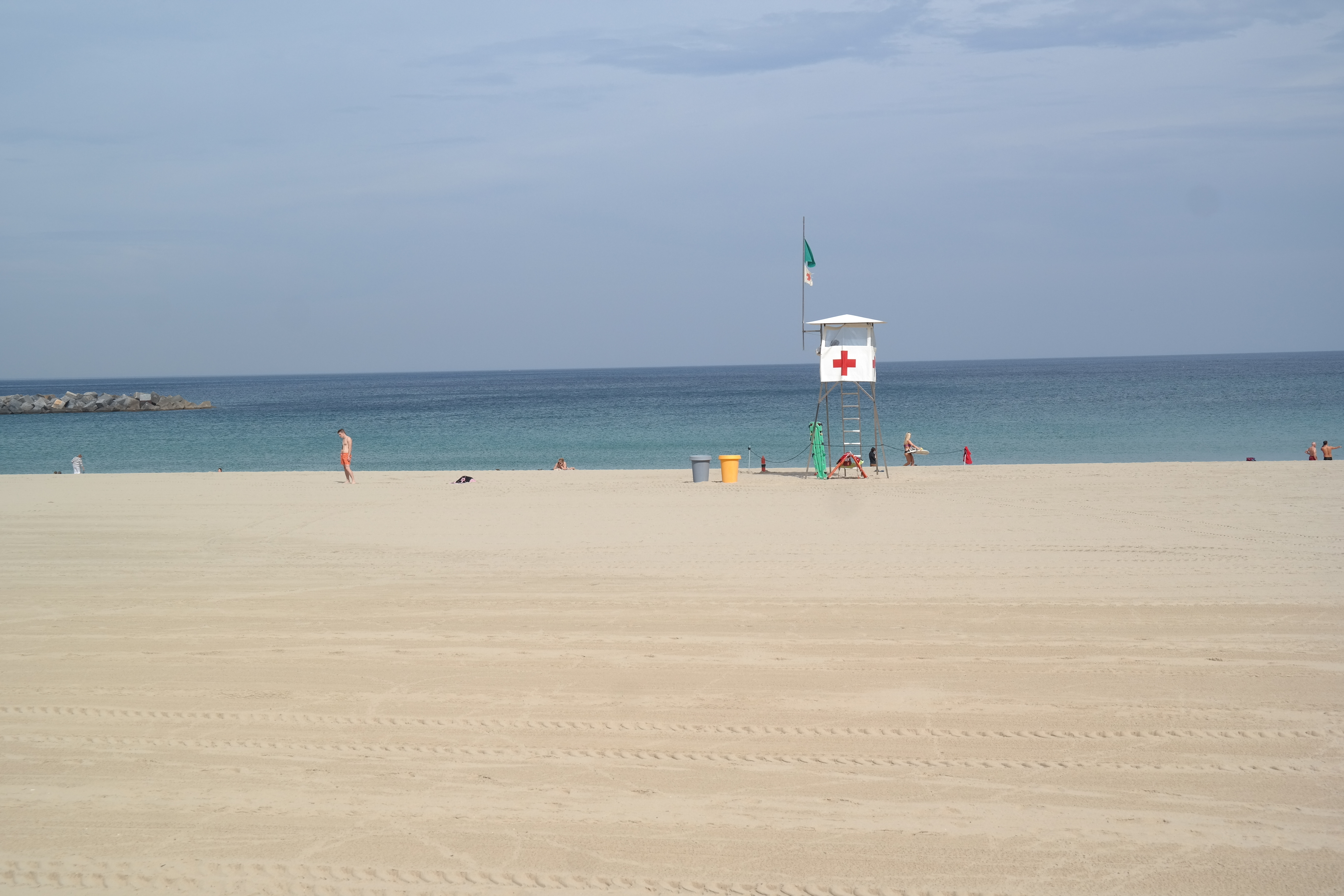
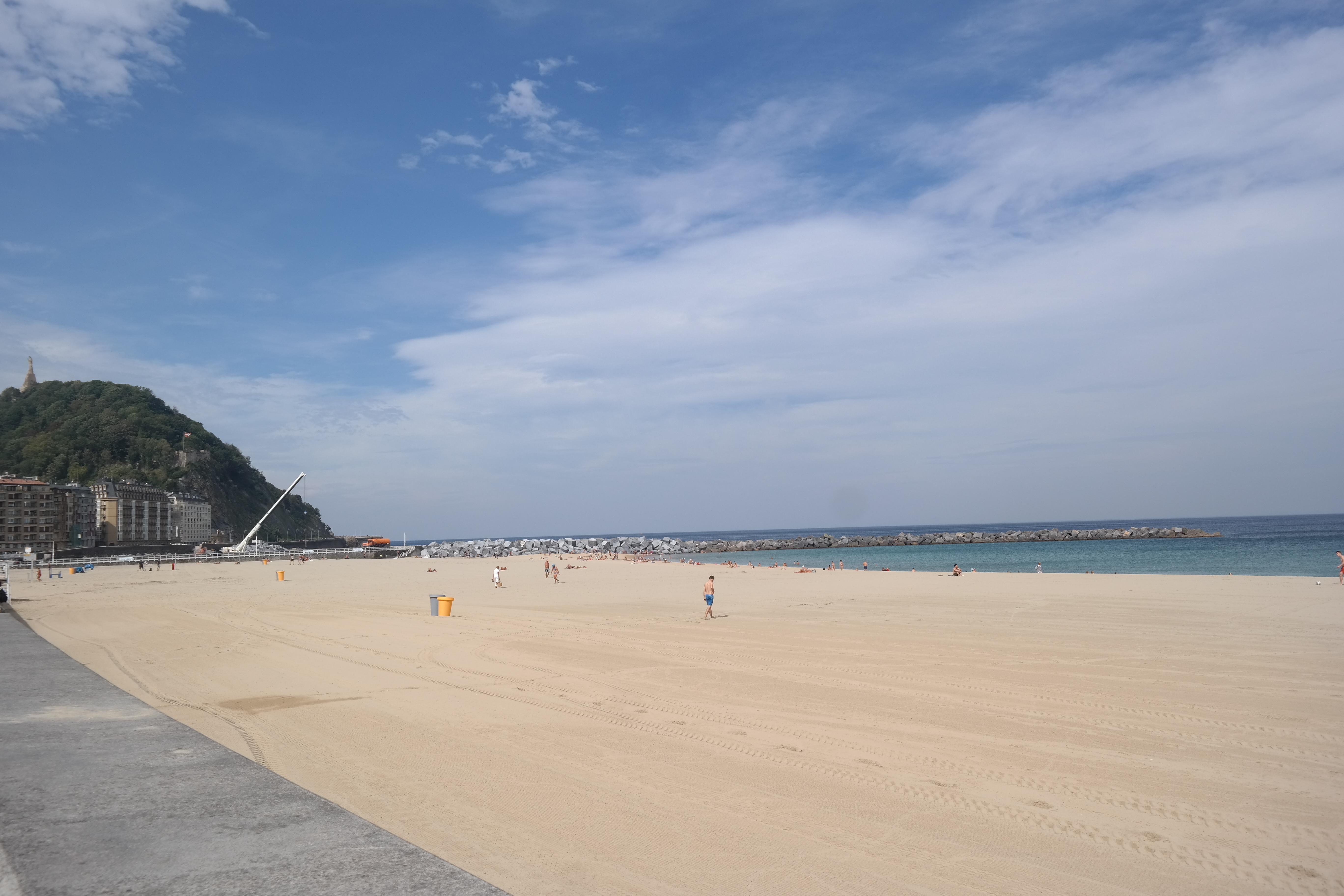
Walking through San Sebastian feels like you are waling through a city you’ve lived your whole life, it feels like home and in contrast to for example Barcelona felt much cosier. Of course San Sebastian is a lot smaller and has a much more beautiful beach (or even beaches) without big boats and ships passing. The whole time I was also trying to figure out how will I be able to put into words how beautiful this city is and convince everybody go at least go there once in their lives… True I might try to do this in all my blogposts, but that’s just to make it harder for you guys to decide to plan your next trip 😉 no no, when I’m enthusiastic about something there’s no stopping me to try to convince people… usually the first victims I try to convince are my parents 🙂 . This is also why I only write posts about what I liked…

I’m not sure with which city I would be able to compare San Sebastian though. The first ones that pop into my head would be for the home feeling of Antwerp, the beautiful buildings like Torino, a beach that reminds me of Costa Nova (Portugal) or Conil de la Frontera (Andalusia) and the life at night like in Seville. A unique place and a combo of some of my favourite places!!

 SAMSUNG CSC

SAMSUNG CSC

SAMSUNG CSC

SAMSUNG CSC

SAMSUNG CSC

SAMSUNG CSC

SAMSUNG CSC

SAMSUNG CSC

SAMSUNG CSC

SAMSUNG CSC

SAMSUNG CSC

SAMSUNG CSC

SAMSUNG CSC

The city of San Sebastian can be subdivided in a few parts with the most “important” (or at least the ones where we spend all our time) Gros (where we stayed), Parte Vieja (Old town), Centro, Amara Viejo and Amara Nuevo(In case you want to know all the parts of town). There are 3 city beaches La Concha, Ondaretta and our preferred and in our part town beach Zurriola (also well known with the surfers). It would take you a bit more than 1 hour walking (for me at least) to get from Zurriola to the end of Ondaretta beach… just FYI 🙂 this way you know the distances are not enormous is San Sebastian

Tourist map san sebastian by San Sebastian tourism

La Concha Beach

SAMSUNG CSC

SAMSUNG CSC

Zurriola beach

SAMSUNG CSC

SAMSUNG CSC SAMSUNG CSC 

During our trip we stayed at the Pension Ondarra in the as mentioned Gros part of town which is the less touristy part of town (so basically a bit calmer and the way we like it 🙂 ). The big difference between a pension and a regular hotel would be that at a pension you can only sleep, so there is no breakfast possibility. Besides that everything is the same. Some might see it as a disadvantage that you can’t have breakfast, but we just had to cross the street for a bakery where we could eat… and if that one wasn’t of our liking (but it was) there were at least 10 bakeries where you can have breakfast in the near area 🙂 . We also saw it as a way to mingle with the locals and do s the locals. It really didn’t bother us. Before I forget I must thank Tom and Veronique for giving this tip!! The fact they only had 5 rooms made it again cozier (and we had a car parking 2 minutes from it only for 10EUR a day) then a regular hotel with +100 rooms. For people who want more luxury and a wonderful breakfast I would advice to go to the Maria Cristina Hotel.

SAMSUNG CSC

Pension Ondarra

To be continued ….

Top lunch with Top sommeliers at a Top location

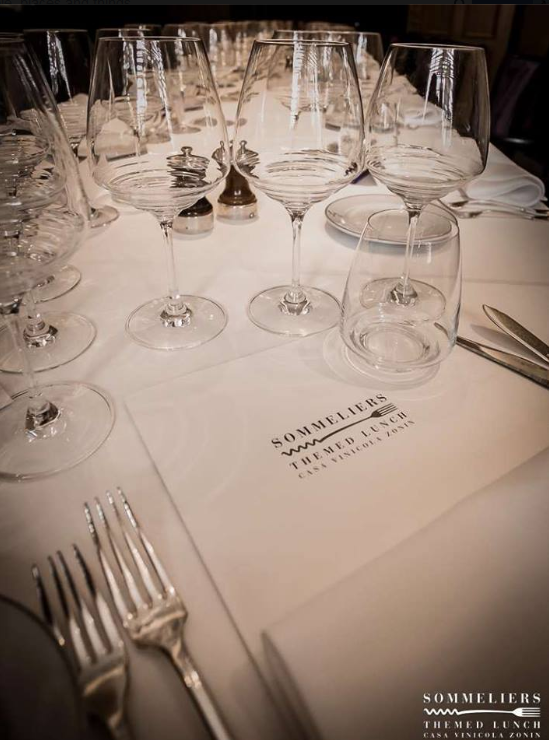
It is not every day that you get a blind wine tasting lunch in the company of 11 top sommeliers and if they then add that it is at Villa Lorraine in Brussel aka one of the most historical restaurants in Belgium, one just cannot refuse. For those who don’t know Villa Lorraine, this was the first restaurant outside of France to be awarded with 3 Michelin stars in the 1970’s. In 2010 after 61 (opened in 1953) and the founder’s death, Marcel Kreusch ‘s family decided to sell the restaurant. Nowadays it is head chef Alain Bianchin taking the lead and making sure very delicious dishes leave the kitchen. Since the re-opening 4 years ago Villa Lorraine has already been awarded again with 1 Michelin star. FYI The restaurant is divided in 2 parts. One part is the “gastronomical” part and at the other side there is a brasserie, where in case you find a bit more economical or better less “complicated” but still very refined dishes on the menu than at the Michelin awarded part.

Themed lunch group picture

Before I continue I do want to add that for this post I chose to use the pictures taken by the professional photographer (Pascal Hermans) from  that was present during the lunch as I would never be able to make such beautiful pictures myself. Just FYI in case you thought I became a great photographer over night 😉

Villa Lorraine resto

 Villa Lorraine resto 1

Villa Lorraine resto 2

Villa Lorraine resto 3

Villa Lorraine resto 4

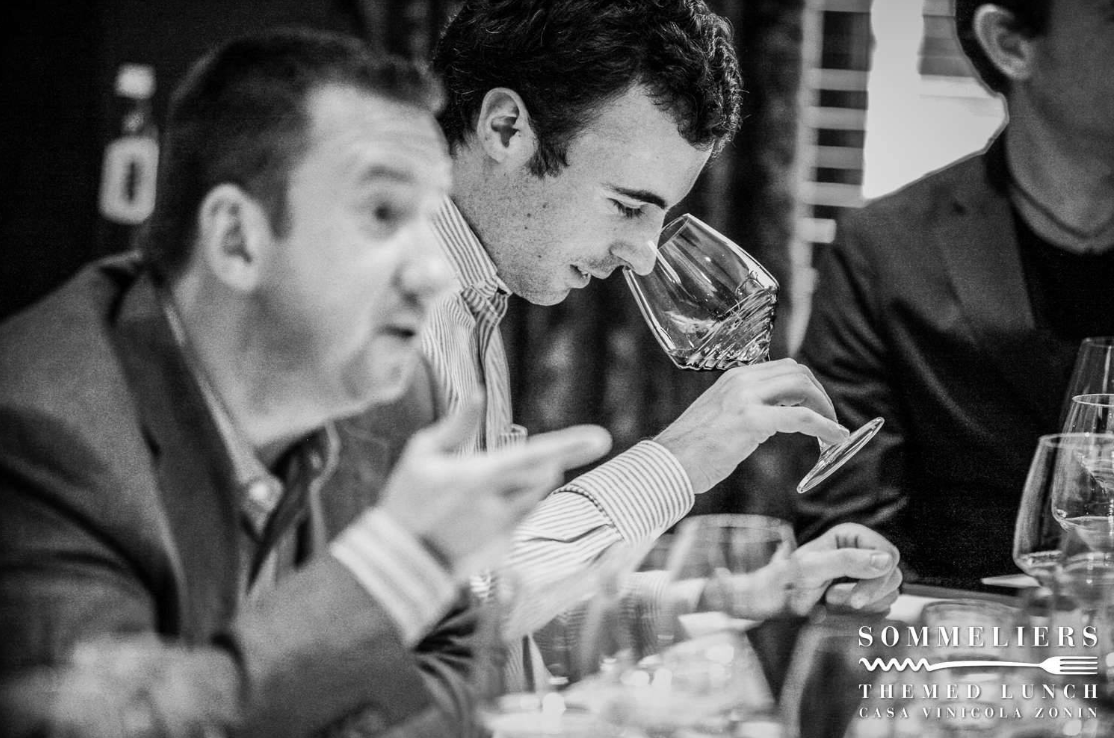
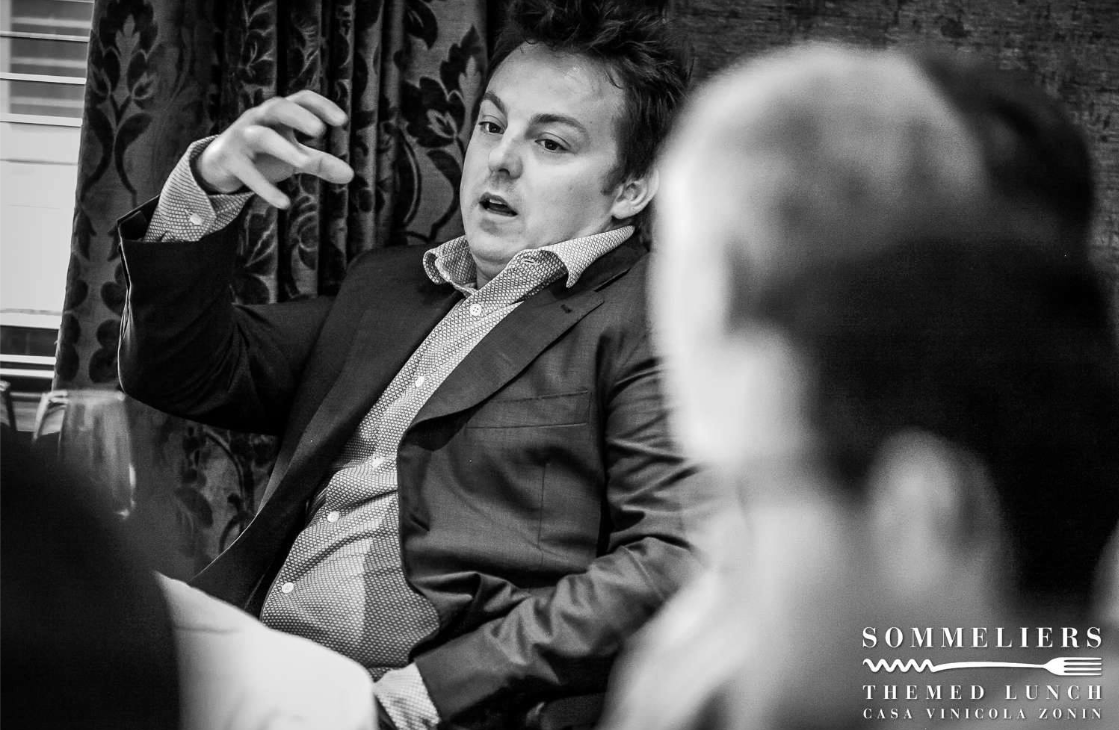
The aim of this lunch was to learn more about and to discuss the theme wine(s) and to get to learn new products or get a new impression of ones you already knew. I also think there’s no better way to do this than amongst professionals (besides me, as I’m not a pro yet) This is why  they had brought togehter 11 top sommeliers like William Wouters (previous Comme Chez soi, Villa Lorraine) Cesar Roman (Comme Chez soi), Gregory van Acker (De Jonkman), Antoine Lehebel (Villa Lorraine) Luca Gardini (Italian sommelier nominated in 2010 as World’s best sommelier) to name a few and Lorenzo Zonin (winemaker and ambassador of Zonin winery) who was also the person who to take the initiative to have this kind of lunch. To make the lunch more fun and also more open for an honest discussion he  decided to make  the wine tasting during the lunch a blind tasting. Due to the fact that you don’t know the wine you are actually tasting you won’t be influenced by its name or the vineyard and therefor you’ll be more honest in your responses. What basically happened during the lunch is that with every course we got 3 different wines from which (without being able to see the bottle) you had to tell if the wine was either French or Italian and from which Vintage it was 🙂 . This is where you separate the boys from the men and you get to see how the pro’s do it 🙂

themed lunch 1

themed lunch 2

themed lunch 3

themed lunch 4

themed lunch 6

themed lunch 9

themed lunch 7

themed lunch 8

It was Lorenzo Zonin himself  who had picked out the wines for the blind tasting, both wines from their own estates as from French friend estates. Which shows that winemakers are also open for other wines then their own :-). Unbelievable but true, 3 people where able to guess the country and vintage of all wines… I unfortunately wasn’t one of those 3, but I was pretty happy with my result that from 95% of the wines I was already able to tell if they were French or Italian. (Proud of myself). In my defense, I don’t get to taste new wines every day like a pro :-). The problem with these kind of tasting (for me) is that lots of times the wine smells and tastes familiar, but I just can’t put my finger on which one it is or from where I know the smell. Just like with sports or with anything you want to be good at, here it is also practice that will help you to get better and good guidance by a pro (which I’m very happy to have).

I’m sure you guys are very curious on finding out which wines it were we had to guess and what we ate with it? I’m gonna tell you anyhow (even if you don’t want to know 😉 ) and I’ll be honest what the answers were that I thought they were (the ones that I can still remember that is 🙂 )

After some bubbles (Ca’bolani prosecco) to open out taste buds it was time to start our lunch and the real work. For our first course, raw and smoked salmon with a dill cream we were served the following wines:

  • Wine 1: 2013 White Bordeaux by Doisy-Daëne -> very floral smell, but you could immediately guess it was from Bordeaux
  • Wine 2: 2009 Aquilis by Ca’bolani -> I first thought this was more a Vernaccia from Monte Oliveto, but I was wrong 🙂 (but at the moment itself I wrote Vermentino, but I actually mend Vernaccia)
  • Wine 3: 2008 Sancerre Blance by Vincent Delaporte (from Chavignol terroir). This was the most difficult to guess from the white wines. Couldn’t immediately place it, besides it being from France.

20140825_125323

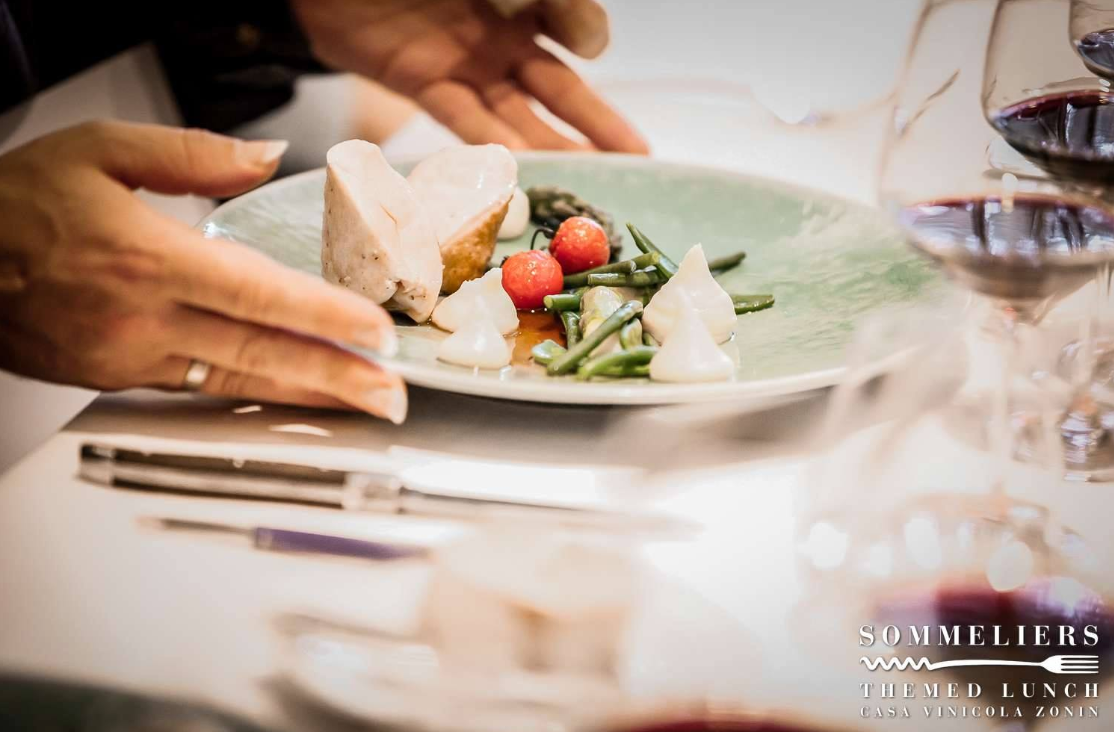
The mean course we got served Cuckoo from ‘Malines’ with girolle mushrooms and grenaille potatoes.  I glad they chose for a lighter main course. Very soft flavors and cooked “comme il faut”.

themed lunch 10

themed lunch 11

themed lunch 12

20140825_132548

With this dish we were served the following wines

What followed was some cheese. Now I’m not sure that you know this, but I’m not a cheese lover, so I just had the salad… I know, I have already tried it a lot, but most cheeses just don’t float my boat.

20140825_140225

  • Wine 7: 2009 Acciaiolo by Castello d’abola: One of my favourites from the Zonin Gamma and is the best of Tuscany in a glass.
  • Wine 8: 2011 Château Valandraud: This what a tricky one :-).
  • Wine 9: 2011 Symposio by Principi di Butera: the thing with southern wines like this is that they seem aged, but in fact aren’t. The reason for this is the strength of the grapes and its alcohol percentage (thanks to the lots of sunhours year round)

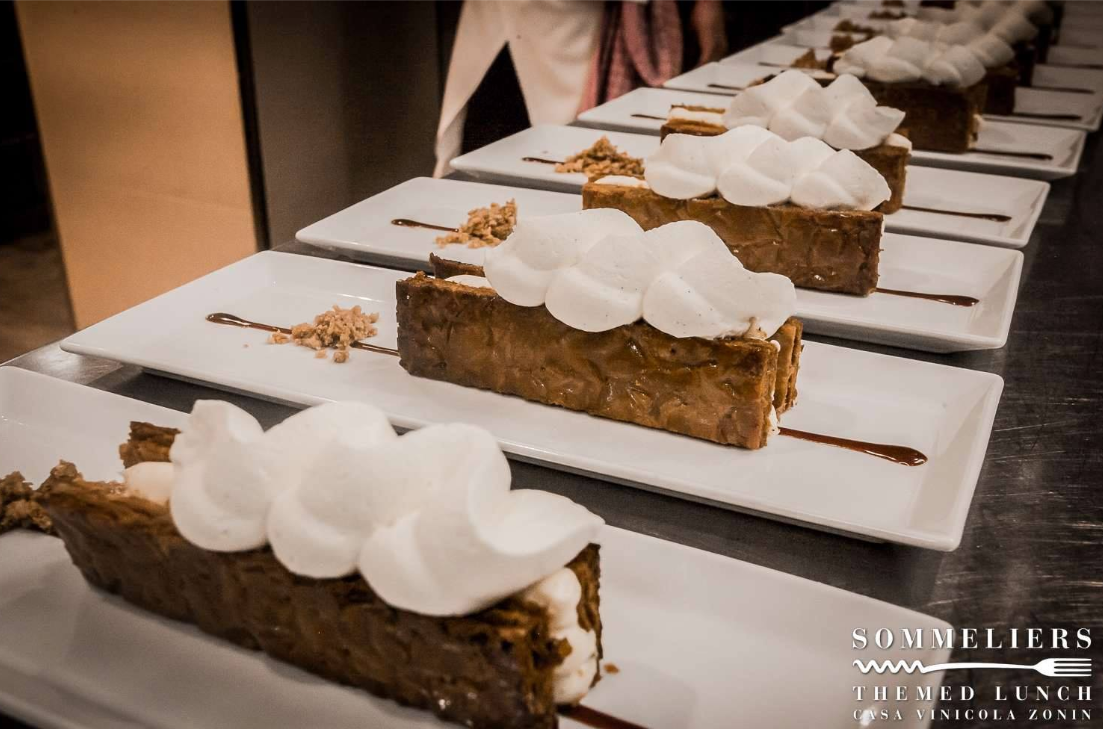
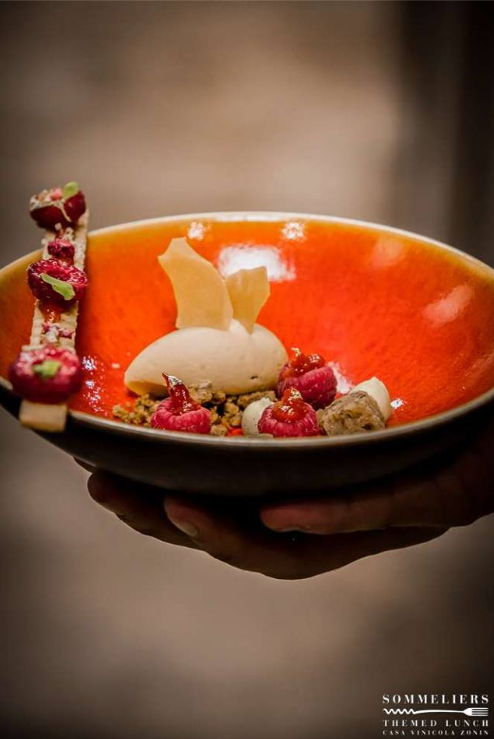
One just has to end the meal in beauty, both for the food as the wine. For as far as the wines were concerned 1 I recognized immediately as it is one of my favorites and one of the best of its kind aka the Vin Santo from Castello d’albola. Like an angel peeing in your mouth….For the dessert or better desserts 🙂 Yes one cannot stand on 1 leg very long. I’m sure the pictures of the dessert say enough?

dessert 1

dessert 2 dessert 3

dessert 4

dessert 5

Just for the record, the wines we had with our desserts

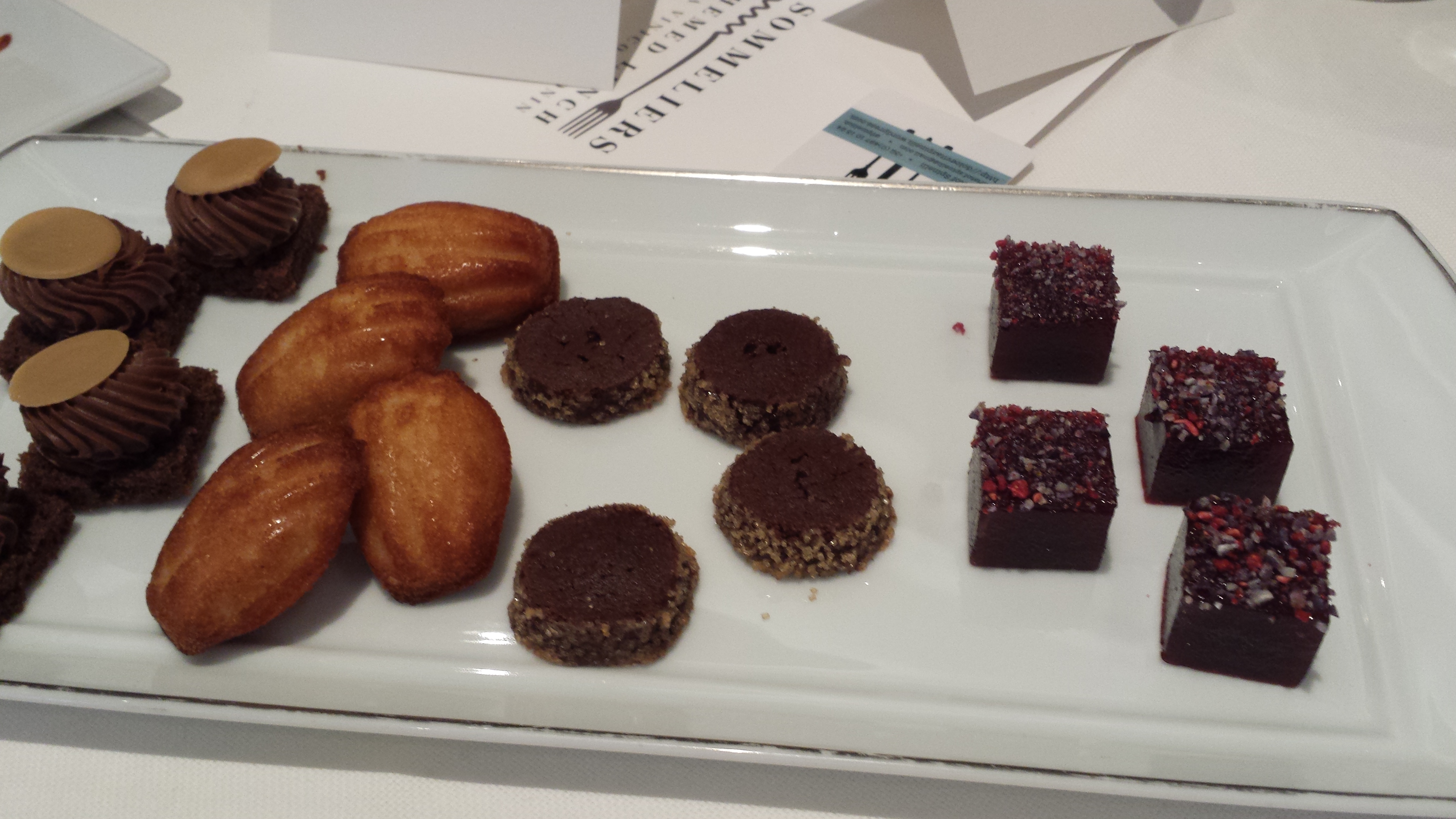
And as this was not enough I enjoyed another glass of Vin santo with some ‘friandises’

20140825_152809

FYI, this was a tasting, so we didn’t always drink the entire glasses of wine 🙂 just a sip of every glass…

20140825_151444

I couldn’t encourage initiatives like this more than I do know… may lots of these follow!!I had a wonderful meal and wonderful wines….

The moral of my blog post and this lunch is basically that wine is such a wonderful product and that even-though you might drink it every day, there is more in it than that… I mean so many new tastes to discover and when you think you know something 100% I’m sure one moment or the other you’ll be proven wrong. Basically a subject where the conversations about it will never stop. The outcome of this lunch is that everything we wrote down about the wines during the tasting will help wine estates like Zonin to keep making good products for everybody’s taste. So basically next time you taste a wine you’ll know that for 1 millionth I helped making that wine 🙂 🙂

I do know that not everybody will be able to have a tasting this way, but I’m sure if you go to Villa Lorraine (or any other restaurant with a good sommelier) and ask Antoine to surprise you with the wines and keep it a secret until the en… I’m sure he’ll be more than happy to take you on a journey through the wonderful world of wine!

One last special message to Gregory: I didn’t forget that you’re going on holiday to Santorini (it only took you to tell me 3 times) . The reason I’m saying this is because I asked Gregory 3 times during the lunch where he was going on holiday (I swear it was NOT the wine and I was listing to what he was telling, I sometimes just forget quickly) 🙂 🙂 🙂

Thanks again to everybody for making this such a great experience! Also a special thanks to Hasselt Millesime (especially Cathérine) for helping Lorenzo getting this organized in Belgium!!

Refined mountain food

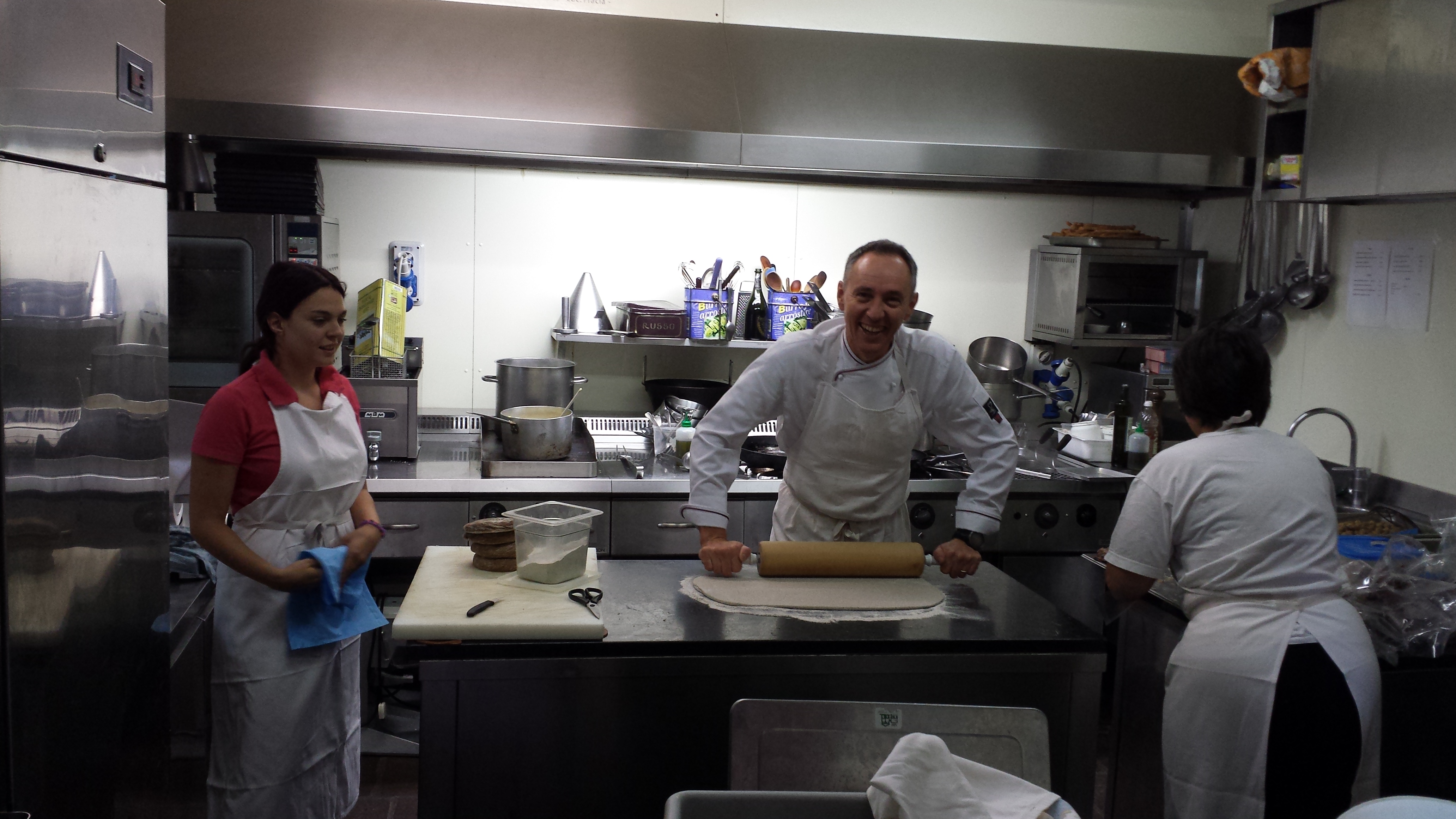
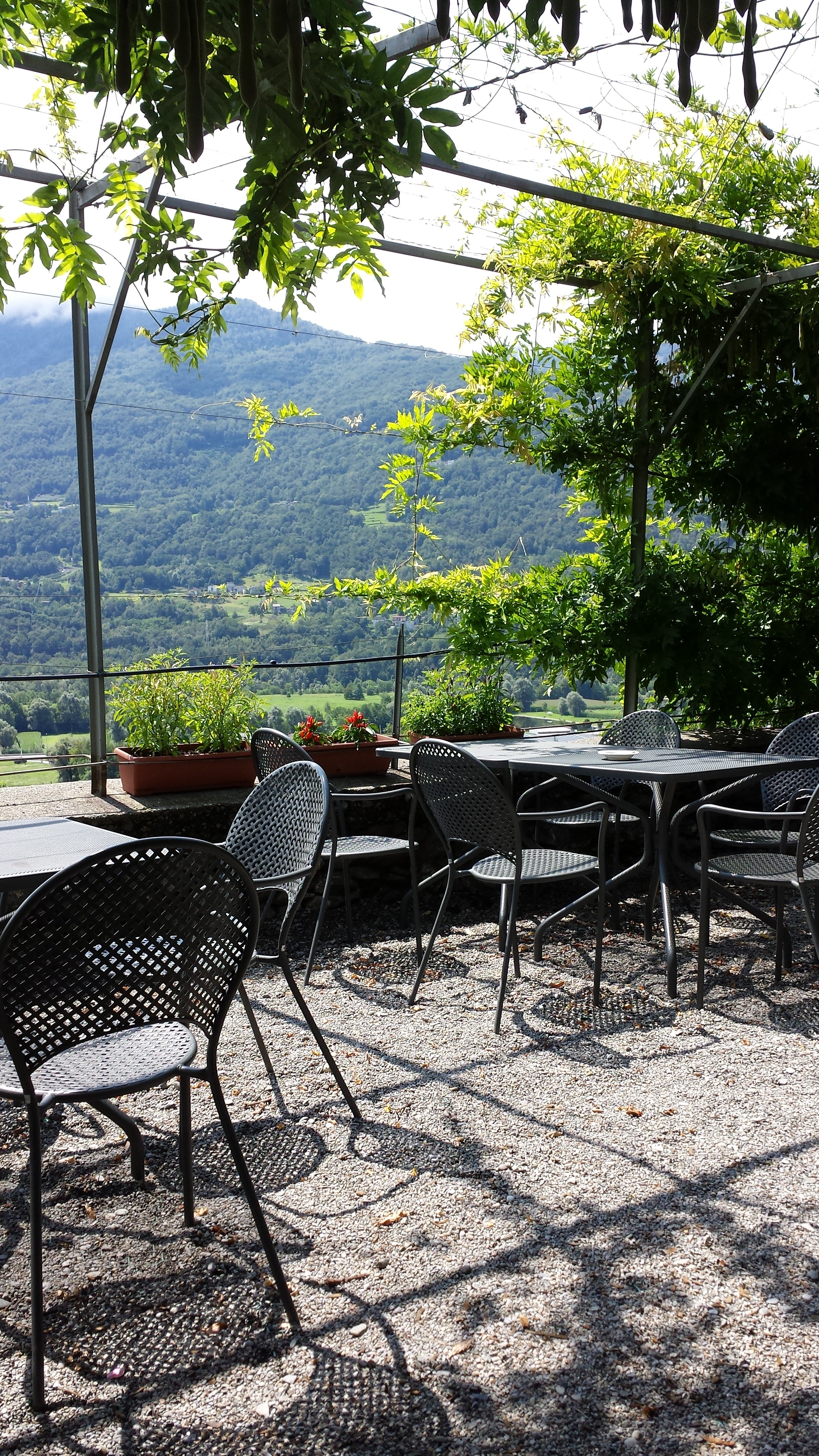
The connection between mountains and food doesn’t lead to the thought of refined food (and surely not ‘light’ food), but it is possible! As you might know, my family in Italy comes from beautiful Valtellina (North of Lombardy) located in the heart of the Italian Alps close to the Swiss border. It is also nice to know that even after 31 years I travel here, my family always succeeds in letting us discover great new places in the area… thanks to my zia Loredana and Barbara this year’s discovery was restaurant Fracia. Ristorante Fracia thanks its name because of its location in the middle of the Nino Negri Fracia vines. As the vines are located in the altitude you can imagine the beautiful panoramic views you have up there. The moment arrived at the entrance of this restaurant, I already had a feeling it would be good (see picture below)

Fracia 3

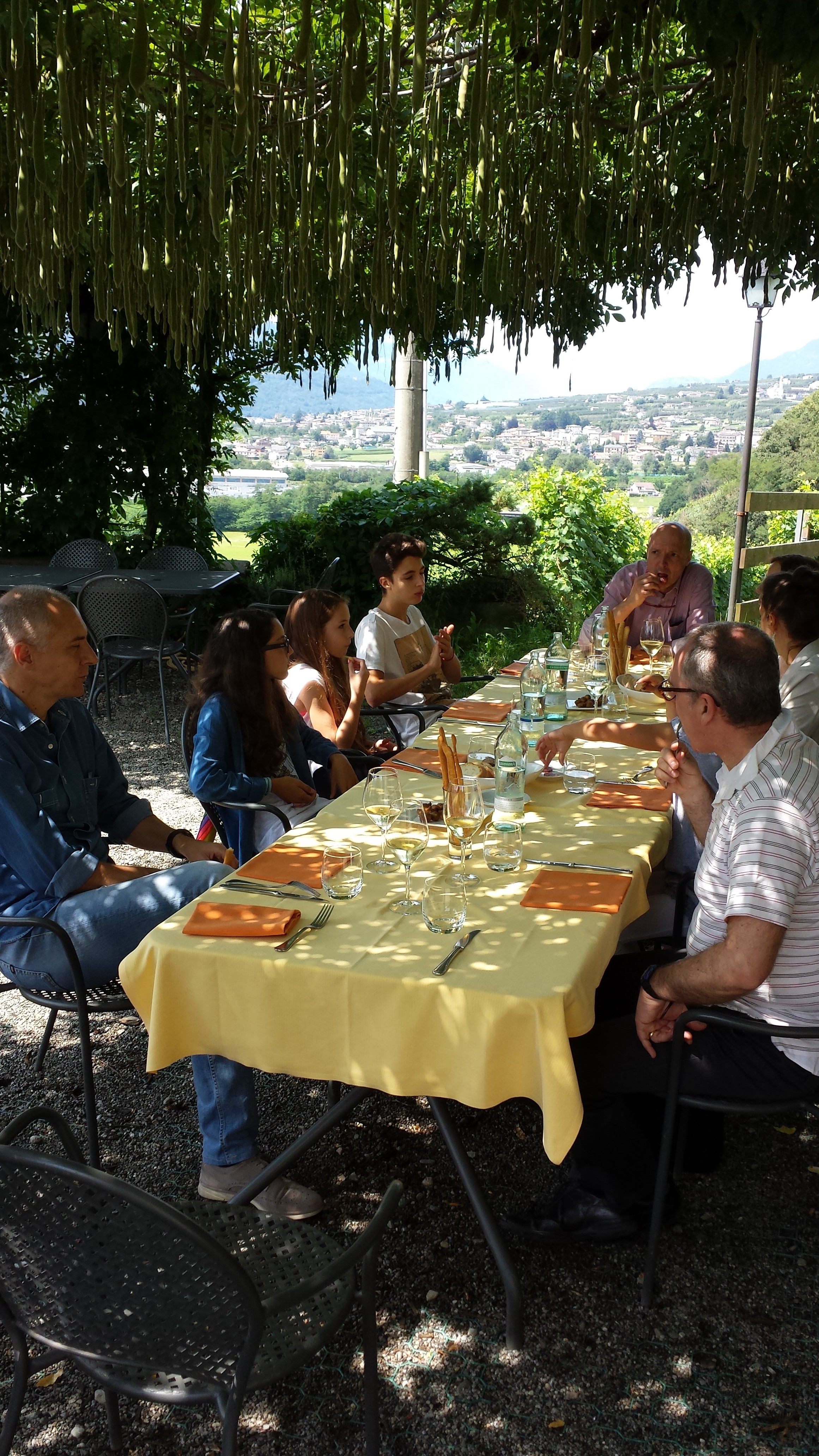
Ristorante Fracia will prove to you mountain food can be lighter and more refined than you think! What ristorante Fracia tries to do is serve dishes most people in the mountains wouldn’t be eating every day and serves a few traditional dishes with a twist. The red wire between all dishes is the use of fresh ingredients, homemade products and if possible most of them local! FYI me and my dad enjoyed our meal so much we returned the day after we had our family lunch. So I guess we liked it 🙂

Fracia 4

Fracia 7

Fracia 9

 Fracia 16

Fracia 27

Fracia 11

Fracia 35

Fracia 43

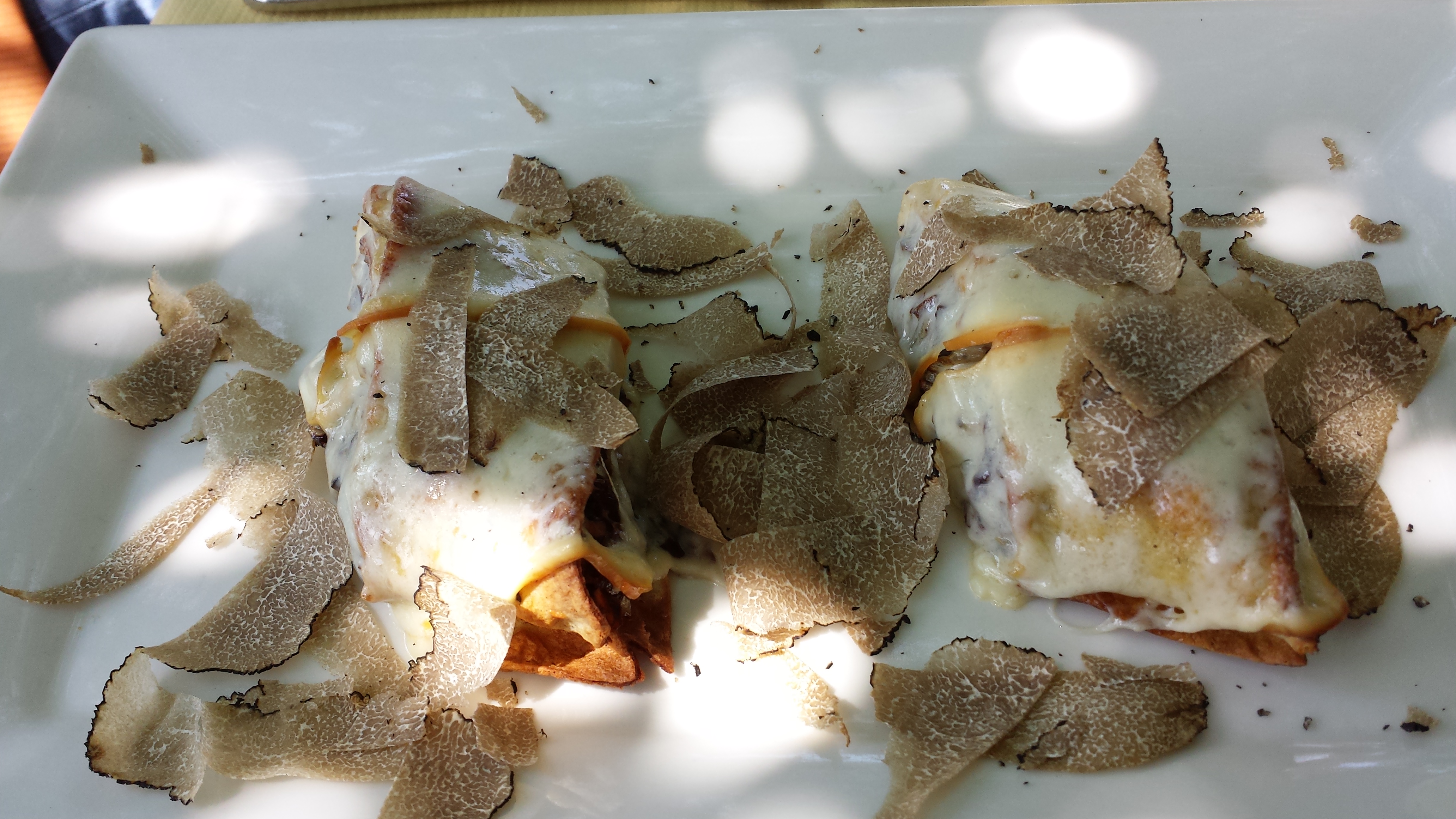
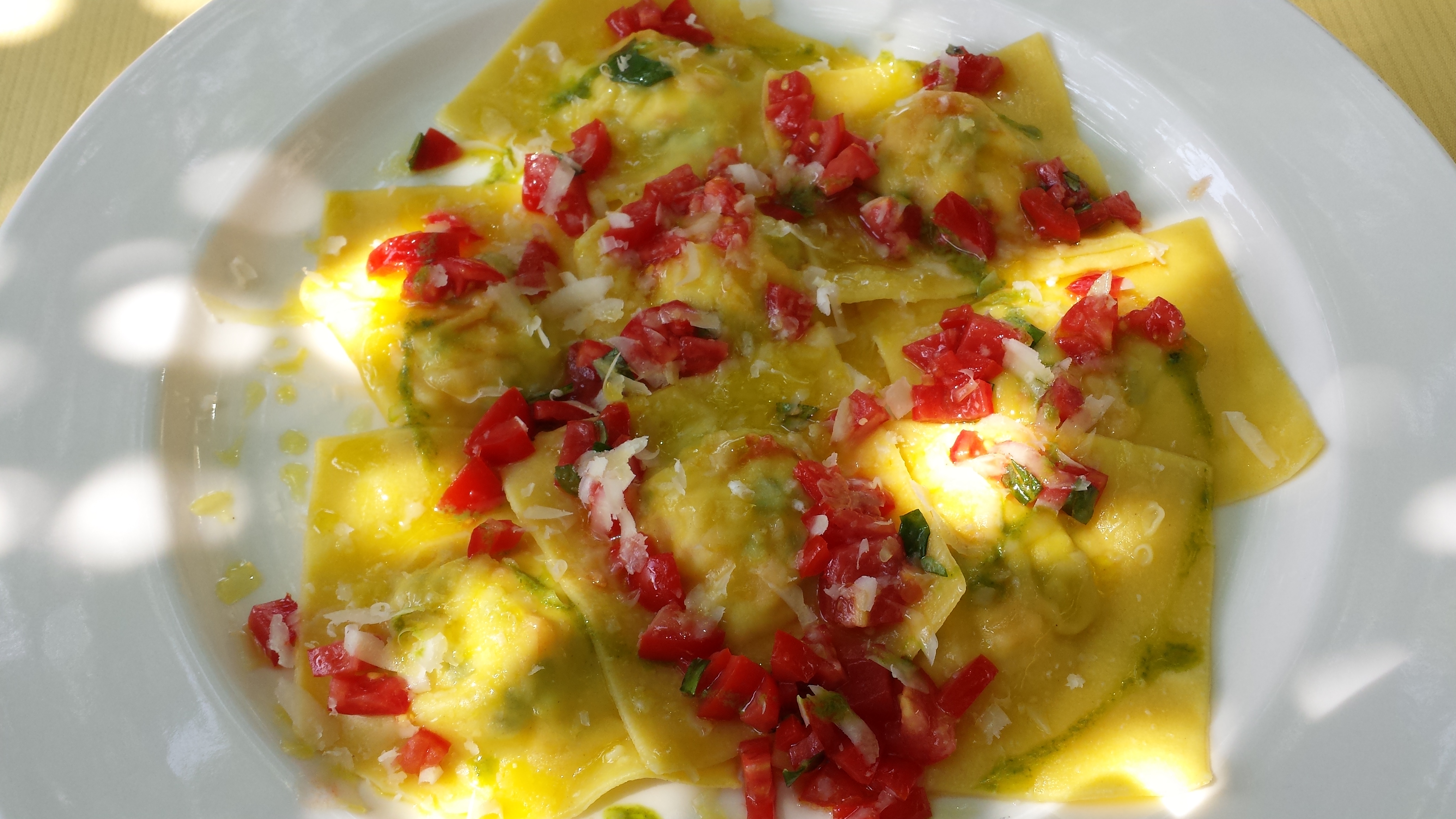
A dish on the menu and you should try when you are in Valtellina is Pizzoccheri (slightly heavy) that also happens to be one of my favourites. I didn’t have at Fracia as I already had it at my aunt Barbara’s place, but if it is as good as the other dishes you’re safe. As we ate there 2 days in a row I think we tried almost all the dishes on the menu :-). Feast your eyes on the dishes we had…

Fracia food 2 Fracia Food 5 Fracia Food 7 Fracia Food 9  Fracia Food 15Fracia Food 10 Fracia Food 17  Fracia Food 11 Fracia Food 19 Fracia Food 22Fracia Food 13

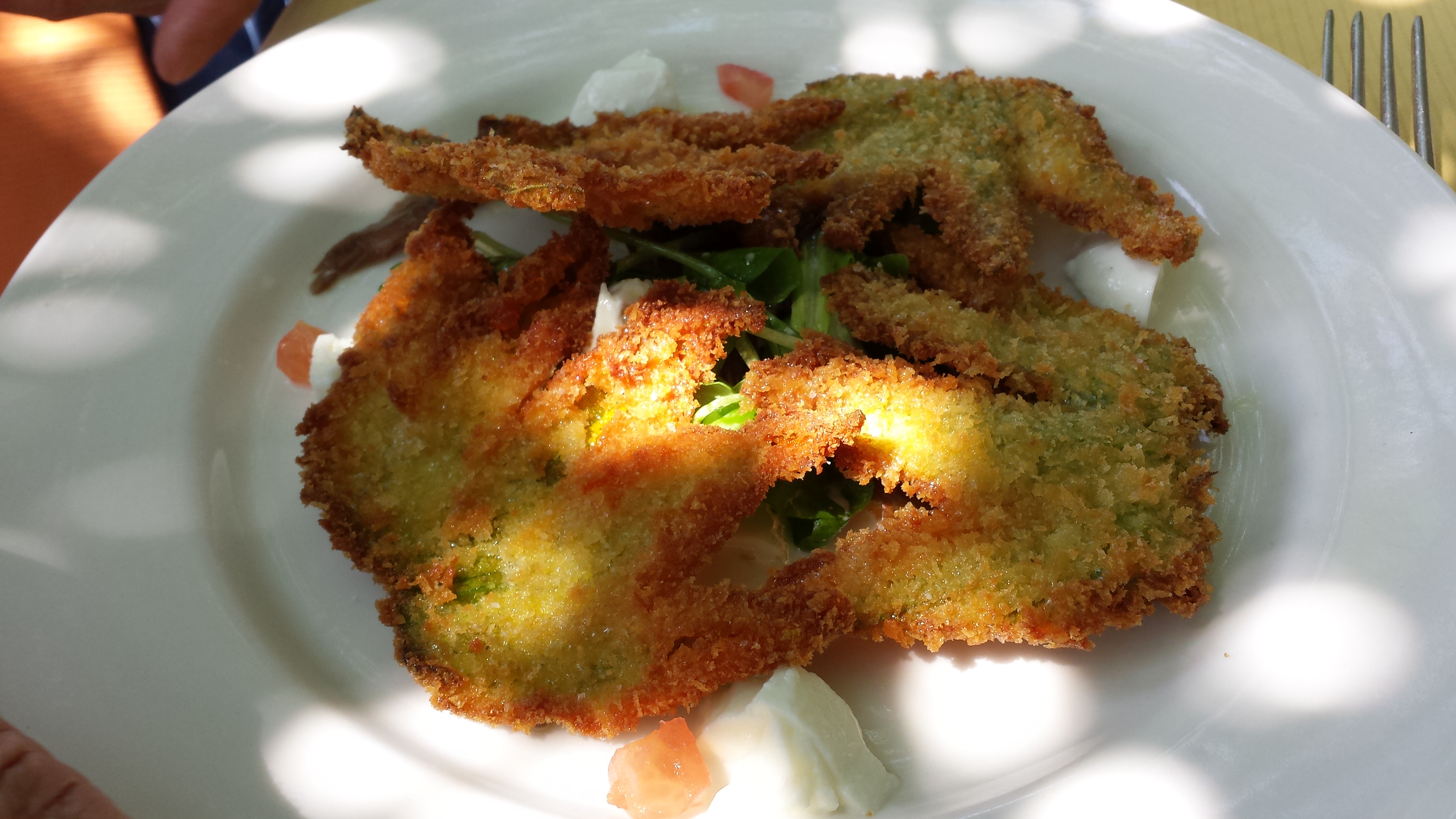
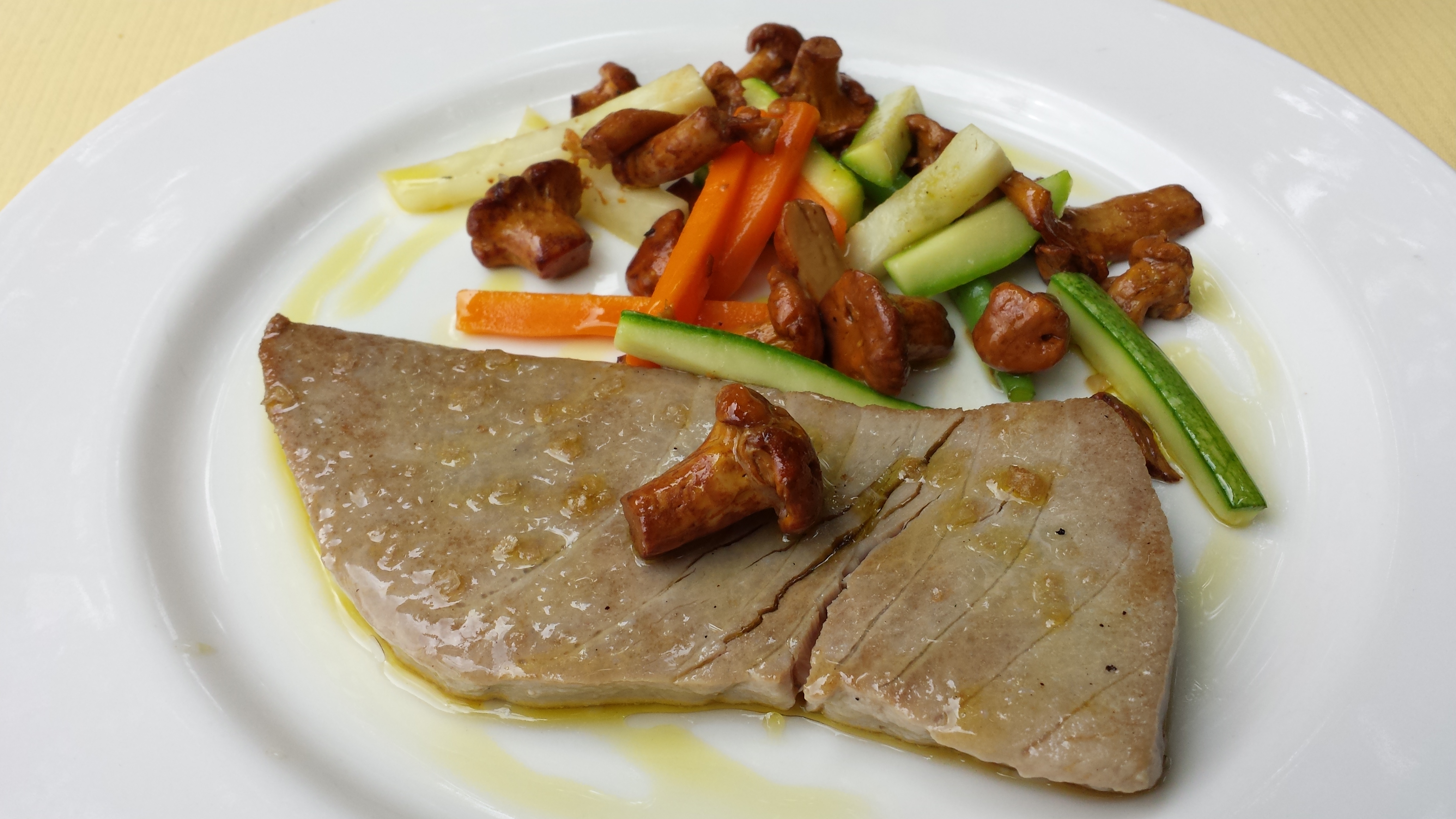
Although all dishes might look simple, but if you want to prepare them in the correct way it is more difficult than you might think! Our compliments to chef Luca Cantoni as he did a really good job  of making us an even bigger fan of the region than we already were. The biggest surprise was definitely the fresh tuna, I liked  the fact that  Chef Luca combined this non mountain product with local ingredients like the the finferli mushrooms . BTW the tuna itself was cooked with perfection!! Damn, this is the reason why I don’t write as many blogposts anymore as I used too…I always become sooooo hungry when I write blogposts like this (especially seeing the pictures) with a result I will go out to eat more and my intent to eat less is all out of the window 😉 😉 Aaah well you only live once right?!

The cherry on the cake are the wines they have at ristorante Fracia (or in Valtellina in general). I don’t want to seem too patriotic, but the wines from Valtellina are in my top 3 of favourite wines (with as preferred the Sfurzat). Something many people don’t know is that the grapes used for the wines here are the Nebbiolo grapes. These are the same grapes used for the Barolo wine, only in Valtellina they call the grapes chiavennasca (just a synonym). For me the Sassella or Sfurzat is in my eyes a better price/quality product to buy than a Barolo as Barolo tends to be very expensive (what doens’t mean I don’t like them, as I do a lot!! Just a bit pricy from time to time if you want a good one). It is a fact that the other wines (from other Italian regions or Champagnes) on the winelist are also great, but I’m of the opinion it is always better to taste the local products… So go for a nice Sassella or Sfurzat (or a Sfurzat 5 Stelle, which is basically the top of the bill). We had the Sfurzat 🙂 just FYI 😉

I do hope you guys one day find the time to travel to Valtellina and enjoy the best this region has to offer of which Fracia is definitely one!! (Let me know if you want a few more) If I would be living in Valtellina Fracia would be what Pazzo is for me in Antwerp (somewhere I tend to be a lot).

Ristorante Fracia:

Address: Località Fracia – 23036 Teglio (SO), Italy

Phone n°: +39 0342 482671


A reason to smile: Taylor’s port

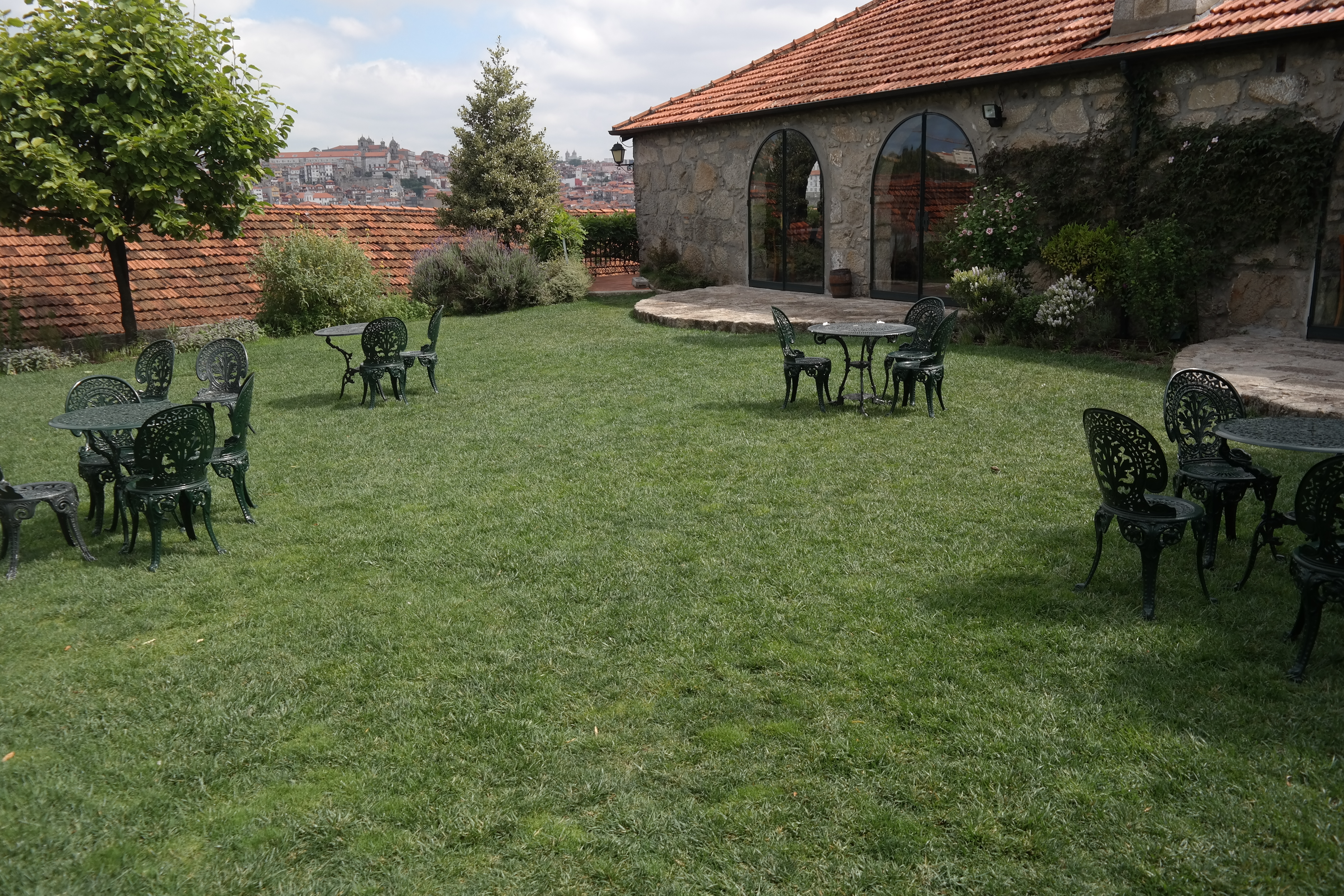
Since my visit to Tio Pepe last year I became a very big fan of wines like Sherry, Porto and Madeira (as they are more or less similar products). So I figured now that I was doing a Portugal trip and stopping in Porto, a visit to a Port lodge is just obliged! I am of the opinion that if you do something you do it well and therefore if you want to visit a Port Lodge you visit one that makes a high quality product… which in this case lead me to the Lodge of Taylor’s or better Taylor’s, Fladgate and Yeatman as those are all 3 names of the founders from Taylor’s Port and the full name (FYI, this is still a family owned Brand). First things first, there are a few things you should know about Port wine before we can talk more about Taylor’s itself (although one can’t go without the other 🙂 ).

SAMSUNG CSC

SAMSUNG CSC

SAMSUNG CSC

SAMSUNG CSC

SAMSUNG CSC

SAMSUNG CSC

SAMSUNG CSC

SAMSUNG CSC

SAMSUNG CSC

20140626_113716

I already mentioned it a few times in previous posts , the wine itself gets made in the Douro valley where the grapes are actually picked and later in the process they will be transported to Vila Nova de Gaia to age. Of course there is more to it to make a Port. There around 48 different types of grapes that port makers use to make Port wines, in the case of Taylor’s they only use 10 of those4 white varieties and 6 red of which 30% is still pressed by trampling them barefoot (so not using a machine). The manual trampling is because it gives the best result, not entirely because of tourism. I’m sure you have already heard some people speak about Ruby or Tawny and maybe if you are lucky also about Vintage or LBV (Late Bottled Vintage), but have no clue what the differences are? Well let me enlighten your thoughts by briefly explaining it to you (trying to keep it as short as possible). The most important things to know is that the 2 big port wine “types” or “families” are Tawny and Ruby all the other terms used are usually indicating a special type of those 2…
SAMSUNG CSC

Let’s start with Ruby (Vintage) that thanks its name because of its color resembling the color of the ruby stone/diamond . Ruby ages in large(old) barrels (in case of Taylor’s always wooden barrels) as they don’t want a hard wood smell/flavor in the wine. This wine gets made with the best grapes from good years.

SAMSUNG CSC

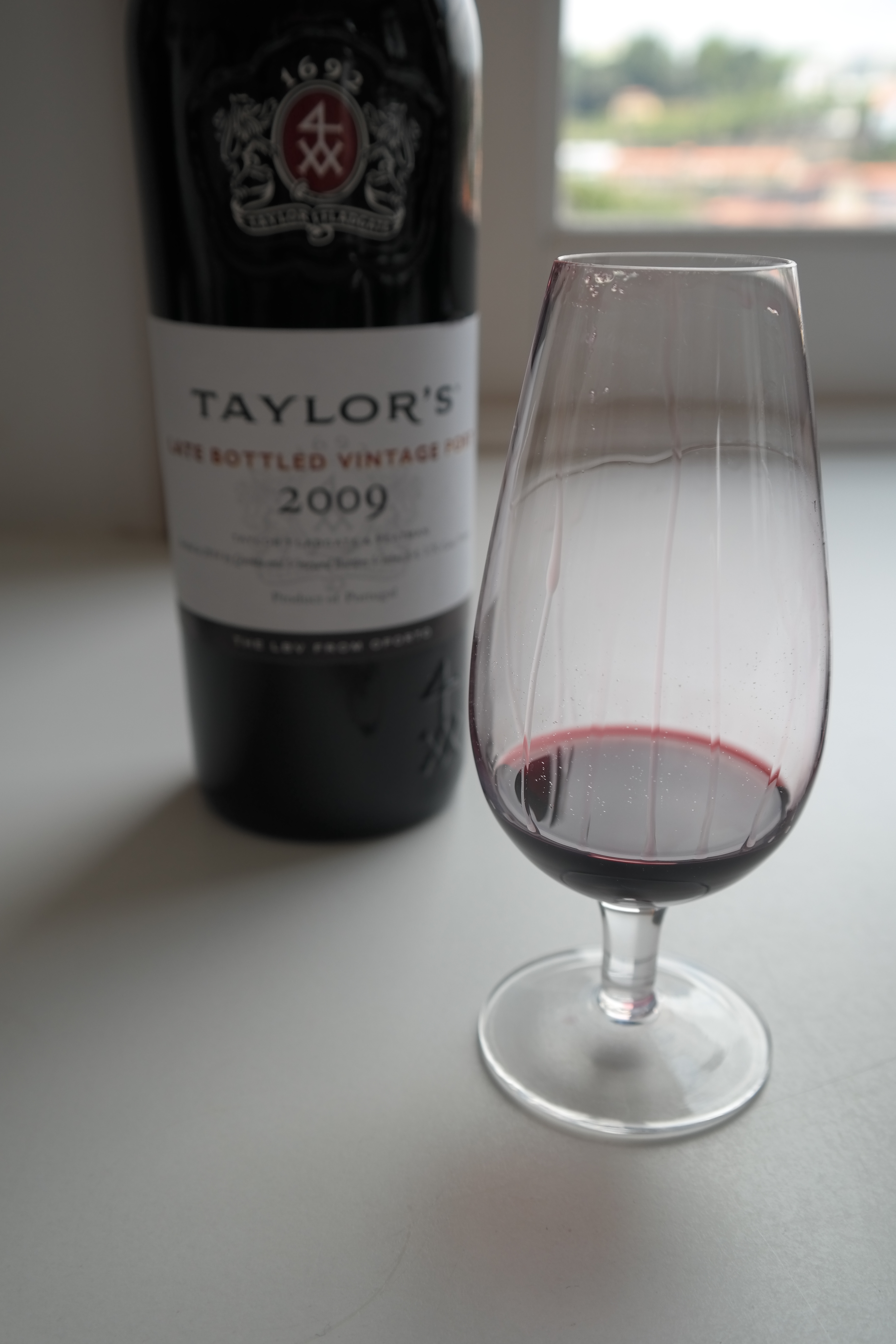
LBV (Ruby style) stands for Late Bottled Vintage. LBV gets made every year from the best Ruby grapes. Once it is put in a bottle it won’t change or age further anymore. Best is when you open the bottle to decant it, otherwise there might get oxidation in the bottle and you will have some expensive vinegar :-). Also the difference with the Vintage would be just like the name indicates is that it is bottled later… It is also important that once you opened the bottle to drink it within 3 months if you want to enjoy it in the optimal conditions and maximum flavors.

SAMSUNG CSC SAMSUNG CSC

SAMSUNG CSC

Tawny on the other hand gets aged in smaller wooden barrels (French oak) giving them a slightly woodier flavor, but not too much as they use old barrels. Taylor’s also prefers their wines having a herbal taste instead of a wood taste. Tawny also gets made with a combination of grapes from different years. Differently than Ruby, Tawny does change over the years in the bottle, it will get a lighter color. Tawny is also best served a little bit cooler. It is also best to drink the Tawny within 6 months
SAMSUNG CSC

SAMSUNG CSC

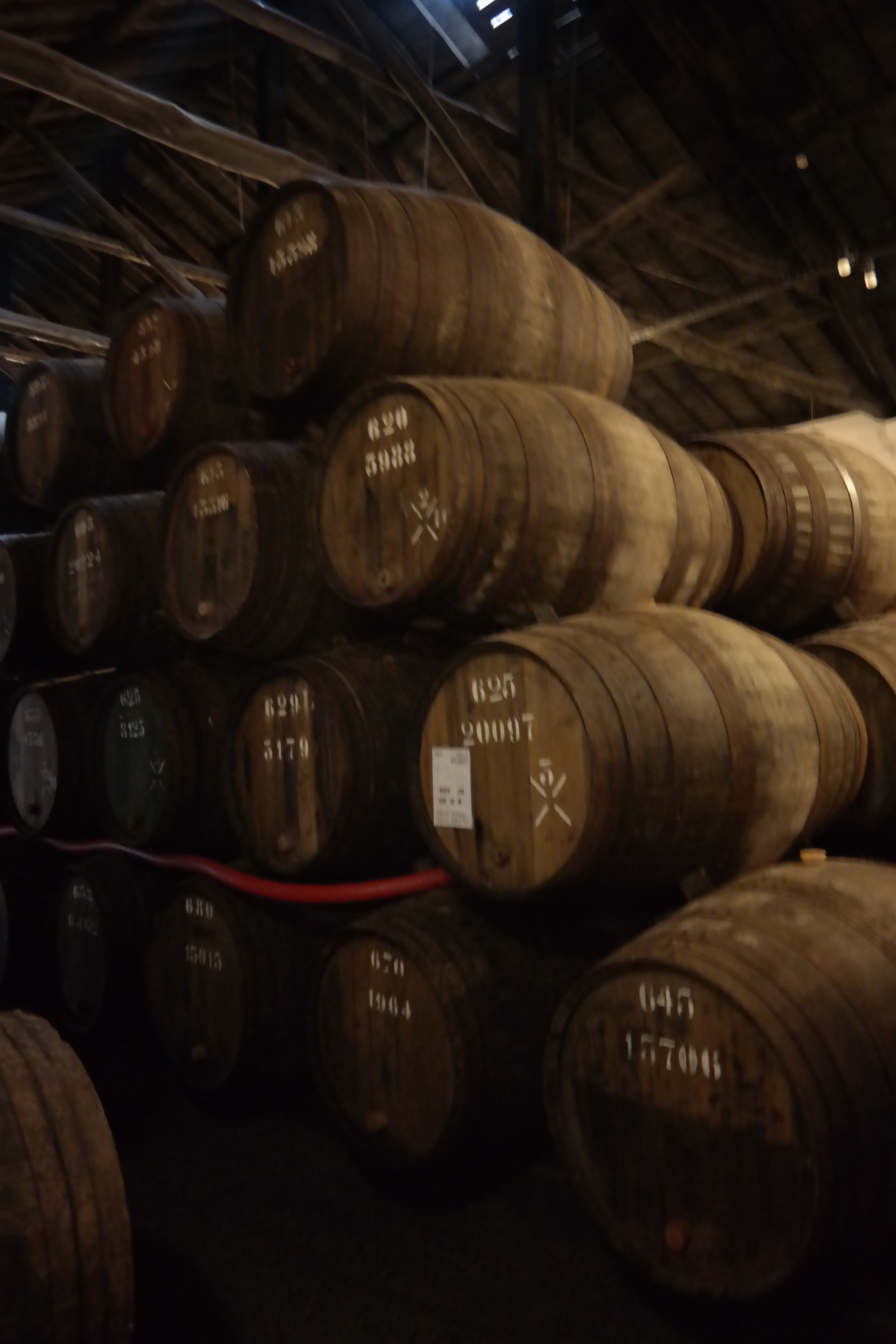
Something you should also know is that Taylor’s doesn’t sell his used barrels like some other Port makers. They re-use their old barrels (they repair them of course) as when they are older than 60 years they don’t give any more flavor to the wines in them… the oldest barrel that still gets used is one from 1864… talking about an investment.

I think this is already a good base for you to know about Port, if you want the Port making process in more detail, please check following link.

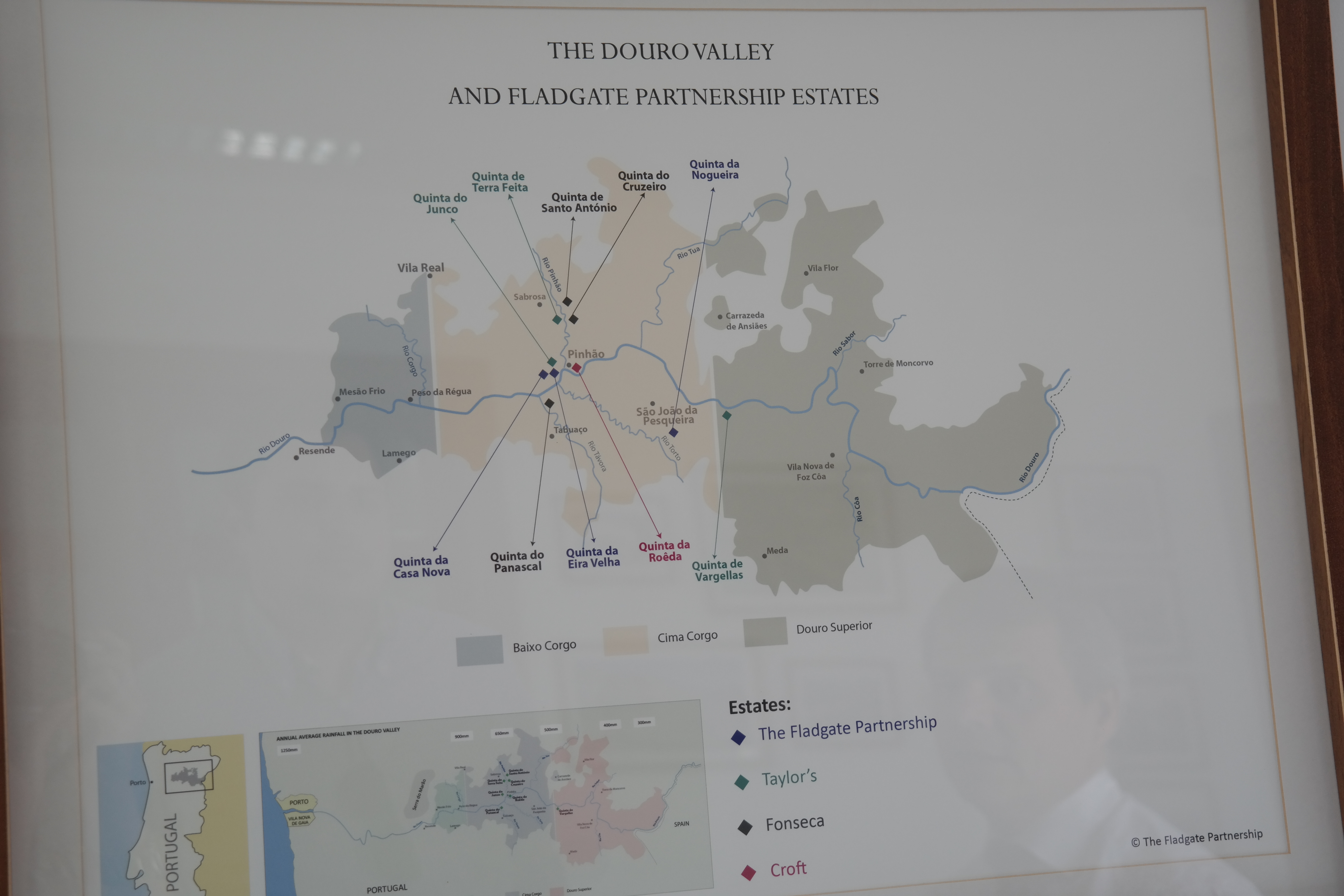
The tour around the Lodge was nice, but tasting the finished product is even nicer (also if you do it in company of a real port specialist like Luis Carneiro). As I might have already told, is that Taylor’s Port house is part of a group of Port 3 port houses: Taylor’s, Fonseca & Croft. These 3 together are aka the Fladgate Partnership :-). Which made the tasting better as we tasted all Port from all 3 estates. This tasting taught us that although they all belong to 1 group, each one still has their own identity, tasts and uniqueness. This is first of all  because of the location of each estate and grapes (see on map below), as the altitude, north/south location, types of grapes, etc… will have a big influence on the finished product.

SAMSUNG CSC

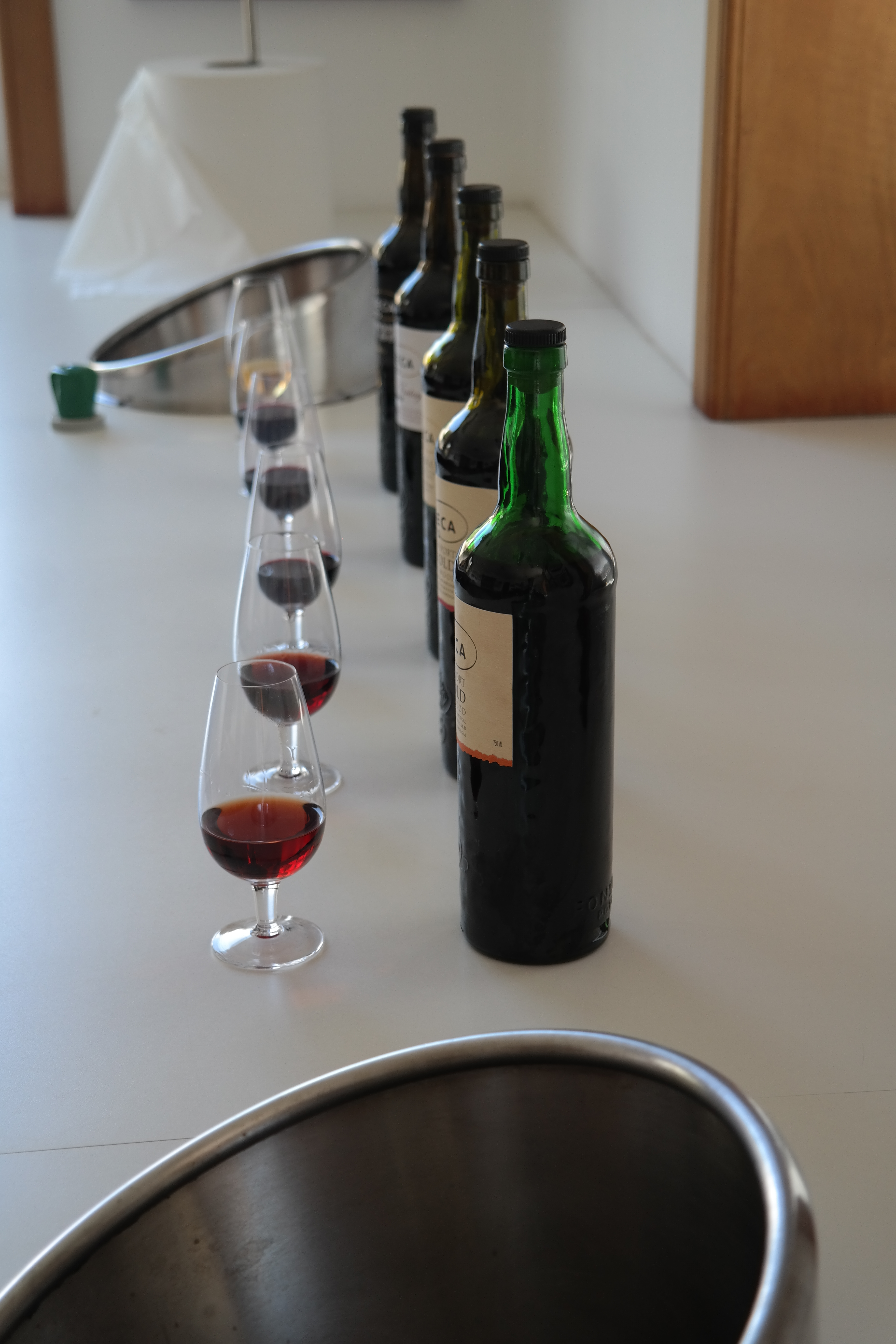
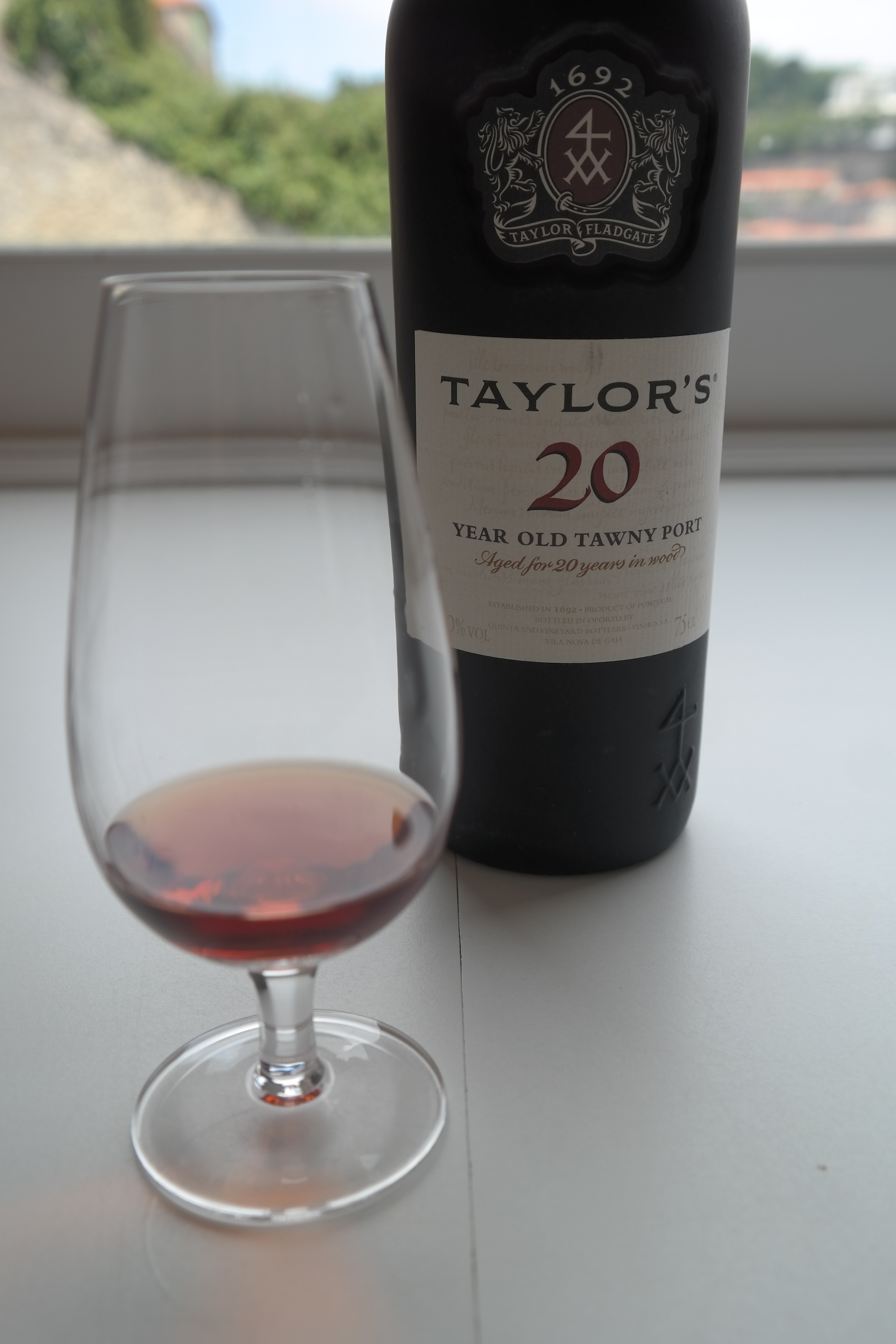
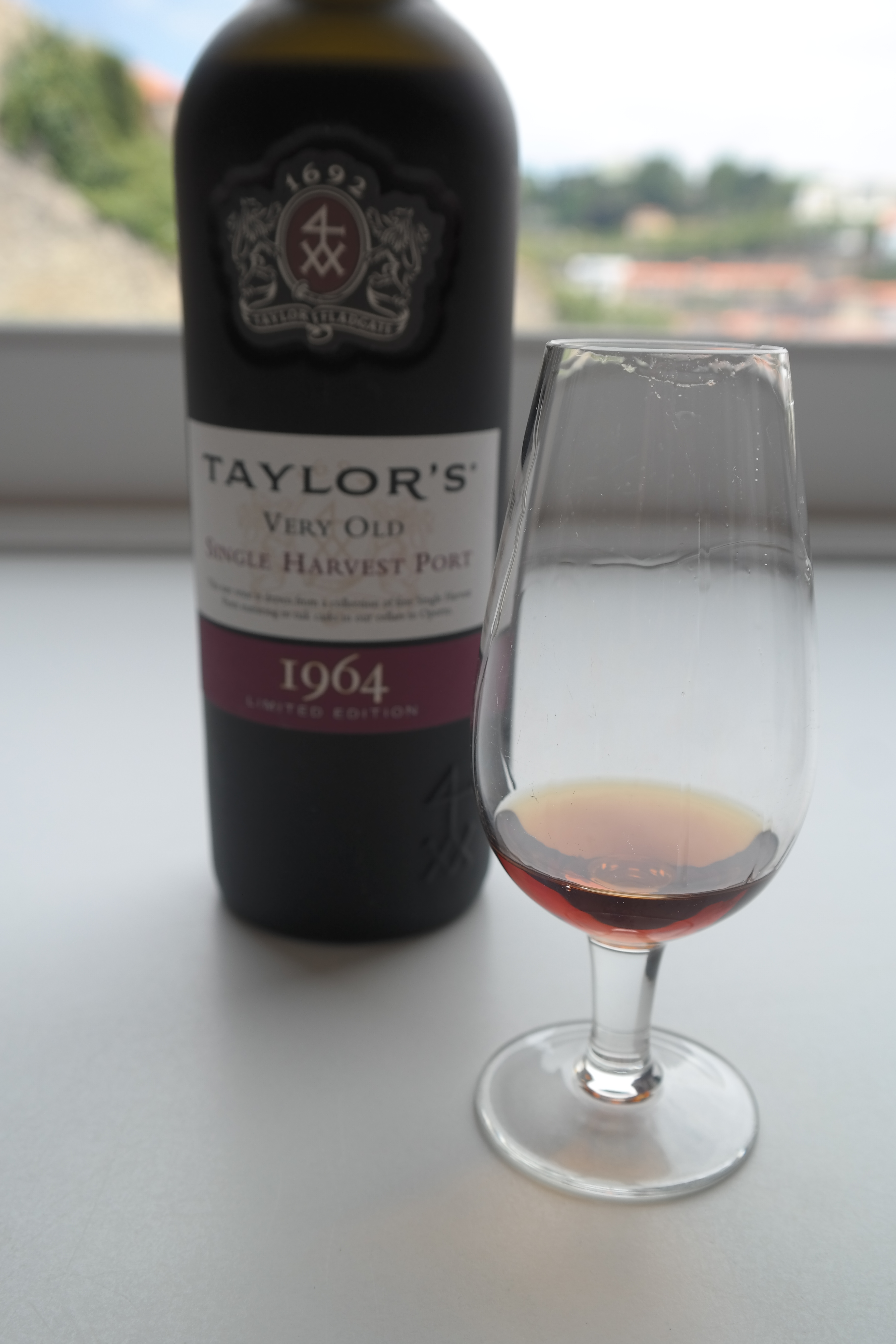
If we would have to draw a line between the 3 different brands or give characteristics that make them different, I would say that Taylor’s is the most straight and stronger taste (less sweet taste), Fonseca a more rounder and more fruity (a nice cherry after taste 🙂 and slightly sweeter ) and Croft as the sweetest from all 3, but then again also very play full flavors… In general my preference went to the 20 (30 and 40) year old tawny Taylor’s ports and Single harvest Port from 1964 as my favorites because of their round, full and nutty flavor. My fiancée had a bigger preference for the Fonseca & Croft ports, I think because they were a bit sweeter and fruiter… and I think she definitely liked the 2009 LBV from Croft because of its chocolaty flavors :-). One thing is sure that Port wine is best for at the beginning or end of a meal as during it might become a bit heavy (minimum 19,5% alcohol). Like with all things, this is a personal taste… and my biggest problem like with all visits to vineyards is that I want them all in my collection 😦 . That’s it I’m moving to a warehouse 🙂 😉

20140626_132710

SAMSUNG CSC

SAMSUNG CSC

SAMSUNG CSC SAMSUNG CSC

FYI, please check following link to find out the best way to serve Port wines. I’m also convinced that if you are not used yet to drink Port wines the best is to start with the White or for example the Bin 27 by Fonseca  or maybe using a Croft Pink in a cocktail (mixed with Tonic water, few leafs of mint and slice of lemon) . After this the next level would be the LBV and if you get used to it the vintages…

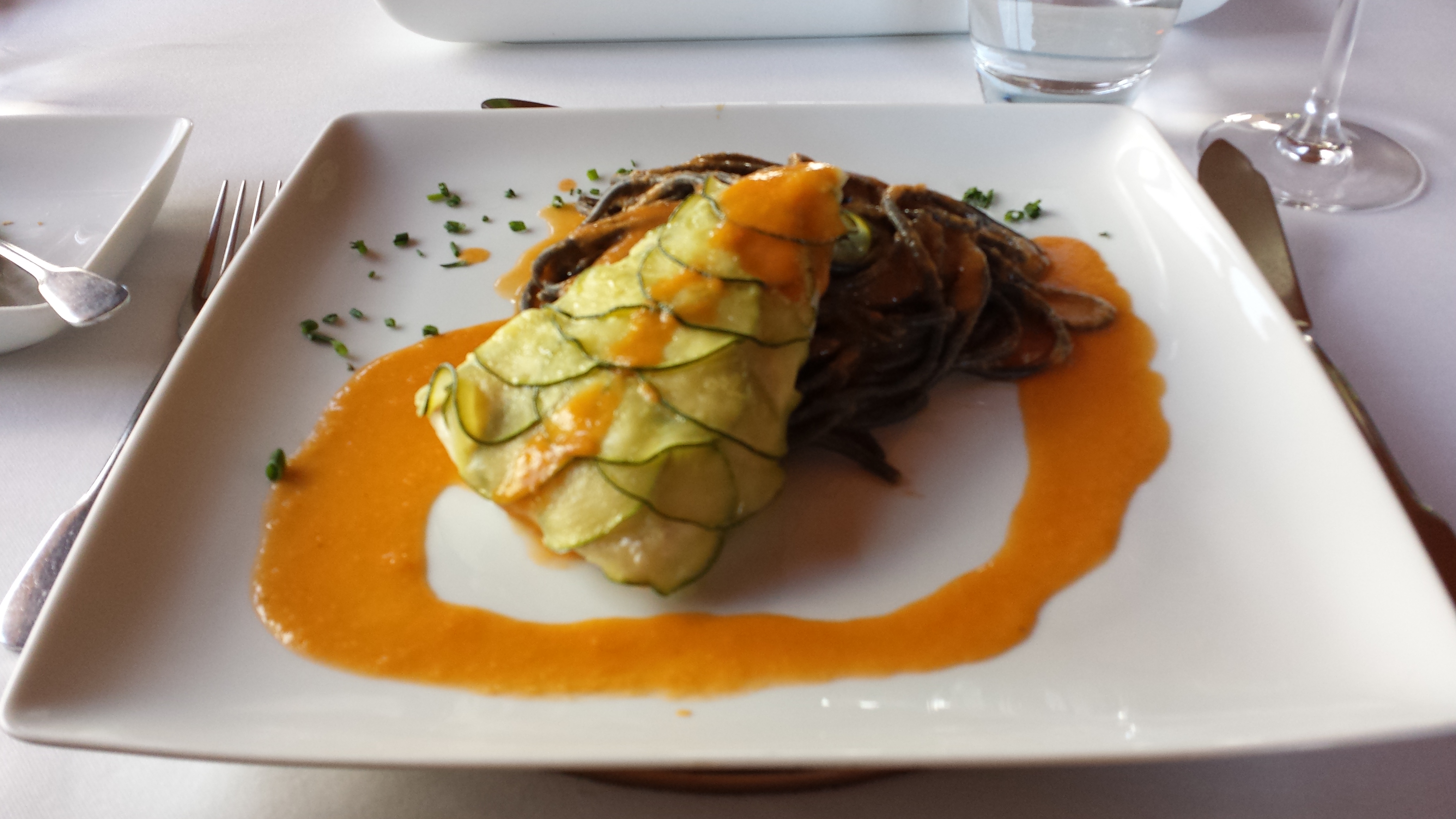
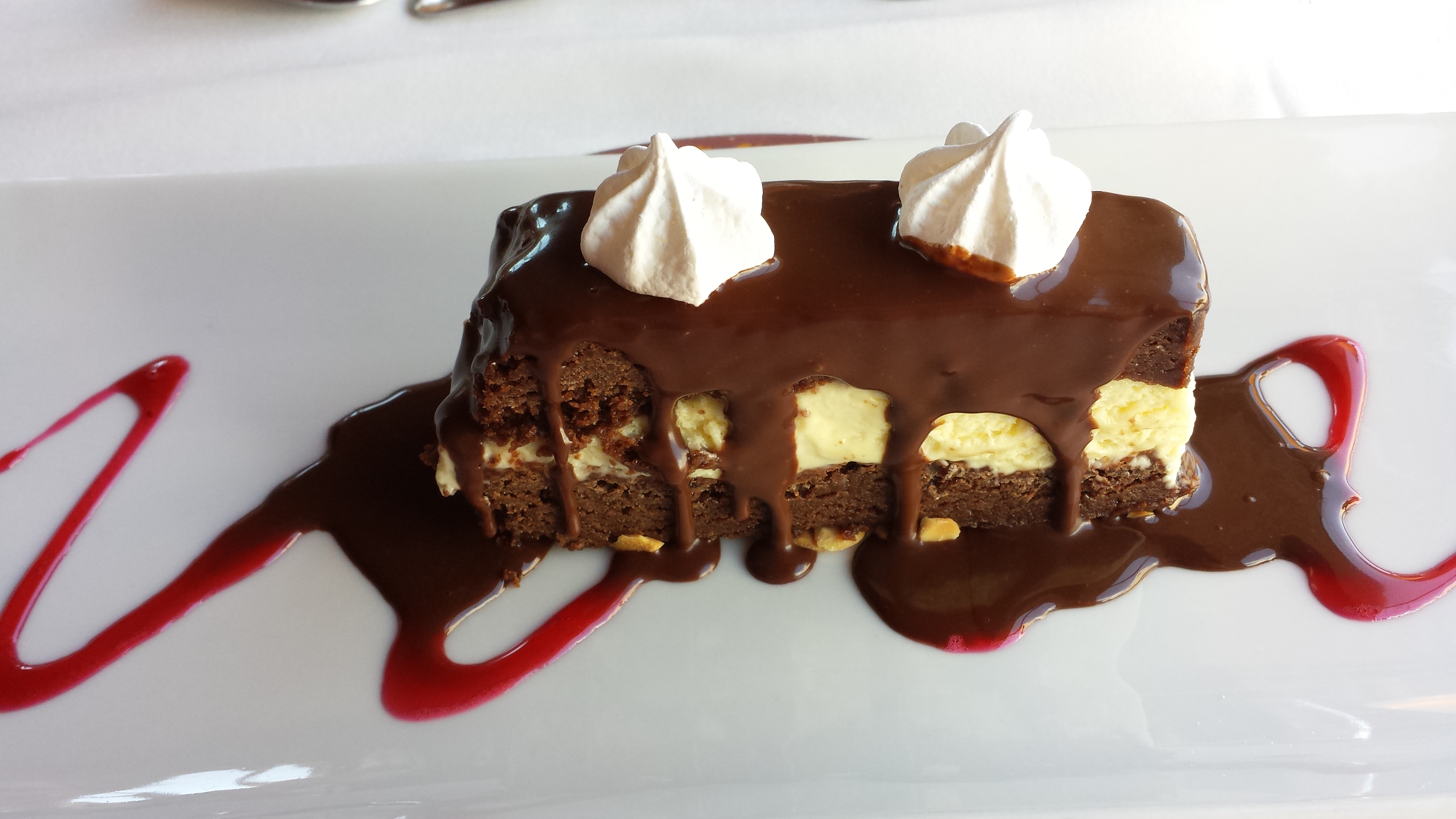
I did get hungry from all that tasting, so a “light” lunch at the Barão Fladgate Restaurant in the Taylor’s lodge (open for public). I followed our host on taking a succulent piece of Lombinho meat with a Port sauce, my fiancée on the other hand preferred keeping it light (although she made up for it with a dessert) and took the Turbot with sepia Linguini. For with our 40 year old Taylor Port we chose the perfect dessert for on a summer’s day, they heaviest (but definitely worth it) chocolate dessert from the menu: Chocolate cake with dark chocolate sauce, milk chocolate mousse and white chocolate mousse.

20140626_143509

20140626_143520

20140626_145859

SAMSUNG CSC

PEOPLE, please stop seeing Sherry, Port or Madeira as old people drinks!!! Just try a good Port (or Sherry or Madeira) and a whole new world will be opening for you, one with lots of flavors and with lots of history!!! DO IT 🙂 you won’t regret it, I promise you (and don’t buy the junk Ports, buy a good one or try a good one in a place where you know they only serve good stuff)

THE END!

Roadtripping through Portugal: Porto

The last stop on our Portugal trip was Porto. I liked Lisbon, but Porto is more my kind of town… probably because it was a bit smaller (but still bigger than imagined) or because that for some reason lots of landmarks in Porto are build by or inspired by Belgians? Yes, in Porto there are many buildings or landmarks that are build by Belgians. One good example would be the Dom Luis 1st Bridge that connects Porto city with Villa Nova de Gaia, this bridge was build by Théophile Seyrig a partner and former student of Gustave Eiffel (from the Eiffel tower). Another “Belgian” design is the Porto Townhall, which was inspired by either the Brussels townhall or the Antwerp town hall (not sure anymore).

20140624_191932

20140624_182529

20140624_192640

Town hall

20140624_164220

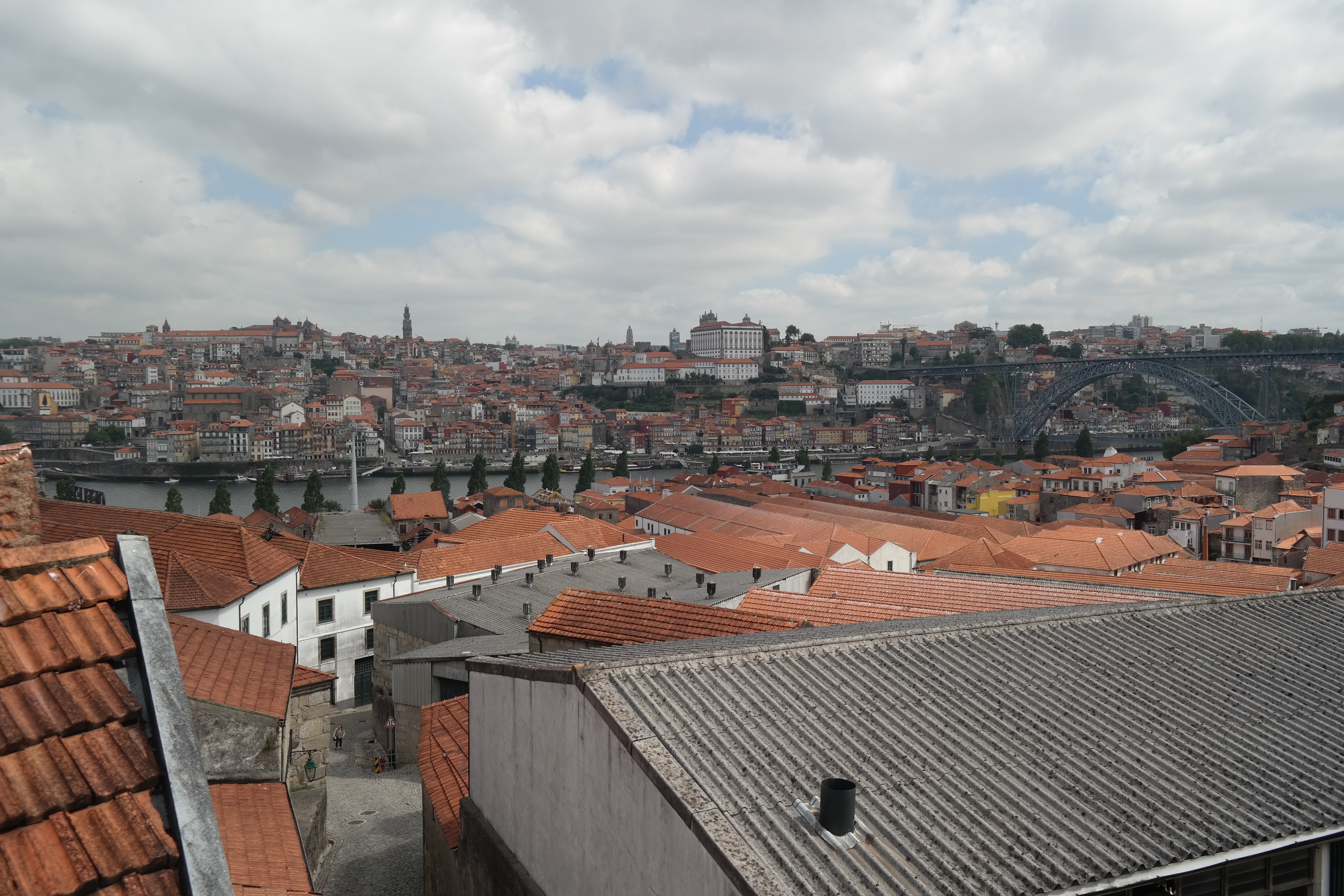
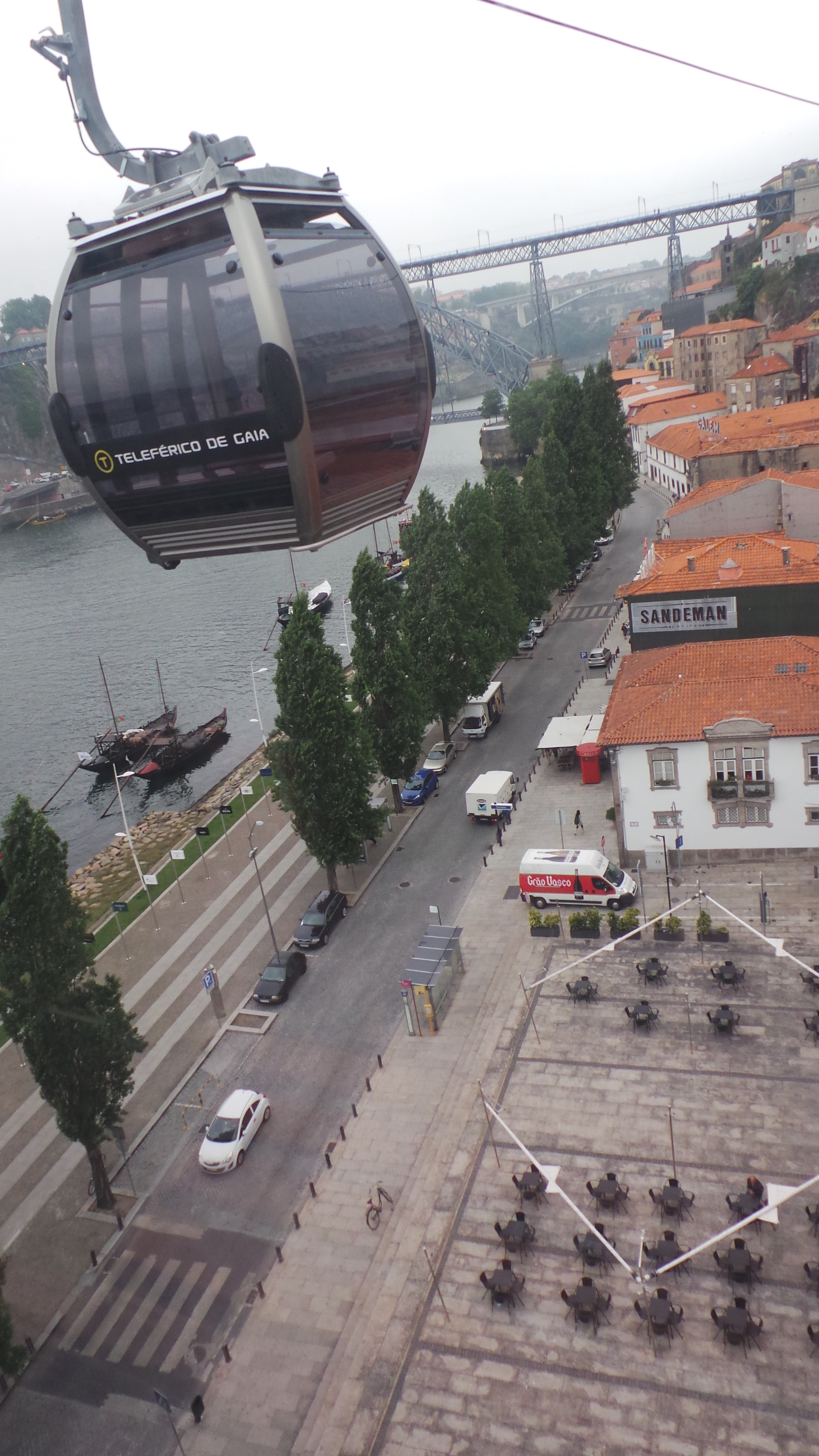
Just like in Lisbon in Porto you’ll have to climb a bit when getting around in the city due to the hills and Porto might look small but isn’t! What helps is the fact there are lots of ways to get to places without having to climb, like old trams, elevators or the cable cars 🙂 (we’re not lazy, we just do like the locals 😉 ). That last one is nice because it will give some very nice panoramic views over Porto as you take it at the Villa Nova de Gaia side of the city. Also to get a very good overview over the city you might consider taking the Tour buses, I know it is very touristy!! Many years ago I would have never thought of taking them, but they do give you the best general overview and give you the chance to hop on/off where you want and for you to decide what you want to see in more detail in the next days…

20140625_122600

20140625_122534

20140624_183906

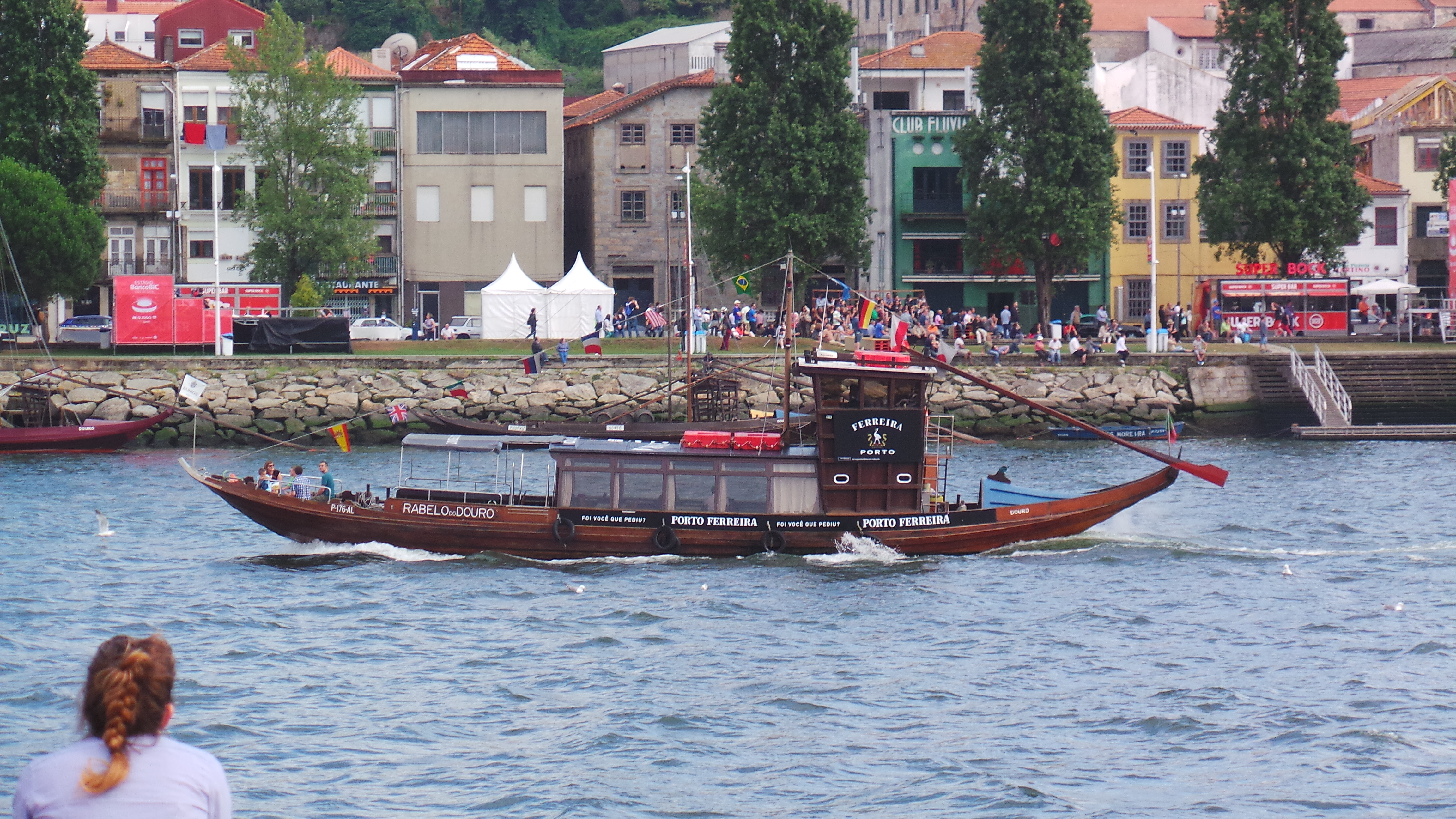
Porto also lends itself for if you just like wondering around in small narrow streets… and the water being always closeby makes it that there is always a nice breeze and during hot days a more supportable heat. There are also many beautiful landmarks (like Palacio da BolsaTorre dos Clerigos and many more) to visit and if you want want you can maybe also take a little boat trip on the Douro river… Do try to get up to the Jardim do Boavista and visit both the gardens and the Mosteiro de Serra do Pilar. From up here you have very nice panoramic views and you’ll learn a lot about the history of Porto (visit costs 1 euro, guided tour 3euro).

20140624_184241

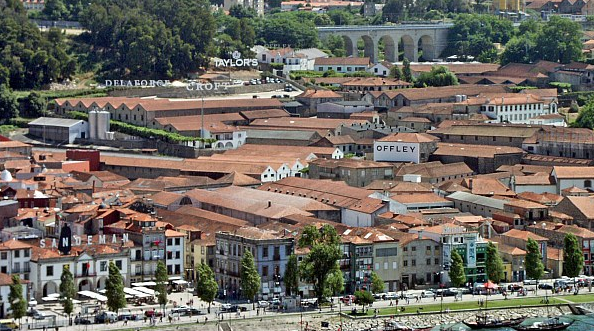
What’s the difference between Porto and Villa Nova de Gaia you might be asking yourself? Well the biggest difference would be that you at the Villa Nova de Gaia side you’ll find all the Port wine makers and at the Porto city side you won’t :-). As you probably all read in one of my previous posts, the Port wines get and always got made in the Douro Valley and were transported over water to Villa Nova de Gaia to age. The reason they brought it to Villa Nova de Gaia and not to Porto city is because the Gaia side has less sun shining on it during a day and therefore has a better temperature for the Port wines to age… A view I like is when you are standing at the waterfront in Porto city (right next to the Dom Luis Bridge) and you see all the Port winemakers ‘bill boards and Lodges… but both sides of the city have the same high picturesque level if you ask me…

Vila Nova de Gaia

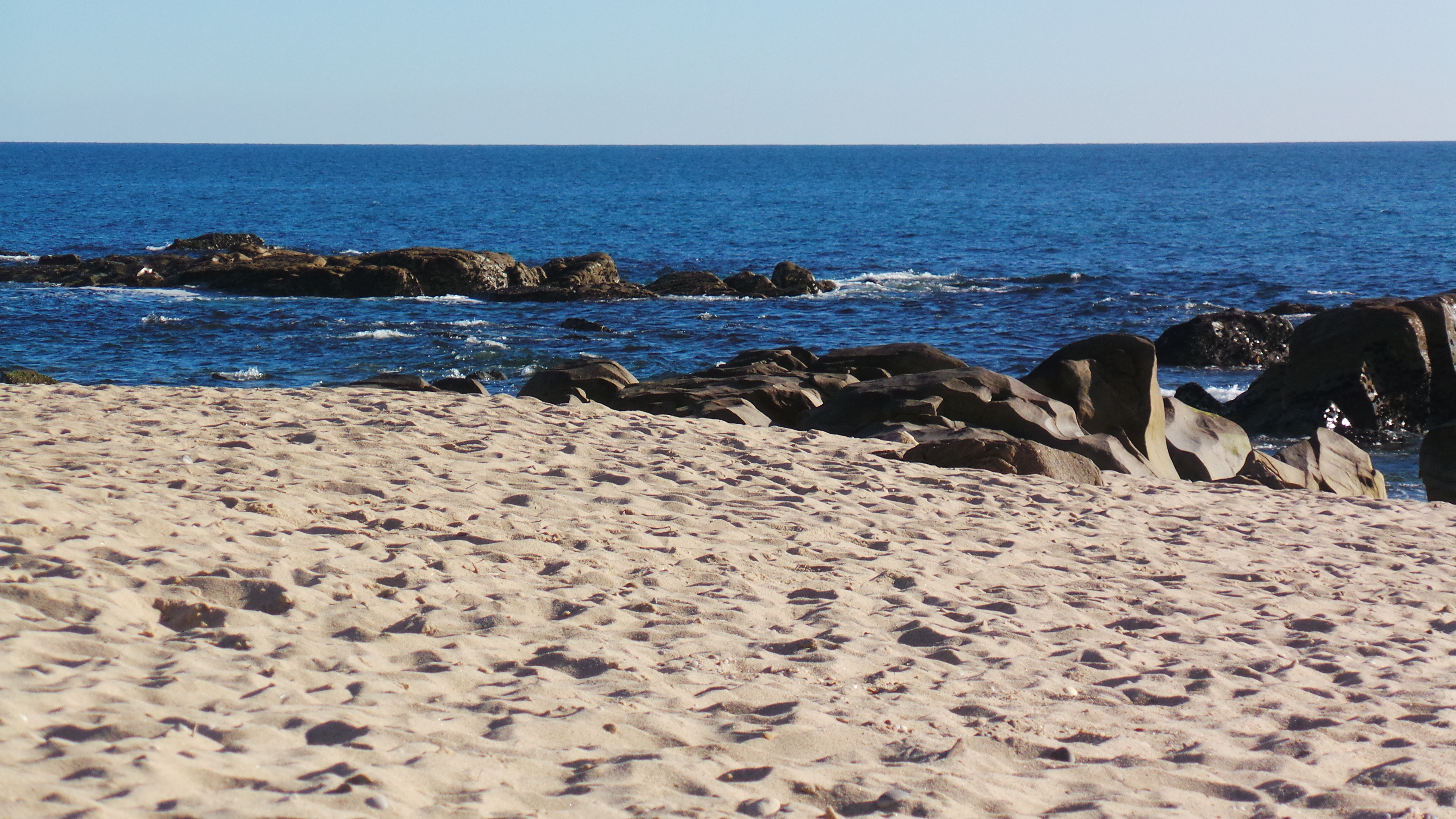
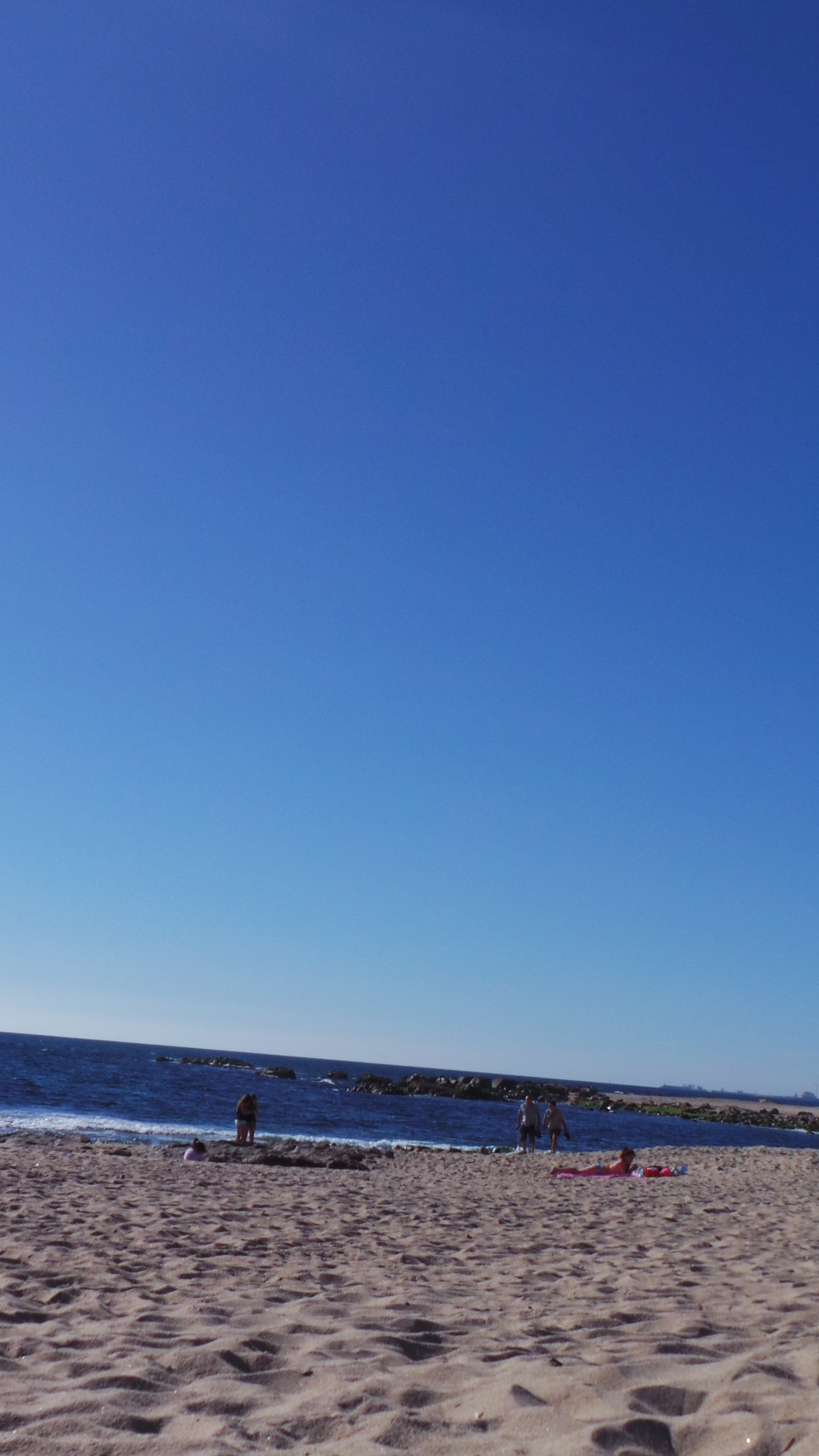
As Porto is right at the Ocean, having a city trip combined with time at the beach seems like a good idea… although you could just go to the seaside at Porto city aka Foz do Douro , I would recommend you to go to Matosinhos or Madalena (where we went) as there you’ll find more peace and quiet and to my opinion more beautiful sandy beaches.

20140626_195359

20140626_191937 20140626_172410

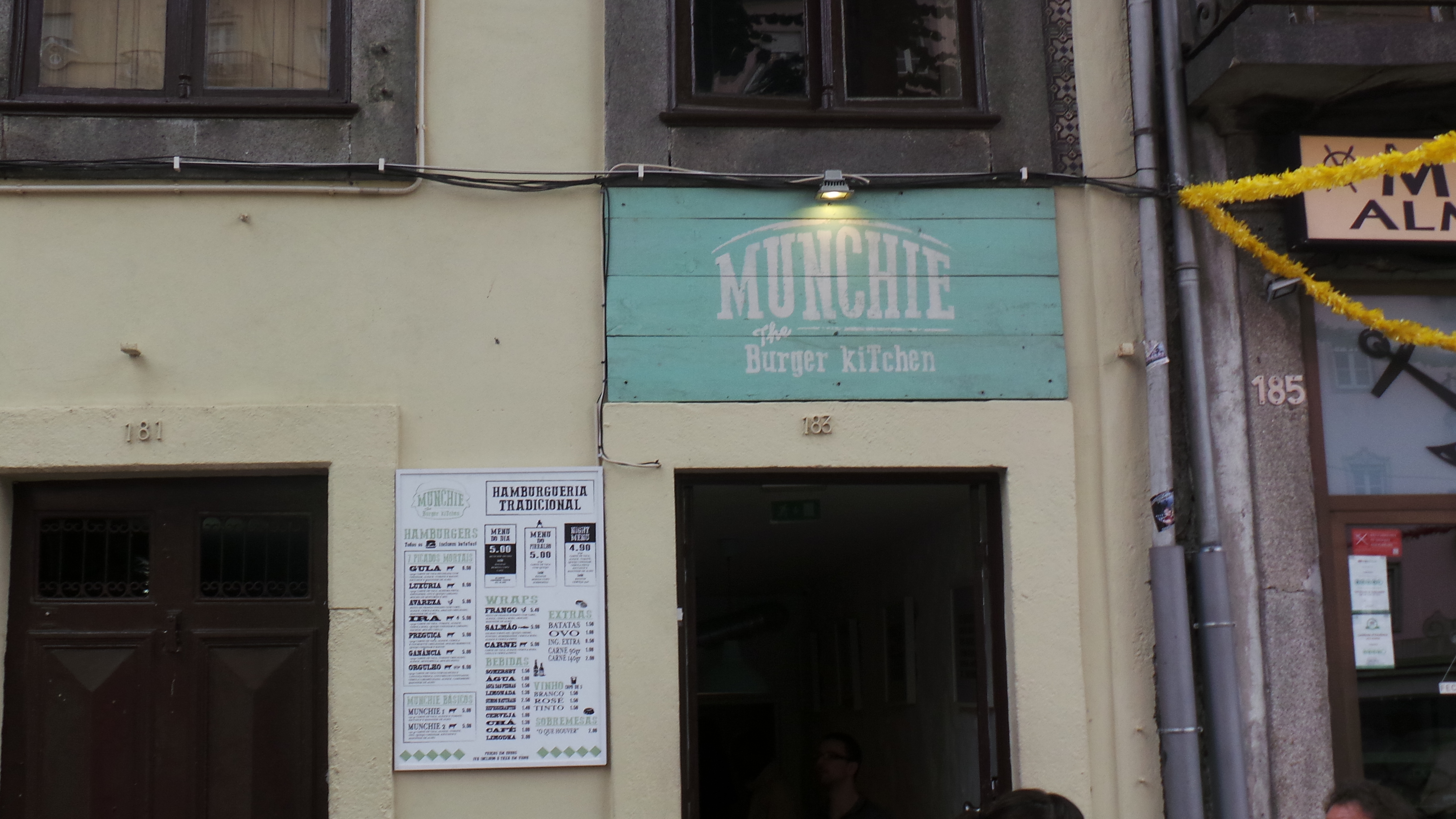
Now my favorite part to talk about, the food! Just like during our whole trip the red wire in the food is simple food full of flavor. You know when you sometimes are craving for a burger but somehow it feels wrong eating it in southern countries where they have so much great local food? Well we did feel it, but didn’t last long after passing by Munchie on the Praca Filipa de Lencastre (close to av. dos Aliados) our craving only became bigger… I would say, just go for it as you won’t regret it (we didn’t 🙂 You’ll be able to make it a whole burger feast, they have some real beauties on the menu. FYI, in the back of the restaurant they have lots of seating (just FYI , as you don’t notice it from outside)

20140624_164732

20140625_193501

20140625_193815

If you feel like having more refined food I can recommend you one (or all) of the following restaurants: DOP (the first Rui Paula restaurant), Pedro Lemos (a rizing star who for sure will be awarded with Michelin star and a favorite amongst the Portuguese). I can also recommend a meal at the Taylors Port lodge restaurant (more details about this restaurant in my next post).

Pedro Lemos restaurant

The cherry on the cake in Porto would be The Yeatman which is the only Michelin star awarded restaurant in Porto and is part of the 5 star luxury hotel (same name)  with the best view over Porto. What makes the Yeatman hotel so special is that it is seen as one of the best wine related hotels in the world known for its winetourismn (also to get SPA treatments using winerelated products). Although the Yeatman hotel is part of the Taylors & Fonseca Port group, it has a connection with vineyards from whole Portugal. In their wine cellars for example they have one of the biggest collections of Portuguese wines. The hotel also has partnerships with many of Portugal’s finest wine producers who actively participate in The Yeatman’s wine tastings, seminars and wine dinners (I think every wine maker has to at least give 1 or 2 dinners per year in this hotel). These partner wineries  also sponsor individual rooms and suites (so all rooms have instead of numbers the name of a vineyard) that are decorated with pictures and objects  from each of these winery’s unique history and give a unique touch to each guest room. This shows that Portuguese winemakers stick together even-though they are competitors! FYI you can also buy wines from these partner in the hotel wine shop. I must admit that it is a superb hotel, but rather to the expensive side to stay at… but you only life once I always say 😉

20140625_122441

The yeatman hotel

the yeatman hotel 2

The yeatman cellar

Try to avoid the tourist traps I’d say 🙂

My next blogpost will also be my last blogpost (for now) about Portugal and I couldn’t think of a better way to end  than with a post about Taylors Port 🙂

Stay tuned….

Every wine is their best wine: Niepoort

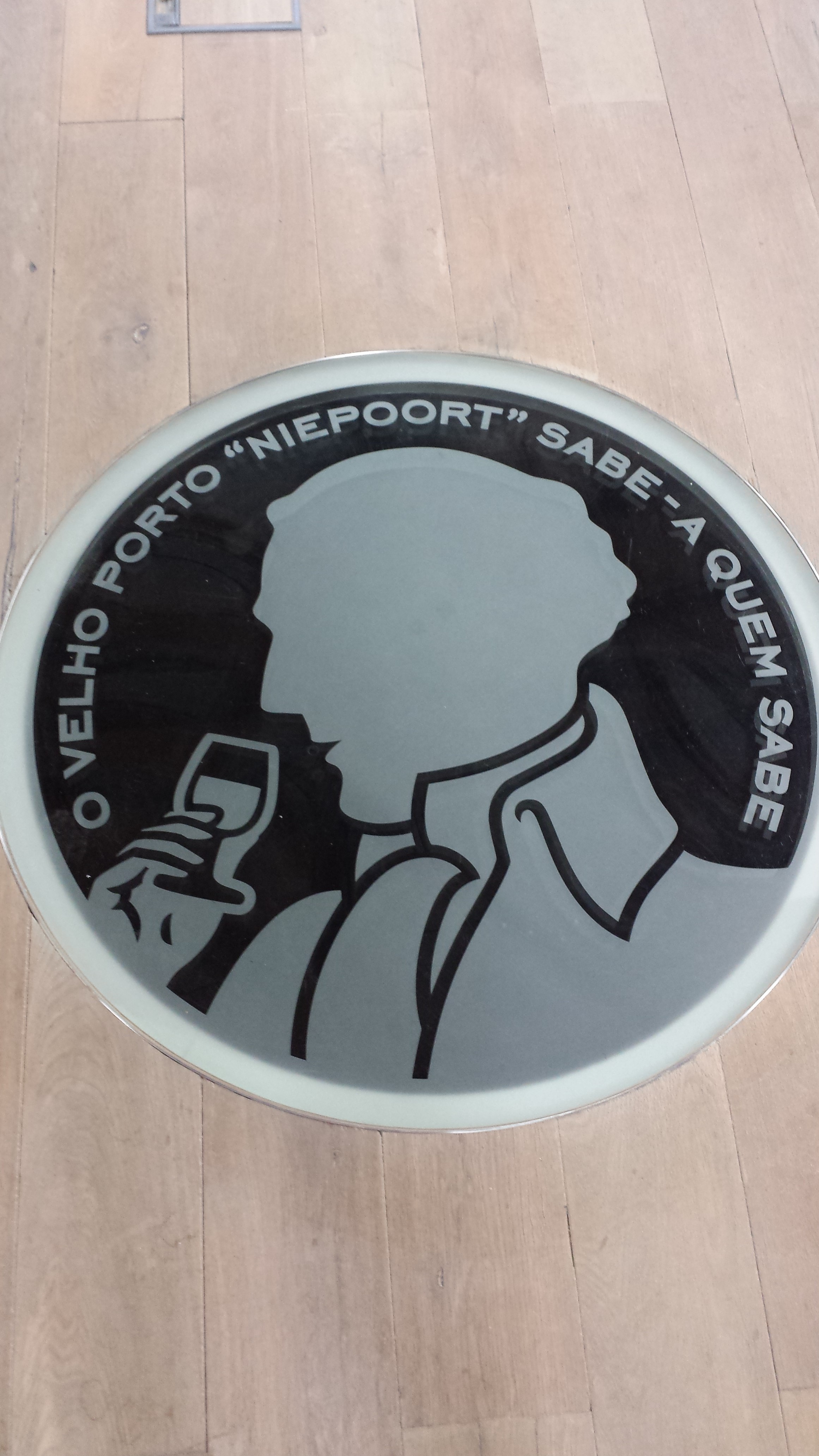
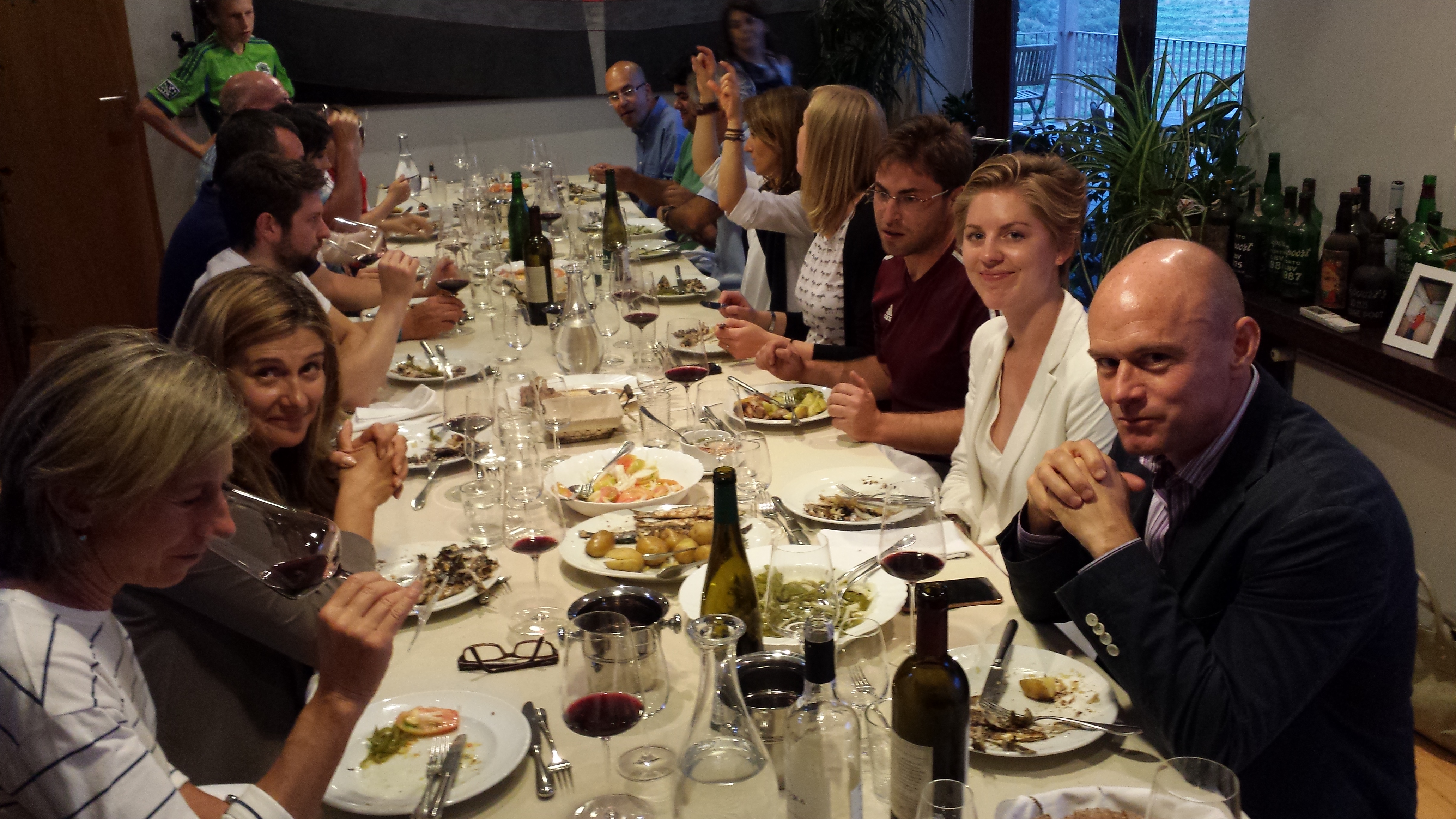
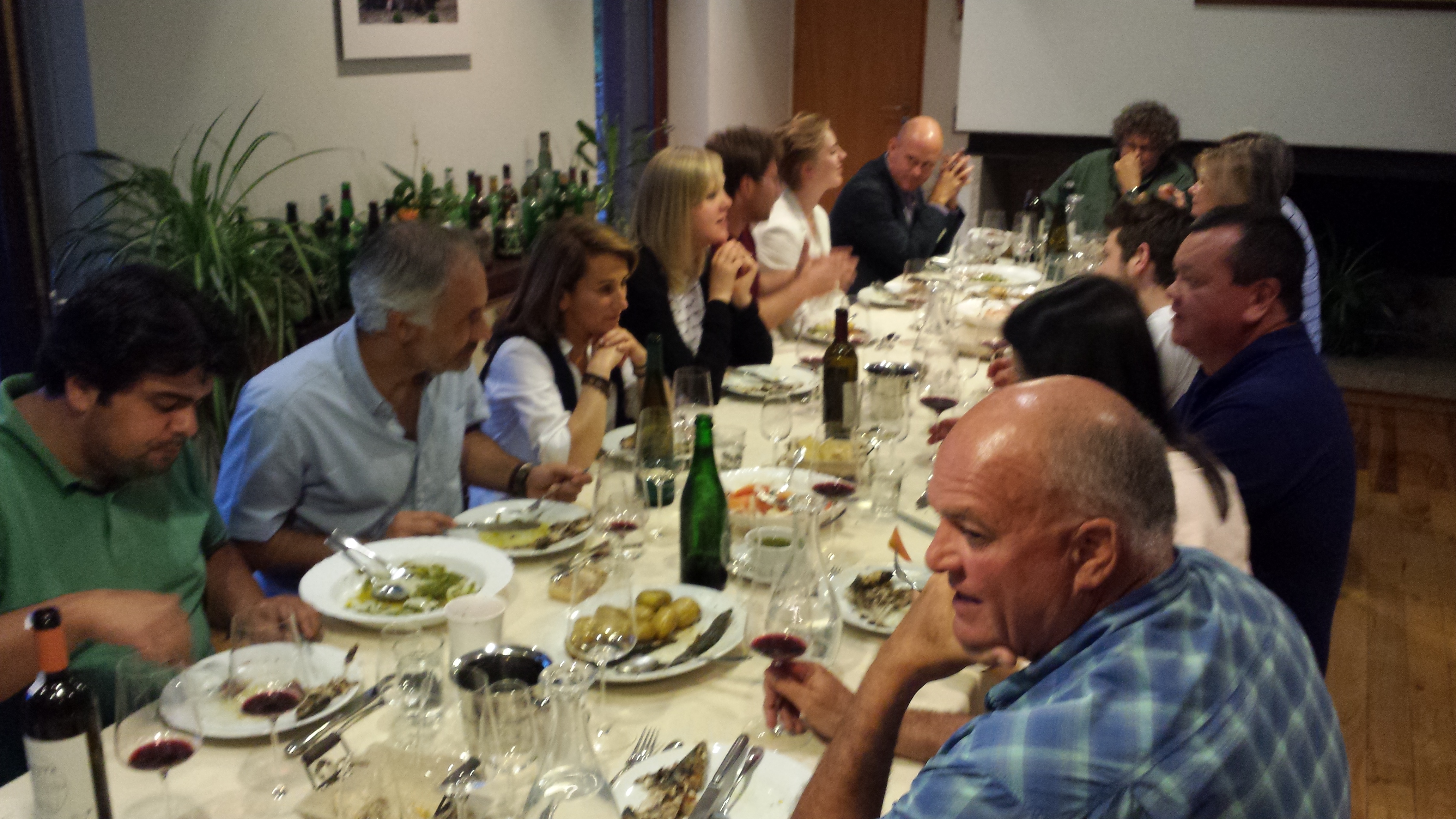
I have already met quite a few winemakers, but non as “crazy” about wines as Dirk Niepoort, owner and fifth generation of the Niepoort winery. Niepoort has so many different types of wine in its assortment that I think not even Dirk himself knows 100% how many they actually make 🙂 🙂 Next to their “regular” gamma of wines and Port wines, Dirk also has something he calls “projects” (basically Dirk’s playground 🙂 ) . These “projects”go from making a Portuguese Riesling to making Baga to …. Niepoort even has an own app for your Smartphone where you can find almost all their wines (including some of the projects), but I’m sure there are still other projects that haven’t been officialised yet and therefore aren’t on the app yet. BTW, Dirk also loves to taste good wines (also non-Niepoort), he didn’t tell me, but something gave it away 🙂 (see pictures below)

3 generations Niepoort Family by Niepoort

20140623_113940

SAMSUNG CSC

SAMSUNG CSC

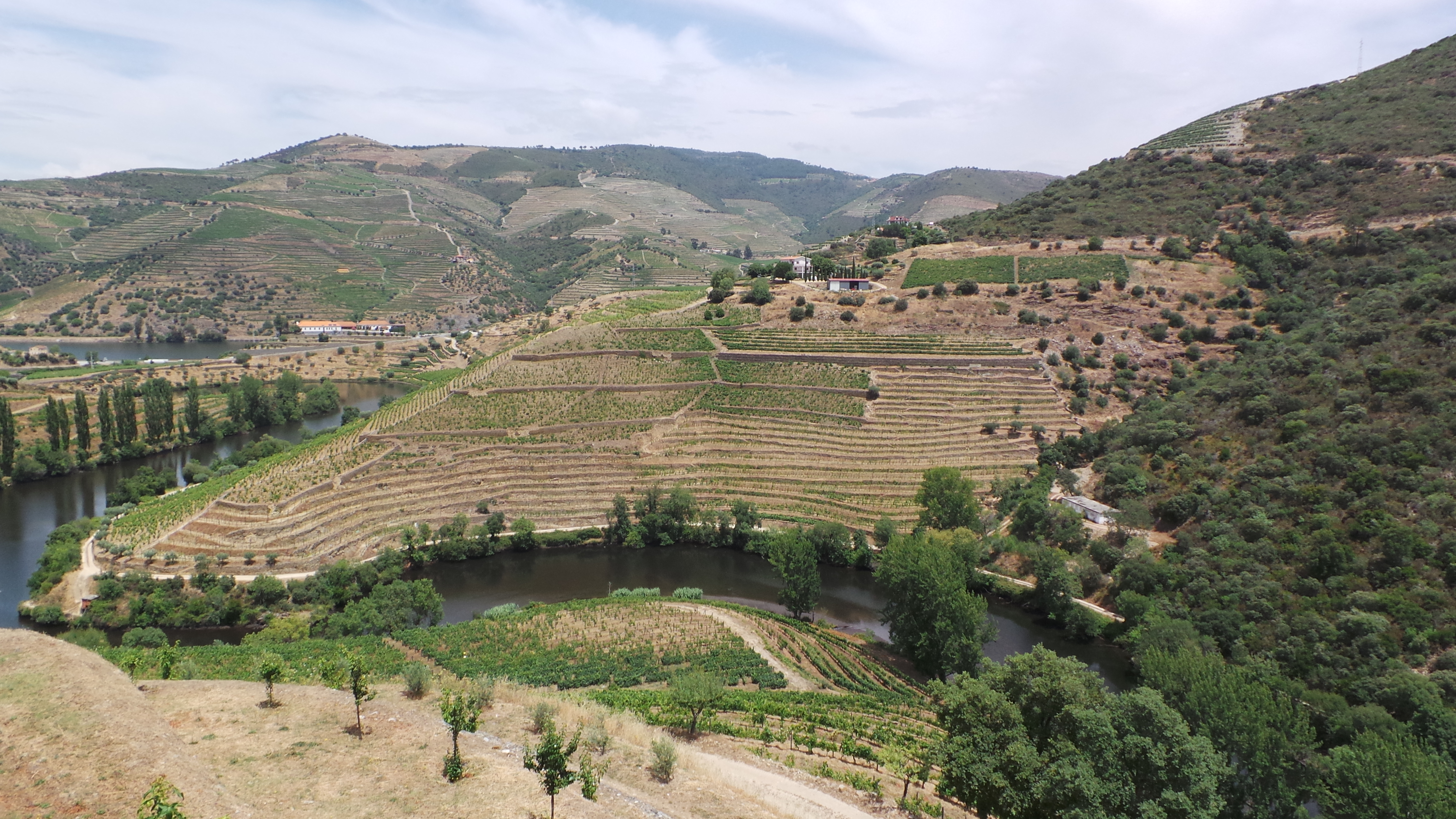
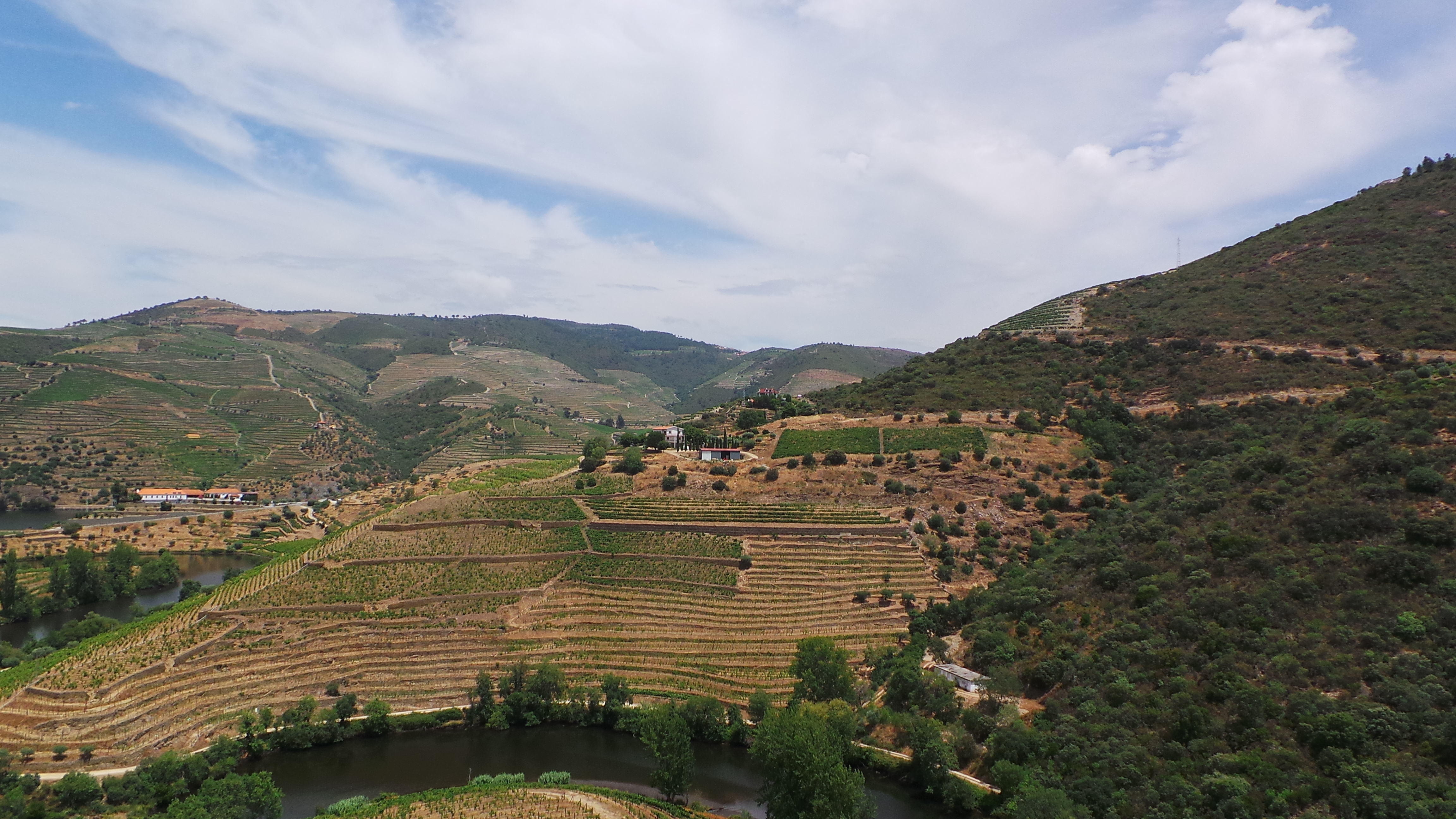
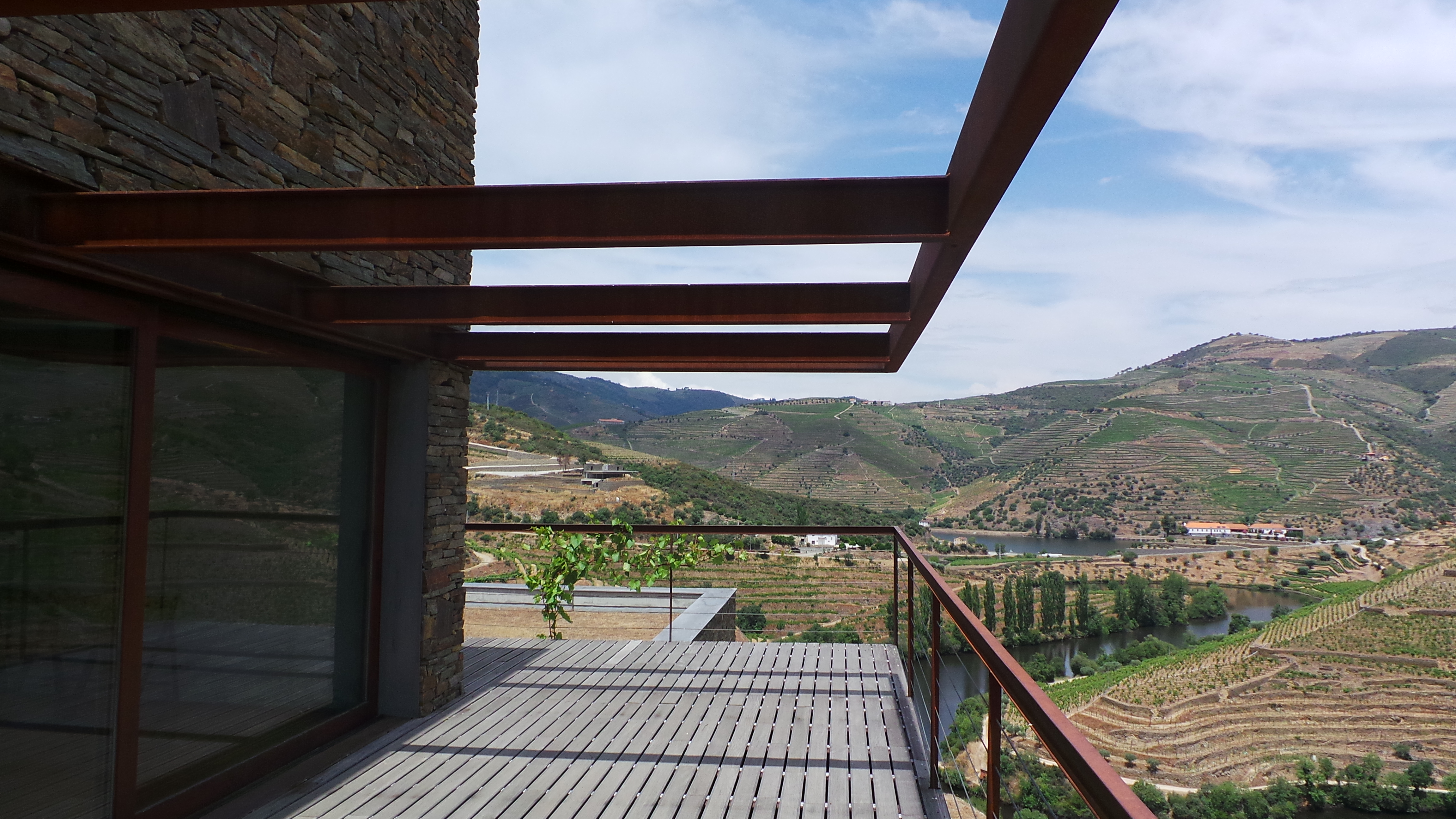
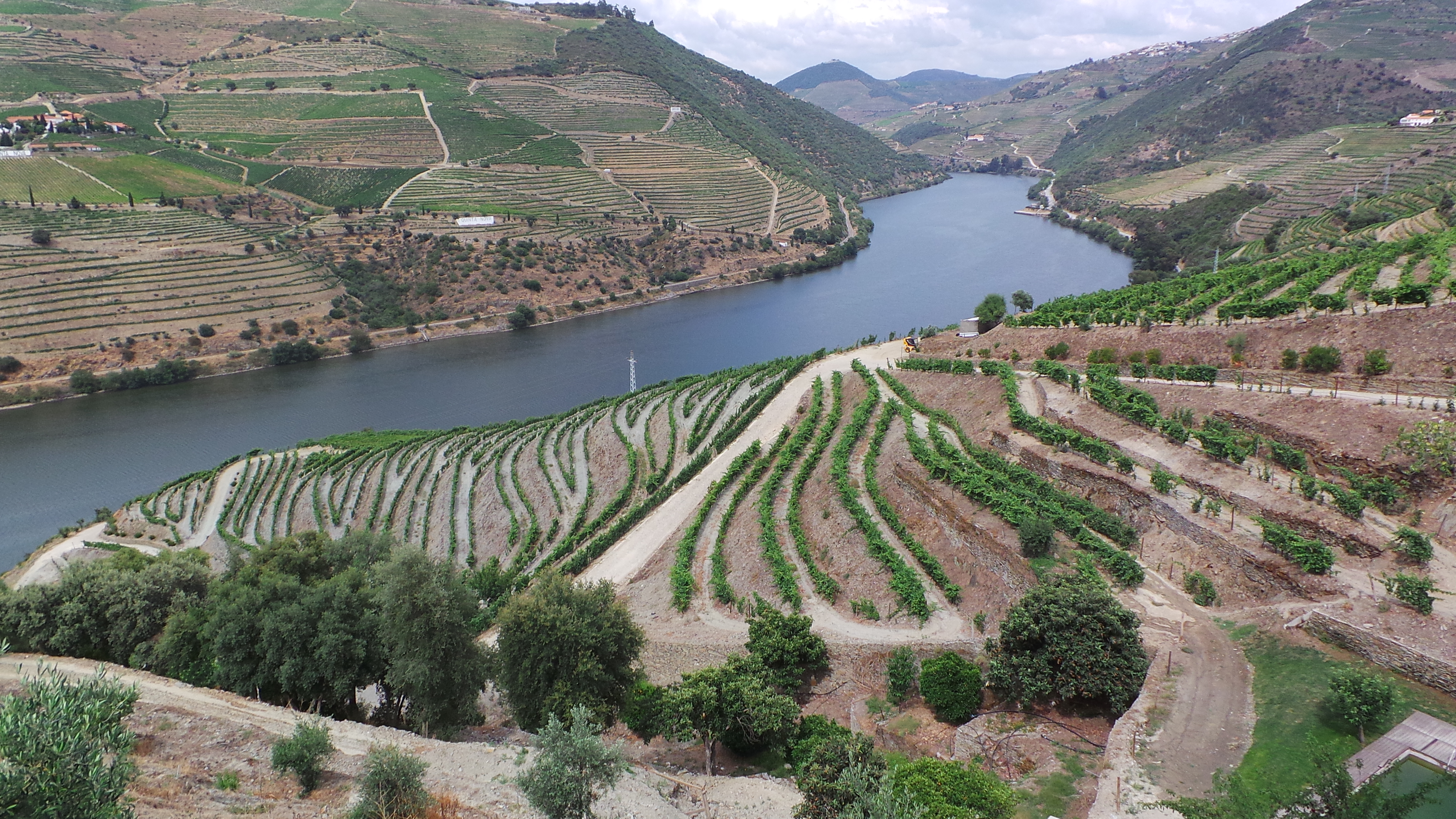
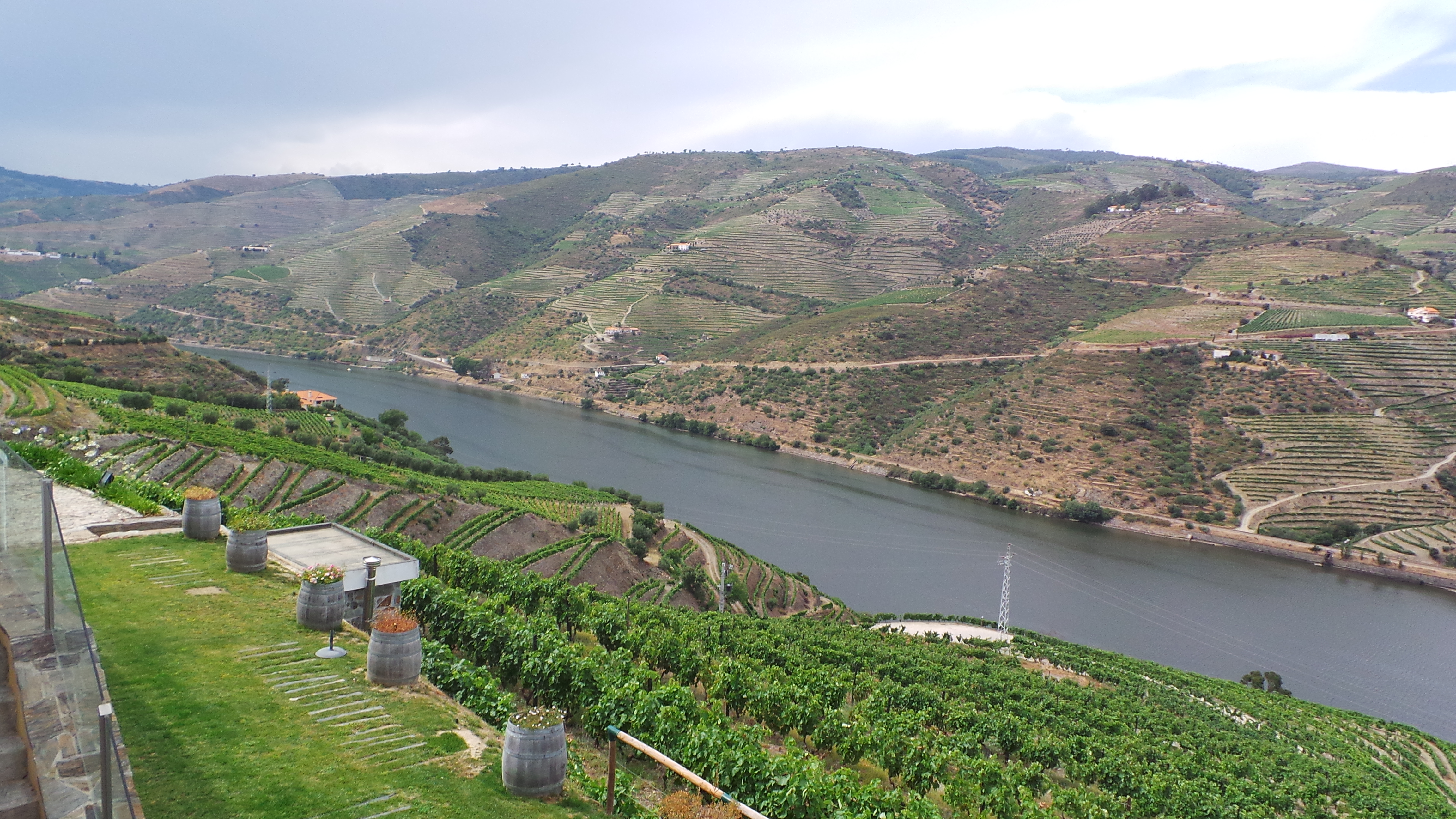
We had an appointment to meet Dirk Niepoort in Quinta de Nápoles in the Douro valley, but due to unforeseen circumstances he was only able to meet us in the evening, so it was the lovely Gabriella who showed us around the estate and introduced us to the wonderful world of Niepoort wines where we enjoyed again some very beautiful views of the Douro valley.

20140623_121326

20140623_140337

20140623_142227

20140623_142234 20140623_142238

20140623_142245 

20140623_142758

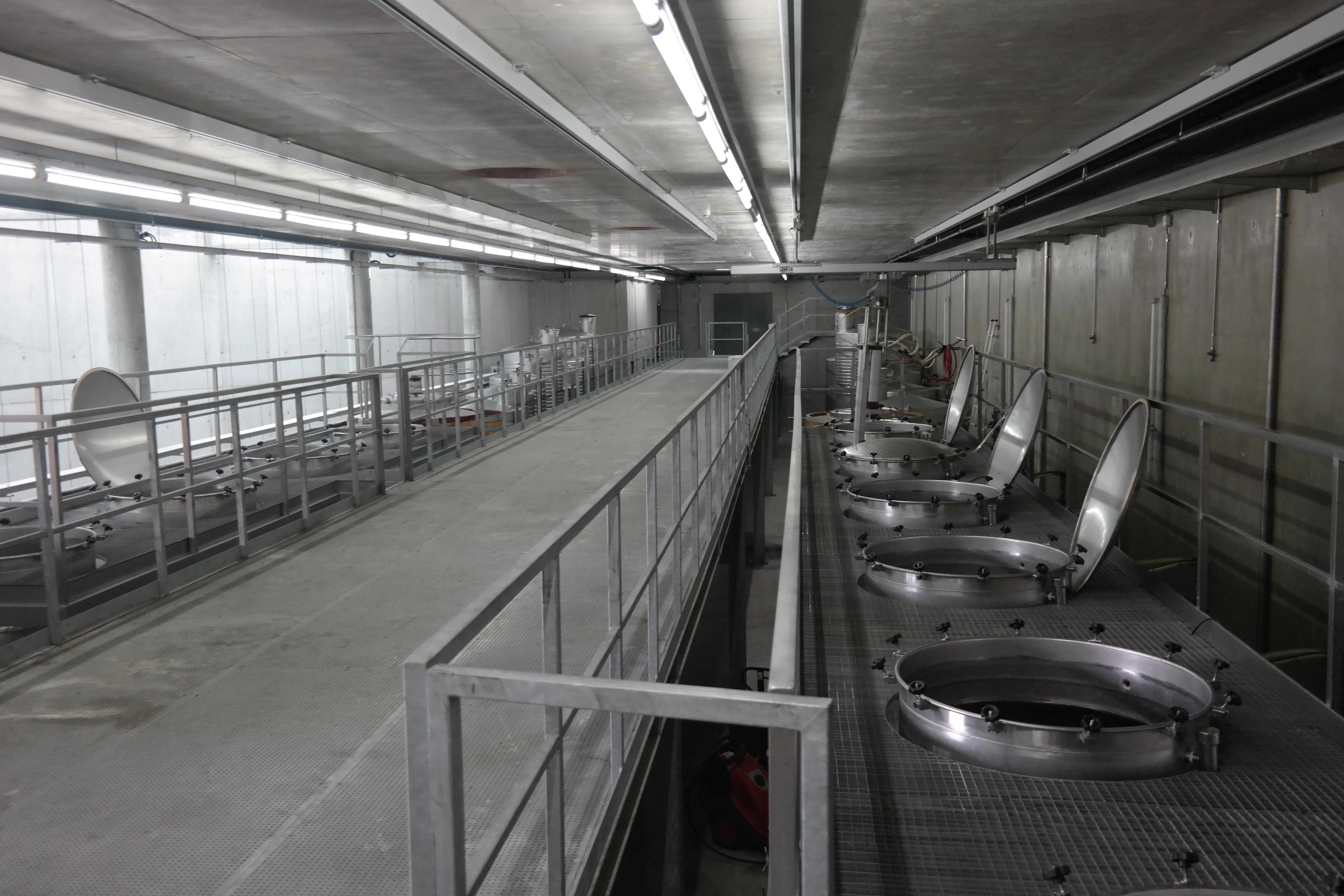
The Niepoort vineyard can be subdivided in 2 parts, the Port wine vineyard and the “regular” wine vineyard. Like with all Port makers, Niepoort also age most of their Port wines in Villa nova de Gaia. Their regular wines on the other hand in Quinta de Nápoles in the Douro valley. When you first arrive at this Quinta you think it is a small vineyard as you  only see 2 small houses, but once you enter them you notice that half the hill ( at the interior 4 levels down) is all part of the wine estate and is where the wines are made and age. Inredible!!  With a total wine production between 1,5 and 2 million bottles a year (depending on harvest, etc… of course)… Niepoort is seen as a big vineyard amongst the small ones and a “small” one of the big ones :-). I must be honest with you and admit that until maybe 1 or 2 years ago I was of the idea that Niepoort only produced Port wines, so that is why my visit to the vineyard was mostly with a focus on their regular wines… What I won’t be doing is describe all their wines, as that would make my blogpost even bigger than they usually already are + they are already very well described on their website that I would just be doing double work. So in case you want to know all their wines and project do check the Niepoort website or download the free app of your Smartphone or tablet. A nice thing to know is that the first wine Dirk Niepoort made since his “leadership” of the Niepoort vineyard was the 1990 Robustus that back in the 90’s didn’t get released, but since 2004 got tributed under the same name (and I’m sure also an improved version). Not sure why it didn’t get released in 90’s though…

SAMSUNG CSC

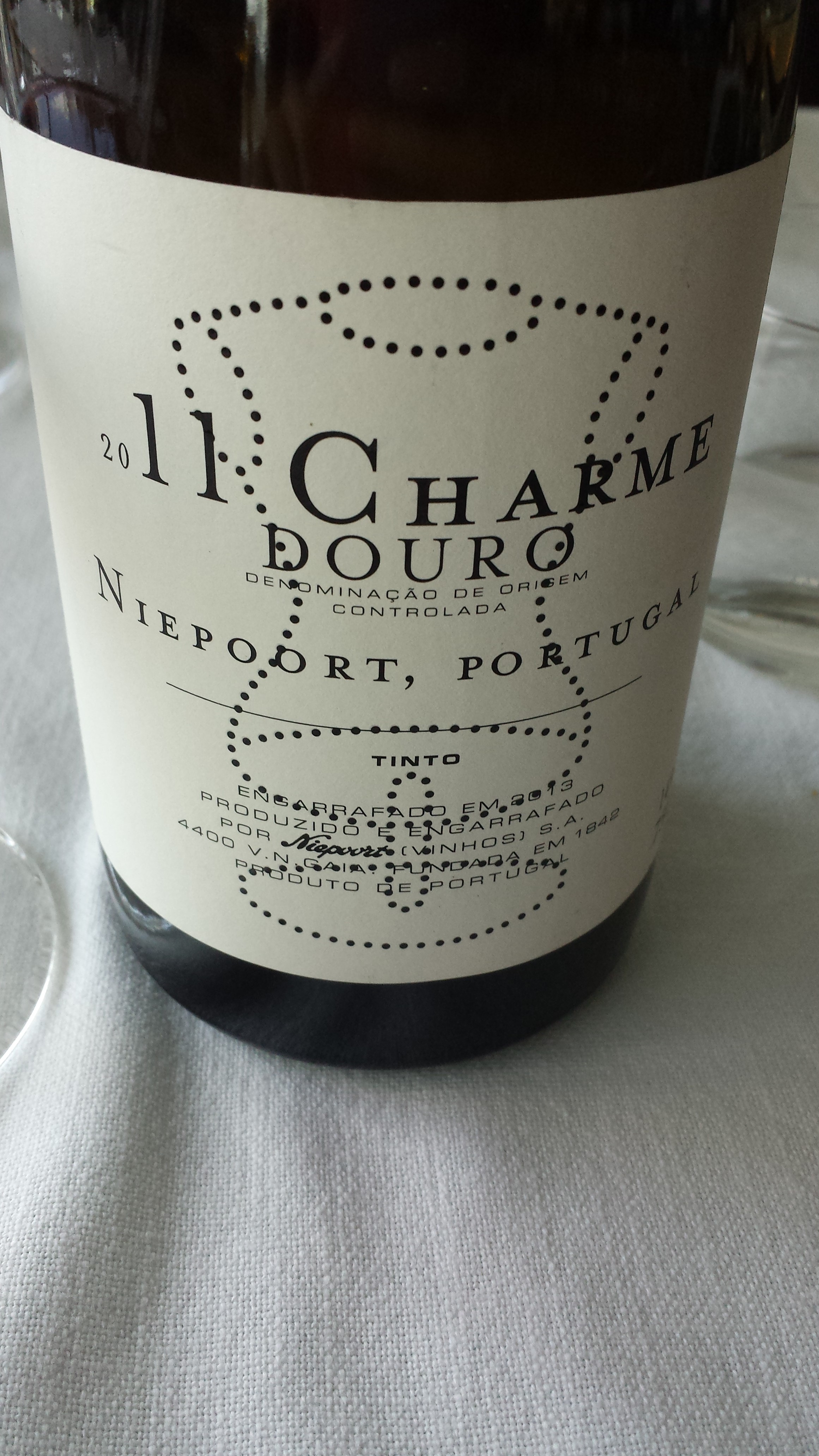
For me Niepoort wines are fun wines, first of all because of the fun product in the bottle, but also because of the bottles itself or better their labels. You will ALWAYS be able to recognize a Niepoort wine (even from a far distance) thanks to its “stamp-like” labels (or at least, that is what it reminds me of – check picture below) and their country specific labels… Yes, country specific labels. They have a particular type of wine (Fabulous wines) for which they had asked designer Cordula Allesandri to make a comic book story to label their bottles and for each country a different one… It’s almost a pity to throw away the bottle afterwards… (I had a few “Allez santé” at home). A collector’s item I guess …although I’m not really the type of person who likes to keep the bottles too long in their cellar as they are to “njammy” to not touch…

SAMSUNG CSC

20140623_145711

SAMSUNG CSC SAMSUNG CSC

SAMSUNG CSC SAMSUNG CSC

SAMSUNG CSC SAMSUNG CSC

SAMSUNG CSC SAMSUNG CSC

SAMSUNG CSC SAMSUNG CSC

SAMSUNG CSC

SAMSUNG CSC

Dirk Niepoort is “private” person, someone who doesn’t talk that much when you first meet him (at least that the impression I had, but it could have been because of me of course). Once you start talking about and tasting wines you see him opening up with sparkles in his eyes… and the enthusiasm to have you taste all his best wines and all his new wine projects. If it were for Dirk, I think he would have opened every barrel. I know I keep repeating myself, but it is so much more fun to be around a person who is passionate about something and who wants to teach you something than somebody who doesn’t like what he’s doing… and Dirk has that enthusiasm x 10 🙂  and the amount of knowledge he has about wines from all over the world, WOW!

Luckily for us we visited Niepoort on ‘Dia de São João’aka St. John’s as because of this we could join the celebration that goes along to this day involving food and meeting interesting people. On Dia de São João it is tradition to eat grilled sardines and a local soup… to make a long story short, we had a wonderful celebration with lots of food and some great Niepoort wines… basically it all comes down to that it are the simple things in life that make people happy not matter how rich or famous… Simple food and wine in the company of Friends and/ or family . Events like this are also what I dream of whole year while working in Belgium…

20140623_205439

20140623_210200

20140623_201405

Niepoort has such a wide range of Ports and wines that it is difficult to really indicate a favorite, I mean for every moment or occasion you’ll find the perfect wine due to their difference and particularity. Each wine is as good as all the passion, know-how, good products and devotion you put in them, this makes that every wine you make is your best wine… Although I would suggest to try all of them, from the Ports I loved their Colheita’s and from their “regular” wines to many to mention… my wine-cabinet will be to small for all the new wines I’ll be buying after my Portugal trip 🙂

Enjoy!

Each man has a dream: Quinta do popa

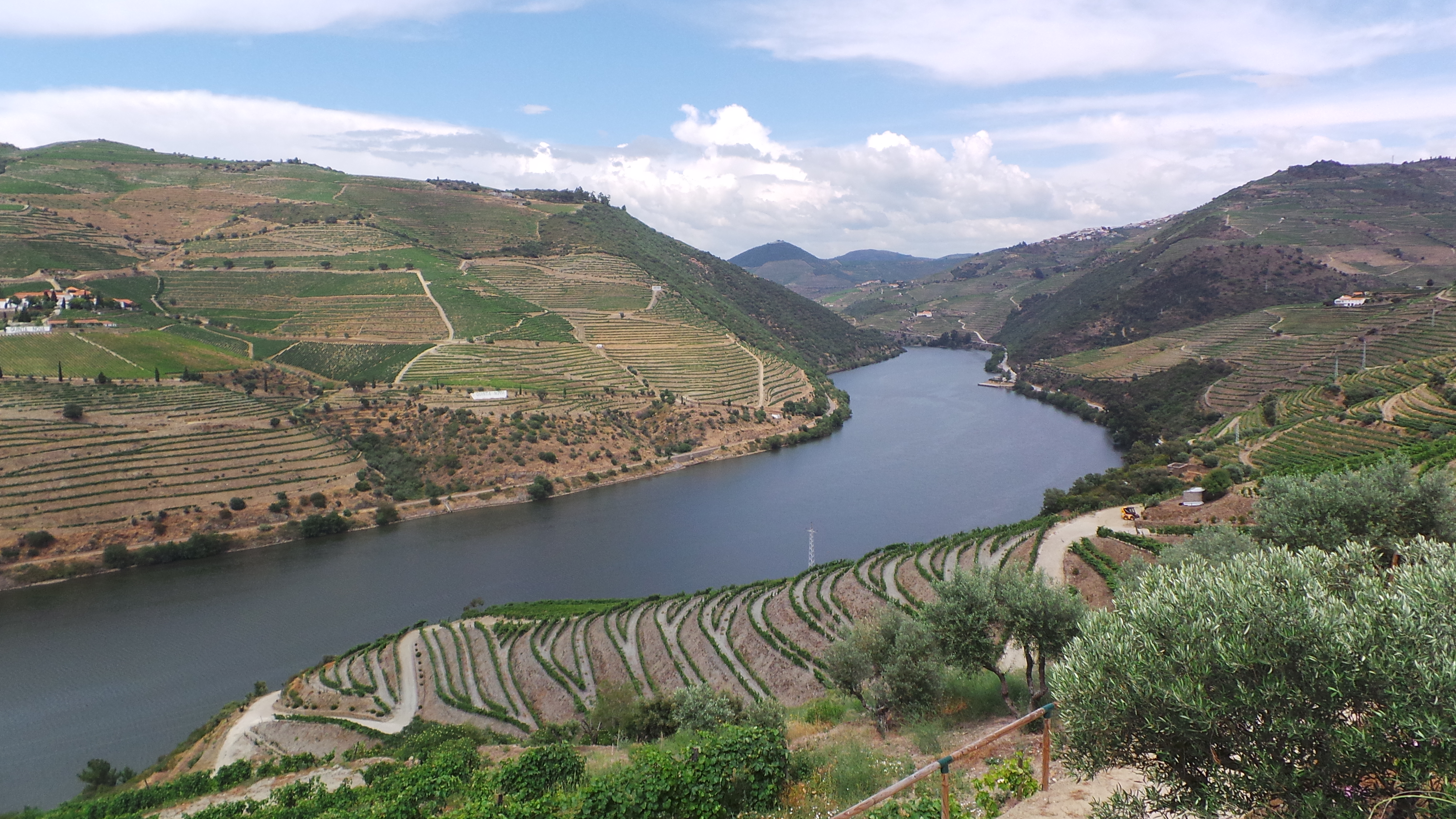
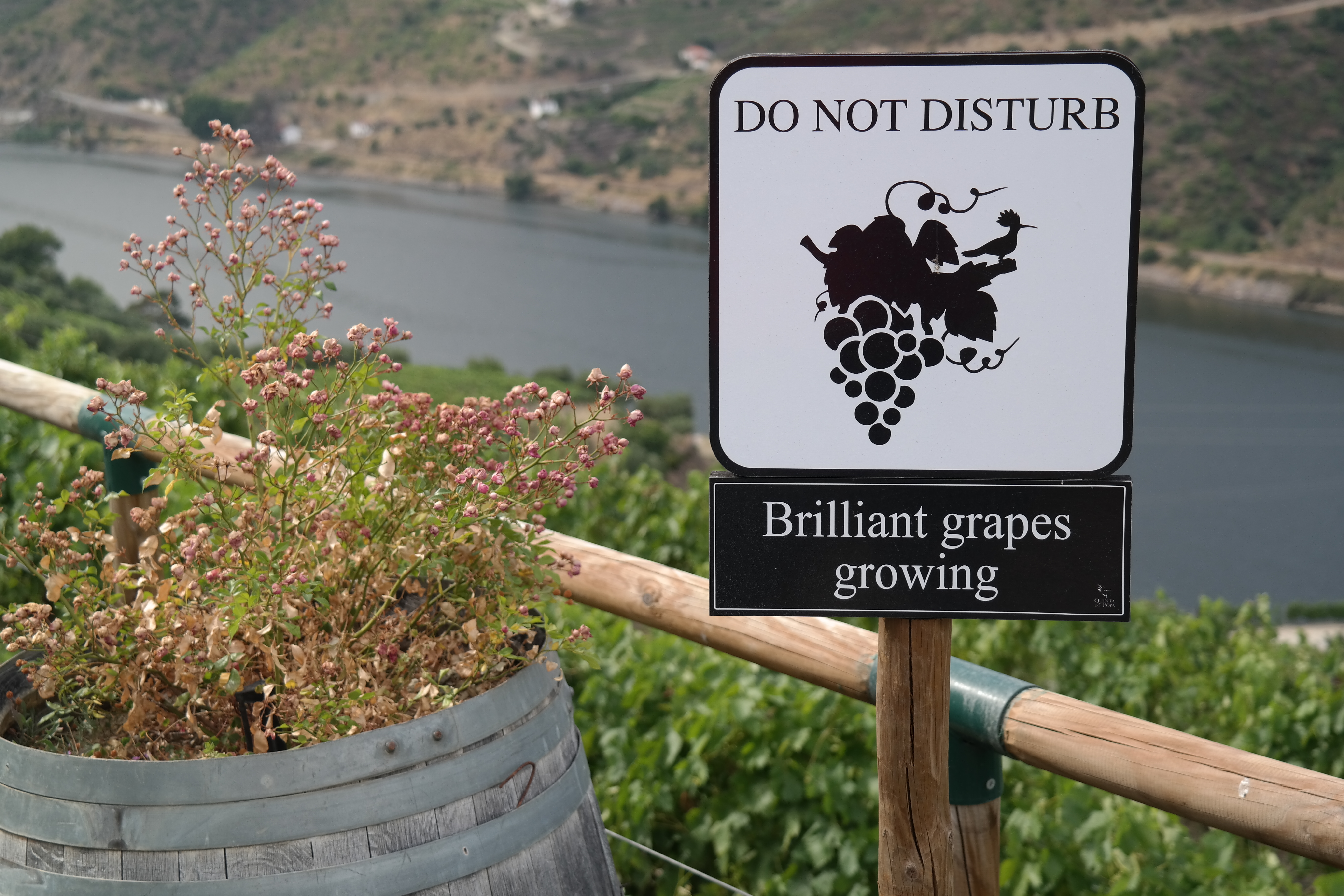
As mentioned in my previous blog post, the main reason to visit the Douro Valley is for its wines. The vineyards in Douro have all been given the name ‘Quinta’ which would mean little farmhouse in Portuguese. You can compare it with the French using “Chateau”, only the Portuguese are more modest and therefore use a more modest name 😉 . The first vineyard I want to introduce to you is a newer vineyard from the Douro valley, Quinta do Popa. I know it might not immediately sound familiar, but after reading my blogpost that’ll change 🙂

SAMSUNG CSC

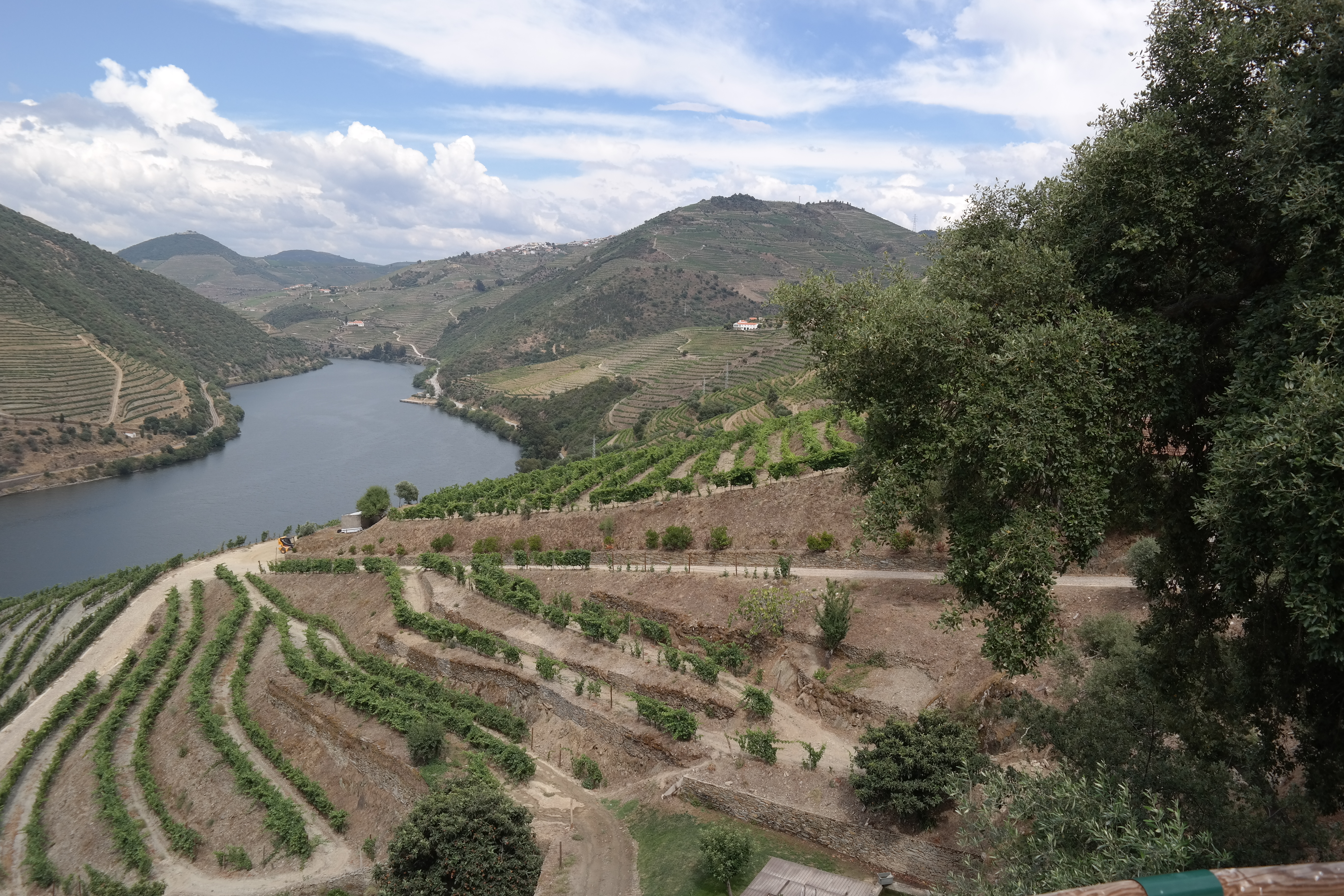
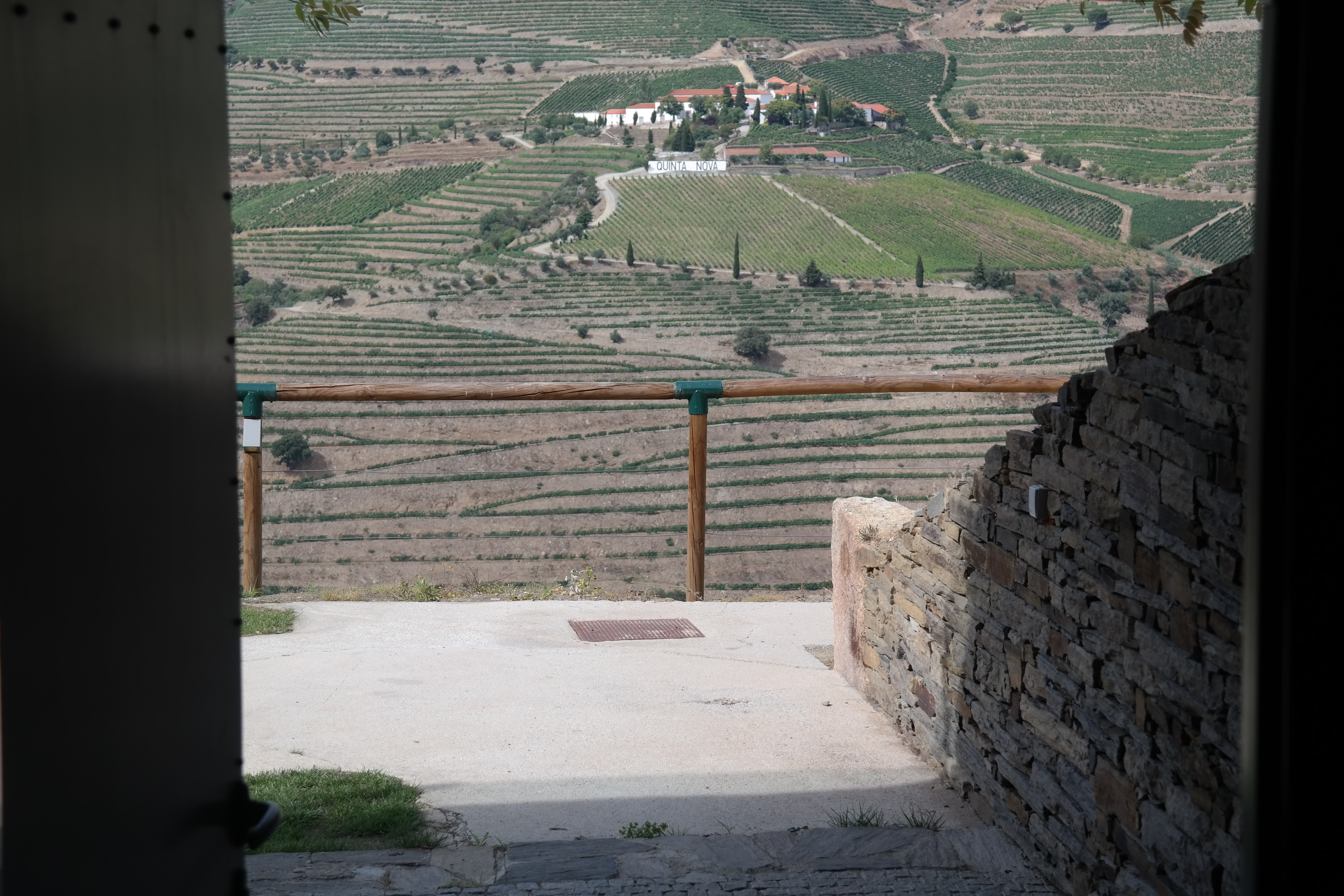
After a quite steep climb towards Quinta do Popa (you have incredible views from up here) you get a welcome like you wouldn’t believe, they welcomed us like they would welcome family in their home. A very nice feeling (really)! Normally we were here to meet Stéphane Ferriera (owner), but he got hold of some Worldcup tickets for Brazil 🙂 I can imagine for a football fan this is like finding the holy grail so unfortunately he wasn’t able to meet us… but if it weren’t’ for this we would have never met the very charming Leila +now I have the perfect excuse to come back to Quinta do Popa.

SAMSUNG CSC

Quinta do Popa view 2

Quinta do Popa view 3

Quinta do Popa view 4

SAMSUNG CSC

SAMSUNG CSC

SAMSUNG CSC

SAMSUNG CSC

SAMSUNG CSC

Quinta do Pôpa was bought by José Ferreira in 2003 as tribute to his father and to build up his father’s (Francisco Ferreira aka Pôpa) long life dream of one day owning his own Quinta. Pôpa actually refers to the crested hair like Elvis used to have and to a particular type of bird. The reason his father was given the nickname Pôpa was because after a whole day of hard work on the fields he would very dirty except for his hear, his hair was always in the perfect condition 🙂 talking about a proud man.

Popa

The reason why I wanted to visit this vineyard was first of all because I like wines and am always keen on trying something new… but also because no one less then Luis Pato believed so much in this project he decided to help Stéphane and Vanessa (José’s children who are the faces of the vineyard and hardworking team behind José) with realizing their dream. It made me very curious on knowing more about this dream.

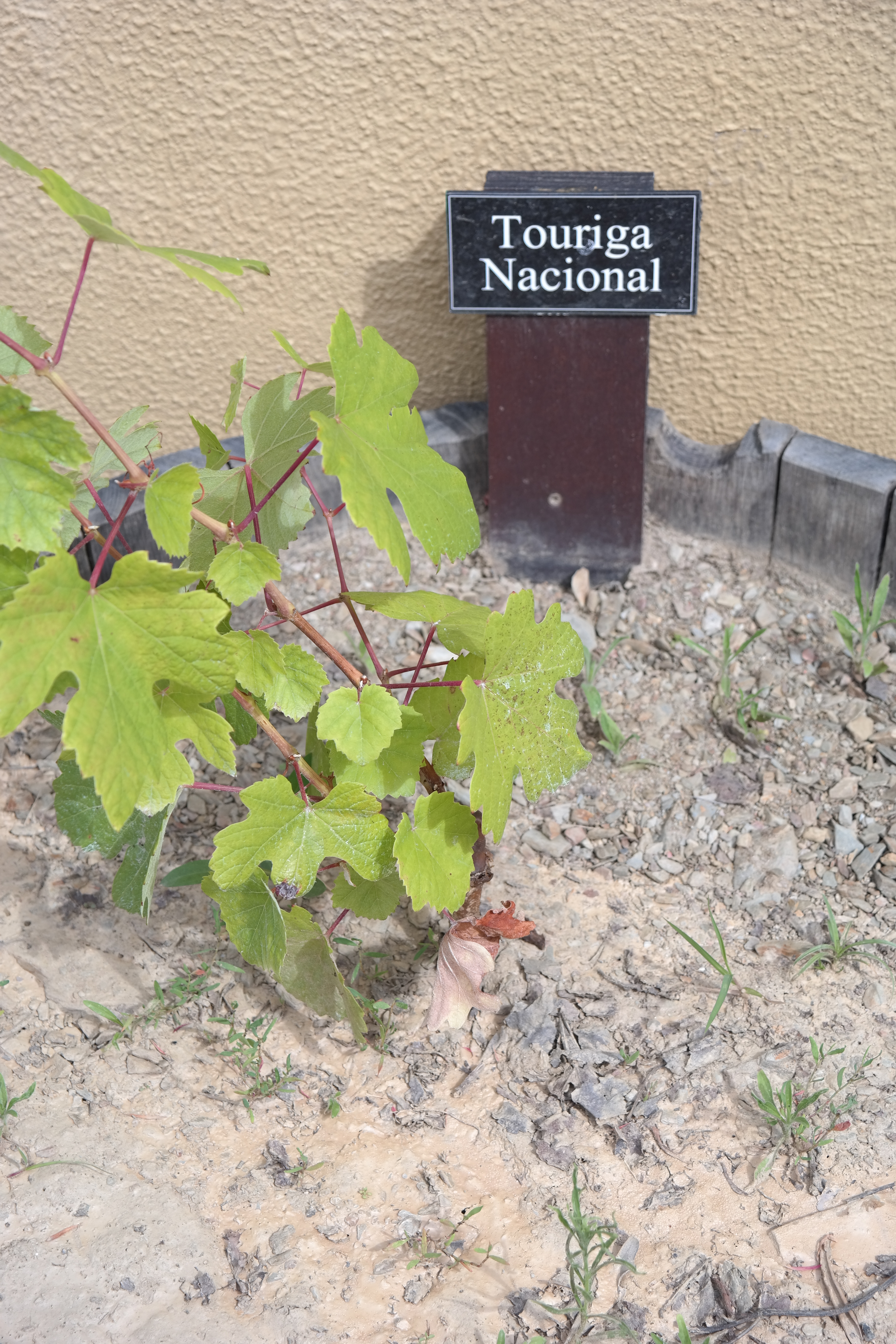
On their 30ha estate only on 14ha they have mostly old vines (some even up to 80 years old) where they mostly grow grapes to make red wine (although they do have a white as well). With Tinta Amarela (for dark coloring and full body flavour), Tinto Cão (will add finesse and complexity to the wine, is also rare grape kind), Touriga Franca (very perfumed), Tinta Roriz (aka Tempranillo)and Touriga Nacional (gives structure and body to wine, with high tannins and concentrated flavours of black fruit ) as their mean grape varieties. On the other remaining 16ha. they have olive trees from which they make some nice olive oil.

SAMSUNG CSC

SAMSUNG CSC

SAMSUNG CSC

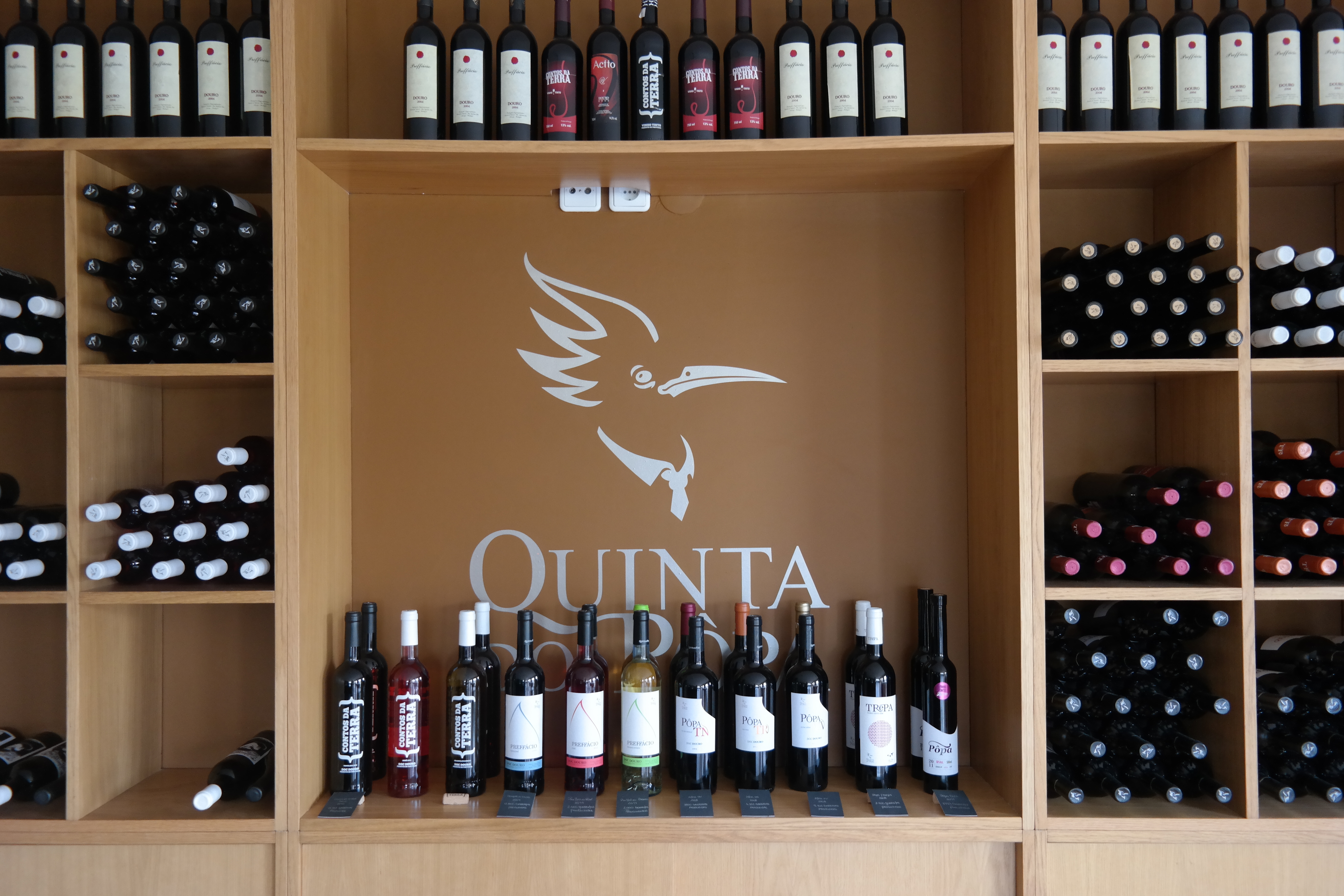
In their wines they have 4 distinctions or I might even say levels.

  •  Contos da Terra: these are to me everybody’s friend easy to drink wines for when you are sitting outside or in front of TV. and feel like having a glass of wine
  • Pôpa: more complex wines than the Contos wines and my preferred type of wines (bit stronger and full bodied). Here you have a choice between TR (Tinta Roriz), TN (Touriga Nacional) or VV (old vines and my personal favorite and soon part of my wine collection 😉 )
  • Pôpa Doce: a sweet wine (not to sweet) perfect for with dessert
  • TRePA / PAPO: the perfect marriage between Douro and Barraida wines. The Roriz from Douro (Quinta do Pôpa) and Baga from Barraida (Luis Pato). Also a very interesting (must try) wine and very soon also another addition to my collection 🙂

SAMSUNG CSC

SAMSUNG CSC

I know I indicated which ones were my favorites, but this is of course a personal choice and it also depends on which occasion you are drinking it (and if there is no, we’ll find an occasion 😉 ). Whenever I buy wines, I always prefer buying from vineyards I know and I have visited and have seen the sparkle in the eyes of the winemakers (which I did also see in Leila’s eyes (I didn’t stare to long, I promise!) and I’m sure José, Vanessa and Stéphane also have) which basically means the wine has been made with so much love, care and respect for the product you can be sure you’ll be having a great glass/ bottle… something that mass production products can and will never have….

 SAMSUNG CSC

SAMSUNG CSC

SAMSUNG CSC

SAMSUNG CSC

SAMSUNG CSC

SAMSUNG CSC

SAMSUNG CSC

Quinta do Pôpa gave me one a gift I will cherish a lot. They gave me a little bottle filled with sand from their vineyards… so every time I feel sad or feel like going to the Douro valley, I just poor the sand on the floor, sit in it, serve myself a nice glass of Quita’s VV wine and close my eyes… it will feel like I’m back at Quinta do Pôpa on a summery day! (A holiday feeling right in my living room thanks to them 🙂 ) Thank you for that Leila (And Stéphane, Vanessa, José) and I’m sure we’ll be meeting again very soon!!

20140722_204357

One last thing about the winemaking I want to share, in the Douro valley to press the wine (to get the juice out of the grapes) they still have people stumble them like in the old days. FYI this is not for nostalgic or touristic reason they do this, they do this because it still seems the best way to do it…. just FYI 🙂

SAMSUNG CSC