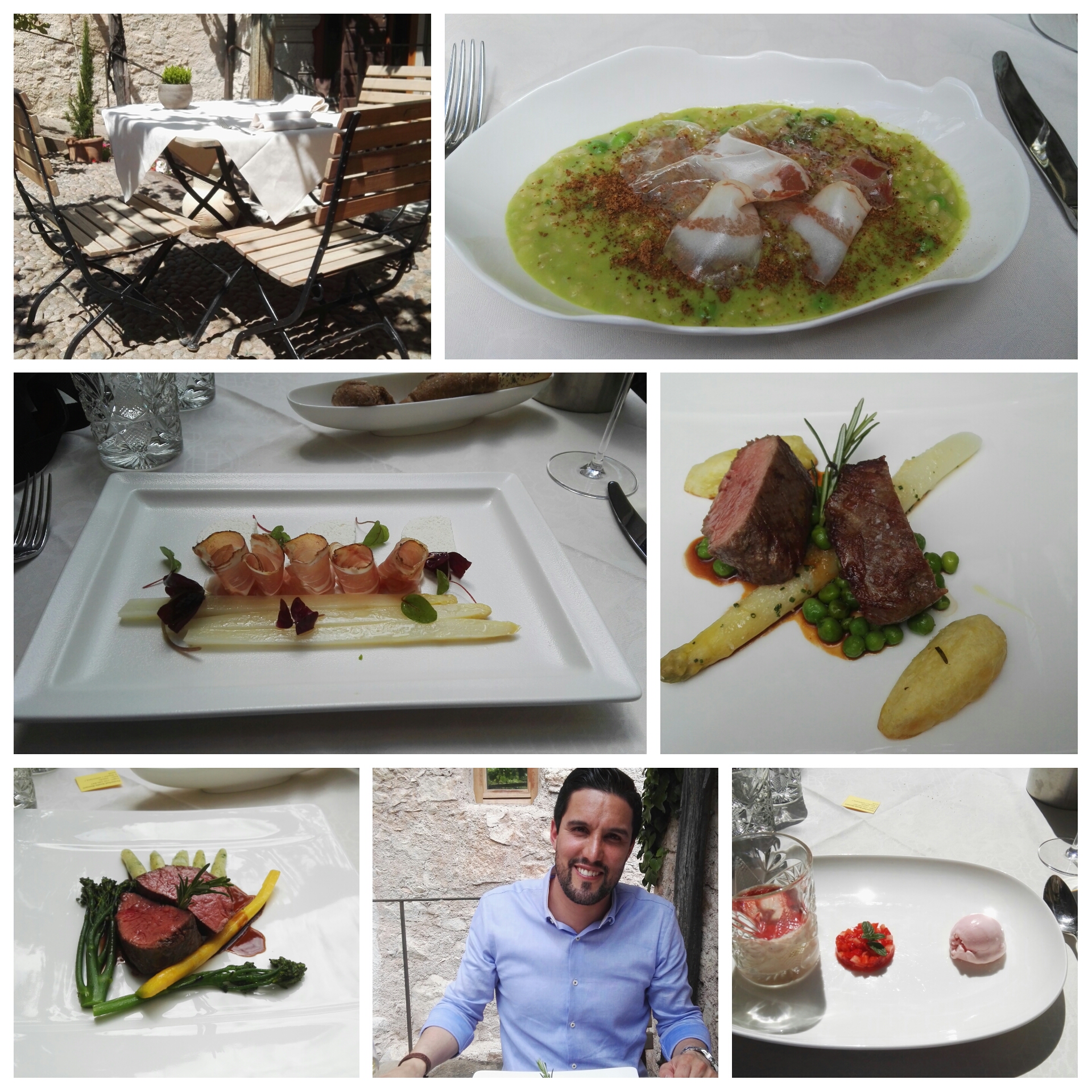
Italian road trip 2016: at the home of the Friars

Our trip had already been unbelievable… we had visited some great vineyards we, had some great food and had been very lucky with the weather as well 🙂 Travelling when the sun shines makes a trip much nicer. As if we ordered it, the sun was heating and more present on white wine Saturday than it was the other days!  So visiting a vineyard a stone’s throw away from the Garda lake was perfect, add great white wine to that and you have a perfect holiday 🙂 Coincidentally the vineyard we were visiting that morning had lots of great white wines 🙂 LUCKY US 😉

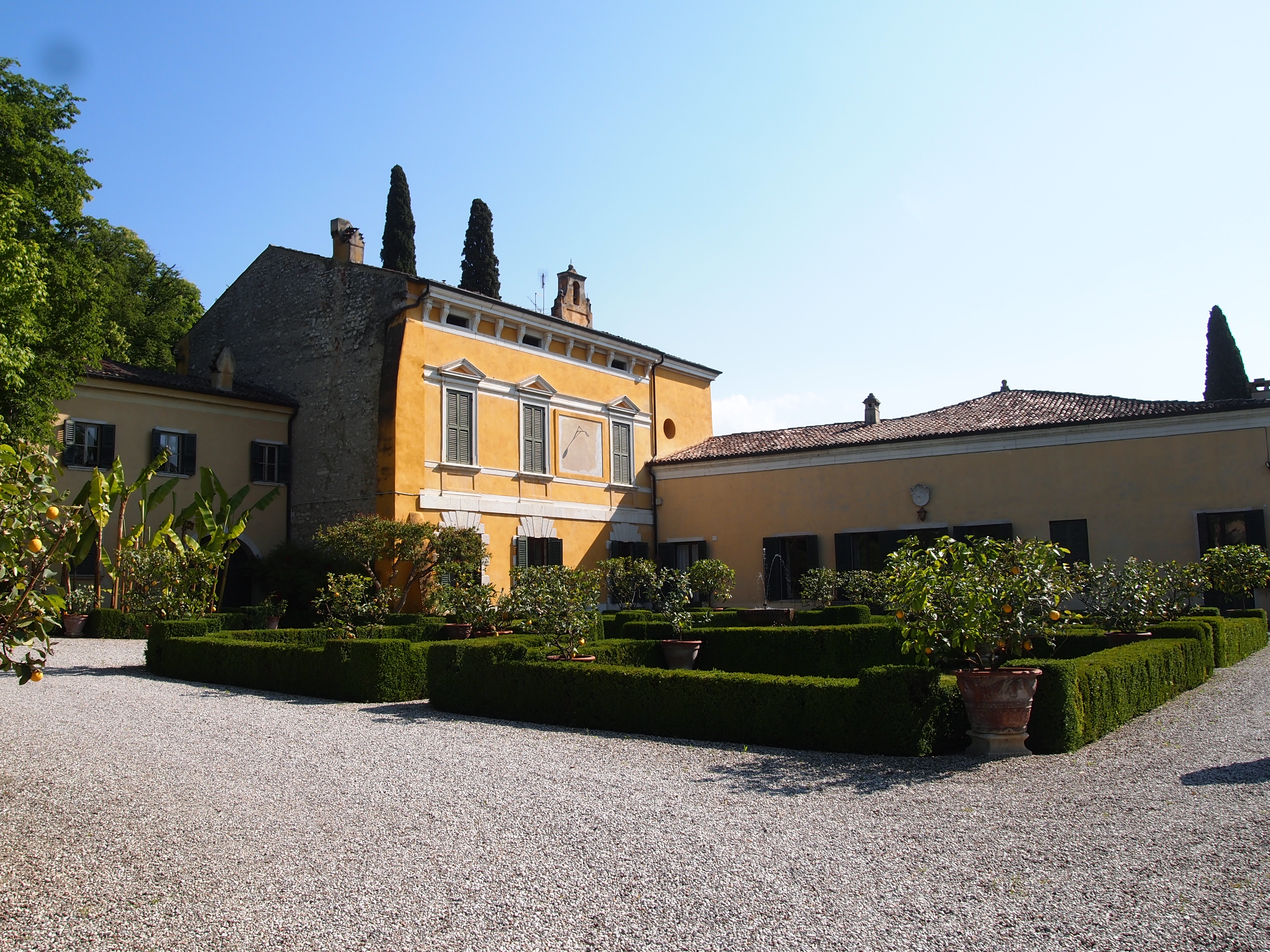
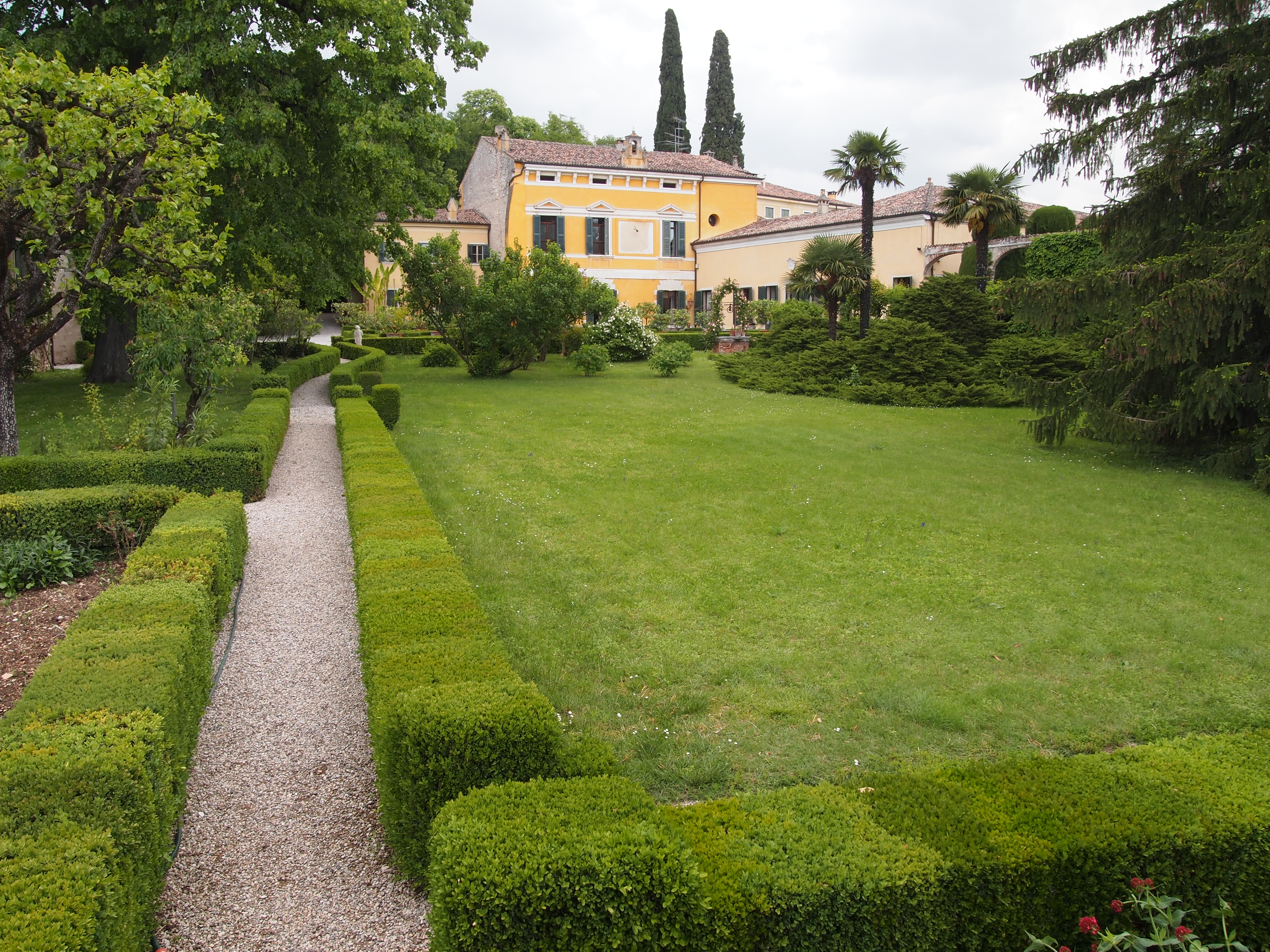
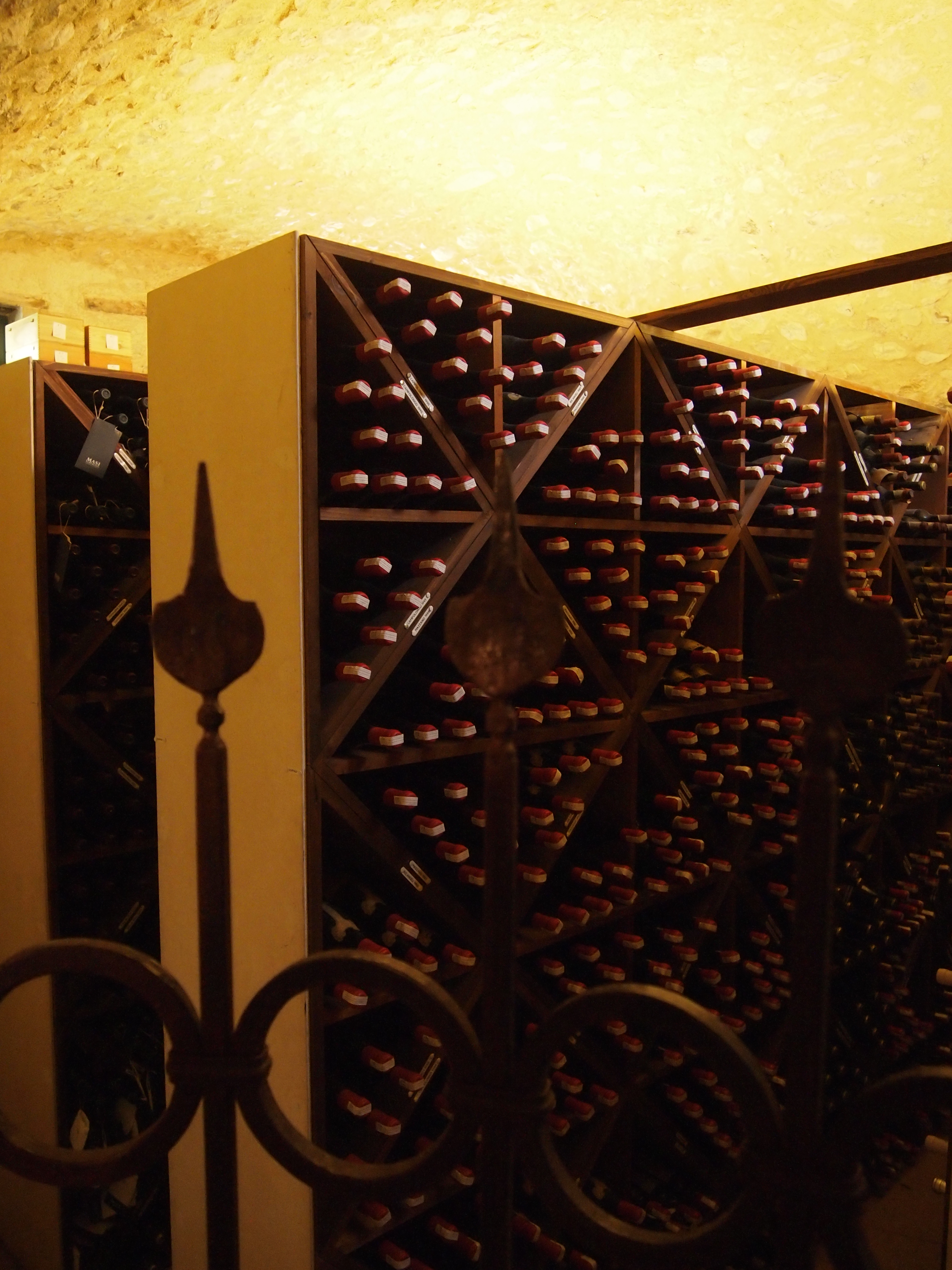
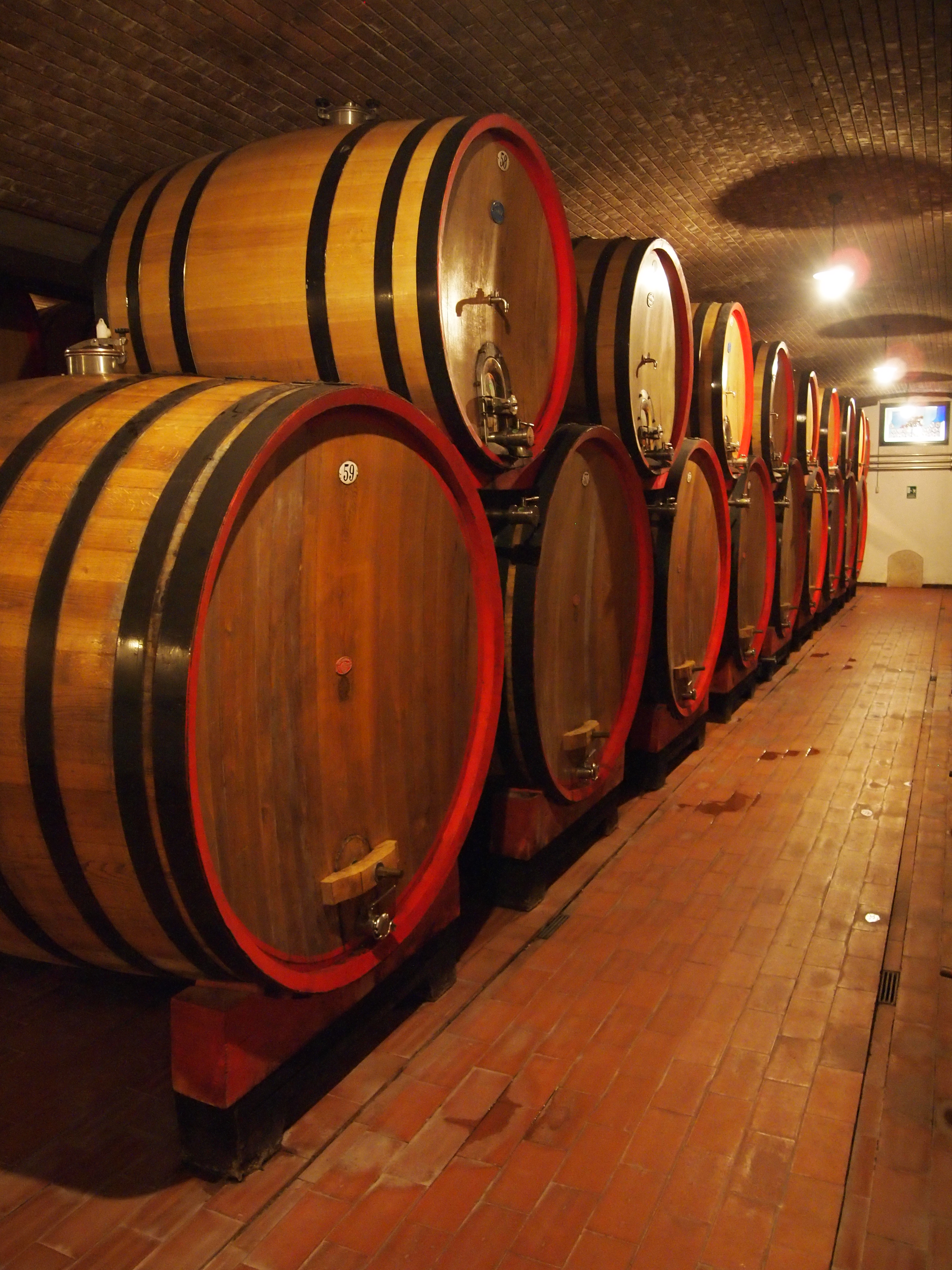
Ca dei Frati near Garda lake

When you visit a vineyard you always have some wines you prefer over others. It doesn’t mean those wines you don’t like are bad, they are just not how you prefer your wines to be…  If I tell you that we took home at least 1 bottle from every wine in the assortment from the Ca’ dei Frati vineyard…what does that tell you? Yes, in first place that our character or intention to buy less wine was out of the window. Also that my car has a big trunk, but also that all wines we tasted were our thing :-). For both of us (Carlos and me), so I consider this something quite rare 🙂

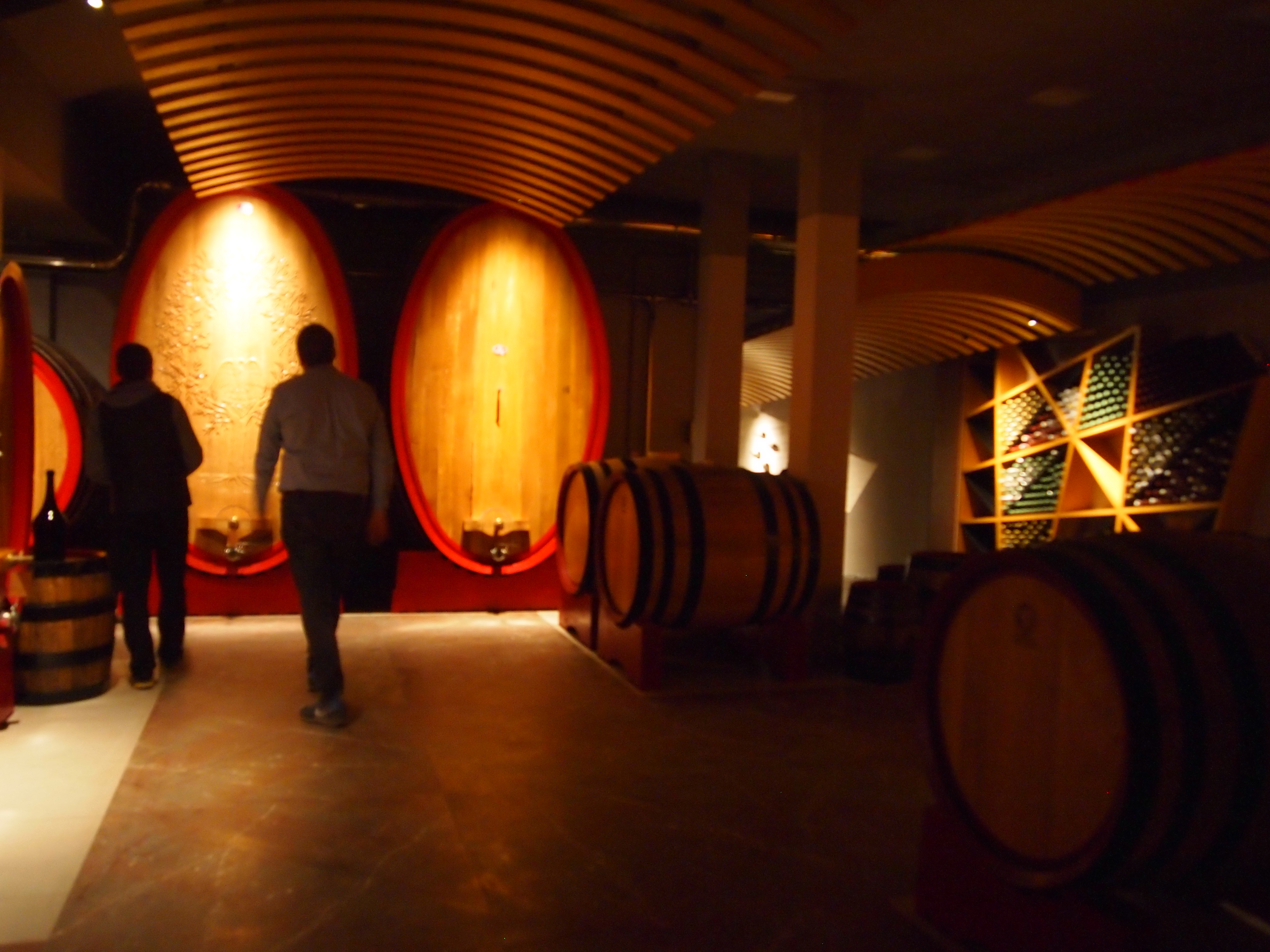
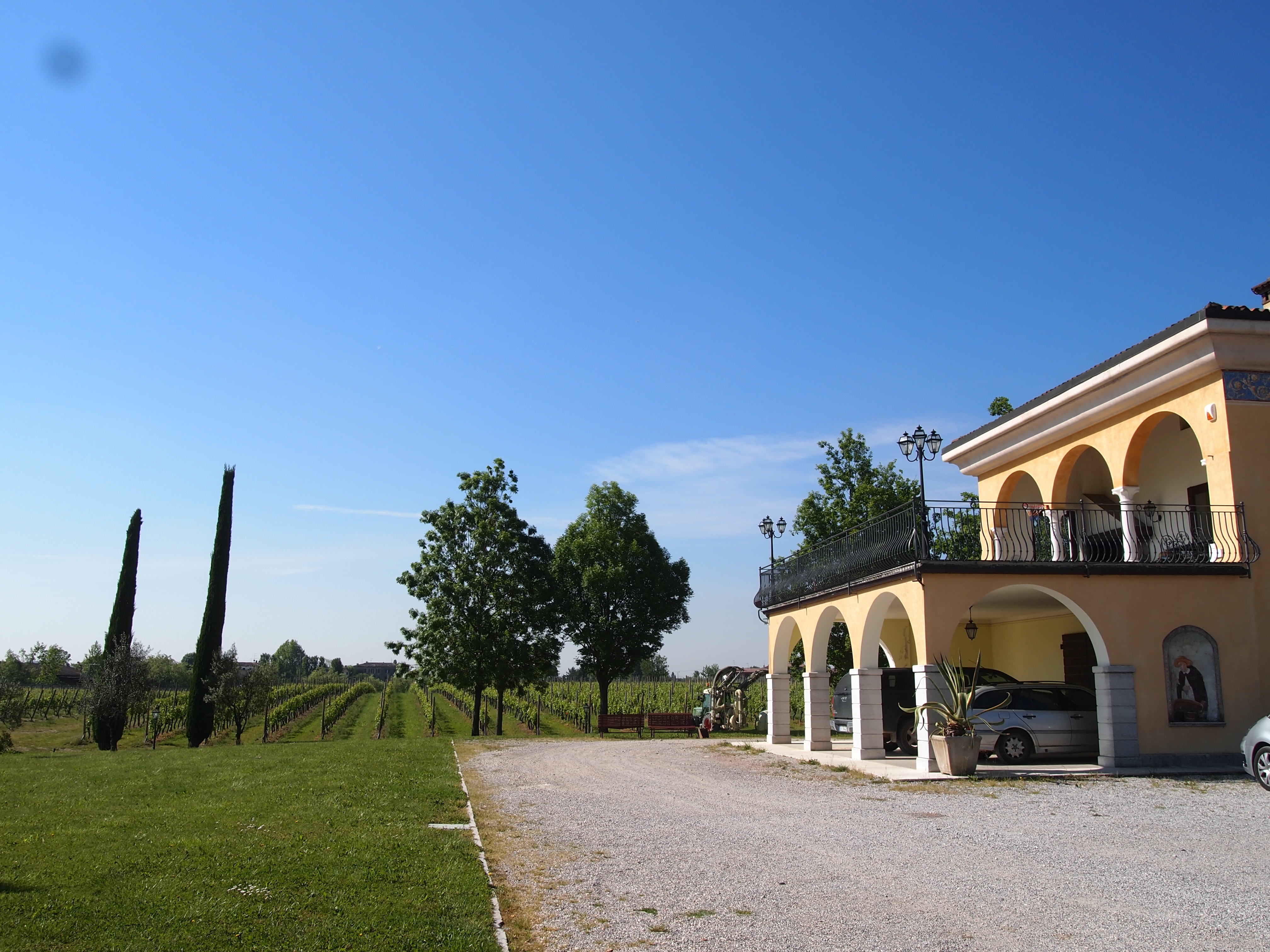
Ca’ dei Frati is as I mentioned before only a stone’s throw away from the Garda lake or from a town called Sirmione (I always remember Sirmione as the Garda Lake town with the Castle :-)) . That first bottle of Frati by ca dei Frati I had a few years ago at the Pazzo winebar with my dad left a big impression with us… ever since that day I had put the Ca’ dei Frati vineyard on my ‘to-do’ list if I was ever in the neighborhood… now, a few years later that moment had finally come. It was the Stefano (husband of the founder’s daughter and responsible for export) who showed us around the estate accompanied by his 2 year old son who insisted to come along 🙂 he reminded me a lot of my sweet little baby girl as they share the same big appetite 🙂 FYI, I know that you might say she inherited that from her dad, but at that age I was a very bad eater! It was only at the age of 12 when going to the chef school the tide had turned and I never looked back 😉
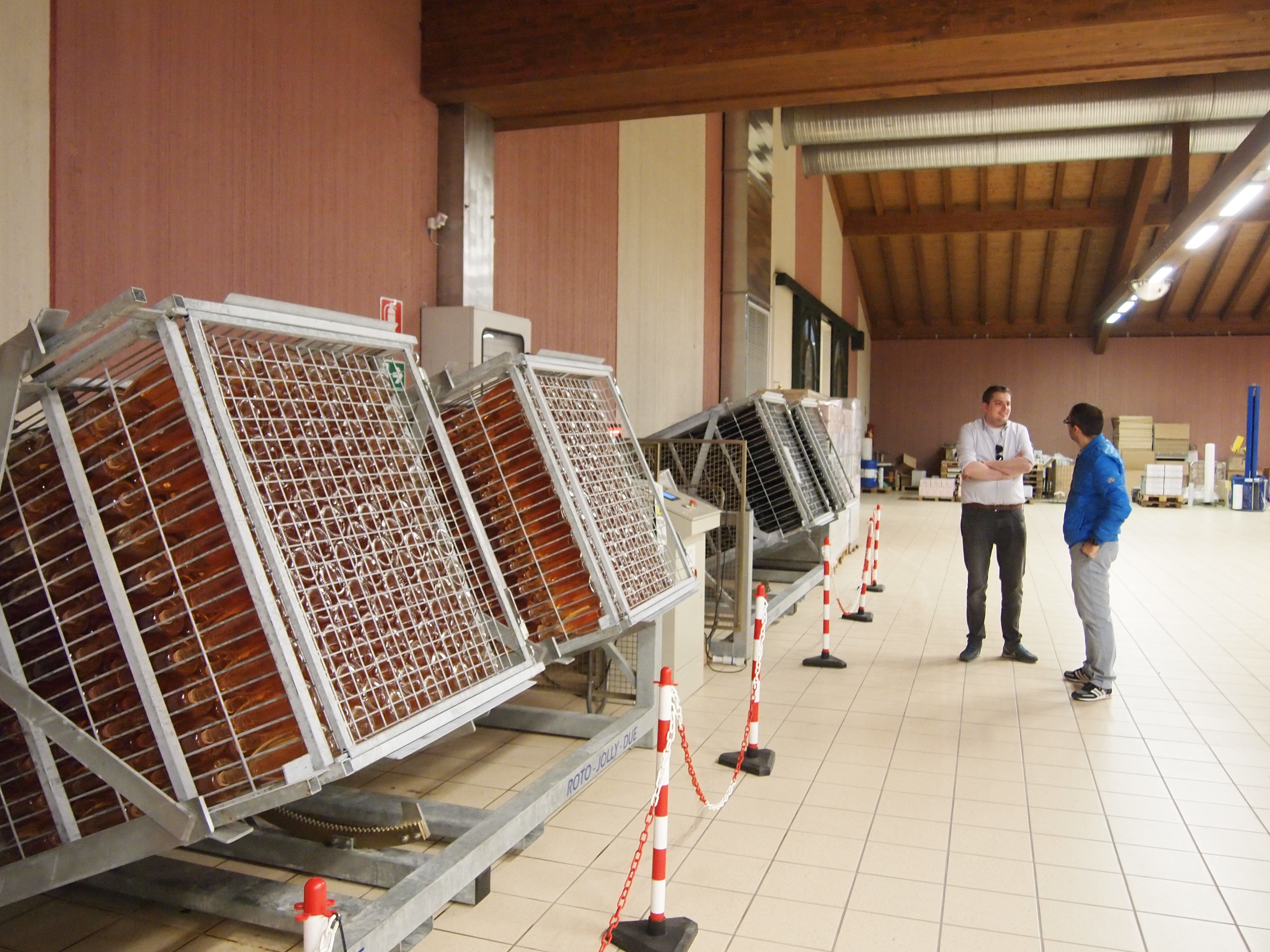
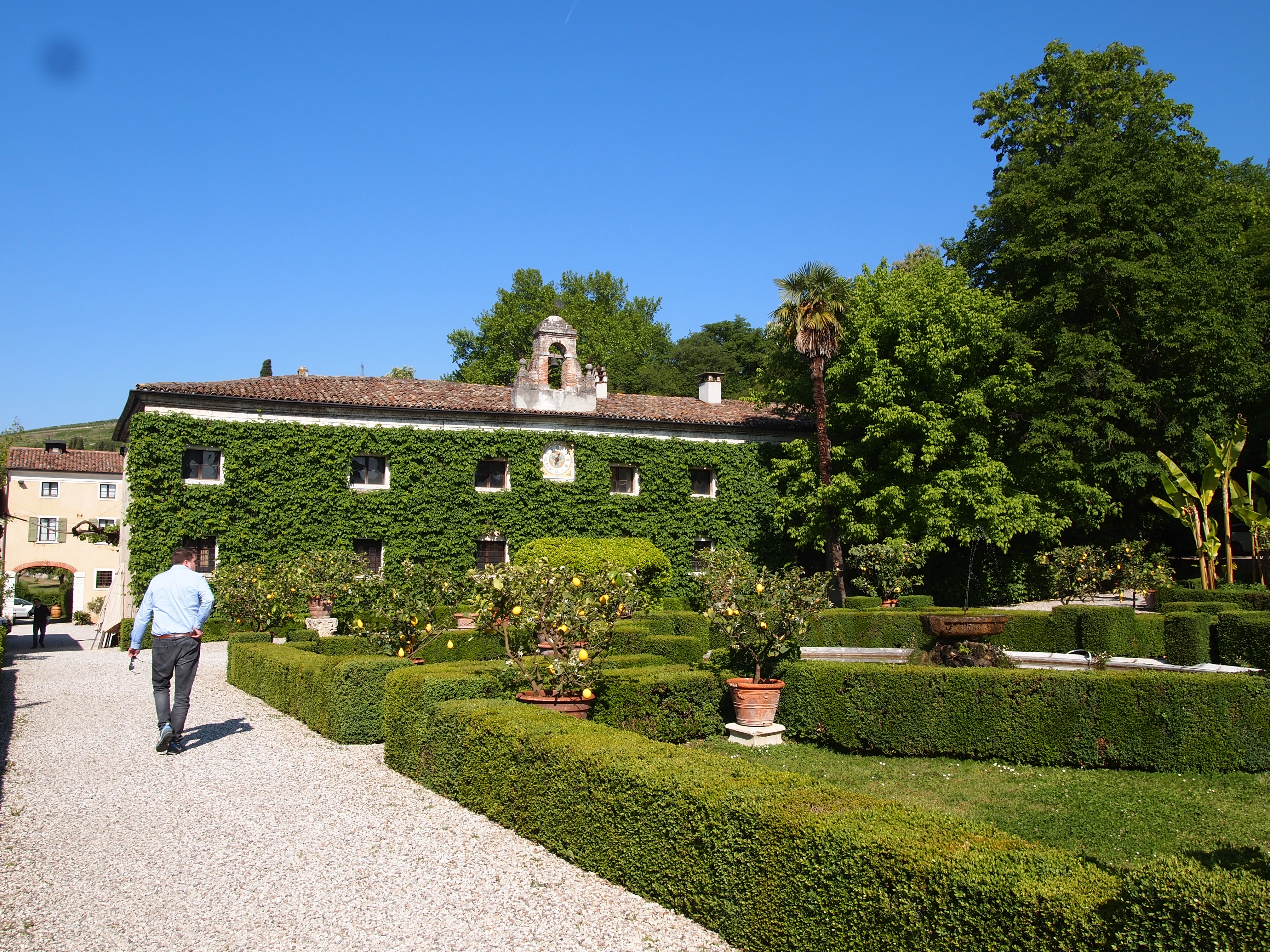
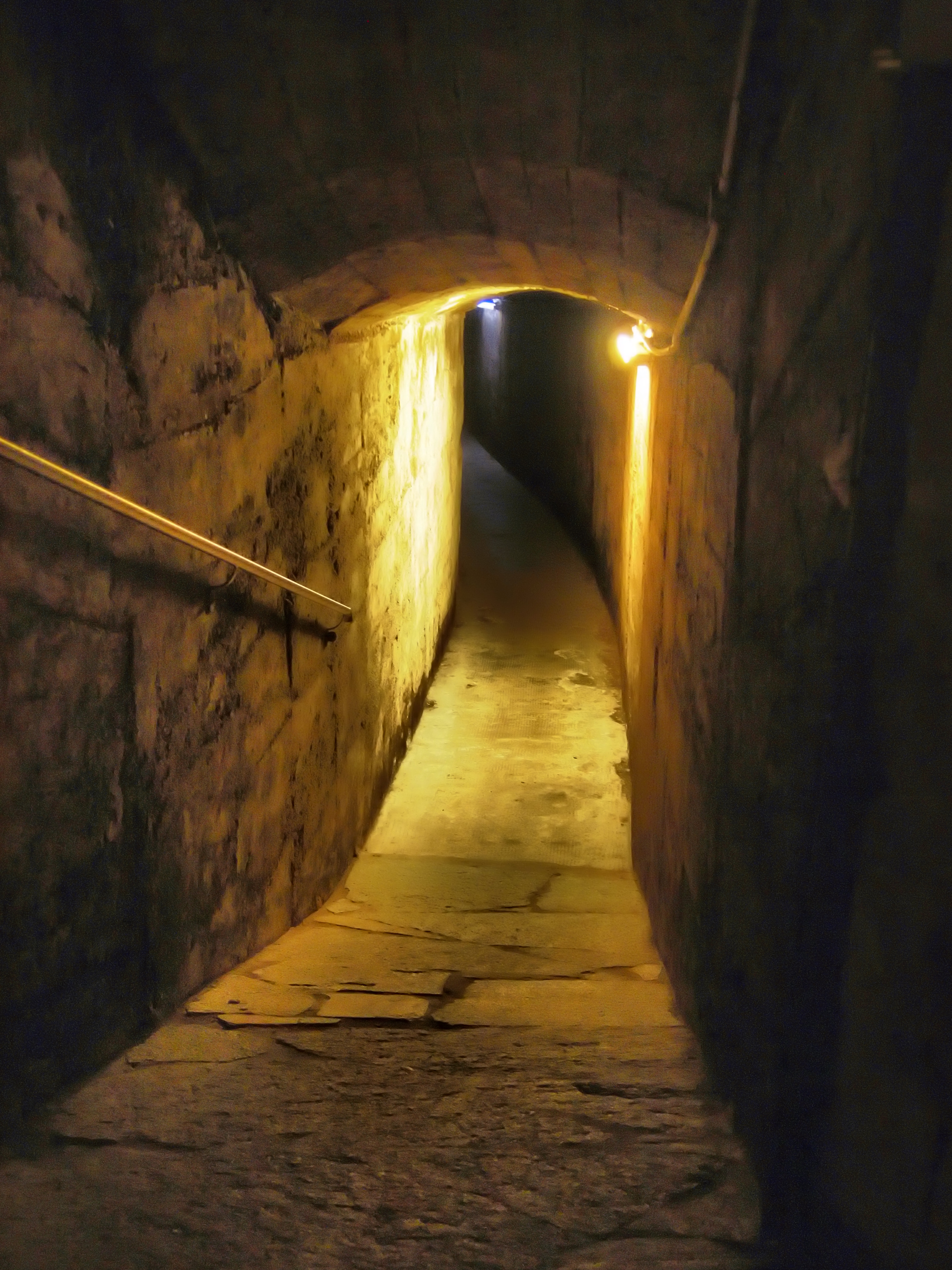
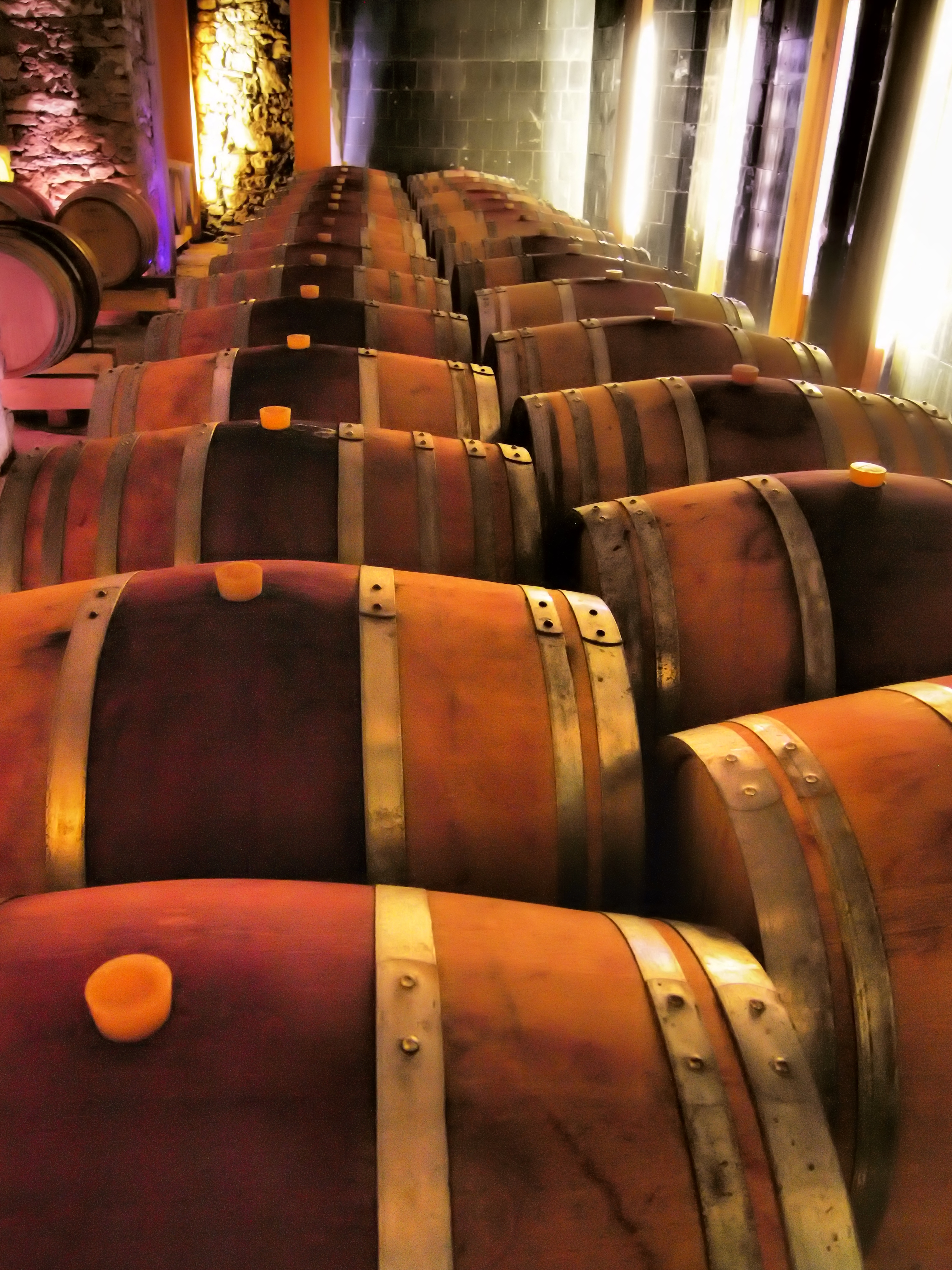
Ca dei Frati estate 1 Ca dei Frati estate 2 Ca dei Frati estate 4

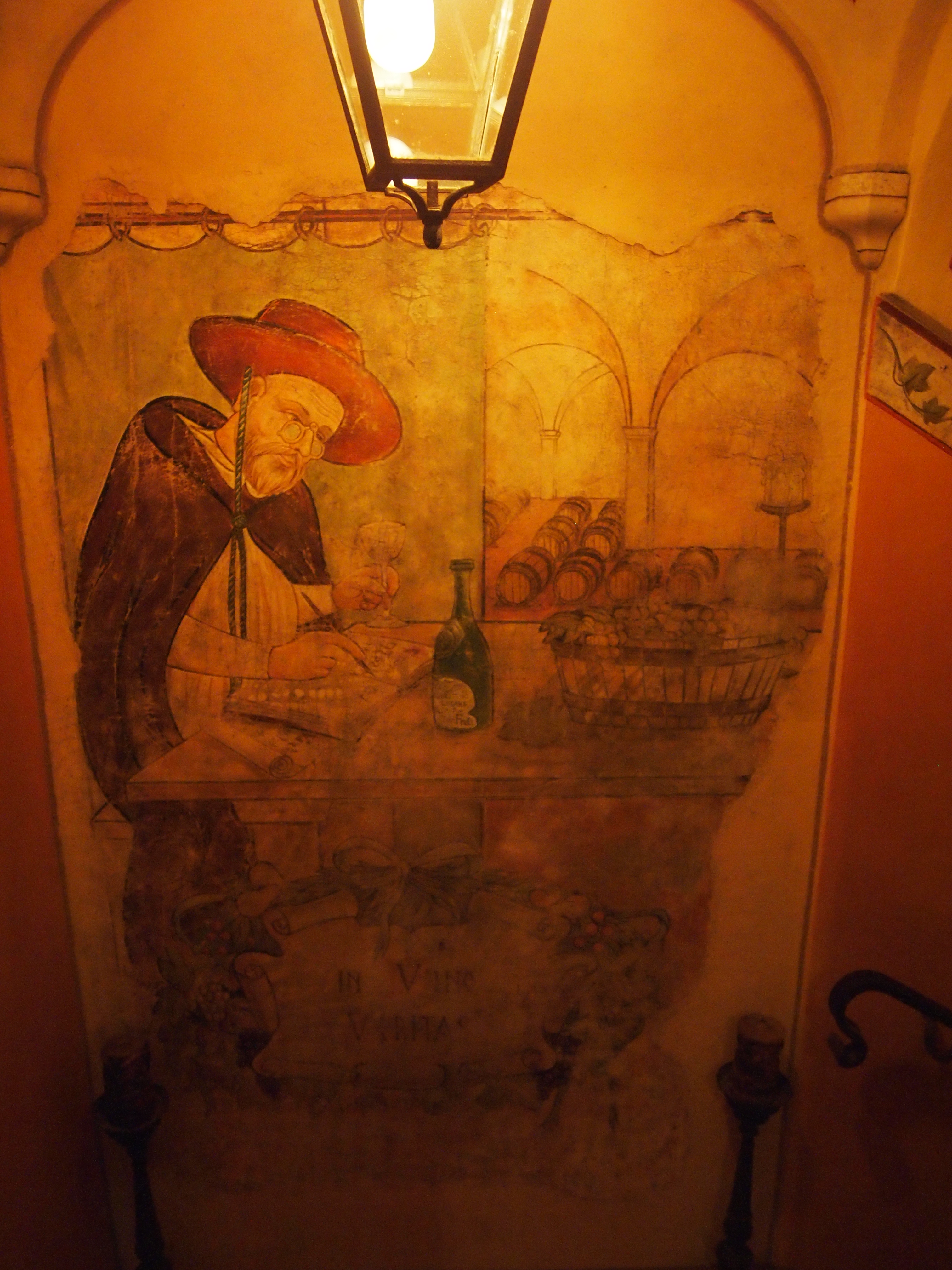
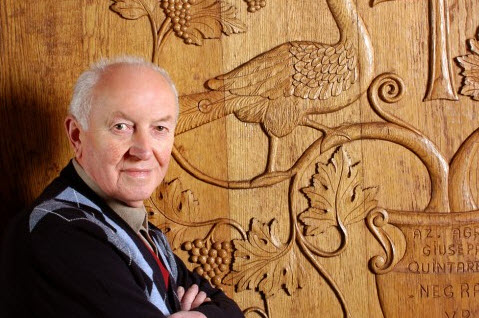
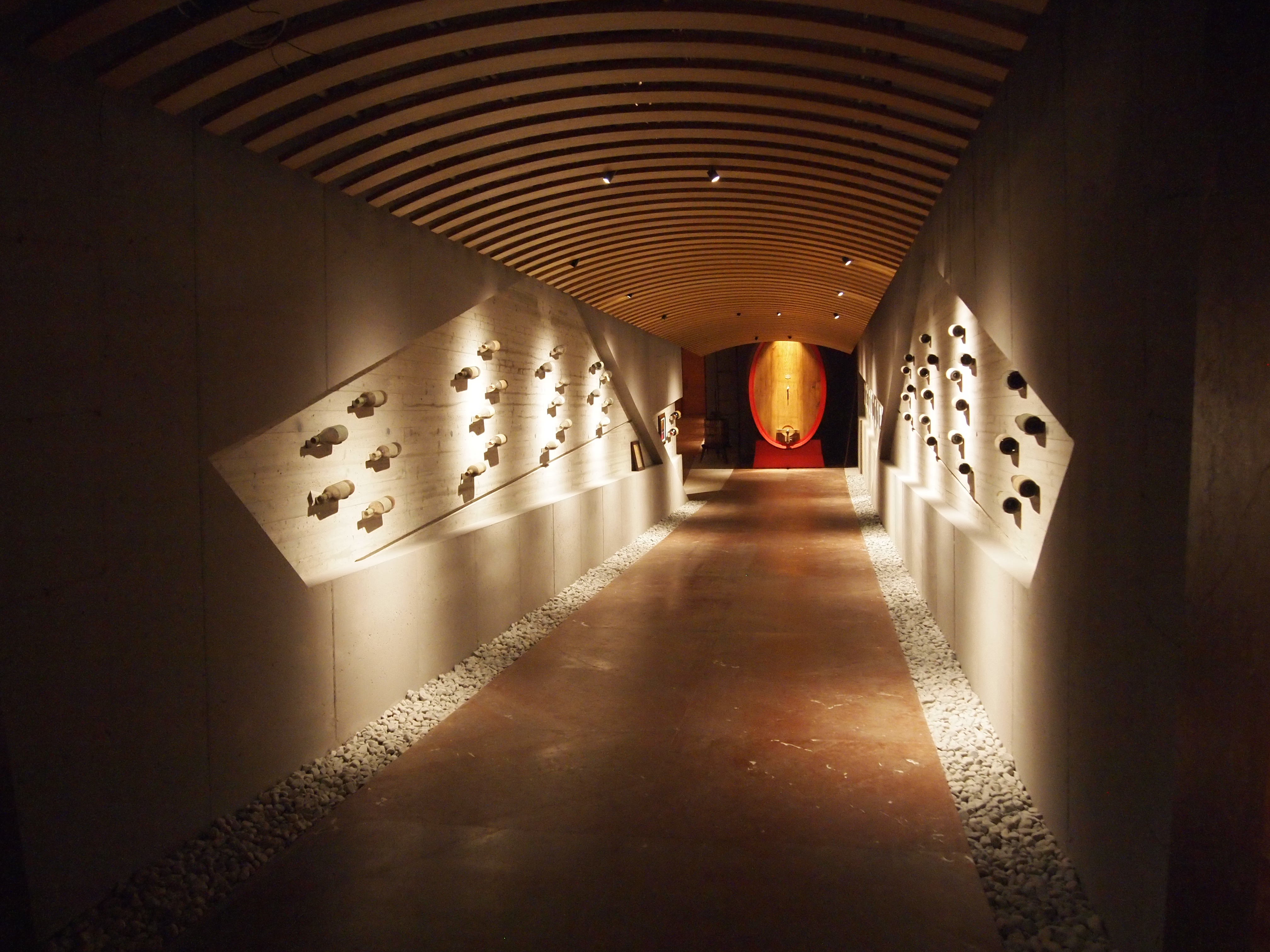
I’m wondering off here… back to Ca’ dei Frati. You might have guessed the winery has something to do with ‘Friars’? You have guessed correctly as the winery used to be ‘Casa dei Frati’ or Home of the Friars in English. In documents from the 18th century the Del Cere Family (who owns the property since 1939) has found there is told that the home that is now the Ca’ dei Frati vineyard already had a wine cellar back then and that it was owned by Friars. It was only in 1939 that the wine estate was founded by Felice Dal Cero, the current owner’s grandfather who left the company to his son Pietro around 1969.  It was Pietro who actually made the Ca’ dei Frati estate world famous and expanded from 12ha to over 100ha 🙂 So you could definitely speak about an expansion and growth.  Since 2012 after Pietro’s passing away it are his 2 sons and daughter (and their families)that carry on the family tradition and legacy. The estate also keeps growing and modernizing…

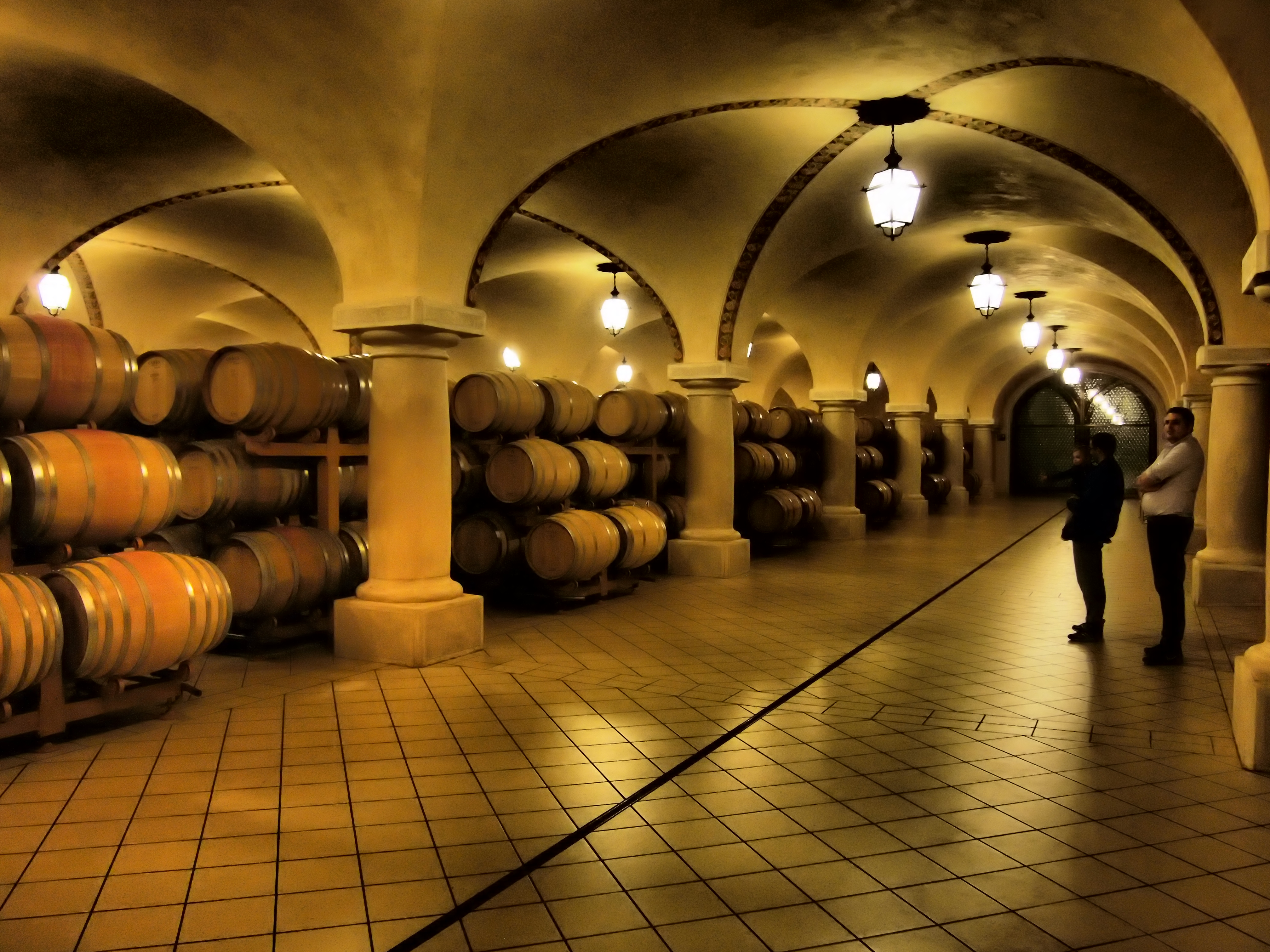
Ca dei Frati estate 9 Ca dei Frati estate 8

Ca dei Frati estate 7

Ca dei Frati estate 6 Ca dei Frati estate 5 Ca dei Frati estate 3

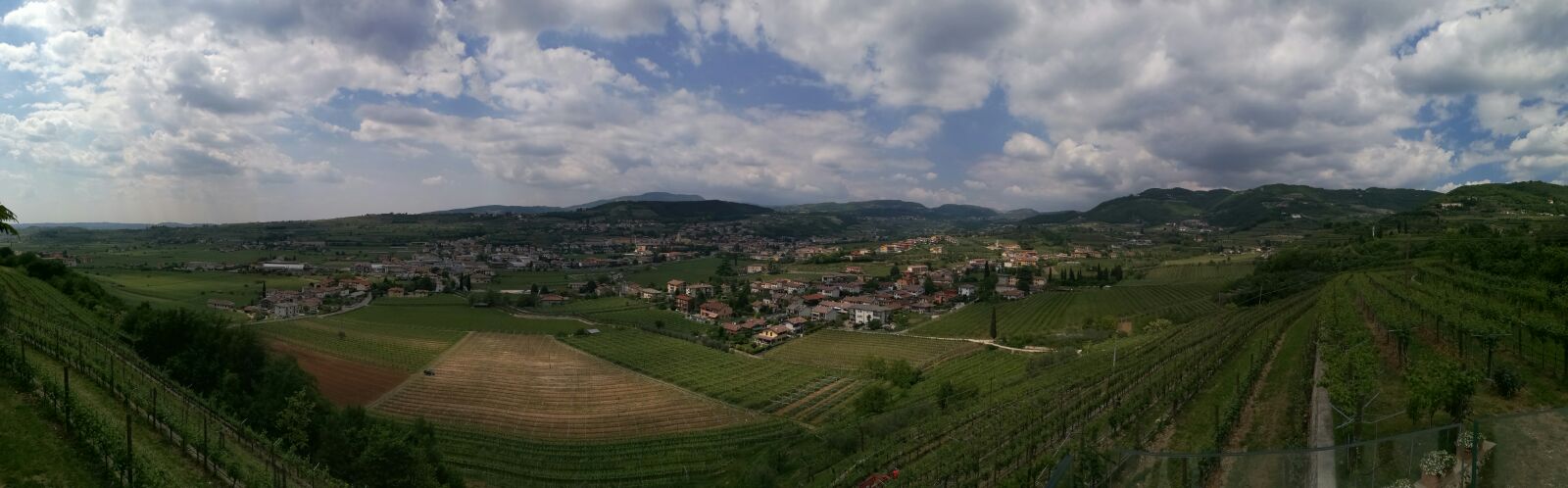
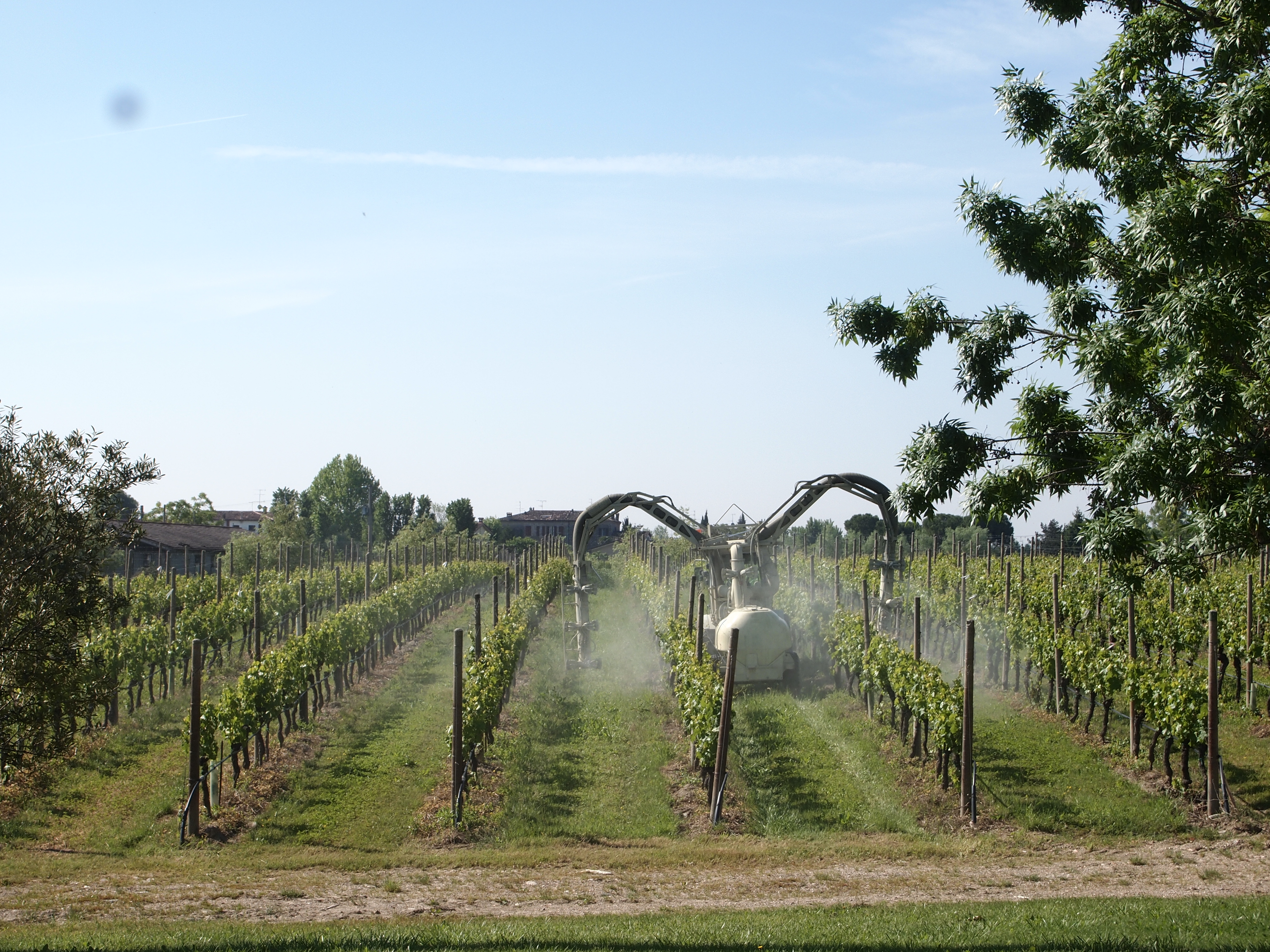
Unlike lots of people might think, the vineyard is located in the Italian region Lomardy and not Veneto… but I admit it’s a close call is they are really at the border of both regions.  The vineyards themselves are among the best in the region (as the estate was on the first in the area), on limestone silt soils at the southern part of the Garda lake rich in mineral salts which help the fruit to reach high levels of ripeness. It really gives beautiful wines as a result.

90% of the wine production at Ca’ dei frati is white wines with exception of 2 red wines and 2 rosé wines. The story behind 1 of the 2 reds is special because it is a tribute to Pietro! Not just any wine, an Amarone. Yes, An Amarone! The Amarone gets cultivated (as it is dictated by the DOCG and with the allowed grapes:  Corvina, Corvinone, rondinella and Croatina) in the Valpolicella area. In reality it was Pietro’s project to go back to his ‘radici’ (roots –  as het originates from the Valpolicella region where his grandfather was a winemaker), unfortunately didn’t make it to see his ‘baby’ grow and meet the world. This is why the family decided to finish this wine and make it as a tribute. A success I might add (beautiful product)! The Pietro Dal Cero Amarone had quit the rest before it was sold (2008 it the first edition of this wine that is currently sold) 24months in a barrel, 12months in stainless steel  and 24months in its bottle. Patience is again the keyword here…

Amarone Pietre del cero

For the white wines their most well-known wine is without any doubt the Lugana.  Lugana is made with the Turbiano grape (aka Trebbiano di Lugana) which is  the essential ingredient for white wines in the region.  According to regulations a Lugana can only be names Lugana when it at least holts 90% of the Turbiano grape. They are characterized by their freshness , fruit concentration, underlying floral and spice notes, and delicate acidity.  Or basically a pleasure for the nose and taste buds.  Ca’ dei Frati has 2 different Lugana wines: Frati and Brolettino. FYI The Brolettino was in 2014 in the list of 50 best wines from Decanter. The only difference between the 2 is that one (Frati) was only in stainless steel and the other (Brolettino) stayed 10months in barriques and 3 more months on bottle.  I wouldn’t really see one is better, as they both have different characteristics, both very rich wines.  On the nose there were intense aromas of lime, white flowers, almonds and green apple… at taste there are the nice minerals and the green apples 🙂 FYI, it was actually the Frati I had that night at Pazzo and also the first bottle I opened when I came home from this trip 🙂 .
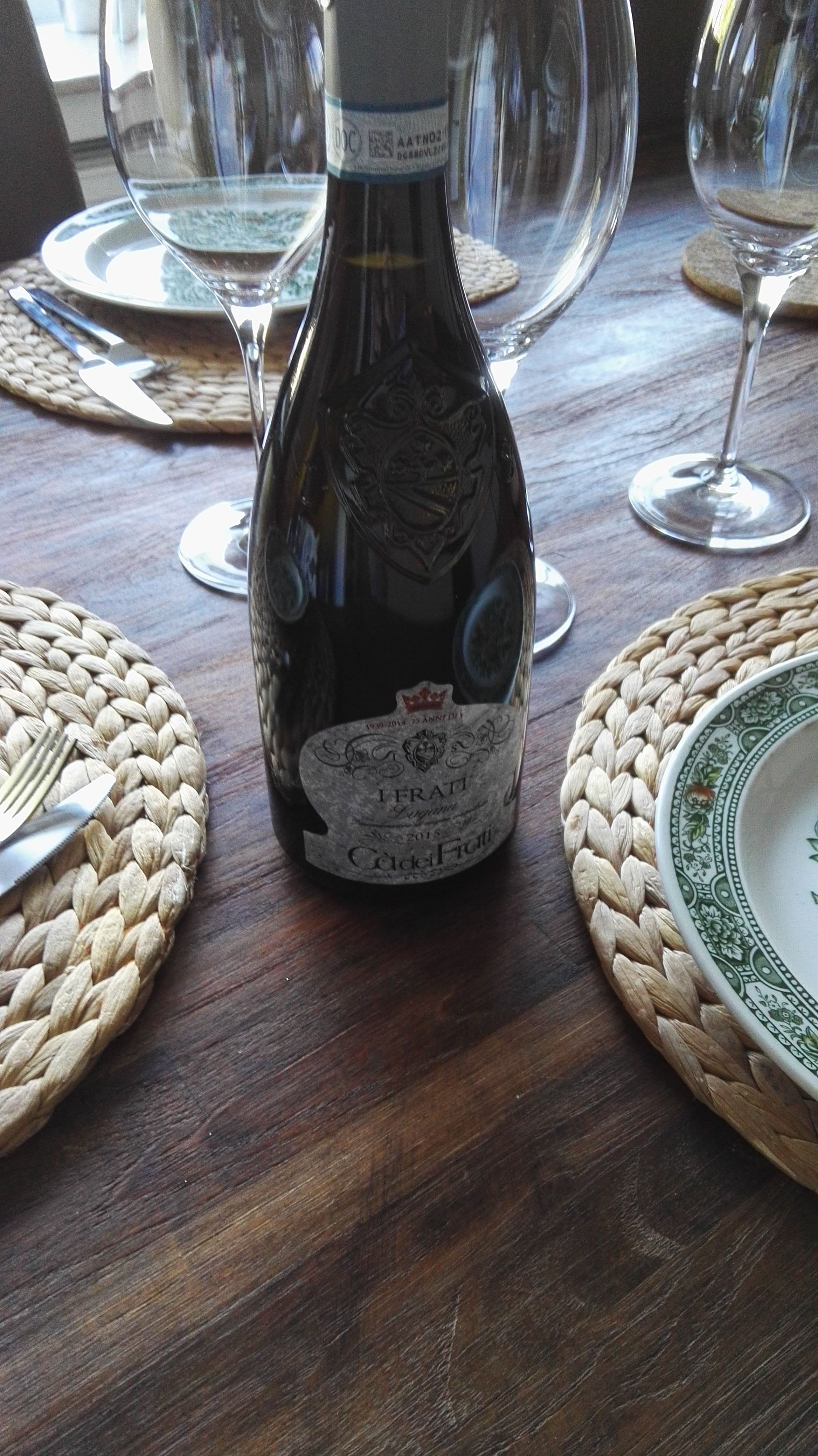
Frati

When looking at the grapes used in their other wines,  both the still as the sparkling, I noticed Ca’ dei Frati also uses Sangiovese and Barbera grapes in their wines… this is the second time on this trip I learn that in Veneto and Lombardy these grapes  are used to blend.  They obviously do enrich the wines. The Sangiovese is used for the other red wine from the Ca’ dei Frati estate  (Ronchedone), but more surprisingly also for the Rosé wines (from which 1 is still and the other sparkling). For the Rosa dei Frati and the Cuvée which is the rosé sparkling wine they blend Sangiovese with Barbera, Groppello and Marzemino . The first thing that came to mind when having a taste of this wine “this would be something for my wife” :-)… how dare she tell me I only think of myself during my winetrips :-)Rosa dei Frati has notes of  green apple, wild cherry and white almond. In the mouth it immediately shows authority… it keeps it fresh and delicate thanks to a pleasant acidity that points out the carefree ease of drinking 🙂  but at the same time robust and capable of being elected the versatile star of the table!! Need I say more? Basically a bottle that can become everybody’s friend 😉 (the same goes for the Cuvée by the way that adds a bubble 🙂 🙂 (I know to much smiley’s, but that’s the way it is)

Rosé ca dei Frati

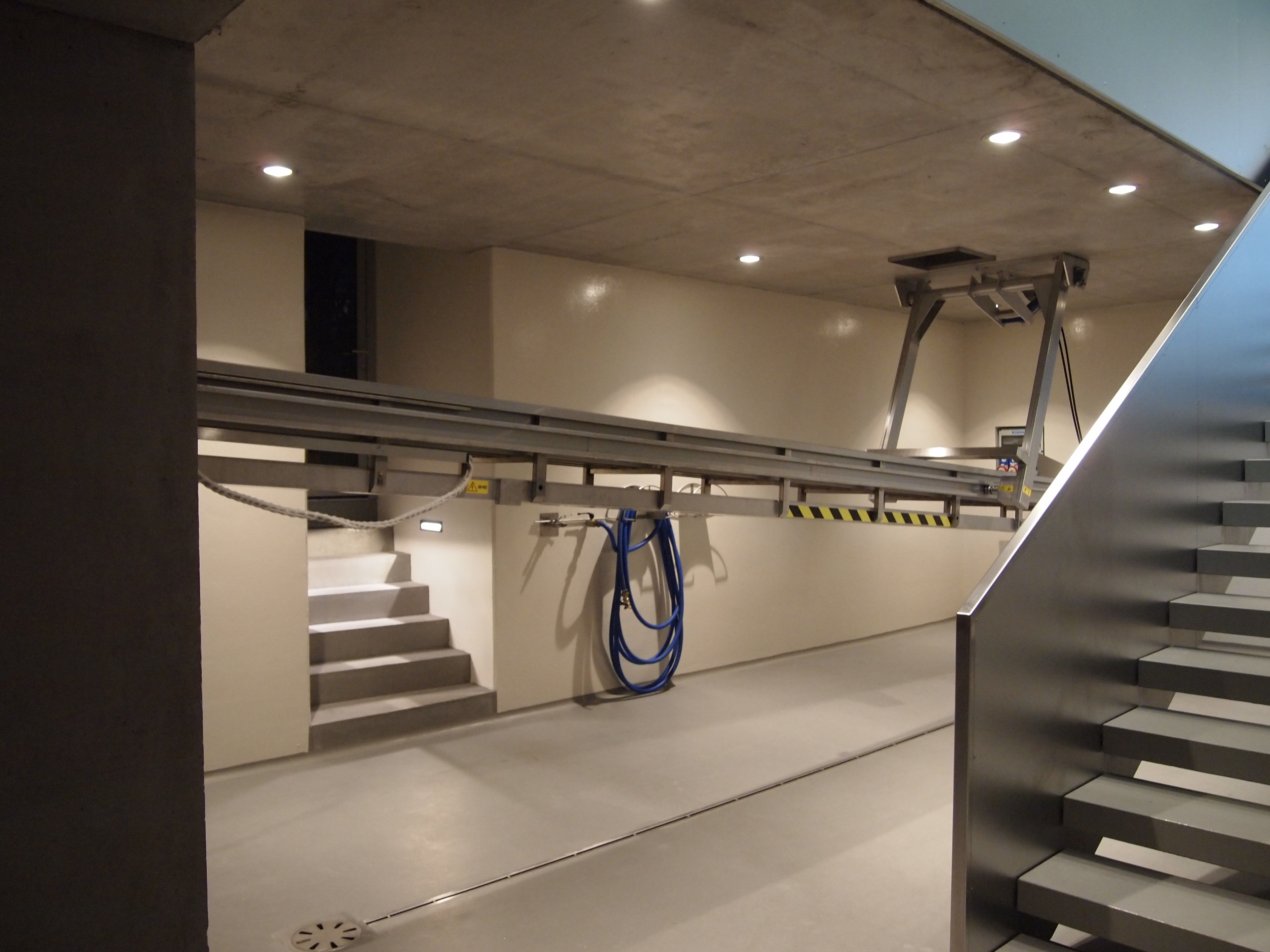
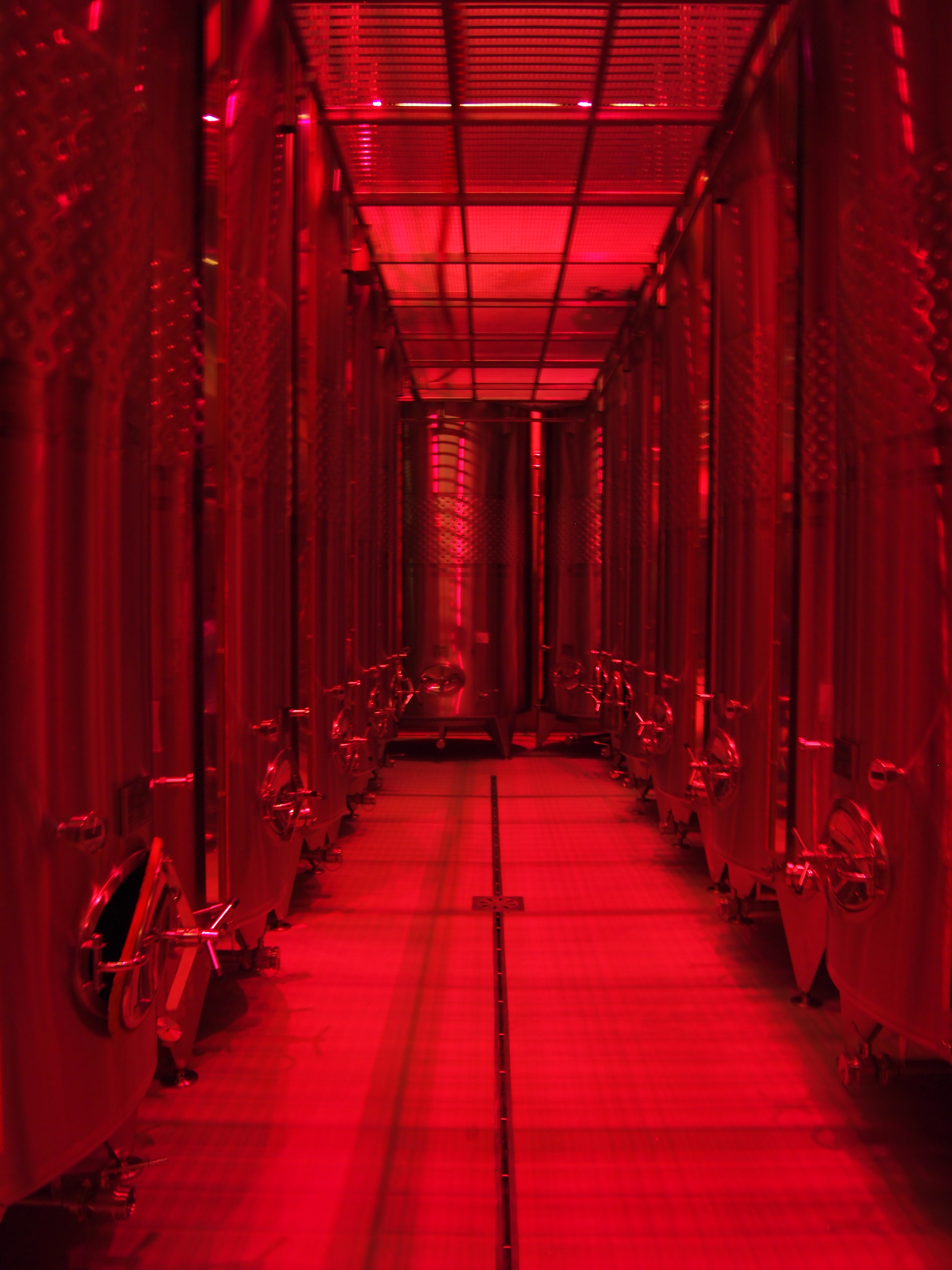
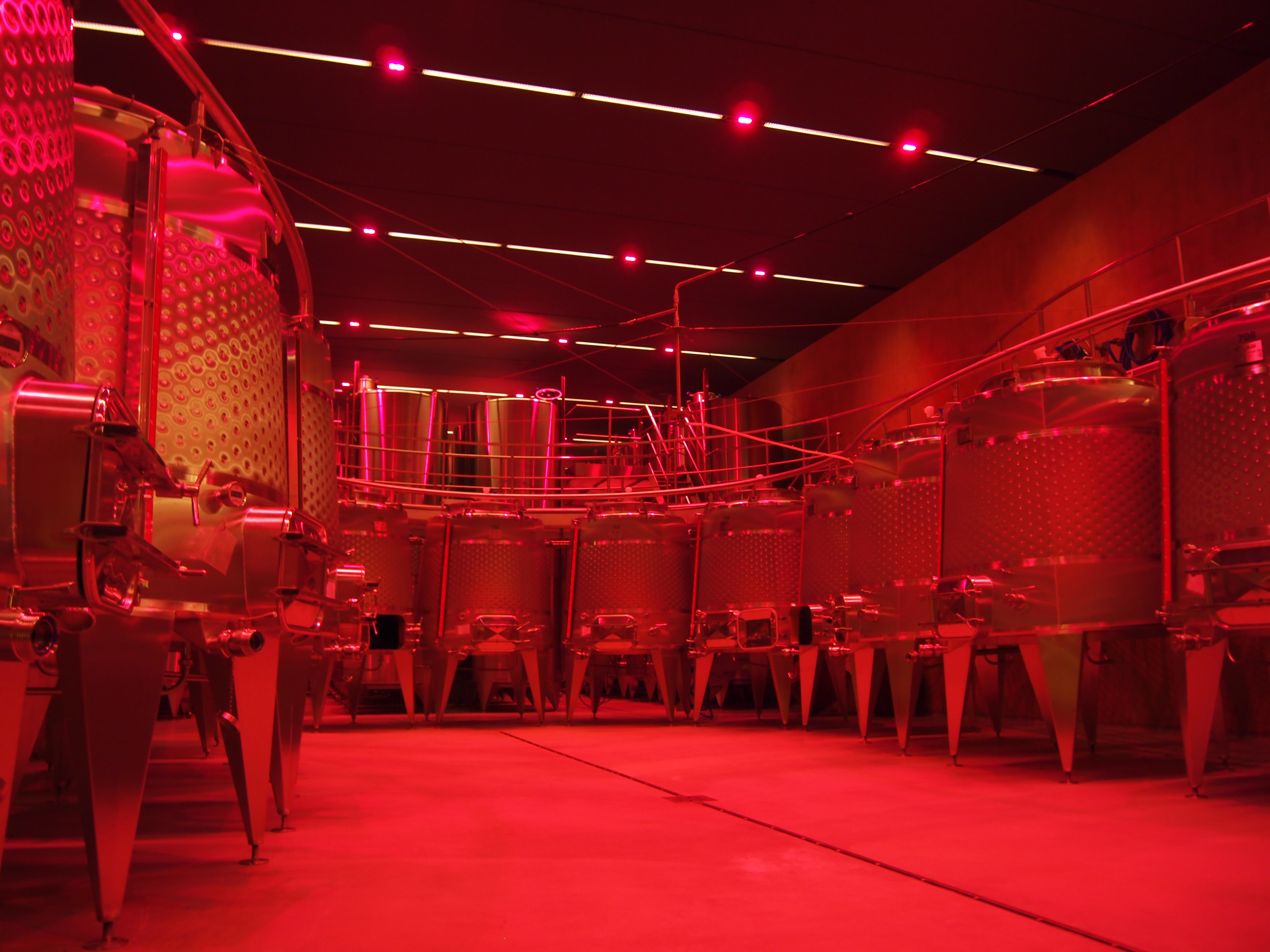
Again a very unforgettable experience where we learned a lot and can’t wait to visit the vineyards again when their renovations are finished as they were already very impressive now that they were not finished yet.

Up to the last vineyard of our trip 😦 Up to our friends of Sandro de Bruno

For more information or to purchase Ca’dei Frati wines in Belgium please contact Non solo vino. For other countries please check with the wine estate itself.


Limburg hospitality at its best

Ever since the birth of my baby girl my life has changed in so many ways. I prefer spending time with her above any other thing in this world!! As a result one of the changes that had to be made is going less out for dinner then before 🙂 I know it sometimes seems like I still go out very often, but in reality it is a lot less than before. If I had problems choosing before where to go, I can say it didn’t become easier now I go out less… Do I try something new or go to a place I’ve already been lots of times?A luxury problem, but still a problem ;-). For my birthday last week it was faith that brought back to a restaurant Mondevino I had been craving for to go back for 2 years (mainly because it’s quit distant from where I live). Why faith? To make a long story short, I won a voucher for a 5 course meal for 2 people 🙂 I never win something (definitely because I have too much love in my life), so it just had to be faith telling me something. My birthday also seemed like the perfect opportunity to use the voucher. Mondevino stands for the well-known Limburg hospitality, comfort, great food, great wines and for an evening never to forget (or afternoon if you go for lunch 😉 ) . I had also taken my precautions and found a little hotel close by… better safe than sorry!!

mondevino logo

On a very sunny day like it had been that day, one just wants to sit outside! So we did… but only for the apero as in Belgium the sun has to shine quite a bit before you can really stay out all night. We started our night with (how else) local Belgian bubbles (Trilogie) from the Optimbulles winery accompanied by perfectly (thin) sliced dried ham and some olives and shrimp/curry based appetizer. All that followed was the perfect recipe for a wonderful evening great food paired with the perfect matching wines… As Kris (the owner) and his wife Agna know I’m a wine lover they took our pairing to another level (or my pairing as my wife didn’t want to drink/taste as much as me)….

Optimbulles

Shrimp_curry

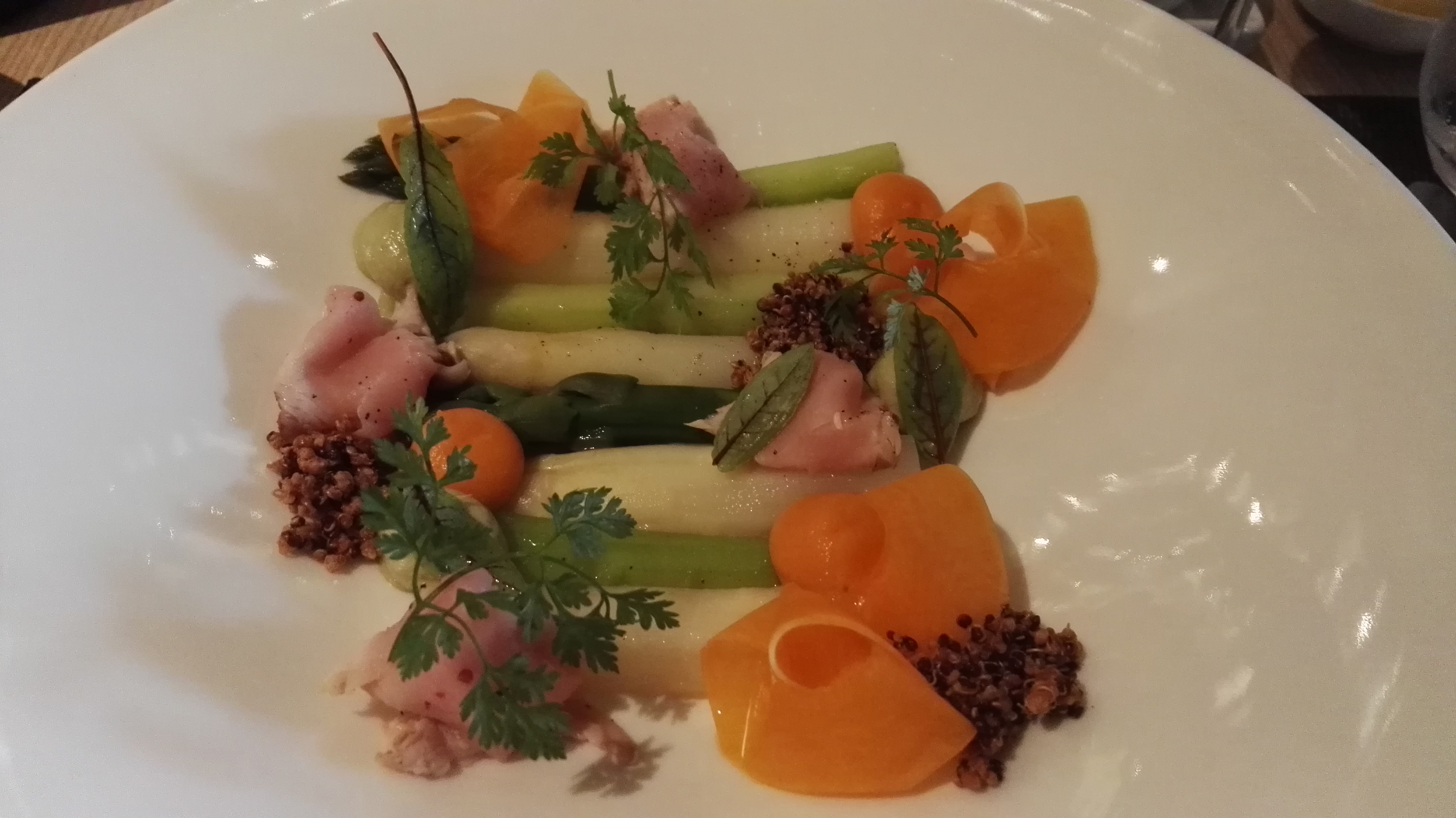
The First dish from our menu was a revisited version of ‘vitello tonnato’. Tuna sauce combined veal, asparagus and roasted butternut. For the wine we started just outside of the traditional Burgundy (Côteaux Bourguign)  region with a 2015 Sacy wine 🙂 (Sacy as in the grapes, not the word sassy 🙂 ) made at the Domaine Gueguen. The Sacy grape is a grape ripens early, and produces light-colored wines low in acid and alcohol. A grape that had almost disappeared… if you found it was mostly in a blend from Crémant de Bourgogne. In the nose it does remind a bit of Sauvignon… but in the mouth it is fresher and les “full” or aromatic, but a very nice match with the delicate flavors of the dish.

Revisited tonnato

Sacy wine

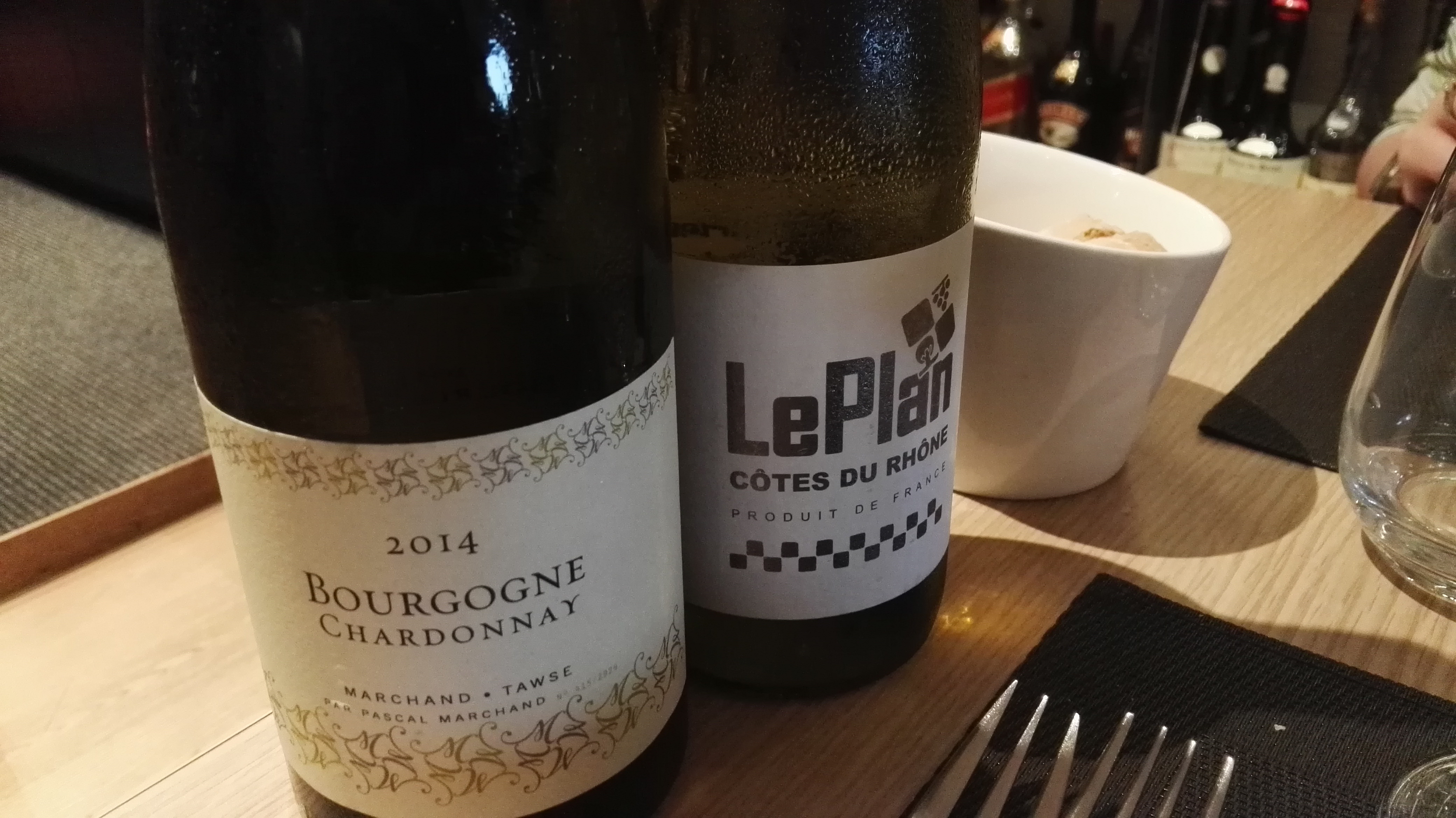
Catfish  with white cabbage, cockles and fresh herbs…for this dish Kris had foreseen some “spielerei”: 2 glasses of wine and for me to find out which wines it were… n°1 didn’t tell me anything as it was pretty closed at the first sniff. N°2 was familiar, but as always from where do I remember it?? My first tip was that they were both from the same country, but from a different part of that country 🙂 🙂 After a while Kris finally pulled me out of my misery and revealed the wines… Both French, the first one a 2014 Grenach made by the Le Plan estate from the Côtes du Rhône regoin and the second a 2014 Chardonnay by Pascal Marchand from Burgundy.
Wines 2nd dish Catfish

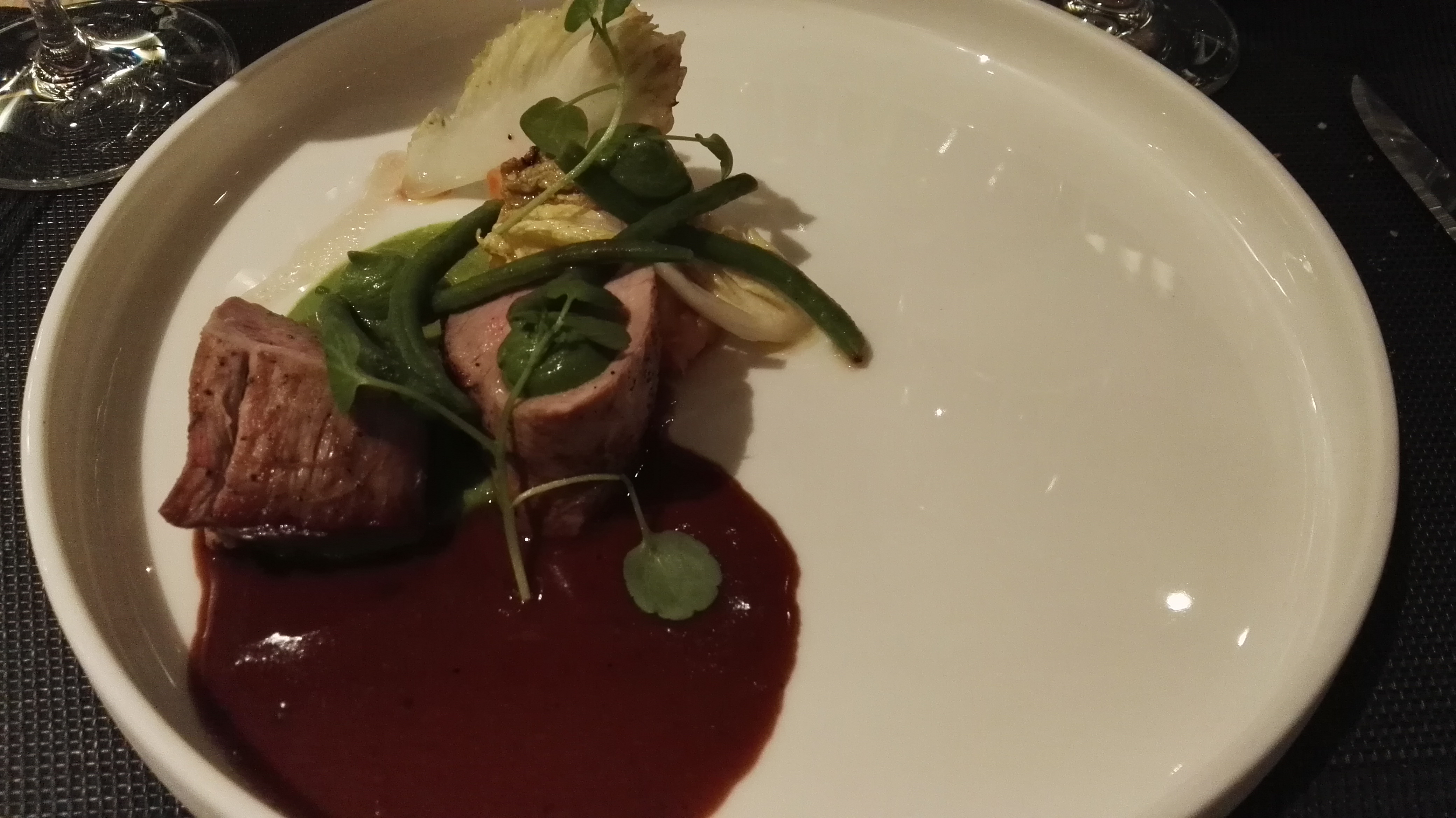
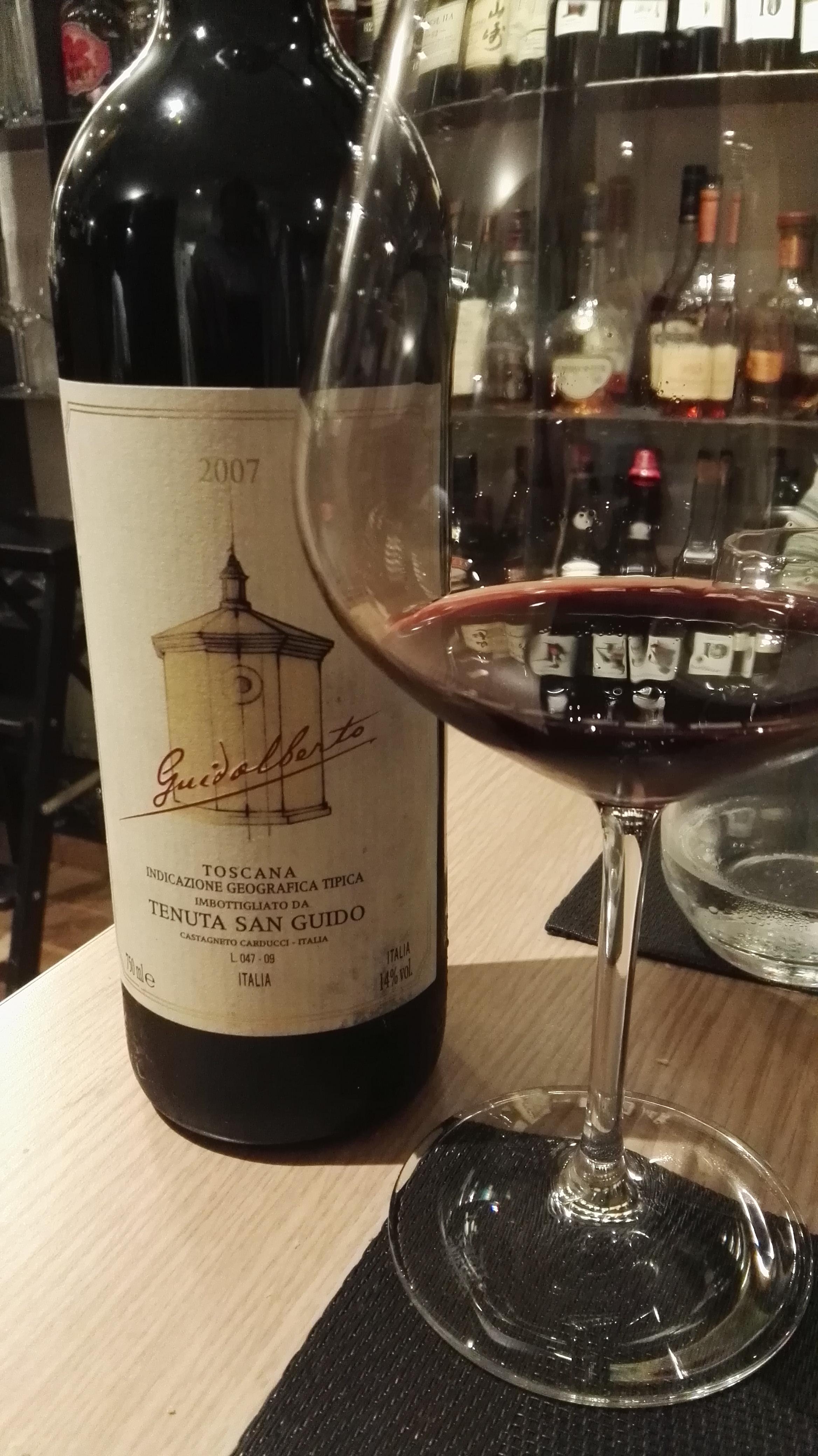
Next the Duroc porc belly with brioche, mushrooms and radicchio…This dish was without doubt given to make me crave for the dish that followed which was a very succulent  piece Solomillo “Duroc” meat perfectly cooked and still waters my mouth just by thinking of it. For these dishes some Italian wines seemed to do the trick 🙂 The first a 2013 Refosco from the Terre di Ger (Friuli Region) and the second wine a 2007 Guidalberto (red Tuscan) from the Tenuta San Guido (better known as the winery that makes Sassicaia – one of the Super Tuscans). Although The Guidalberto was a very gentle , delicate and tannic wine that I usually prefer drinking, I did prefer the Refosco with the Solomillo meat… In general a Refosco is quite powerful and tannic, with a deep violet color and a slight bitterness and mostly gets blended with a merlot to soften it. But in this case the 100% Refosco is actually fruitier/juicier and a nice marriage with the dish.
Pork belly Refosco Solomilo San Guido

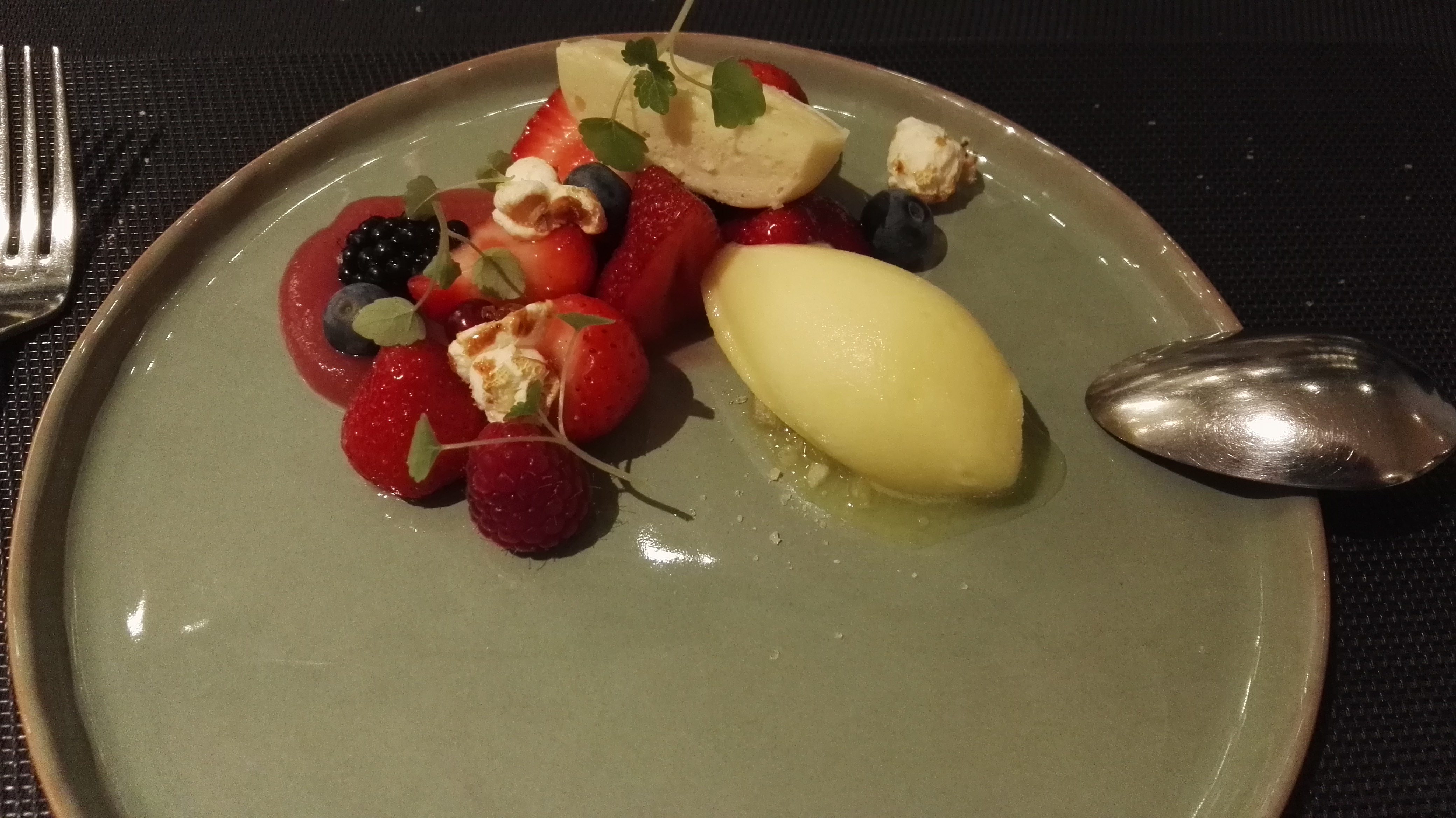
Strawberries with lime, vanilla and ‘Napoleon’ ice sorbet. Napoleon is a in 1912 invented Antwerp piece of candy with a lemon taste, it is hard at the outside and a soft very very lemony and inside (historic Belgian piece of candy). From this piece of candy the Mondevino made a sorbet 🙂   combined with the sweetness of the vanilla and strawberries it was a very refreshing dessert! Kris paired with a legendary HungarianTokaji dessert wine made by the The Royal Tokaji Wine Company. The official name of the wine is Hàrslevelü Late Harvest pajzos Tokaij … not to sweet, just right 🙂 with a rich aroma with hints of peach and ripe apple and a juicy finish.

Dessert

For me a dish is perfect when it has deep flavors that blow you away. Flavors that only can get obtained when a chef cooks with love and patience. A perfect example would be a Belgian stew that has cooked long and slow and rested overnight is a whole different story than one quickly made and immediately served… Only the first one will have to first one will have the flavors it is supposed to have!! To come back to the Mondevino dishes, they all had these deep flavors… which basically shows that the chef knows what he’s doing and he’s doing it with passion that he wants share with as many people possible(passionate people are always best)… resulting in me also eating it with lots passion as every bite invites for a second bite…

Very satisfied we turned to our hotel for a good night of sleep (without having to wake-up early as our baby girl was at my mom’s 🙂 ).

Anga & Kris pic by vtm koken

Thanks again Kris and Agna for making my birthday dinner so wonderful and see you soon! I am also sooo in love with your Berkel meatslicer 🙂

13313410_10153574856121766_1407755409_o

Italian road trip 2016: the aim for perfection

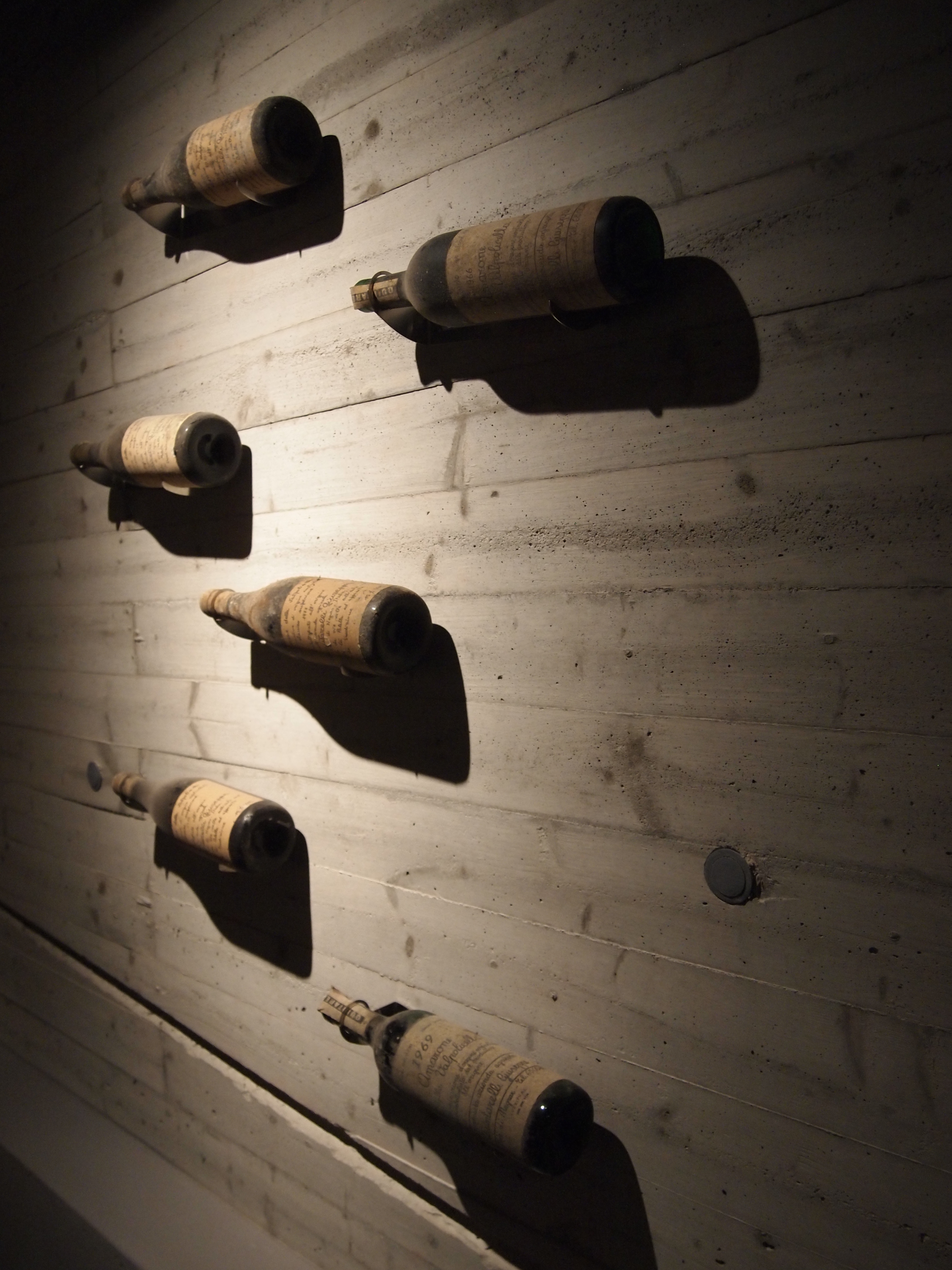
Our next stop apparently was a very special one as every sommelier, winemaker or person involved with wine I told we were visiting the vineyard of Guiseppe Quintarelli was surprised (maybe even a bit jealous) they wanted to receive us… I’ve been told that they rarely open their doors for visits. So I can say for a fact that we felt honored!! Guiseppe Quintarellli stands for a style, a tradition, a way of doing things… but also for time, effort, patience, and care that go into the making wine. Although I think most people who didn’t have had the pleasure of drinking the wine will for sure recognize the handwritten labels of the wine that were all handwritten by a family friend who was cook from a local restaurant 🙂

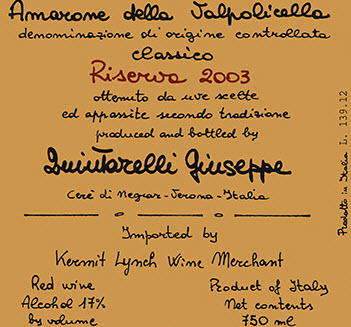
Label Guiseppe quintarelli

Unfortuantely Guiseppe passed away a few years ago at age of 84, but his legacy will live forever. Today it are 2 of his 3 daughters together with his grand children that continue leading the family vineyard that Guiseppe himself took over from his father in 1924. The word ‘perfection’ or ‘perfectionist’ is used a lot to describe Guiseppe who’s drive for perfection was from an unknown level. From the corks, to the bottles, to the grape selection, etc… everything had to be perfect (even if this meant inspecting every bunch of grapes separately). This perfection is also the explanation why most of the wines they produce are not produced/available or exists every year. If for example the grapes that were normally foreseen to make an Amarone were not good enough, they don’t want to put the label Amarone on it but rather call it Rosso del Bepi…for many a fantastic wine, but for Guiseppe not worthy the name Amarone:-) INDEED, this level of perfection :-). Other estates would just call it Amarone… FYI, all grapes are handpicked!!!

Guiseppe

The perfection and strict selection also leads to the estate ‘only’ producing 60 000 bottles a year (all types of wine together). Unfortunately this also has an impact on its price (if it is too expensive or not is another discussion), but drinking a wine from the hand of the Master himself is never a disappointment!! You can’t really compare these wines to any other in the region, with maybe one exception Romano dal Forno (but they have lesser vine locations in comparison to Quintarelli), who was Giuseppe Quintarelli’s protégée. Something remarkable (in comparison to other wineries in the area) is the kinds of grapes used for their wines as next to the traditional Corvina and Rondinella they blend it with Cabernet Sauvignon (used a lot in Bordeaux wines) and hints of Nebbiolo (used for Barolo), Sangiovese (used for Brunelllo & Chianti)  and Croatina… A blend of everybody’s favorites could be a good description 🙂  maybe we could name a new style??  Bordeaux al Amarone or a Super-Tuscan-Barolo Amarone-style…? Super Tuscan as in some way it makes me think of Ornelaia, Tignanello and Sassicaia aka the super Tuscans as they also blend with French grapes. In case of Guiseppe he takes even a step further to also blending with some Italy’s most renowned grapes 🙂

IMG-20160506-WA0005

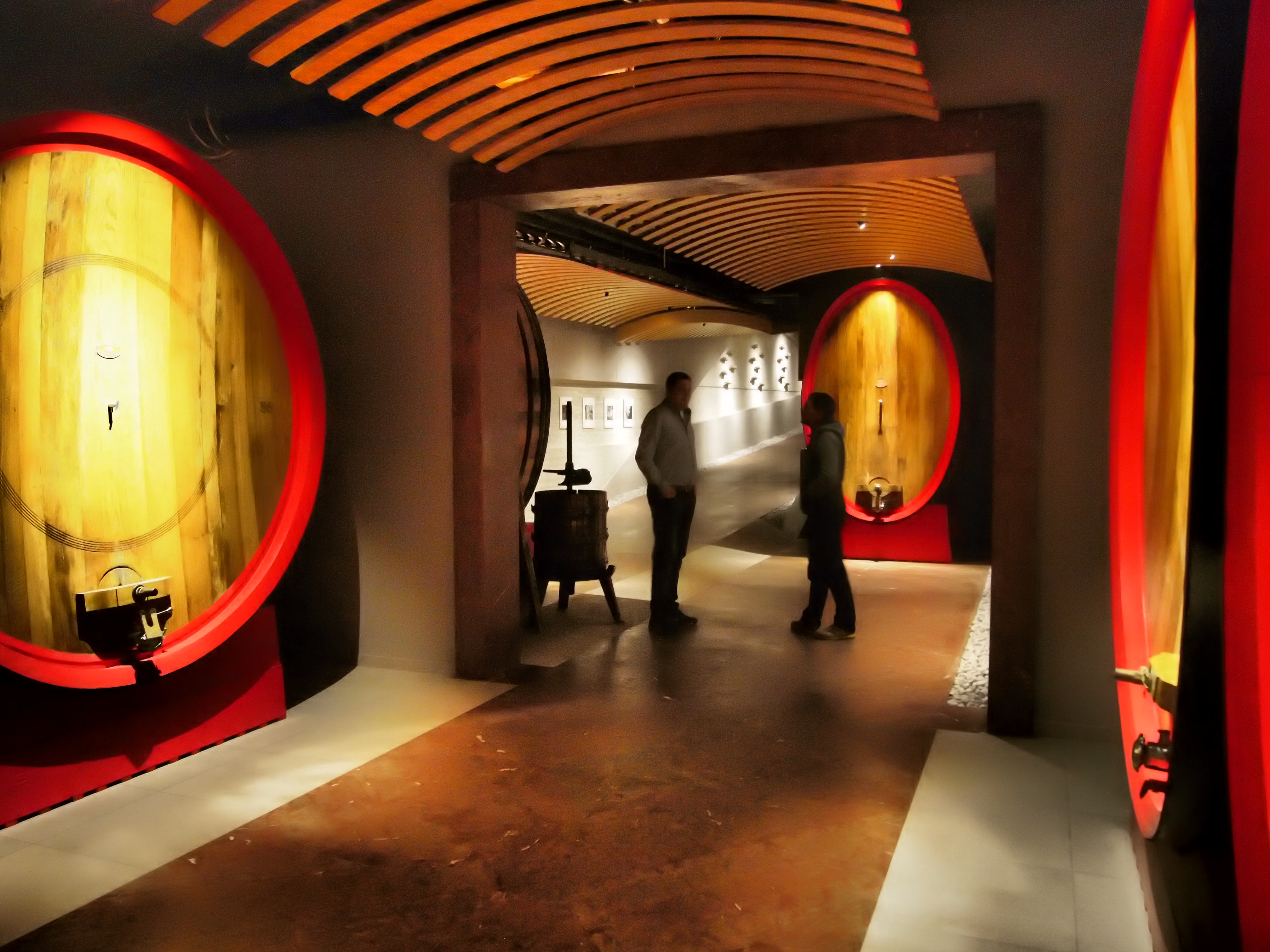
When we arrived at the Quintarelli vineyard it was grandson Francesco who hosted us and showed us around the vineyard. You could clearly tell that a new generation was running the vineyard as they were in the middle of renovations (that were already busy for 2 years if I’m correct). The parts that were already done were a success a good marriage between the old and the new 🙂 . Francesco told me he (and his entire family) were looking forward to the moment they could finally stop living on a construction site.

Quintarelli 1 Quintarelli 2 Quintarelli 3 Quintarelli 5 Quintarelli 6 Quintarelli 7  Quintarelli 9

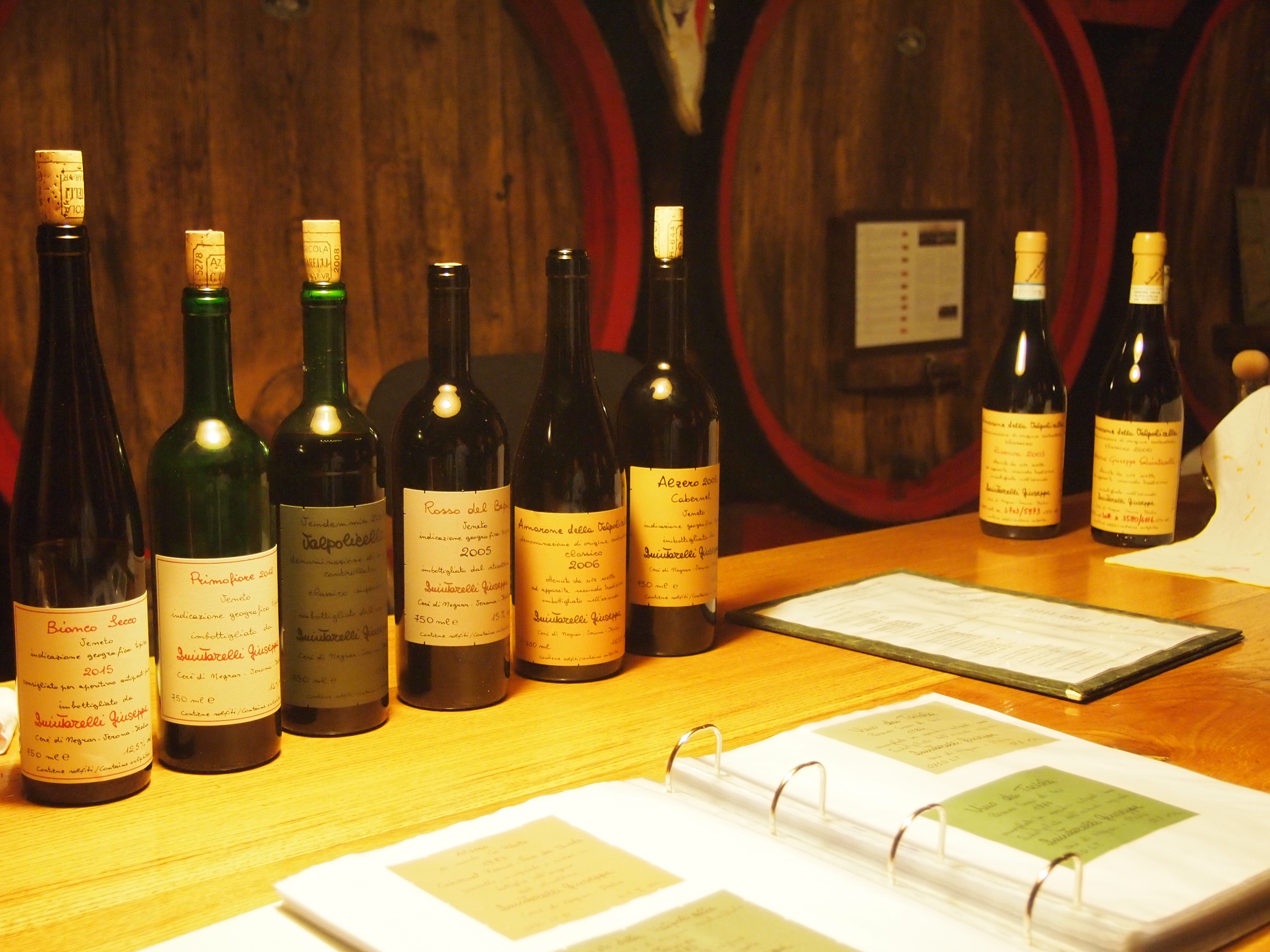
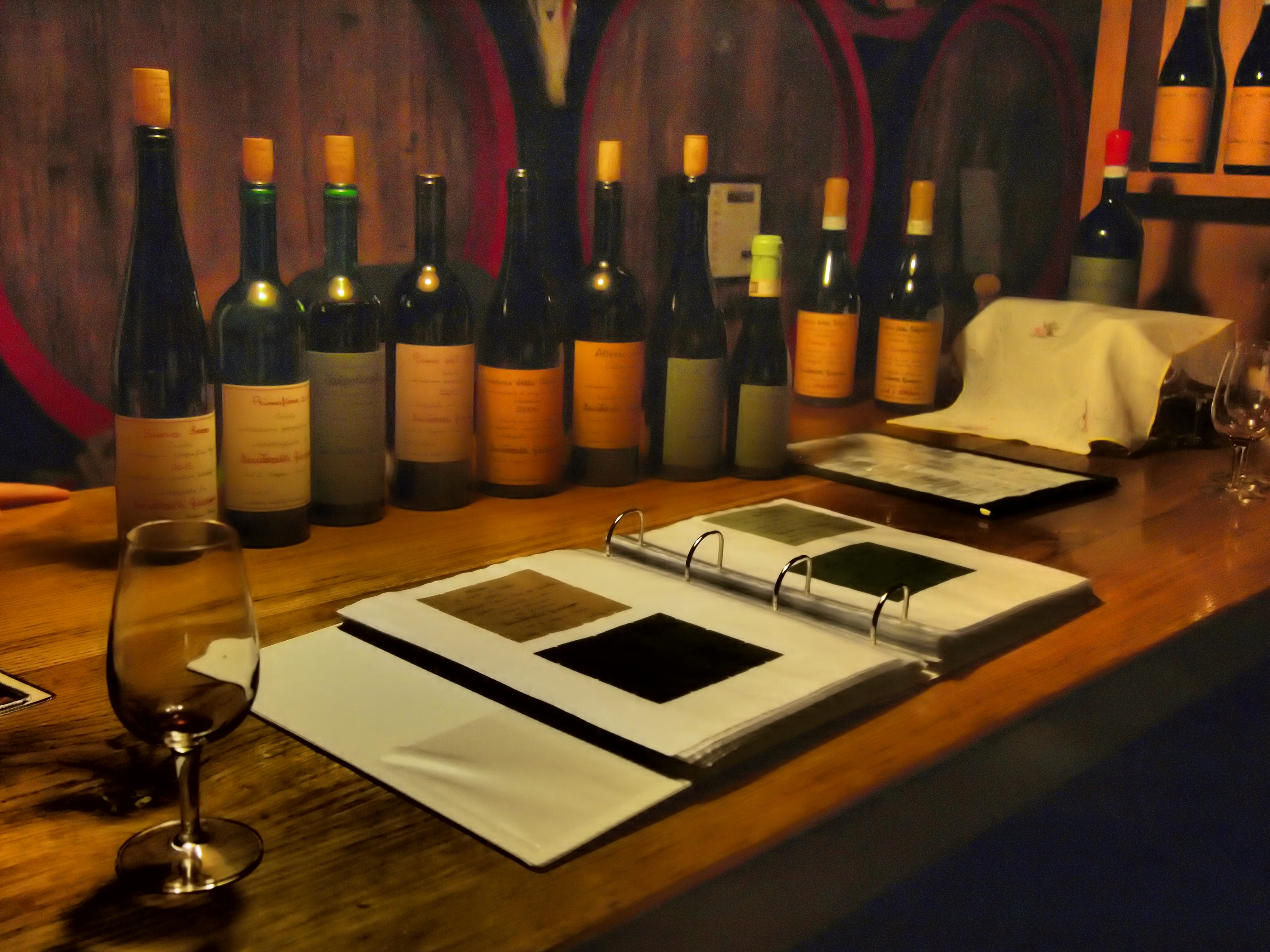
I would be lying if I would say I wasn’t looking forward to the tasting as this is always the best part of a tour right 😉 We started with the Bianco Secco which already put smiles on our faces just by smelling the wine. If I then tell you it only went crescendo you’ll believe me when I say that our smile only became bigger as the tasting continued.

Quintarelli wine tasting

Tasting the wines starting from the Valpolicella up to the Amarone’s brings up a very comforting feeling like ‘sliding’ into an old leather armchair in front a fireplace… it somehow also calms you and its aroma’s wrap themselves around you.  The 2001 Valpolicella we started with its first aroma’s we discovered were black cherry with hints of leather spices and dried flowers. Not as full-bodied as an Amarone… let’s call it medium-bodied :-).  In the mouth we find earthy and mineral tastes… very velvety and beautiful finish. Could it get better we thought? Yes it could 🙂  I won’t be describing all the wines, but the 2003 Amarone does require some extra attention as this was one of the last wines bottled by Guiseppe himself!! It is a wine with lots of different layers and it keeps changing when opening up… we obviously (sadly) we didn’t sit there for hours to drink to finish the whole bottle 🙂 but in the time we were sitting there you know it is a wine that keeps surprising after every sip … Complex though! Ethereal aromas, seductive spices and an unbelievable balance!! Once you have a taste of Quintarelli’s Amarones it will keep you it’s power for always and you’ll never forget that experience. Normally I would be spitting wine when tasting, but this time I didn’t 🙂

Tasting

As the production of all of the Quintarelli wines are so small, on site you are only “allowed” to buy 2 bottles per types of wine. A reason is  basically because the wines are so wanted all over the world that their stock at the winery itself isn’t enormous They  ‘only’ have 60 000 bottles a year to distribute. I don’t think that the importers of their wines have limits.. but then again they also don’t have enormous stocks… Moral of this story… if you ever get the chance to drink one (even better if somebody else offer the bottle 😉 ) do it without hesitation!!

If you might have more questions about  Quintarelli wines you can contact Young Charly. Also if you might want to buy a bottle they are also the perfect people to contact. You might have also noticed I never put a link towards a website, this is because for as far as I know they aren’t online also not on social media… the word is spread mouth to mouth…

After Red Friday we were ready for white wine Saturday 🙂 Up to Sirmione!!


From Barcelona with bubbels

That cava is more than just a ‘copy’ from champagne is something you could already read in one of my previous blogposts. Since that day I had the pleasure tasting more premium cava’s from which 1 jumped out for me. A premium cava is a more refined cava or to use the more professional words Special Cuvées, Reserva’s and Gran Reserva’s that have had minimum aging of 15 months. What the aging does to a Cava (or a sparkling wine in general) is mostly ‘calming’ down the bubbles 🙂 If you drink a Cava or Champagne that had less aging time the bubbles in it will be much more aggressive or extra brut… if you give the sparkling wine more time to age/ rest the bubbles will be more subtle and refined. This is also why I give the preference to premium Cava (or sparkling wines that aged a bit more), as when the bubbles are too aggressive I get a headache 😦 .

Cava premium pic by CRC

To come back to the Cava that jumped out, it was the 2014 Organic cava named Bruant from the AA Privat Bodega.  Organic, indeed… strange that an organic wine jumps out for me as normally wines that are too Bio/ organic have a taste that just ain’t my cup of tea… whereas in this case the Bodega has created something wonderful. All other cava’s I tried at the same time as the Bruant (about 7 or 8 others) were very good, but the Bruant just had that extra ‘punch’ and harmony. It even made me shut up for a while, which is a difficult thing to happen as I love talking a lot 😉 This is also why I’m only writing about the Bruant and not about the other ones… FYI this is my personal taste obviously, it might be possible that if you would have tried all of them that you would have given preference to one of the others like the Reserva brut from Carles Andreu or a Reserva Real from Bodega Freixenet (that are also fantastc cava’s btw) . The moment you are drinking it will also always have an influence…

2014 Bruant AA privat

AA Privat or better Alta Alella Privat is a winery that was only founded 20 years ago by renowned enologist Josep Maria Pujol-Busquets and his wife only 10km outside Barcelona (making it the closest vineyard to Barcelona) right at the Mediterranean sea. They might only be doing this on their own for 20 years, but we can say for sure they created a success as they are on the wine list of some the best restaurants in the world!! The Bruant was even the ‘house’ cava from the 2nd best restaurant in the world El Celler de Can Roca (where I was already fortunate enough to have dined). It was also the first cava ever to get a +90 score from Robert Parker. So it is not just me liking this cava 🙂

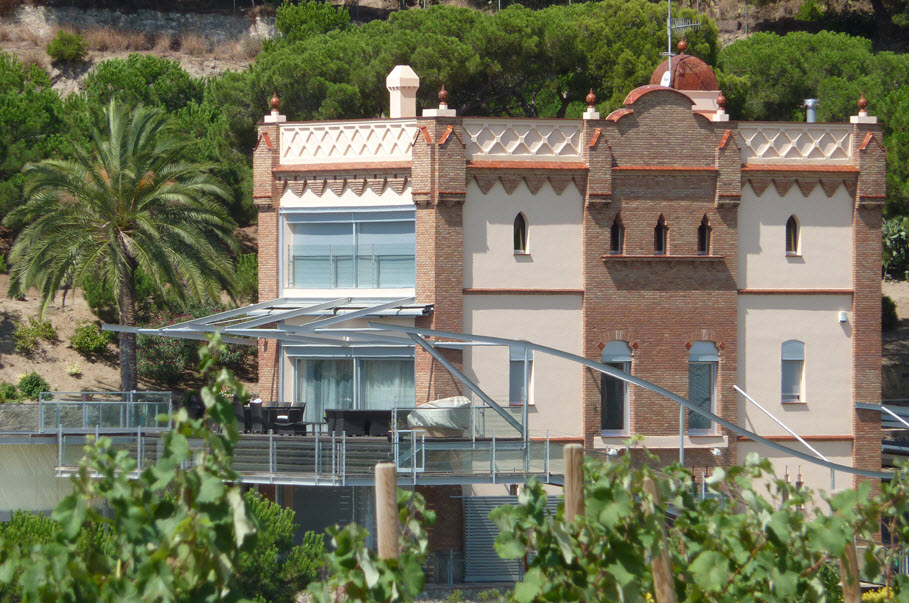
AA family Aa vineyard 2 AA vineyard

Alta Alella is a organic (natural) winery located in the 4000 Hectare Natural park of Serralada de Marina (of which they use around 60Ha). The AA estate is working mostly according the micro vinification technique. This basically means they use a technique where the wine is fermented in small vats. Micro vinification allows a winemaker to express the most natural ‘unadulterated’ characteristics of a single territory. So it doesn’t get more natural then this 🙂 Just by the fact I like Bruant a lot and by seeing the above pictures I feel a next wine trip presenting itself 🙂 I also doubt it will take me more than a year 😉

To come back to the Bruant . What I liked about this cava was the purity (0 dosage  – so no added sugars) and refined bubbles that are almost not visible by the eye and very subtle at the taste.  It has the most magnificent inviting aromas of fresh flowers and white fruits which also translates itself in the taste. I’m sure that even if one doesn’t know anything about wine will appreciate this cava (an every man’s friend if you will) . I know that I can obviously say a lot, the only way for you to see if I’m right is by tasting it 😉 but I’m sure it will not disappoint!!

It was also funny finding out that the person importing the AA Privat wines used to be an SAP consultant just like me (even the same modules) 🙂 Maybe I should also change career and leave SAP for what it is??!!

I know if might seems like I’m trying to sell you something, but it’s not (not in this article, nor in all my other articles). I’m just trying to convince you to basically try something new and to be amazed :-). Go for quality and not a quantity product… I also hope next time you are in a shop and you don’t know what bubbles to take that you’ll maybe try a bottle of Premium (Reserva or Gran Reserva) Cava instead of of Champagne or ‘cheap’ bubbles’ made by a company only caring for quantity (although it must be said that not all cheap bubbles are bad, but some are 🙂 ) and that you’ll notice that a product like Cava deserves more respect as a product and don’t see it as just a ‘cheap’ wannabe Champagne.

Where to buy? For my Belgian readers check: http://www.oinosshop.be/

For my foreign readers check: http://www.altaalella.wine/

For all questions regarding Premium cava you contact the cava association

Italian road trip 2016: exploring Dante Alighieri’s legacy

After a good night of rest and a large breakfast we were ready to set sail to one of my favorite wine regions in Italy aka Valpolicella located just outside the city of Verona. First stop Azienda Agricola Masi aka the trigger for me coming on this winetrip. You might have already noticed I have a slight preference for full bodied wines that are still easy to drink. Well this is exactly how I would describe the Masi wines (or maybe even the Valpolicella wines in general). Before I continue talking about the estate I will first tell you a bit more about the Valpolicella region.

Masi Logo

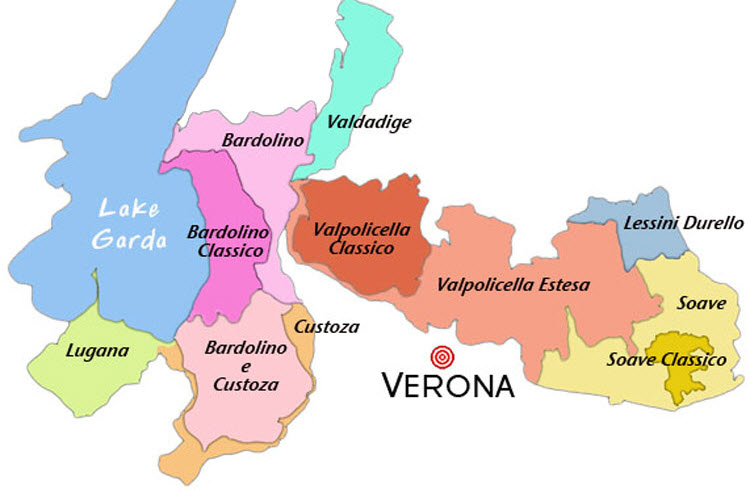
The Valpolicella region is located as I mentioned before just outside of the city of Verona and even more important right next to Garda lake and close to the Adriatic sea. Why do I say “more important”, I say it because the proximity of the lake and sea have a very big impact on the climate (mild continental climate) and therefore also on the winemaking in the region.  There are 3 main grape varieties used to make Valpolicella wines: Corvina, Molinara and Rondinella. Some vineyards might add other variaties like Corvinone, Rossignola, Negrara, Barbera and even Sangiovese (that you mostly known from Tuscan Wines), but it will always be in combo with (at least 1 )the 3 mentioned before. The most well known wine of the region is the Amarone which is considered one of the 3 great Italian wines next to Barolo and Brunello di Montalcino.

Valpolicella region Valpolicella by amaronetours

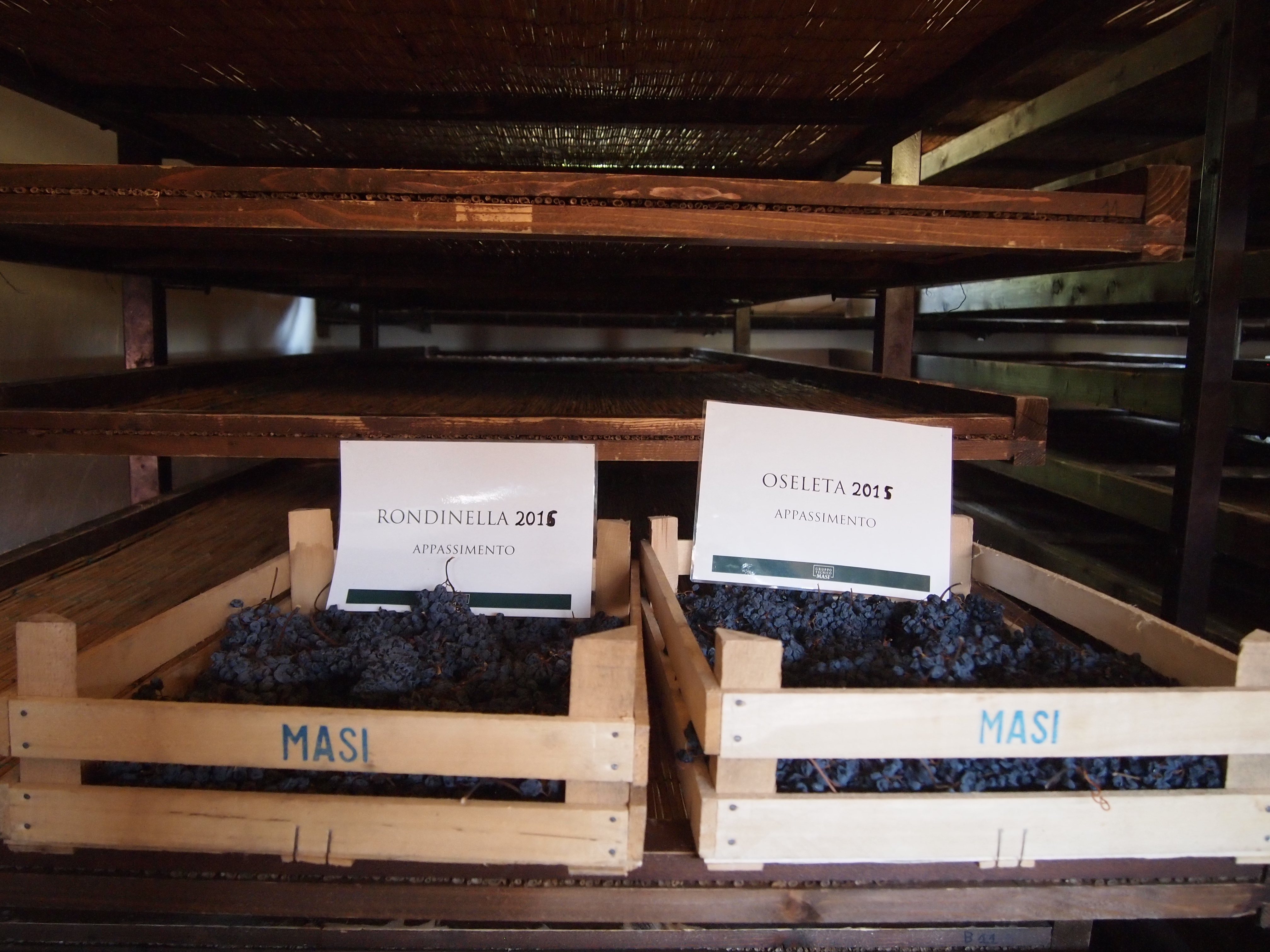
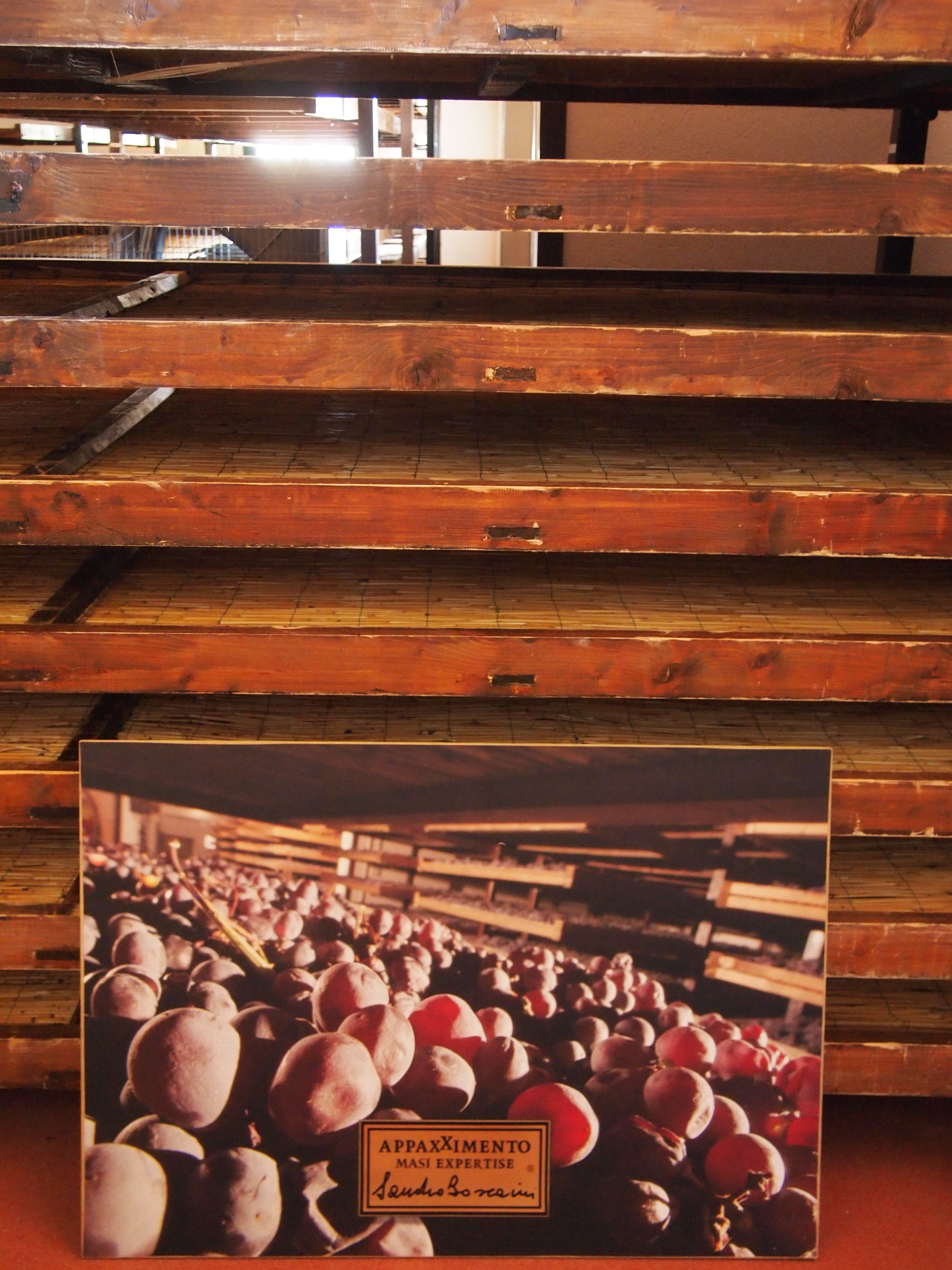
What I find funny is that Amarone is yet another example like lots of other great things (Tarte Tatin, etc…) in this world Amarone was also discovered by mistake. The story goes that many many years ago people in the Valpolicella region had left Recioto wine (sweet dessert wine) untouched for a longer period of time which resulted in a longer fermentation and in new wine that we know today as Amarone 🙂 Obviously the Amarone we drink now is much more refined as the ones from back then, but the basic principales for making the Amarone stayed the same… One thing you can say is that the winemakers of the Amarone are patient people as the process for making it takes a lot of time… (an important keyword in good winemaking – time/patience) but they get rewarded with a very unique and wonderful product. To make the Amarone, the grapes are put on wooden shelves or bins (in case of Masi after lots of studies and tests they have discovered that for their way of working bamboo bins seemed best)  and are left to dry naturally for x months (I think the minimum period was 3 months) which will make that the ‘juices’ and ‘flavors’ left in the grapes are much stronger/intense.  In the next step they will gently press the grapes to get the best juices out. If they wouldn’t do it gently the bitter flavor of the stalks would come into the wine. Finally the ‘grape juice’ is put to wrest mostly in Veronese barrels (that are bigger then the regular/ traditional barrique/barrel and specific for the Valpolicella region) to become the perfect Amarone. (FYI, this is it explained in a few words, otherwise my blogposts would become a book 🙂 )

Passimento 1 Passimento 2 Passimento 3 Aging 1

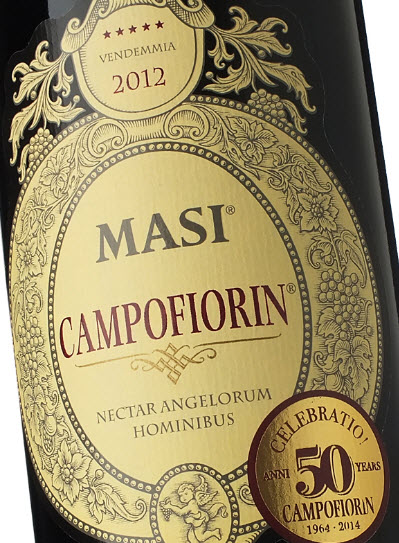
As they only pressed the grapes gently, there is still juice left in the grapes… this is how the Ripasso/Ripassa gets born. They basically press the left over juice out of the grapes and make another wine out of it… you can call it a ‘Amarone light’ :-).  This is where the Masi story starts to detaching itself from the other wineries (around 1964) after years also making Ripasso wine, to Masi it somehow felt like when you use a teabag for a second cup of tea… it will be good, but it could be better… + they also noticed that many wineries in the area with the aim of quantity instead of quality and therefor a more “negative” vibe came over the Ripasso (Although it must be said there obviously also some great Ripasso/a wines circling around). This made them think that they could lift the Ripasso up by adding ‘fresh’ grape juice (that had lesser time on the wooden shelves ) and this is how the Campofiorin or THE showpiece (after the Amarone) of Masi Agricola was born.

Campofiorin

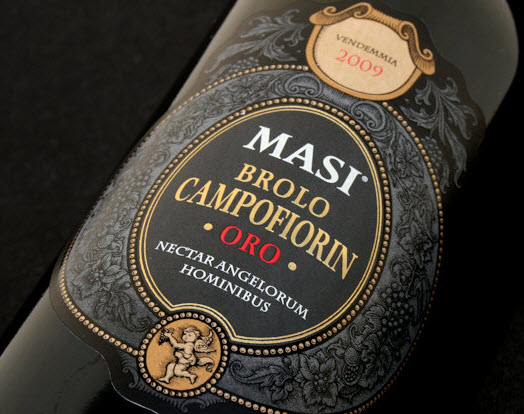
What I like about the Campofiorin (and about the better Ripasso’s) is (I’ll be honest) first of all the price/quality ratio… you get a wonderful full bodied wine for a affordable price + a wine that most people will like for sure… whereas the Amarone does require a bigger budget and is a more complex wine . Don’t get me wrong I love Amarone and I do have some great bottles in my personal collection, but let’s say I won’t open it for everybody 🙂 (only for people who appreciate a refined product like Amarone). Do also try to taste the Campofiorin Riserva or better the Brolo Campofionin Oro, which is an even a more refined version of the campofiorin.

Brolo

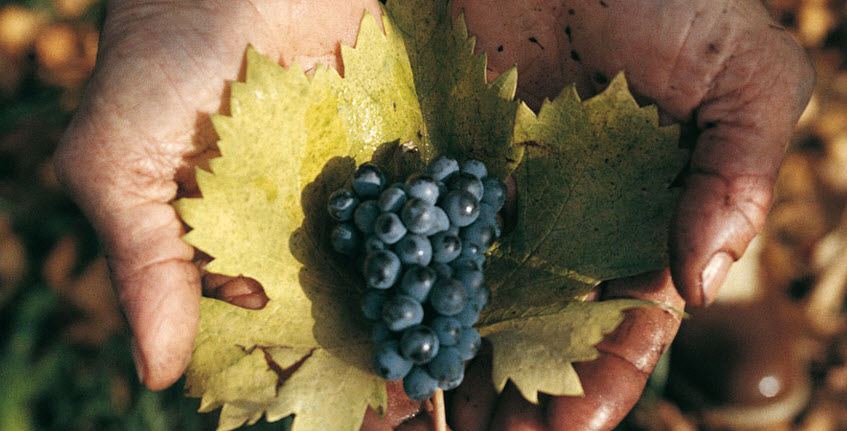
The Masi estate also re-discovered/introduced a grape variety that had almost disappeared entirely out of the Verona area. I’m talking about the Oseleta grape which means ‘little bird’ in the local Veronese dialect. The name actually refers to small grapes that ripen late in the season and are often still hanging after the vine has lost its leaves. Lots of years the grape variaty was seen as non important grape due to it low yields (because of being such a small grape). What the Oseleta does in the wines where it is added, it give it more backbone and creates more tannic structure, minerality and dark berry notes. This is in very big contrast with the other grape kinds in the Valpolicella wines like Corvina that are light, more gentle and have low tannins. FYI they added the Oseleta to the Campofiorin Riserva, the Toar and the Riserva di costasera (Amarone Riserva). In the Private collection of Masi they also have a wine 100% Oseleta grapes, the Osar (which mean ‘to dare’ in dialect). In contrast with the other wines in this case the grapes are not dried, but harvested later… it has a beautiful perfume of black plum, berries and cherry, with a subtle spiciness 🙂

Oseleta

The re-discovery of this grape variety might been luck, but at the other side it’s not! Masi is a company that with lots of respect for the past also always looks forward and wants to innovate. Masi created half way the 1980’s a specific department for it called the ‘Masi Technical Group’. The Technical group is basically a team of experts dedicated to quality control, research, technical analysis and experimentation of everything that has to do with wine to in the end create new/better wines (also think/work more ecological). This also the reason of Masi’s high quality products (going from the ‘intro’ wine to their Amarone riserva’s). It has also come this far that the Masi Technical group now also does consultancy to help out other wineries to improve their wine making process.

Gruppo Technico

You might have noticed that there are quite a few names linked to the Masi wine estate, the most famous will the name Serego Alighieri. Unlike other big colleague wine estates, Masi doesn’t buy other wineries, they collaborate with other wineries. Mostly in other wine regions like cantine Conti Bossi in Trento (Spumante)…with as exception the neighboring estate Serego Alighieri. Most of the wineries are smaller wineries of which Masi believes that have great potential and are a very good added value. Most of those wineries want to grow and innovate, but don’t always have the possibilities to make this happen. What Masi offers them is the use of the Technical Group which basically means the Masi expertise. In return Masi gets a new high quality wine assortment in their gamma (FYI, the wineries keep their name on all bottles, there is only a small mention of Masi). In the case of the Serego Alighieri might seem strange as the estate is literally right next to Masi. This collaboration started over a talk between Sandro Bosciani (CEO of Masi) and the Serego Alighieri family who’s estate  (still family owned) already exists since the 13th century and was the residence of the one and only Dante Alighieri ( the most famous Italian poet). As you can imagine knowing the estate is already in this area since the 13th century, is has some of the best and most unique piece of land with coincidentally vines on them :-). These vines or the wine made from its grapes was only for own/personal use and not for sale. To make a long story short, Masi was interested in the great vineyard locations and Serego Alighieri to make their wines better and maybe even start selling them… the rest of the collaboration is history. I do recommend you if you ever have the chance to visit the winery and castle of Serego Alighieri… like a walk through history.

Serego Alighieri Serego Alighieri 2 Serego Alighieri 3 Serego Alighieri 4 Serego Alighieri 5 The Serego Alighieri Villa

A very interesting project of Masi is their winemaking project in the Argentina (Mendoza). They describe it as “Argentinean Nature, Venetian Style” 🙂 After research Masi had discovered that the Mendoza region (Tupungato to be more precise) has the perfect climatic and conditions  to do the “appassimento” technique used to make the Amarone. I can say for a fact that it lead to some great wines like the Passo Doble as intro wine(although Intro wine is maybe a understatement) and the Corbec as the Argentinian Amarone if you will. The Corbec (as the name might reveal) is a mix of the Corvina (70%)and Malbec (30%) grapes or as I would call it a wonderful marriage. Bursting with aromas of raspberry  and roasted cherries …  a deep and mysterious wine are the first that come to mind. You do feel the wonderful balance of structure and body, with well rounded tannins but smooth like butter. Definitely one of my favorite Masi project wines :-).

Corbec

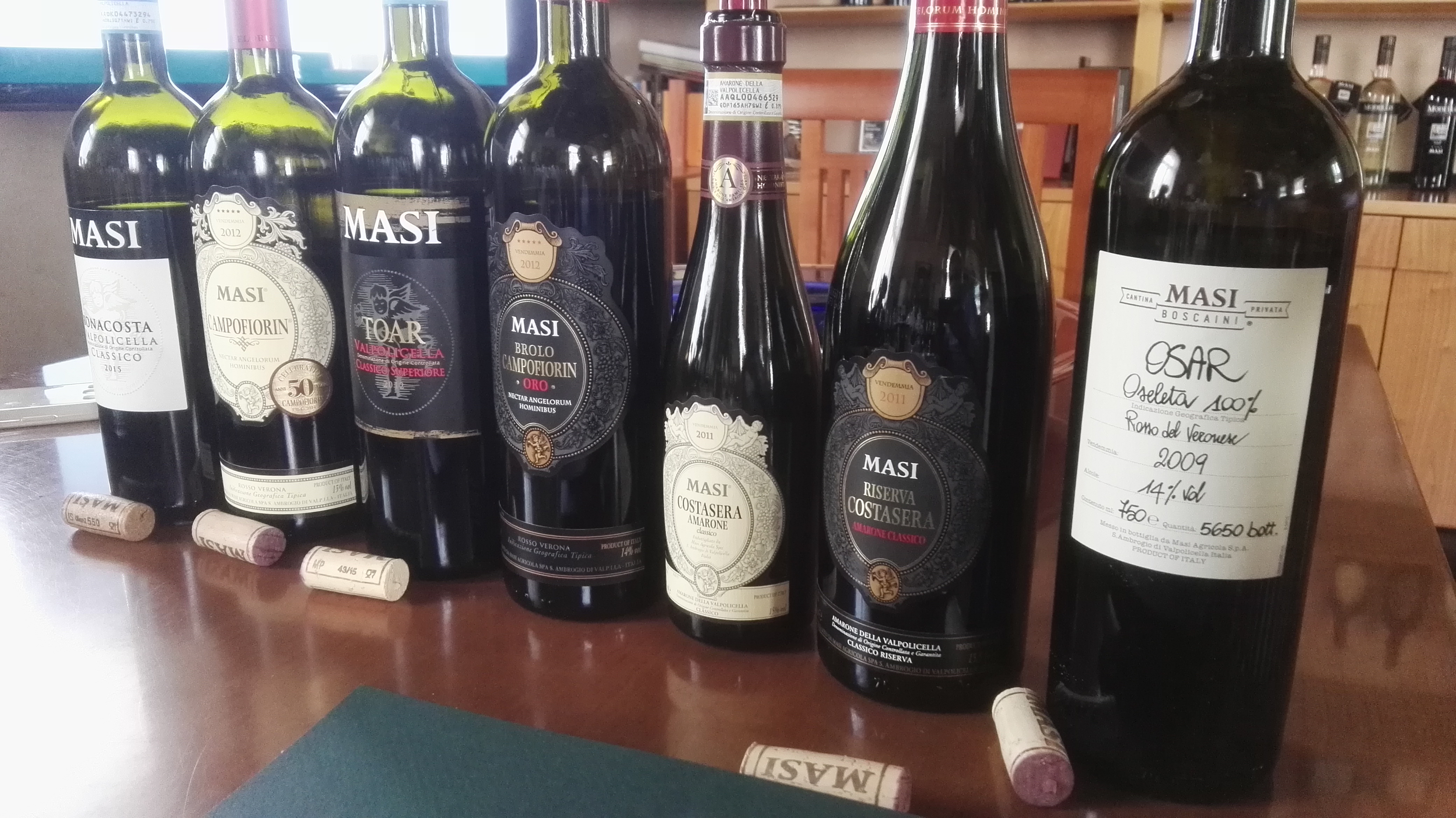
To get a clear view on how the Masi wines are all in the same line (crescendo that is) we had a wine tasting of their wines starting with their “base” wine the Bonacosta that has a lot of character for intro wine. The reason they wanted me to taste the whole range is because you don’t always get the chance to do this… We continued with my beloved Campofiorin wines that are the best of two worlds if you ask me (I’m also pretty sure Carlos agreed)… we ended with what is sometimes called ‘vino di meditazione’ (meditation wine) a wine that requires silence because it is just that good aka Amarone Costasera and Amarone Riserva

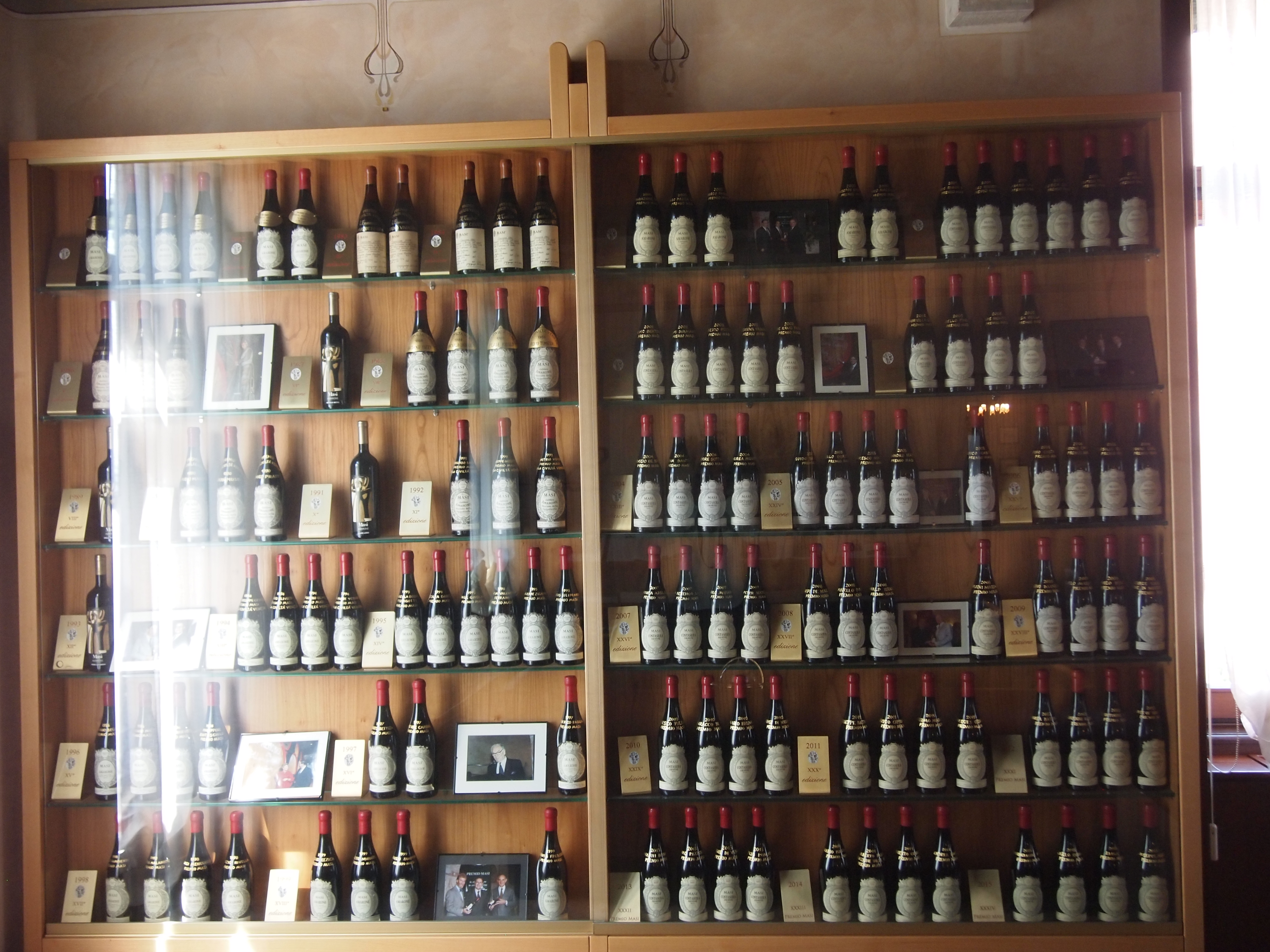
Masi Tasting Masi Tasting 2

I could keep talking about Masi (or about their collaborations) as there is still so much to tell, but one has to stop somewhere. Also this way you have a reason to visit the vineyard 🙂 (to find out more) I know it also seems like I’m always very positive when I write my articles, but I only write about things I like… I’m also all about the people behind a winery (or restaurants, etc…). When there is a good connection between me and the people (especially after visiting the vineyard) and if they have a wonderful product I am the biggest ambassador they can imagine :-)…and I guess by the size of this article you can say I’m a big Masi fan 🙂

MASI 7 MASI 6 MASI 5 MASI 4  MASI 2 MASI 1

I know I might be repeating myself, but what I like about the Masi wines that no matter if you drink younger or very old vintages… the red wire in all the wines is the freshness of full bodied wine! Once again we couldn’t resist ourselves from taking some souvenirs for our wives 😉 😉 or was it just 1 for them 10 for us 🙂 as their biggest will for sure be having us back by their side… and when we’re happy they’re happy right?

In case you would want more information about Masi wines you can check their website. For my Belgian readers you can contact Young Charly.

Up to the next stop in my Italian winetrip…Guiseppe Quintarelli

Summer refreshment

I’m sure the name Syrco Bakker sounds familiar? If not, Syrco Bakker is the executive chef of the Michelin starred restaurant Pure C (owned by former 3 Michelin star chef Sergio Herman) at the Dutch coast right across the Belgian border. Something that can be said about chefs like Syrco is that they are very creative people who don’t mind thinking out of the box and always like trying out new things.  Most of their ideas come during travels.

Hierbas de las dunas 3

One of the newest creations of Syrco was influenced by something on one of his holidays on the Island Ibiza together with family and friends:-). The story goes as follows: after every meal in Ibiza (or in southern countries in general) you get offered an alcoholic drink to finish you meal… you drinks like limoncello (in South Italy) or in this case of Syrco in Ibiza is was a drink called Hierbas (drinks that go down smoothly in the summer and you barely notice the alcohol). As Syrco liked the drink he started thinking if he maybe couldn’t make something like this himself? And so he did together with a friend they started brewing their own “hierbas” in a large cooking pan:-) using local wild herbs (hierbas 😉 ) growing at/around the coast where Syrco lives and works. After lots of tasting and trying to fine tune the drink they did decide that maybe they needed some help to get more flavors out of the herbs. Just like lots of things it might seem easy to get juice out of some leafs, but trust me it isn’t (or maybe you get the juice out, but not the taste). Guys like Syrco want perfection and they will not sleep until they get that 🙂 The person to help they was Pure C’s Bio vegetable grower and if I remember it correct a local distillery… This help led to (now professionally made) “hierbas de las dunas” which basically means herbs from the dunes (dunes as the herbs came from in/around the dunes).

Hierbas de las dunas

I have tried ‘Hierbas de las dunas’ pure, with some soda water and used in a cocktail. I have to admit that I find a bit heavy to drink it pure (but that’s my opinion) or maybe I did at that time as I had it on a nearly empty stomach 🙂 .

Hierbas de las dunas 2

One thing is sure, it’s a drink that goes down smoothly  no matter how you drink it. A bit sweet taste that gets refreshed/ de-sweetened by the herbs in it. The perfect drink for on a warm summers evening with some friends overlooking the sea. On the Hierbas de las duna website you can find lots of creative ways to use the drink (in cocktails, food, etc…)

perfect summer drink

Hierbas de las dunas 5 Hierbas de las dunas 4

If you want your summer to start already you know what to do 🙂 In case you are in a country where summery weather is already there you can make it even more summery

Cheers

Italian roadtrip 2016: 1st stop and already beyond the clouds

It had already been almost a year since my last wine trip, so it was about time to do another one. My idea to do one again actually came during a meal with Raffaele Bosciani from Masi who said he hoped I would pass by one day… let’s call it the trigger 🙂 The only problem I still had was to convince or better find the perfect time to tell my wife I was going on a wine trip… AND Then it happened, as if the gods were favorable to me my wife told me she was thinking of going on a weekend with her sister 🙂 🙂 In the time she was still thinking I had already planned 2 trips 🙂 (one wine trip with by buddy Carlos and one with my daughter to visit my grandparents in Italy). Deciding which vineyards to visit was quite difficult as I wanted to visit lots of them, but I must say I had my mind made up pretty quickly. This wine trip brought us to 3 different Italian regions, we started in Alto Adige with a visit to the Elena Walch vineyard. We continued our trip in Veneto with visiting Masi and Guiseppe Quintarelli (and surprise stops at Farina and Bulgioni). To finally end our trip on what we called white wine Saturday at Ca dei Frati in Lombardy and Sandro de Bruno in Veneto again (Soave).

Route trip

What I love about travelling to Italy, is the fact that no matter where you go or how big the vineyard is they still receive you as you are part of the family.. I guess that’s the southern hospitality…

On the road

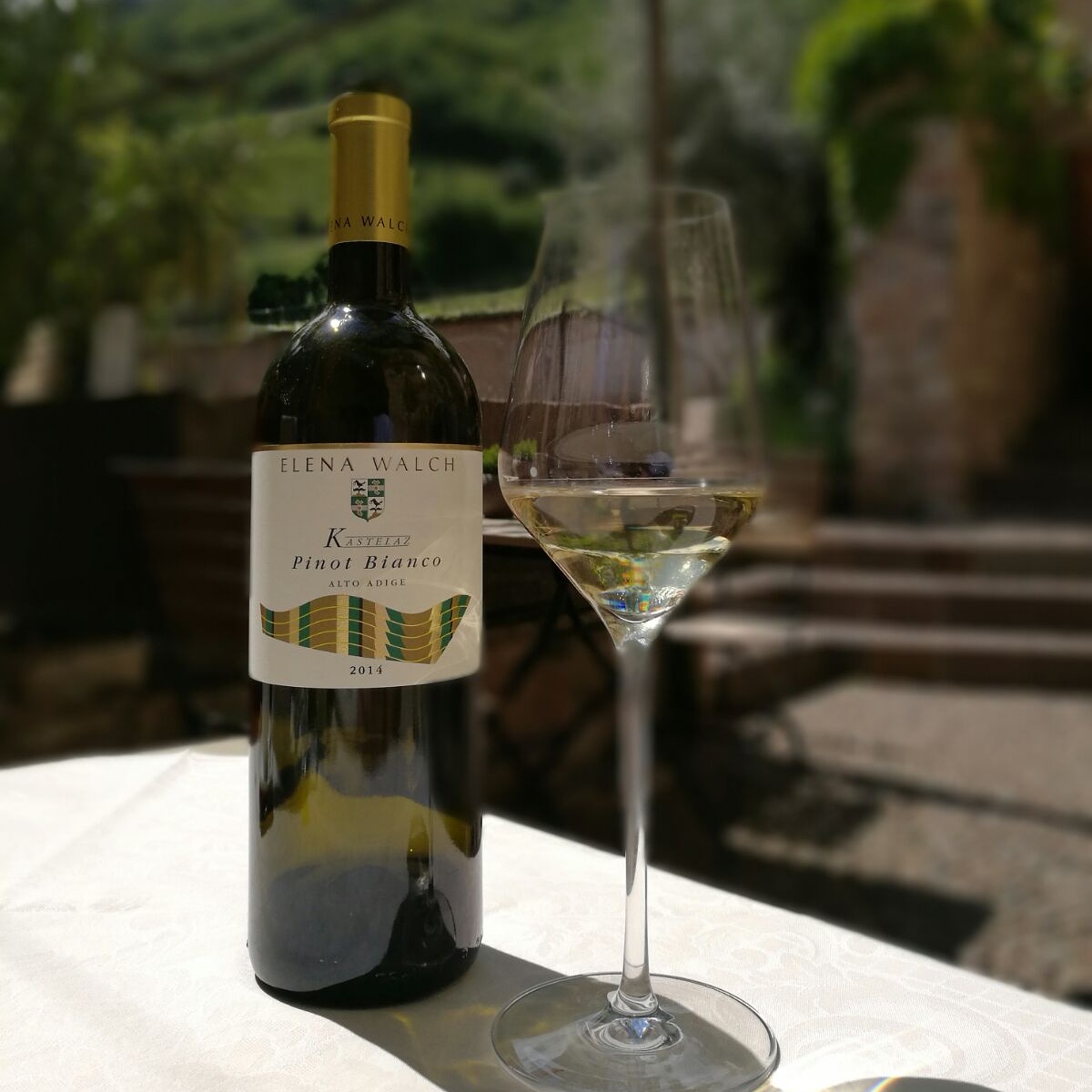
After a looooong drive we finally arrived in a little town of Termeno that is a few kilometers from Bolzano and from the Austrian border. What you notice when you are in this region is the Austrian influence in the housing, but also the fact that I think around 80% of the people speak German as first language (but all of them also speak very good Italian). We also couldn’t have imagined a better way to start our trip/holiday then in Termeno, we started it with a wonderful lunch at  Ansitz Romani outside in the open air with a nice bottle of Pinot Bianco from the Elena Walch estate… to already get familiar with the vineyard we were about to visit after the lunch  😉 FYI believe it or not, but the picture of the wine was taken with a smart phone camera (Huawei P9 –  with Leica lens)

Pinot Bianco Elena Walch

Ansitz Romani

Normally it was Julia Walch who would be showing us around, but unfortunately she had to travel abroad… but she had found good substitutes, her mother aka Elena Walch herself 🙂 and Lena a lovely young lady (oenology student) who was doing a internship at the vineyard and who I can say was very passionate about wines.

Elena Walch and daughters

Azienda vinicola Elena Walch was only founded in 1985 but the Walch Family already makes wine under the the name Wilhelm Walch that make ‘table wine’( or everyday wine or however you prefer calling it) since 1869 but it was not until Elena’s husband took over the family estate that he together with his wife Elena (who until then was architect) decided to start making next to the Wilhelm range of wines also wines of a higher quality or better ‘Cru’ wines from the grapes of their best parcels which they would make under the name Elena Walch. Eventhough Elena stopped working as an architect in 1985  when they founded the Elena Walch estate, you can clearly see that once an architect – always an architect 🙂 you see the influence of an architect in the newest part of the estate (the buildings that is) . You just know these are details only an architect would think of (I know Elena didn’t design it herself, but I’m sure she influenced it) like special lightning, the shapes of everything, etc…

It also seems like the next generation is getting ready to take over the torch as both daughters of Elena Walch recently joined the family estate and work in the Marketing department and took over most of the travelling from their parents.  When I asked Elena if it was difficult to work together with her daughters she said: “It is not difficult, but you do notice the difference with a regular employee. When you tell a regular employee something he’ll just do it. My daughters on the other hand 🙂 :-)”  But was very happy they were around and helping and continuing the business.

Elena Walche Estate 1 Elena Walche Estate2 Elena Walche Estate3 Elena Walche Estate4 Elena Walche Estate5 Elena Walche Estate6

The vineyard does use the most modern techniques and machinery , but they do still try to respect tradition. This you mainly see in the older part of the vineyard. What I personally love is the big decorated barrels… something they only back in the day as nowadays making the decorating  would cost too much

Elena Walche Estate 7  Elena Walche Estate 9 Elena Walche Estate 10 Elena Walche Estate 11 Elena Walche Estate 13

The philosophy of the estate is dedicated to its ‘terroir’. They have the idea that wines must be the expression of the grounds, climate and even of the cultivation in the vineyard that like mentioned gets done according to the most modern techniques and to principles of sustainability. The two main territories (where the grapes grow)  of the Elena Walch estate are Castel Ringberg (the ‘regular’ top wines. In France they would call it premier cru) and Kastelaz (the absolute top or Grand Cru) that today have a surface of almost 55 Ha. Where other estates in the region might mix grapes from multiple territories, at Elena Walch they handle the grapes separate (something similar like they do at the Bollinger Champagne estate).

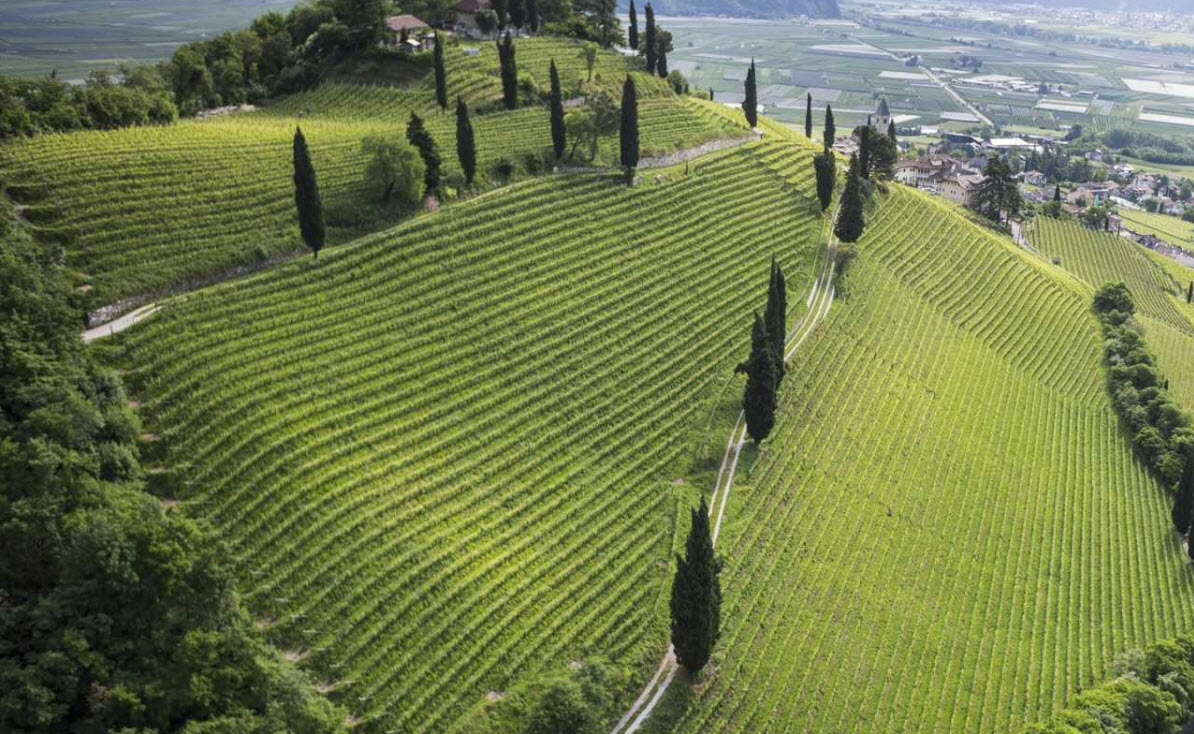
Castel Ringberg that was once owned by the Hapsburg dynasty is located on mostly steep chalky soil, but with some sandy and loamy parts (basically a quit unique combination as mostly it is one of the 3). Because of the diversity of soil  it allows the estates to be very flexible and grow a very wide range of grape variaties: Pinot Grigio, Chardonnay, Sauvignon, Riesling, Cabernet Sauvignon, Lagrein, Schiava. Again something very unique. I was really surprised about the amount of varieties as I thought in the mountains (even-though the Elena Walch vineyards are only up to 400m altitude above sea level) were very difficult and only a few grape varieties were strong enough to grow here… but that’s why I like to visit vineyards as you always learn news things you don’t always learn in books 😉

Castel Ringberg

What makes Kastelaz more special for Elena Walch or maybe even for the whole region is the southern location of it that creates micro-climatic conditions. Most other pieces of land in Alto Adige follow the valley and therefore get less sunshine. In difference with Ringberg, at Kastelaz there are only 3 grape varieties grown Gewürztraminer, Merlot and Pinot Bianco. This is due first of all because the soil here is chalk with raw rock like granite which isn’t the ideal soil for grapes, only a few can survive in these conditions

Kastelaz

It is of course all nice to know that they separate all of this, but how does it reflect in the glass.  Well we obviously didn’t try all the wines they have as that is I believe 31 different wines. From the wines we did try you can actually draw a line or find a red wire in all the wines (and it seems that most guides like Robert Parker, Gambero Rosso and Wine spectator agree on this when I read their comments about the wines they tasted). The Elena Walch wines are full bodied yet very elegant with a harmonious acidity where needed and a long length/finish (that I personally like a lot) and on top of all that every wine (because of its grape variety and location where it came from) adds that own specific mark on the identity.  Every taster we were served asked for more… I mean even the heavier red wines had that fresh part in them and want you to have more 🙂

Just FYI another piece of modern architecture at the estate is the Bistrot where we tasted the wines… not to speak about the view

Elena Walch Bistrot

One of our favorites (and I do think I speak for myself as for Carlos who joined me during this trip) was the Castel Ringberg Sauvignon with its fresh nose of minerals and green apples that definitely do not disappoint once you taste!! You’d be surprised how often a wine has a wonderful nose, but when you taste it its not what you hoped for… but in this case the taste was everything you’d hoped it to be 🙂 that’s also why we brought a box home :-). I do realize I can buy all those wines here in Belgium or anywhere else in the world for that matter…but you just get caught up in that moment that you just have to have it then and there 🙂 🙂 (a feeling we had quit a few times during this trip 🙂

Sauvignon

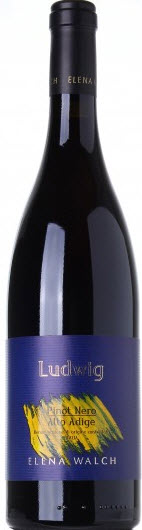
Another wine that got our immediate attention was the Pinot Nero ‘Ludwig’ Aged for 14 months in half new oak and half old oak, its power is discreetly brought to the surface by subtle tannins and lively acidity. Perfumed, complex, elegant, it is drinkable now, but I guess a bit of aging wouldn’t hurt… so we’ll have to try not to touch those bottles we brought back home 😦

Pinot Nero Ludwig

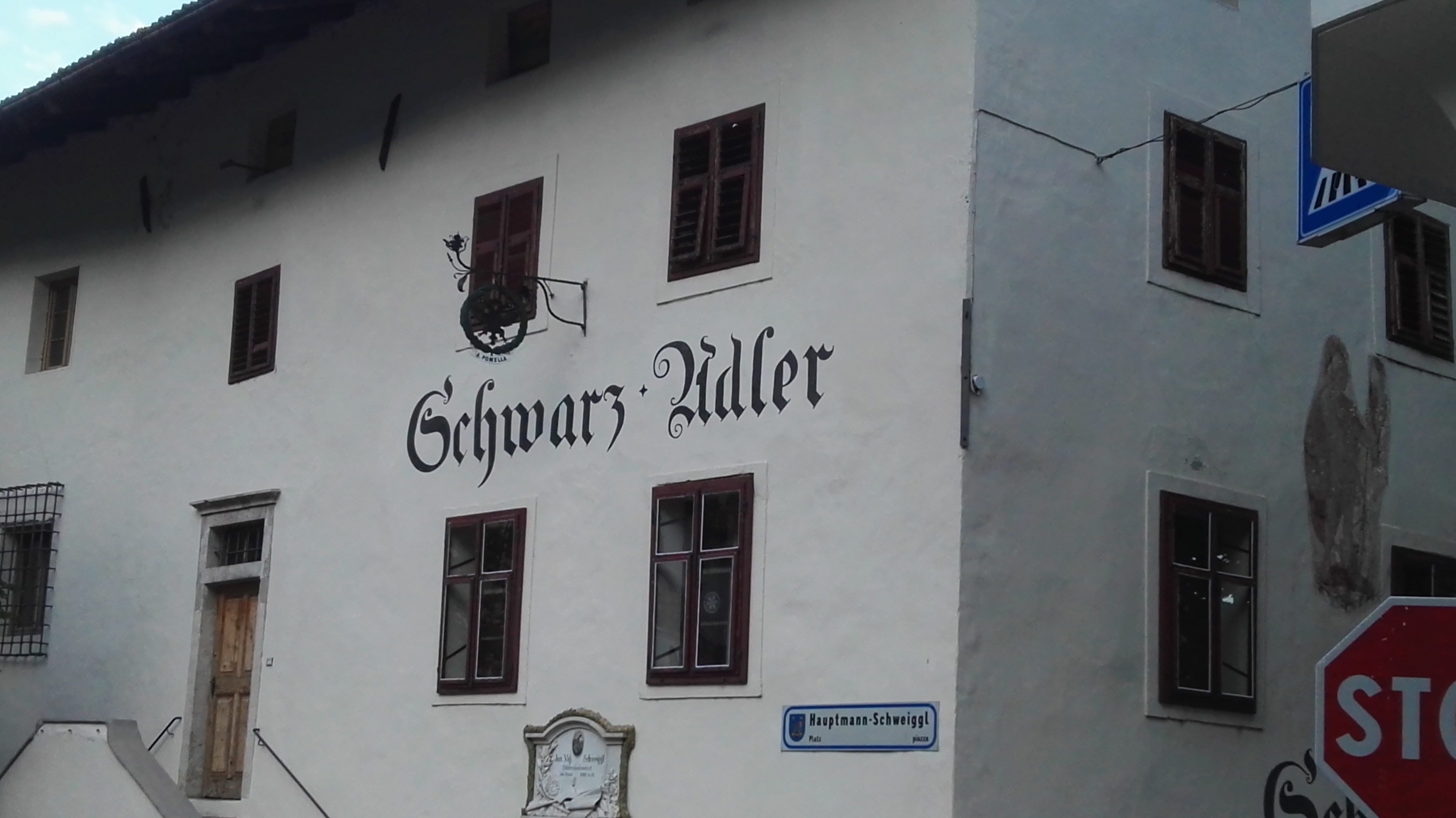
I can say for a fact that we couldn’t have imagined a better first day! A great lunch (with great wine), being around lovely beautiful ladies a whole afternoon (I don’t remember seeing to many men working at Elena Walch‘s estate) and finishing the day with a good piece of meat and some great red wine at the Schwarz Adler 🙂 What more do we need?? We also slept like babies as it had been a very very long day.

dav

Next stop VERONA!!!

In case you would want more information on Elena Walch wines or where to buy them in Belgium you can contact Young Charly. For the rest of the world you can check the Elena Walch website or contact the Elena Walch estate directly

The top sommeliers of tomorrow

More than ever gastronomy is present in all our lives, you cannot turn on TV or you see a food related show. A part of gastronomy that seems to get a bit less attention is the beverage part… or so I thought!

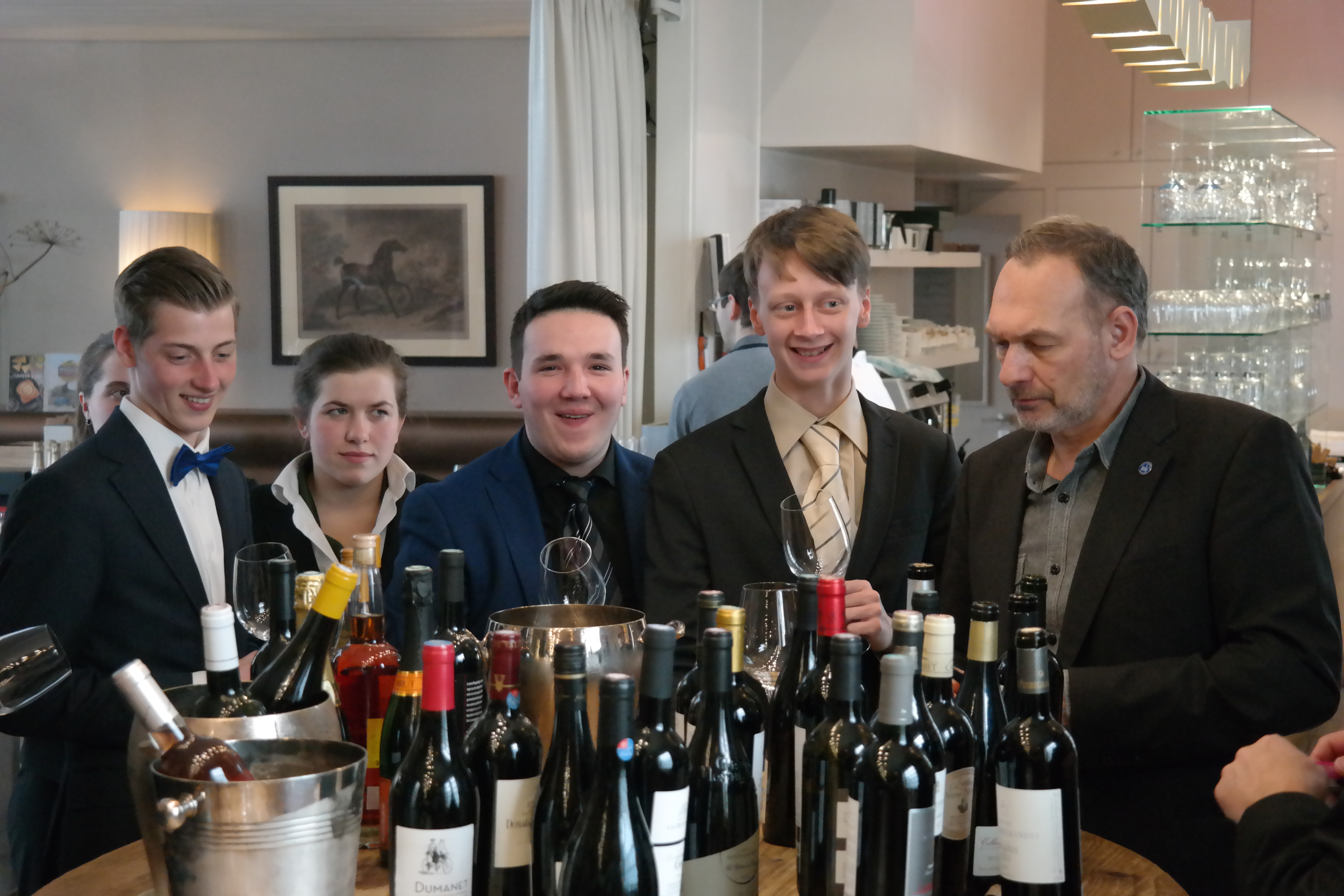
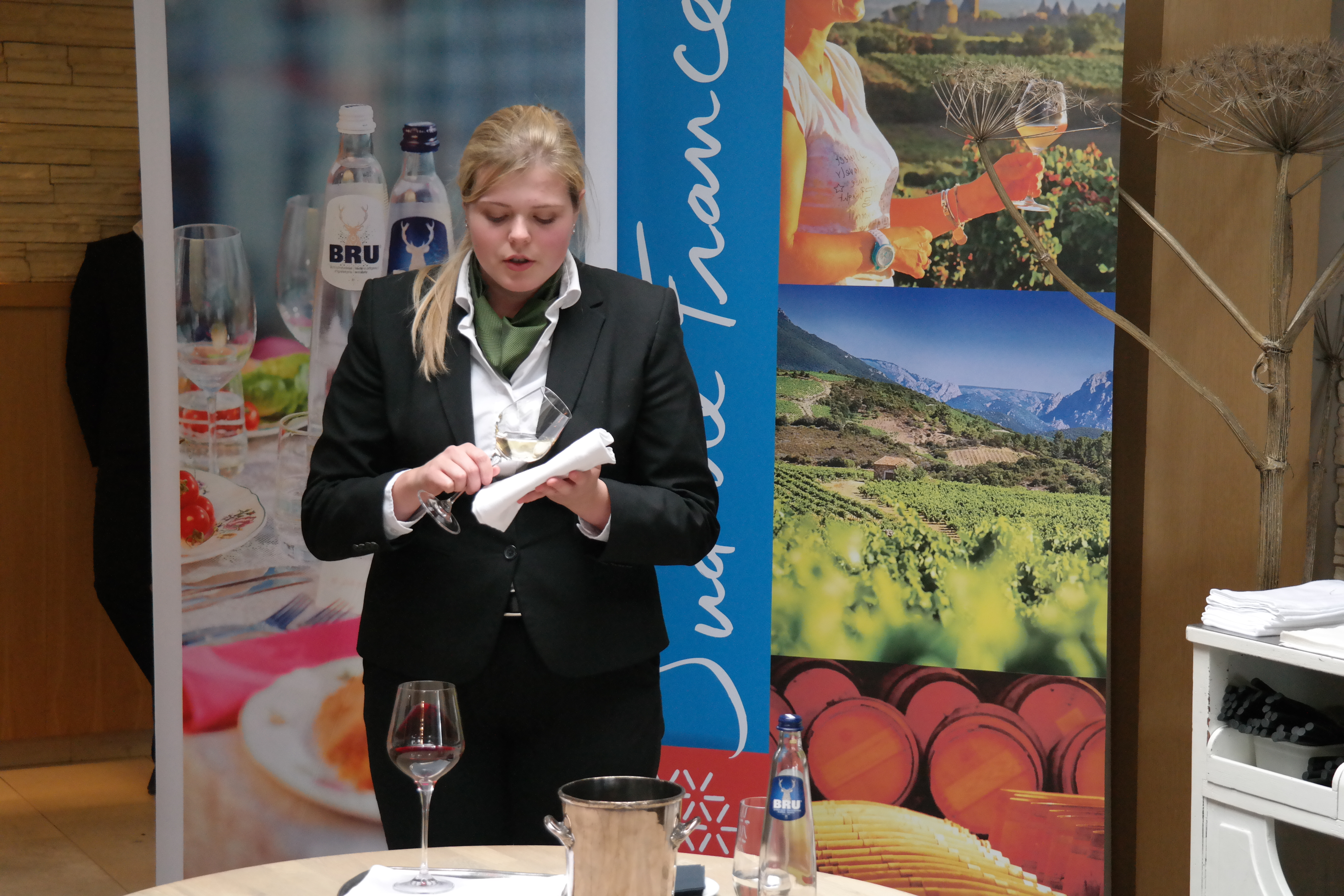
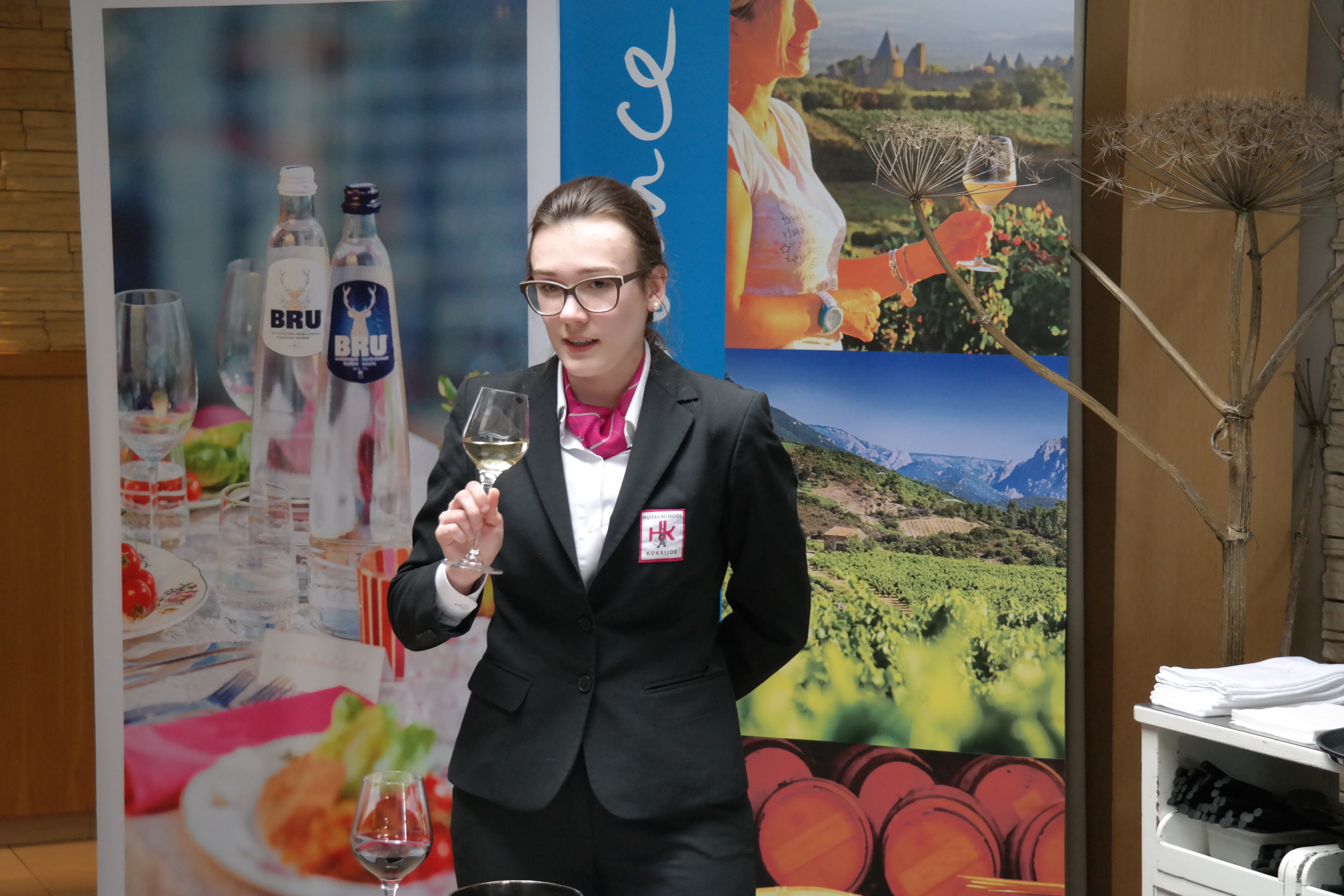
As you might know next to the ‘senior’ competition for Best Belgian Sommelier the Gild of Sommeliers yearly organizes (already since the 70’s) Best Belgian Junior & Junior Commis sommelier. The junior competition is actually for students from the 6th and 7th year of high school (chef school) who do a specialization ‘beverage knowledge’. I was surprised about the turn-out of young students (accompanied by their teacher). What I also didn’t know is that Top sommeliers are like rock stars for the students 🙂 Really they wanted to go on the picture with some of the judging top sommeliers and get some tips and tricks 🙂 🙂 WHO KNEW…

price

Wanting to participate in a competition like this is already an accomplishment on its own. I mean it takes a lot of courage to stand in front of a whole group of people (fellow students and judges) and execute/answer your questions , especially knowing that most of the contestants don’t have lots experience yet… especially if you compare it with the participants of the ‘senior’ competition who have years of experience of working in general, but also from visiting lots of vineyards, etc…

SAMSUNG CSC SAMSUNG CSC SAMSUNG CSC

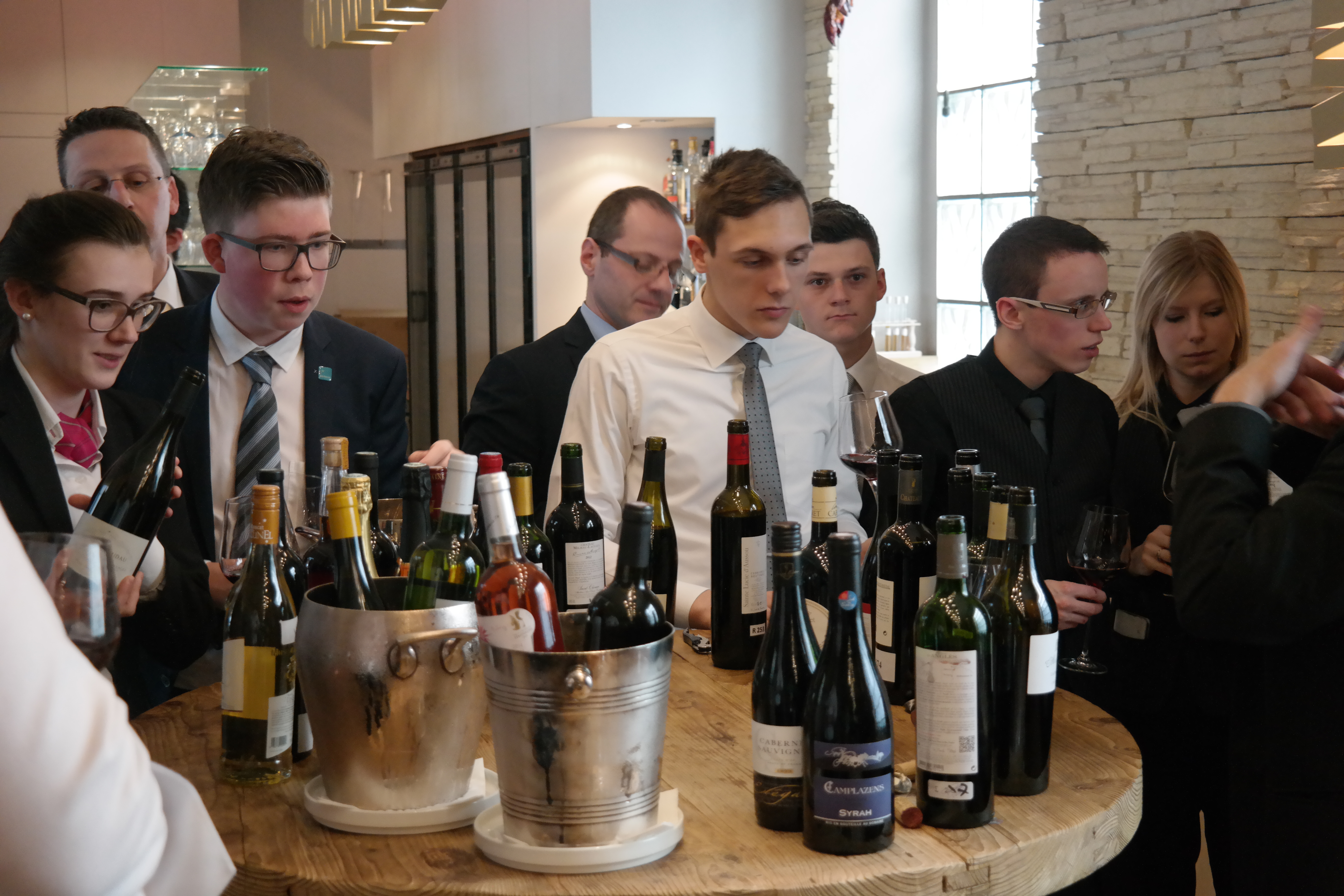
Nevertheless the level of knowledge and know-how is very high amongst the students and it’s a stiff competition!! This year’s event was also for me the first time to be present for the finals as previous years I wasn’t able to make it. Something also nice to know that I found out while browsing through last year’s pictures is that last year’s participants of the 6th year were participating this year in their 7th year 🙂

Finalists 6th year 2015

Finalists 6th year 2015

Finalists 7th year 2016

What I did notice was that 5 of the 6 finalists were of the Ter Groene Poorte chef school… I don’t want to say that one school is better over the other, but it looks like the preparation at Ter Groene Poorte was done really well. Another thing that was remarkable was that 90% of contestants were women!! This means that women are finally catching up. It would also be great if more women would participate for the ‘Senior’ competition, but it seems in a few years they will.

SAMSUNG CSC SAMSUNG CSC SAMSUNG CSC

The competition for the ‘Junior Commis’ exists out of 3 ‘tests’ with as special topic Languedoc and for the ‘Junior’ out of 5 ‘tests’ with special topic Portugal.

6th year students had following questions:

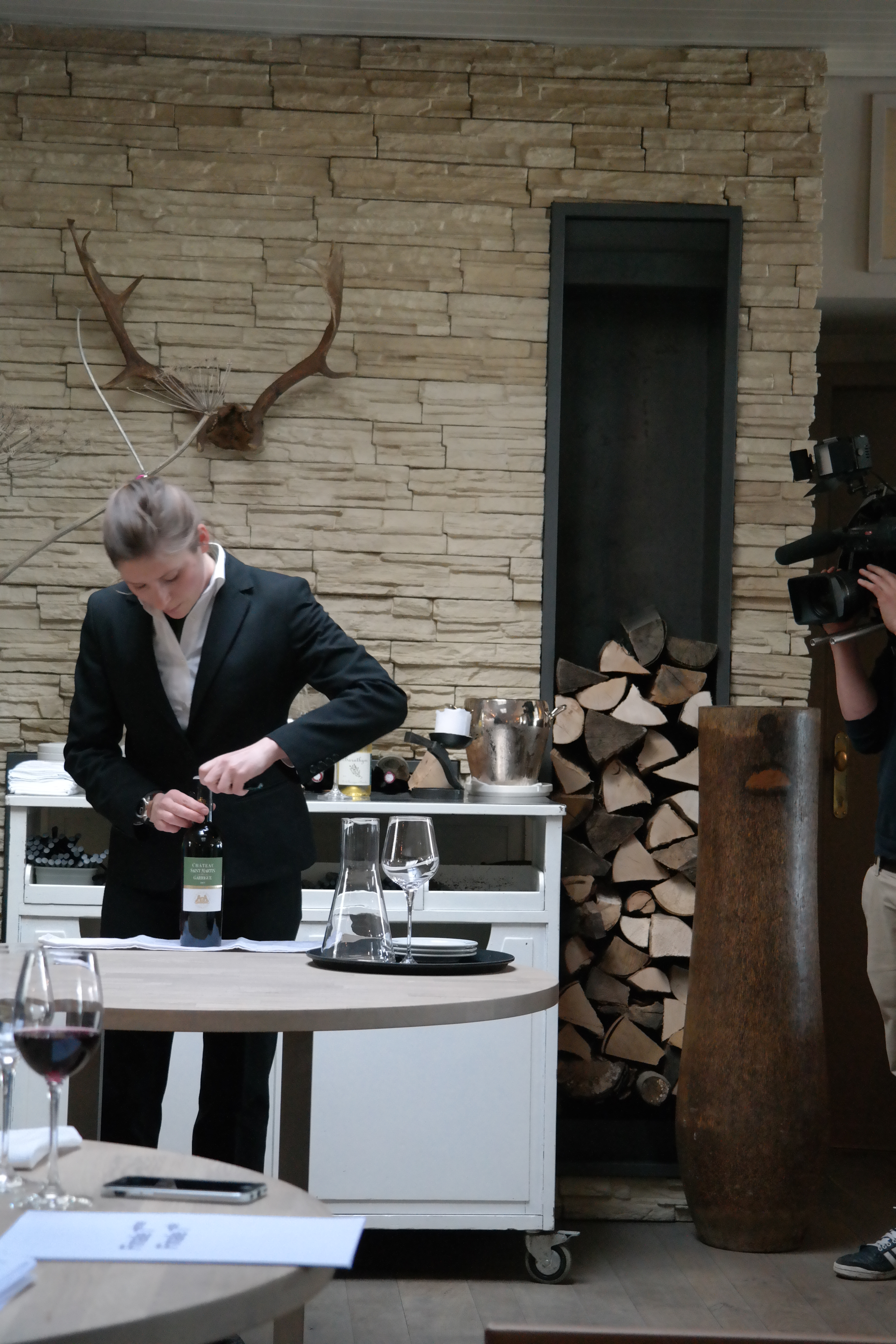
  • Decant a white wine wine and serve this
  • Tell as much as possible about 2 wines and if participant knows he/she can say which one it is
  • Pair wines with a 4 course menu (+ appetizers) of 55EUR
    • Appetizers
    • Spring role + smoked mackerel + lemon herb + rucola
    • Asian style sole rolls + gnocchi
    • Lamb filet in filo pastry + green asparagus + gravy with sage

SAMSUNG CSC

SAMSUNG CSC

SAMSUNG CSC

7th year had following questions:

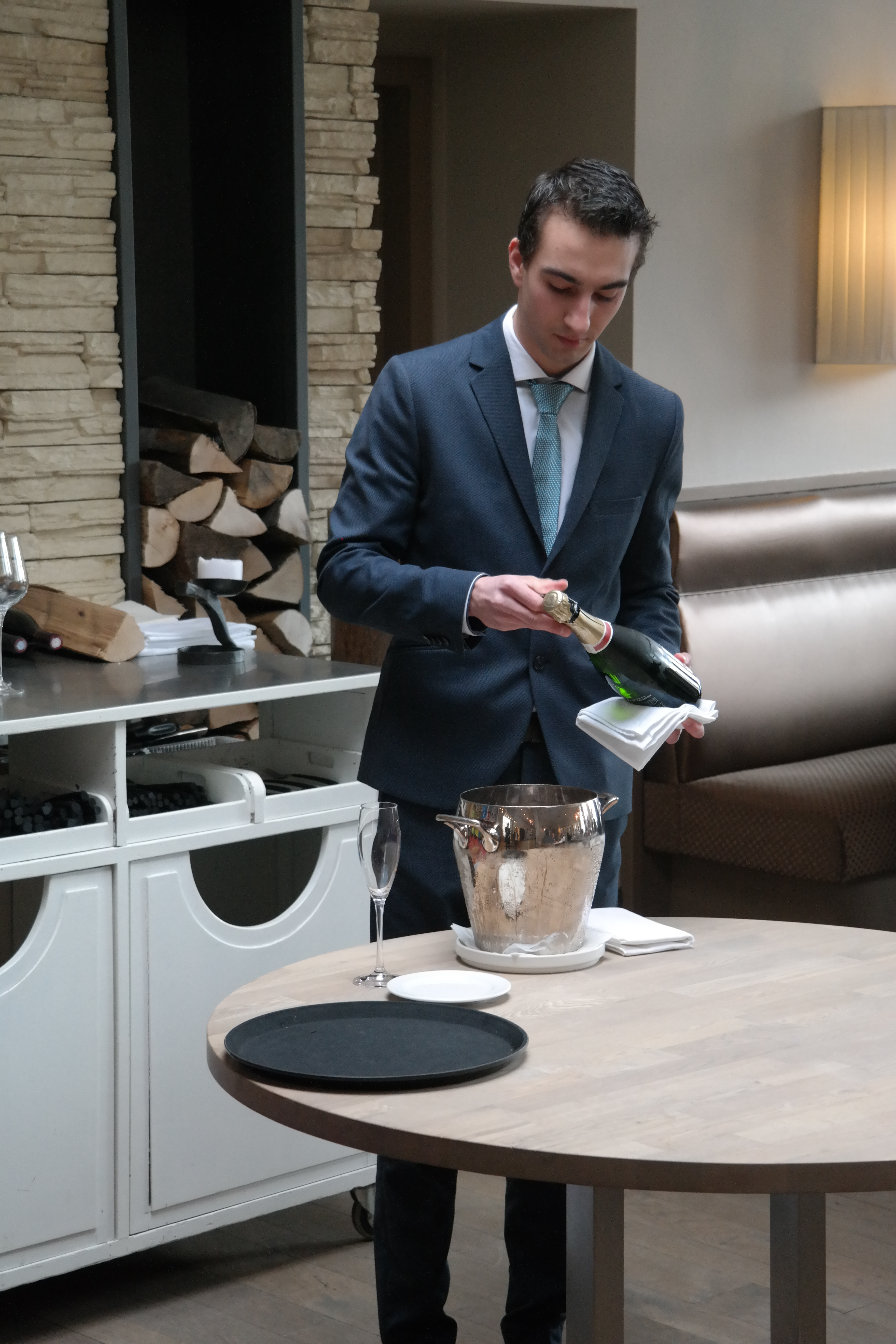
  • Serve champagne in accordance with good practices rules
  • Pair wines with a specific 4 course menu (+ appetizers)
    • appetizers
    • Terrine of rye wing + watercress coulis
    • ‘Moscovite’ patato + sour cream
    • ‘Black Angus’ filet + early vegetables + marrowbone
    • Pineapple + coconut + sesamy
  • Decant a red wine
  • Describe 2 wines as good as possible and say which wine it is.
  • Recognize 3 alcoholic drinks

SAMSUNG CSC SAMSUNG CSC SAMSUNG CSC

What makes a good sommelier a top sommelier, for me, is his/her presence and his/her knowledge about wine and the ‘Fingerspitzengefühl ‘…Nothing irritates me more then when I’m at a restaurant and you ask a sommelier for advice about which wine to take with a specific dish/meal that you can feel they’re just playing darts. Not that I need a sommelier to speak an hour about a wine he’s serving, but a little word on why he’s serving that wine doesn’t hurt anybody. Another important feature is daring to make the non-safe choice of wine and surprise your customer…instead of serving the classic option maybe go for something more funky or unknown (and still budget friendly). When I say this I always have to think of Dirk Niepoort that said some of his wines aren’t drinkable on their own, but work perfect with some dishes.

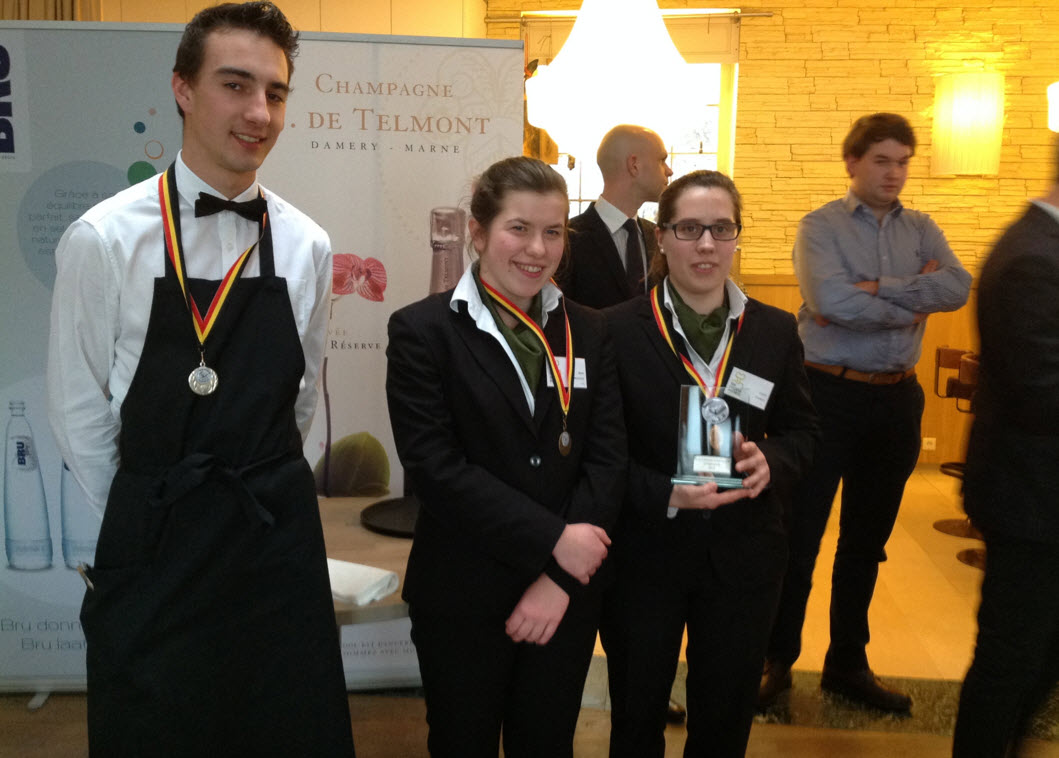
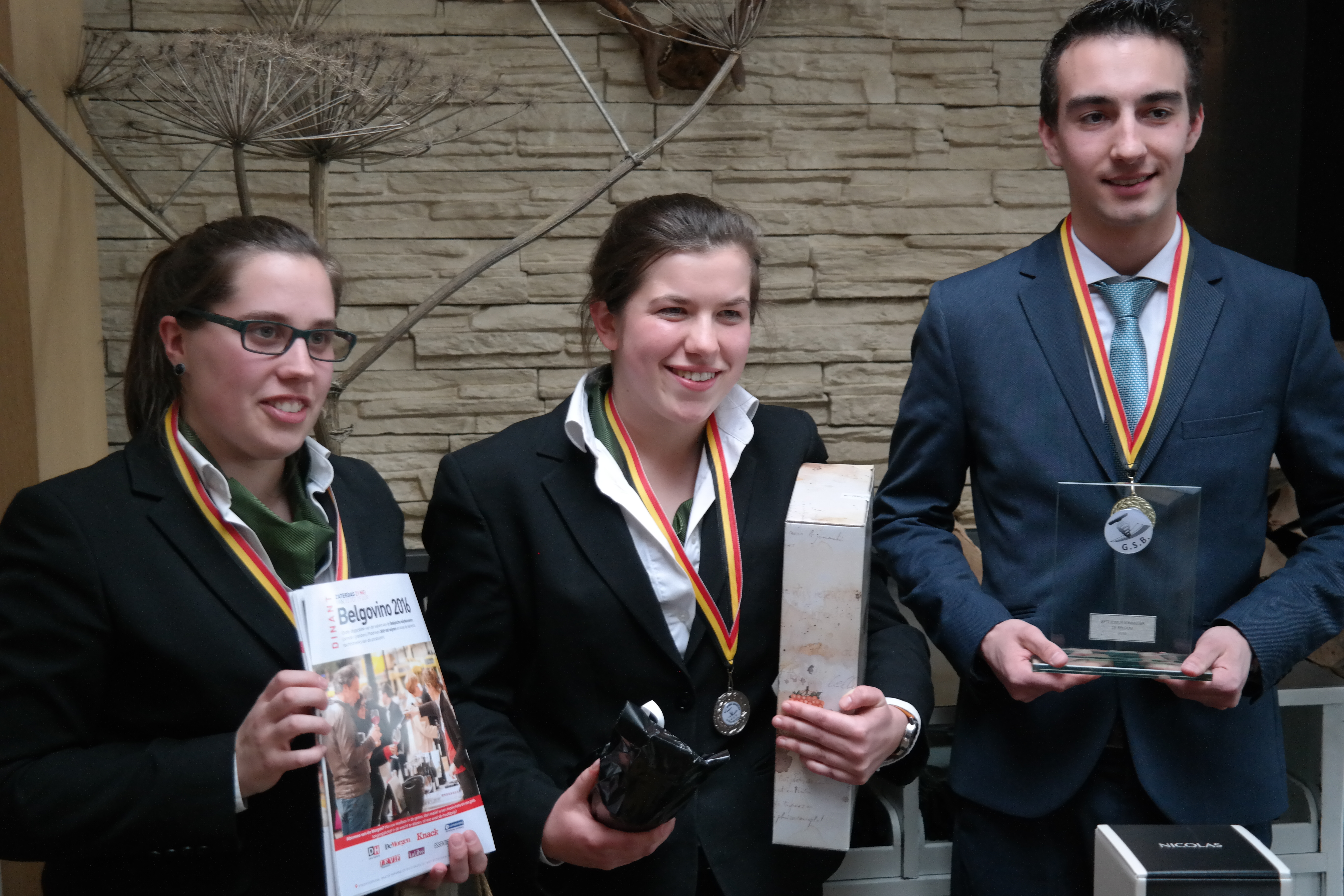
It wasn’t easy for the judges to quote the finalists, but they managed. The winners were:

SAMSUNG CSC

6th year Elise De Waele

7th year: Yannih Paton (who insisted his school to subscribe him and came alone to the competition. Talking about willpower )

I’m looking forward to next year’s game!!

Healthy comfort food in your own home

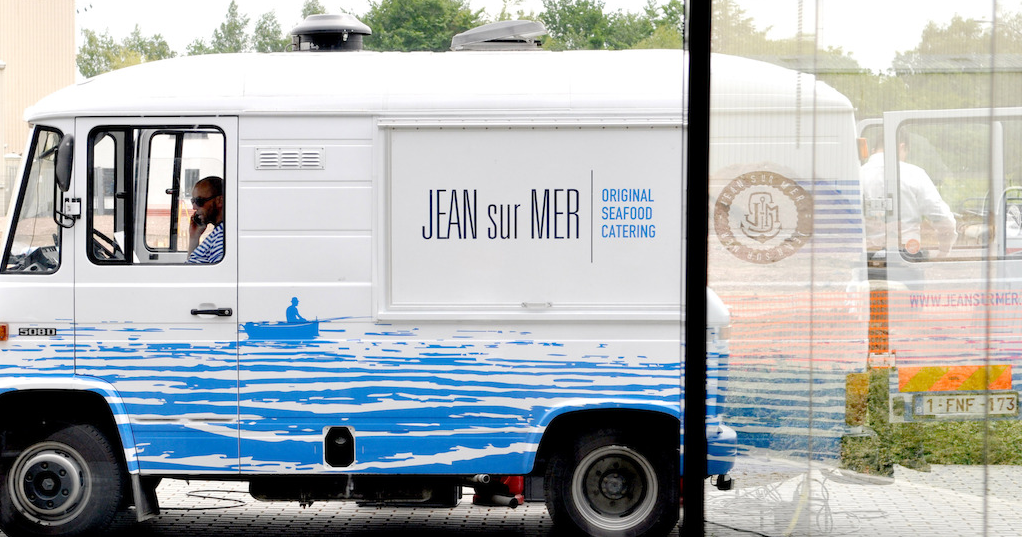
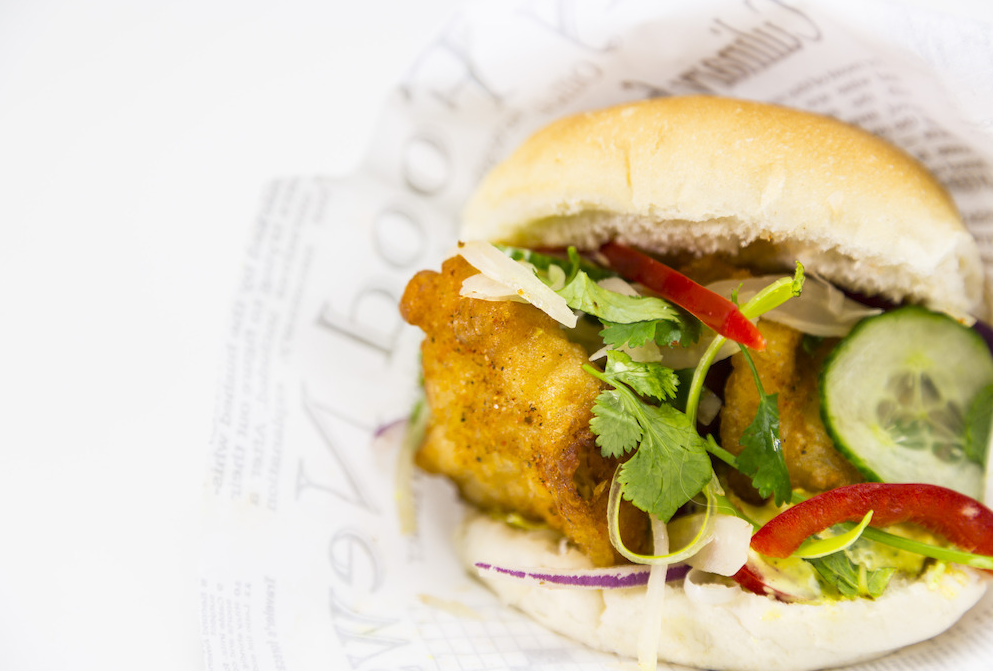
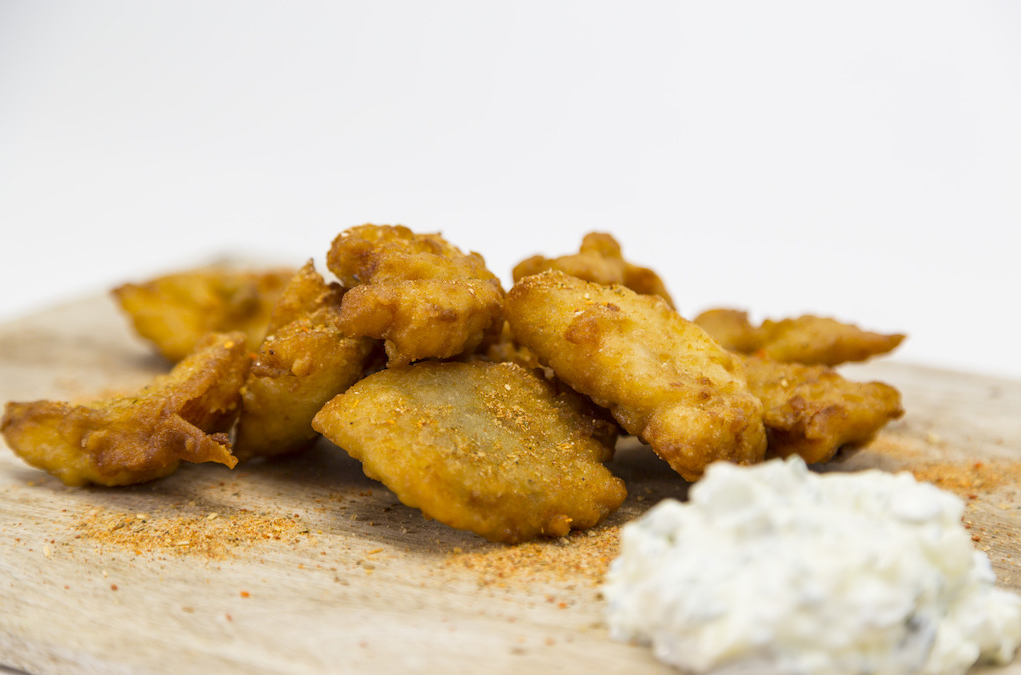
Food trucks are more popular than ever before!In Belgium, one of the pioneers of making food trucking more popular and getting them on lots of big events is ‘Jean sur mer’ aka Jan Kegels. Jean sur mer stands for fair, sustainable and seasonal fish dishes. One of THE classic dishes on their menu are the kibblings that I was fortunate enough to taste on multiple occasions and I enjoyed AAAAAAAAAAA lot.  Whoever says they don’t like comfort food are definitely lying 🙂

Jean sur mer Kibbling burger

FYI a kibbling is a piece of fish with a coating aka batter around it 🙂 Like the fish from fish&chips 🙂

Kibbling

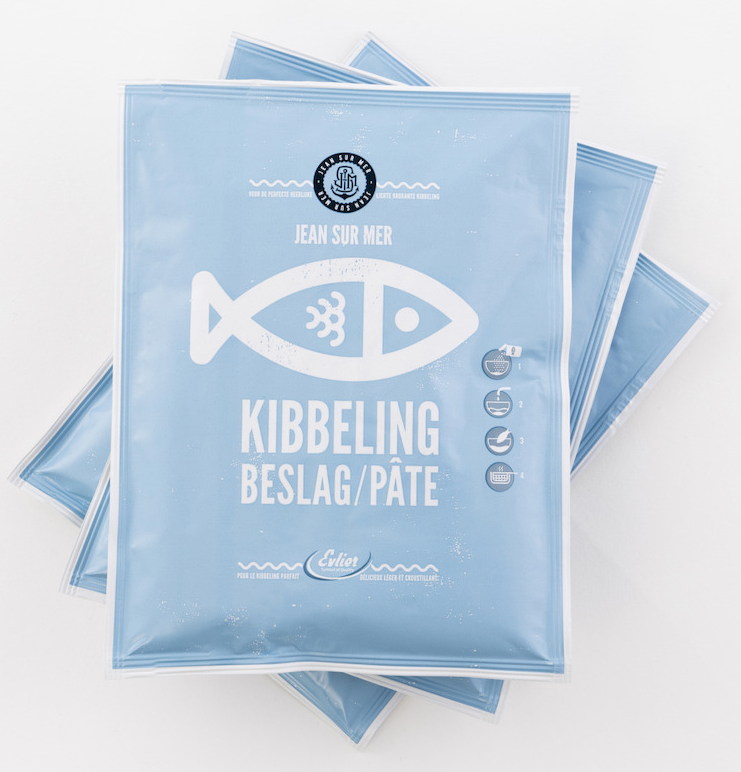
The only problem is that you don’t always have a food truck in the neighboorhoud to get you that comfort . For this problem our dear friends of Jean sur mer have found a solution!! Jean sur mer has launched his own kibbling batter that is available online via the Jean sur mer website or in one of the following shops:

  • Slagerij Gadisseur, Moeshofstraat 150 2170 Merskem,
  • Comptoir, Volkstraat 23 2000 Antwerpen,
  • Vishandel Delice, Bredabaan 291 2930 Brasschaat,
  • De Visbar, Bredabaan 314 2930 Brasschaat,
  • Hielkema Hengelsport, Ertbrandstraat 55 2950 Kapellen,
  • AD Delhaize Kapellen, Ertbrandstraat 209 2950 Kapellen,
  • Carrefour Express Mariaburg, St Antoniuslie 26 2930 Brasschaat,
  • Supermarkt Alhoceima, Galifortlei 10 2100 Deurne,
  • Deurnse vishandel , Plankenbergstraat 49 2100 Deurne,
  • Robbyfish, Fortbaan 68 2160 Wommelgem.

Batter

What is good about the ‘Jean sur mer’ batter is that you can use it either as batter to fry your fish in a fryer OR if like me you don’t have a fryer at home, you can use the batter (without adding liquid) to bread your fish and bake it in a regular pan… BTW this way of preparing  your fish is a good way to make your kids eat fish.

Anyhow so next time you’re craving there’s an easy solution to still that craving! I could have made pictures about how-to, but I’m sure the instruction film on the following link will be much more helpful 🙂


She’s worth it

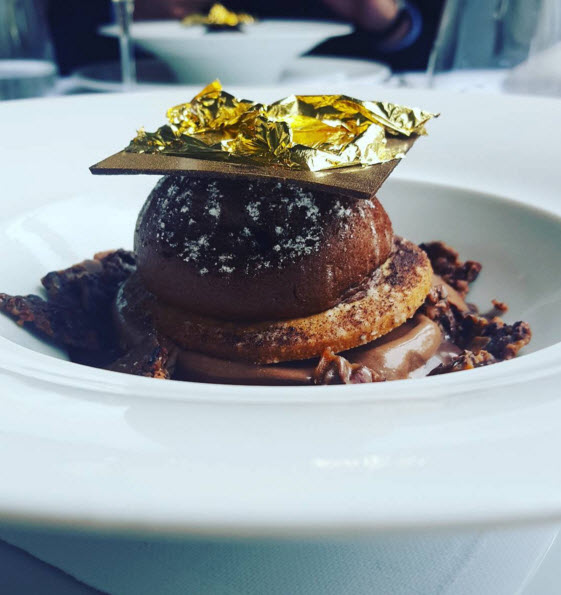
I love my wife enormously!! She has already been my rock already for almost 17 years and will keep being it for many years to come. Although she says I don’t need to take her to special  restaurants or places in general (read: “use the money for a bigger gift(s)”)… I do it anyway 🙂 Reason 1 because I like it myself going to great restaurants, reason 2 she just  deserves it!  I admit that I also do it because she sees me going to special restaurants on many occasions  with other people and I don’t want to have her think I don’t like to do this with her … For her birthday this year I absolutely wanted to take her to Chalet de la Forêt. “AGAIN” I hear you say?? Last time I was here the chocolate dessert I had was soooo amazing that it was something my chocolate addicted wife just HAD TO HAVE!! Luckily they still served the dessert.

Chocolate dessert

Another reason I like going to Chalet is because of my dear friend Cesar Roman. He always finds ways to surprise me during a meal. A great example about how Cesar is from a few years ago when he was still working at ‘Comme Chez Soi’ , he knew I was a big sherry fan, so he paired my whole meal with sherry’s …An amazing meal that I will always remember! This time for my wife’s birthday it wasn’t any different!  Not that I had doubts that this time the quality or standards would be less than the other times. I was however curious how the experience would be now I wasn’t there with a winemaker or for an event. Curious to see in what way Cesar will be surprising me this time. Wine wise that is. When I was there with winemakers they obviously serve that winemakers’ wine.  I was also very interested to know why Cesar chose to serve certain wines with certain dishes or maybe the other way around maybe the chef made some dishes to go with a particular wine, now he had the liberty of choosing whatever he wants.

28-04-2016 20-25-22

As expected and just like the other times our afternoon at Chalet was perfect !! They have an eye for detail and try to make your time at their restaurant an unforgettable experience every single time you visit them. Chalet de la Forêt stands for high quality products prepared in a  ‘not too sophisticated’ way, but yet special. What I mean with that is that is still an understandable dish and you still know what you have a front of you.

28-04-2016 20-28-33

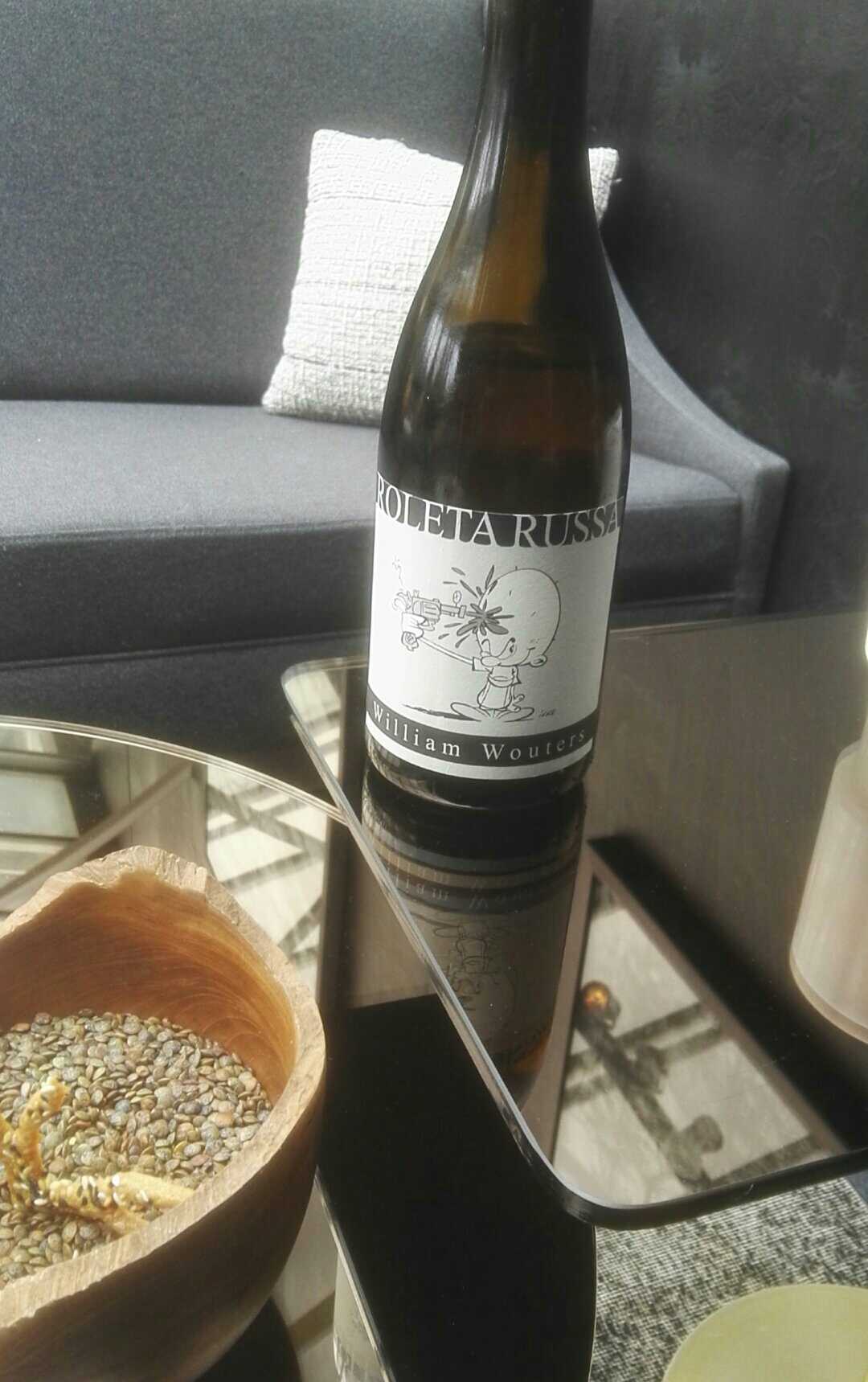
You can say  without exaggeration that you get spoiled at Chalet de la Forêt! When you enter you take place in one of the comfortable armchairs or couches and before we even decided what we would eating  we were already served an assortment of appetizers. It speaks for itself that we were served an appropriate drink to go with those appetizers and that’s where Cesar came into the game 🙂  We are no difficult people, my wife likes bubbles and for me the type of wine doesn’t matter that much as long as it is good…For my wife Cesar had chose a zero dosage Champagne from the Drappier vineyard.  Zero dosage basically means there is no sugar added to the champagne or better to the wine before the bubbles are formed in the bottle. The fact that they don’t add sugar makes it a very unique product where the nature (even more then with ‘regular’ champagnes) is the main actor or better the quality of your grape the most important factor as you don’t “camouflage” it by adding sugar.  For Cesar this seemed like the perfect and  subtle way to start our afternoon. For me on the other hand Cesar had foreseen  a glass of the first wine made by our mutual friend William Wouters named  Roleta Russa (Russian roulette) :-). William actually made this wine as he wanted to find out what it would be like to make a wine without the help of his wine making wife (Filipa Pato). Compliments to my dear friend and mentor, if this was only a test I’m looking forward when he is out of his test phase 🙂

Roleta Russa

Sitting in the armchairs and enjoying all the delicious bites only gave us the taste for more it felt a big like sitting in a theater where you are getting warmed up for the big show that is about to start  with a fireworks in the end 🙂

28-04-2016 20-27-49

When they asked us to move to our table, we expected to immediately start eating the dishes we ordered, but No sir, after cleaning our hands with warm towels (that always reminds of my dad doing funny things when they used to give warm towels at the end of a meal at a Chinese restaurant. Worst part of it all it that I could see me doing that with my kids when they get a bit older #weareourparents ) more appetizers followed. In my  case even with a very special pairing, namely with a very old Rotterdam juniper 🙂 distilled in an old school craftsmanship way  (so not using modern techniques or machinery  to make it). I didn’t drink my whole glass… as we were just getting started and it was a pretty strong juniper.

Juniper

For the menu itself I started with a suggested dish, hop shoots with home-smoked salmon and a perfectly poached egg. One of those dishes that you don’t care it is impolite to clean your plate with a piece of bread. I like hope shoots, too bad they are only around and available 3 weeks a year…to good things about them, is that when you see them on the menu you know spring is there and you can already smell the summer sun getting closer 🙂

dav

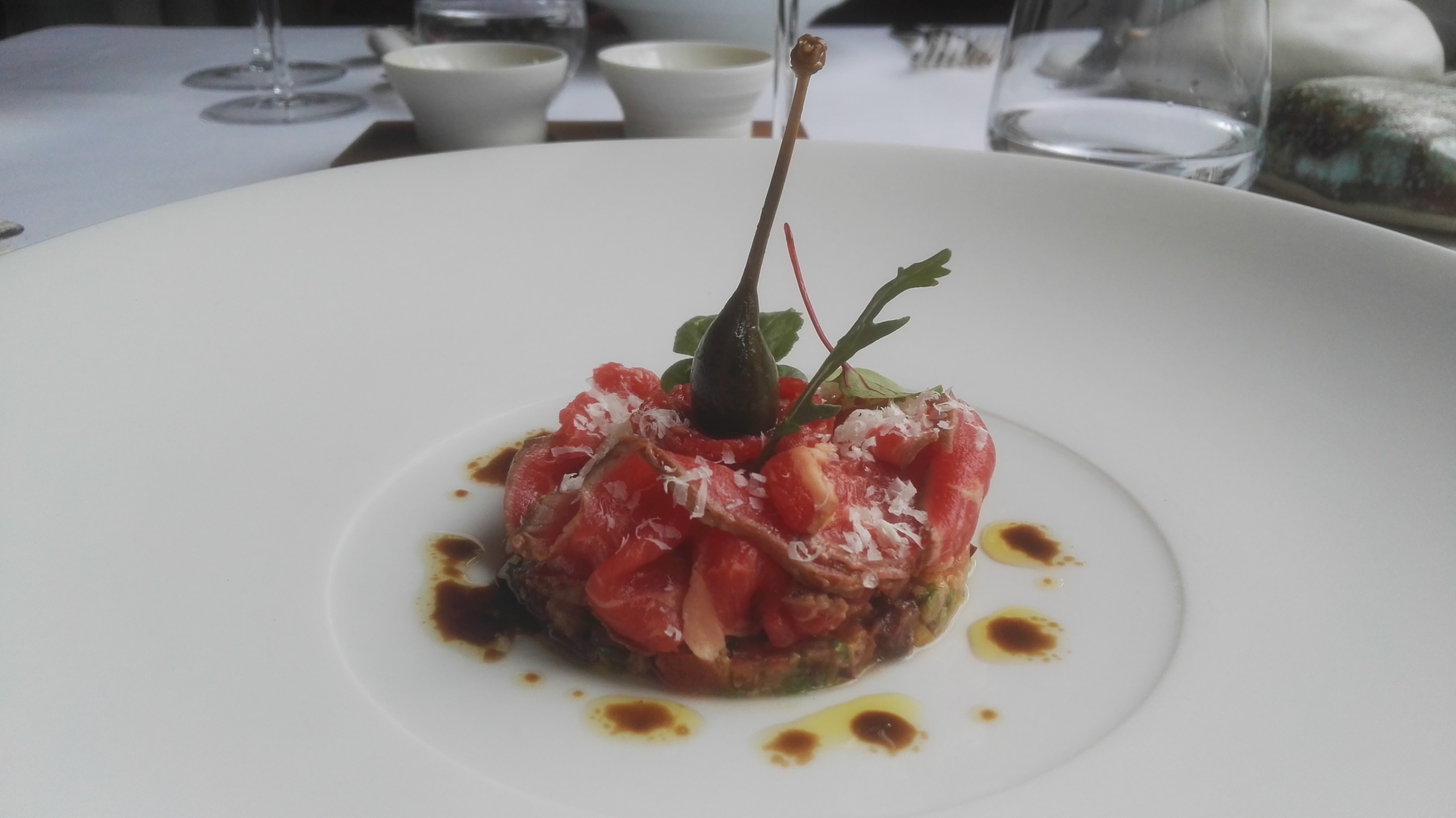
My wife opted for the first course from the menu itself, the Limousin beef Tataki with tomato aromas capers and old Balsamic vinegar  (I could see a slightly jealous look on her face once I got my plate 😉 ) Again here we were in Cesar’s  hands to find us the perfect pairing. For my wife again some bubbles (she just can’t get enough of it) and for me whatever he had to offer;-)

Limousin

For my wife he brought a glass of La Closerie les Beguines extra Brut champagne which is a different one then the one she had with the appetizers. This champagne was also served in a regular white wineglass instead of a champagne glass to bring out more the wine behind the bubbles and gives you the chance to explore the complexity of the champagne. I know to some people it might seem funny that top sommeliers like Cesar take a lot of time to find the perfect glass to serve a particular  wine or drink… but I dare you to try yourself serving the same wine in a few different glasses. You’ll be astonished the world of difference in flavors depending on the glass you’ll be exploring!!  The reason for Cesar choosing  a different champagne, is  because with the Limousin tartar you need something slightly stronger, the zero dosage wouldn’t be at its proper place here.

La Closerie les Beguines

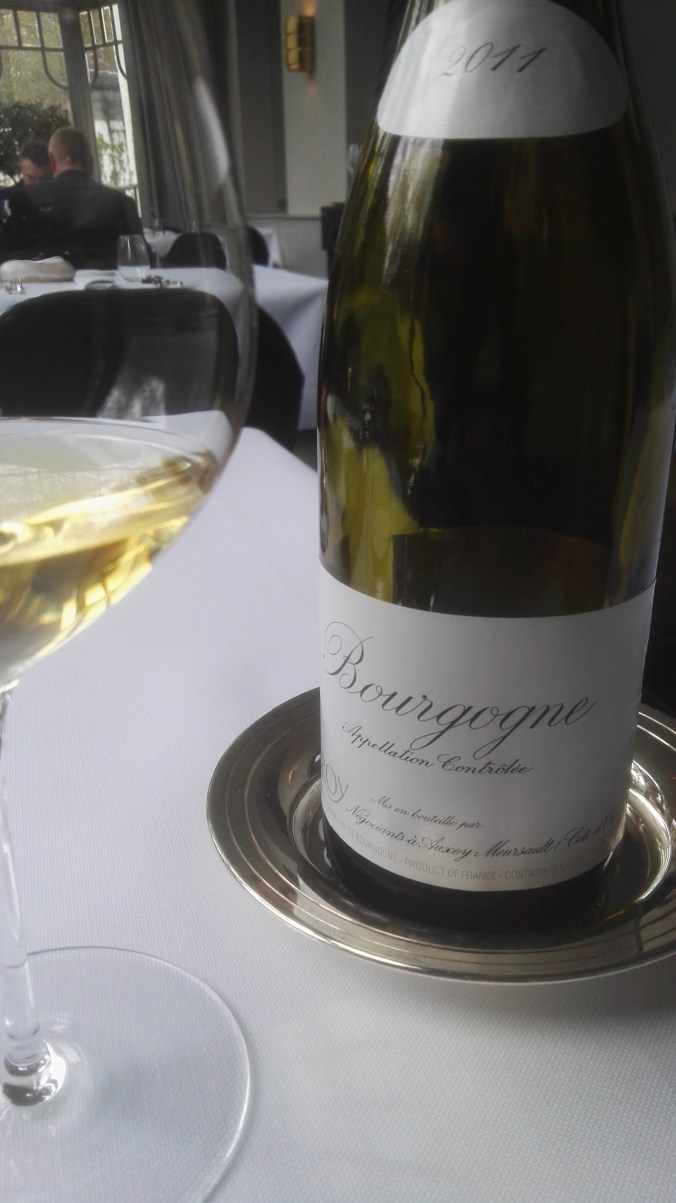
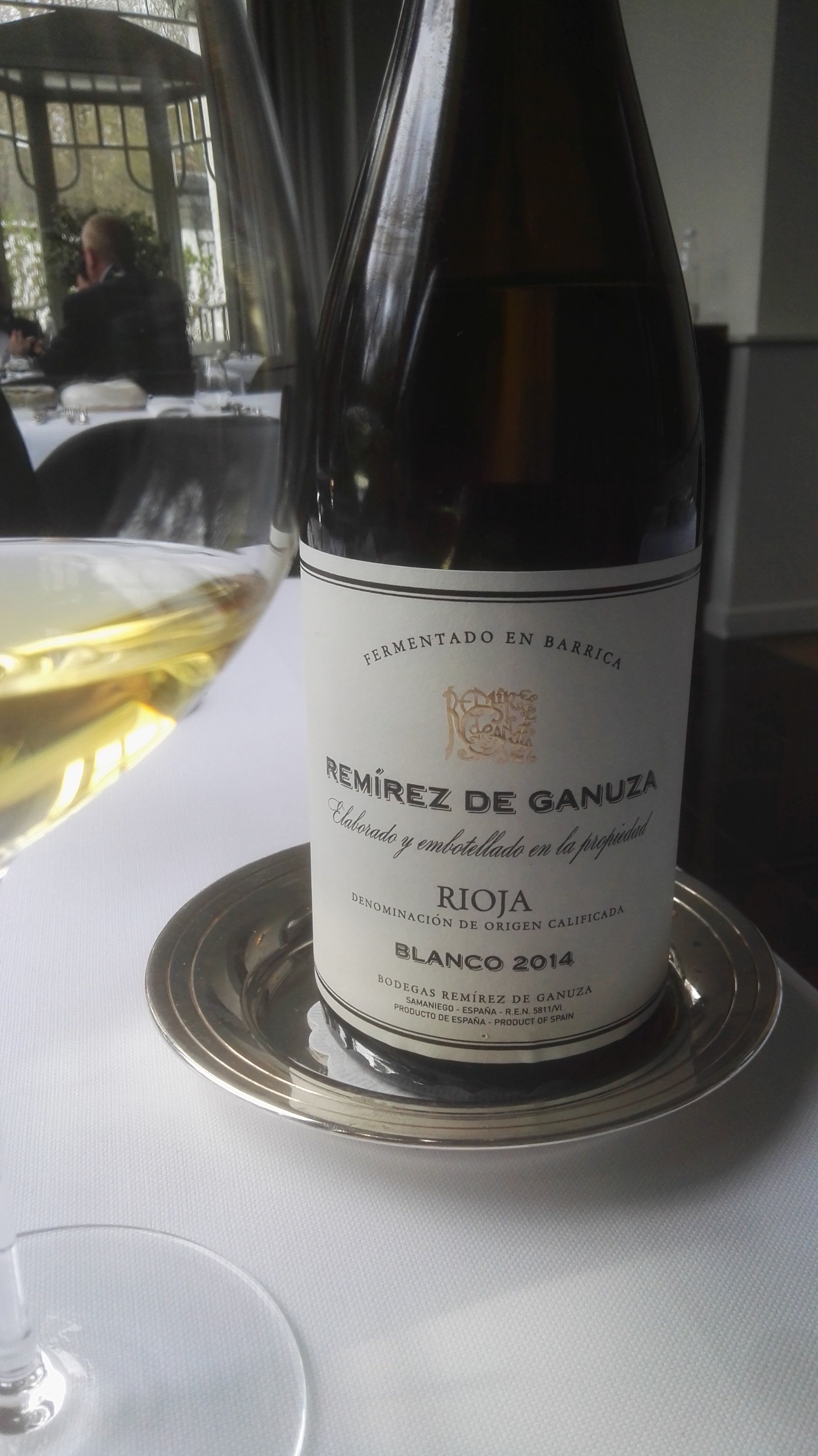
For with my dish Cesar wanted me not to try 1, but 2 wines that according to him worked very well with the dish. 2 great wines I must say. The First one was a rather ‘classic’ wine, a 2011 Bourgogne Village (chardonnay) from the Leroy vineyard ( is considered as one of the best red Burgundy winemakers). In Burgundy the “Village” wines might be considered as the ‘simple’ wines, but it is at this level where a winemaker can actually show his  talent as this is mostly the entry level by lots of people… if one likes the simpler wines, the step towards the more complex big brothers is easier made.  The second wine was maybe the biggest surprise, a 2014 white Rioja wine which is a Malvasia grape blend? I honestly didn’t know Rioja made such good white wines.. which also the reason why Cesar served it 🙂 Even though the 2014 Rioja Blanco is relatively young it already has the complexity of a good Bourgogne or Rhône wine.  I think that this comes because of the fact the grapes are grown on 80 year old vines, the high location of the vines and the the wine ages for 12months on new French oak. A very impressive wine, no wonder it has been chosen as best Spanish white wine! This also shows that the Rioja Region can make more then only  good red wines. Wines like this ask for a moment of silence if you ask me (which is something very hard for me to do)

dav

Bourgogne

dav

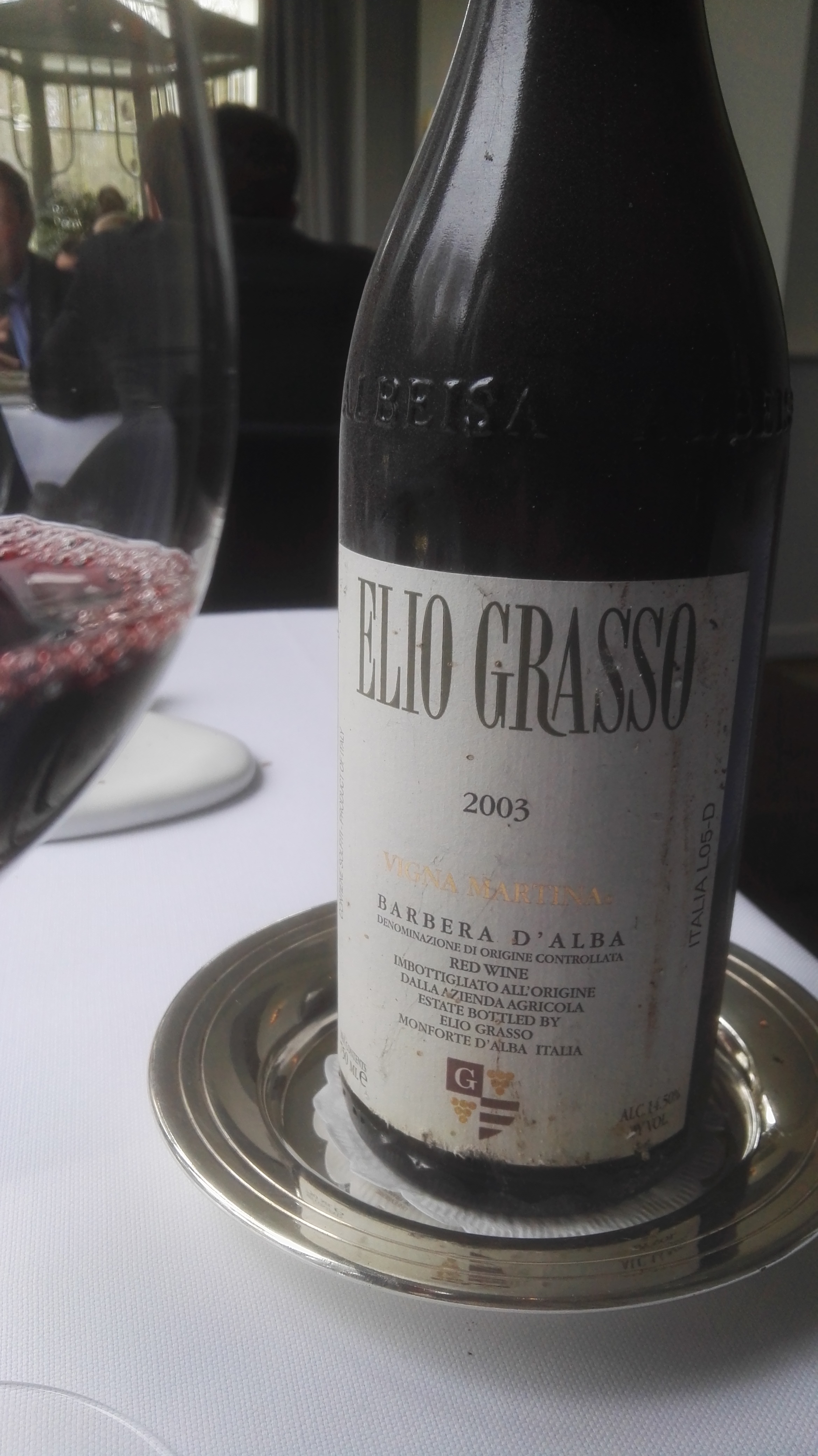
For with our main course, the duck, our dear friend had foreseen a 2003 Barbera d’alba from the  Elio Grasso. A winemaker that strives for harmonious and balanced wines, something I totally agree with when you taste this wine. I’m very impressed however with the long finish this wine has with beautiful notes of cassis and licorice… so if you’re a dark red fruit lover I’m sure you’ll like this wine just like me. If I must give a comment, for a Barbera it is softer then other Barbera’s I’ve tasted, but nevertheless a celebration together with the duck.

Elio Grasso

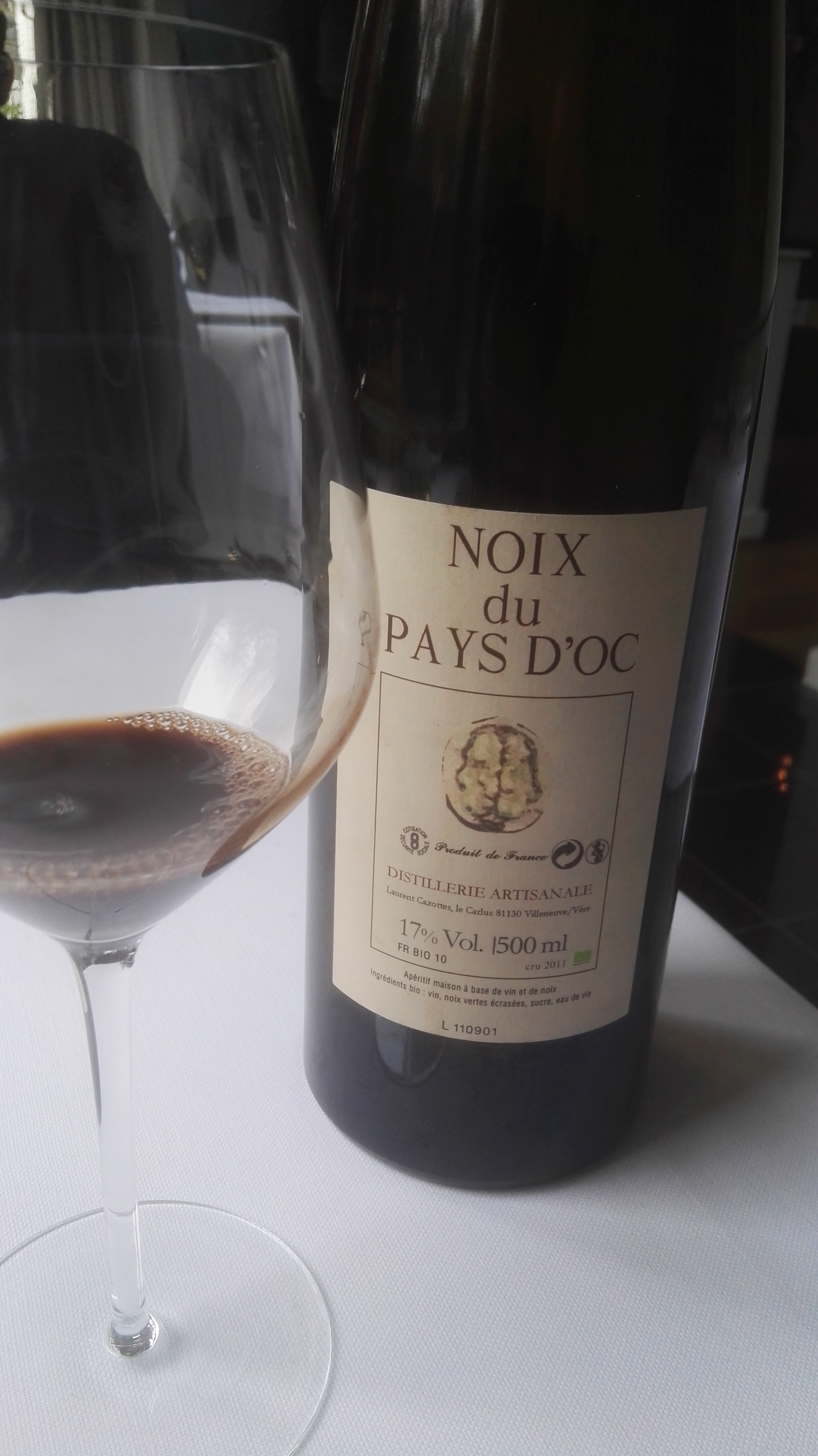
Le moment suprême, the chocolate dessert (that we got after a asparagus based pre-dessert).! I think my wife is still dreaming about this dessert! A mixture of warm and cold chocolate of different texture with if I’m correct some caramel undertones that makes every bit a pleasure and a moment in heaven. Last night my wife even asked me if they don’t do take out of this dessert 😉 (it might sound like a joke, but she doesn’t joke about chocolate 🙂 ) . With this Cesar served a French ‘Noix du pays d’OC’, a bio-dynamic distilled drink based on wine that is made with the noblest part of the fruit. You get the sensation of a higher alcoholic drink, but the affinity of a low alcohol liquor that only has a 17% alcohol percentage. A nose filled with nuts like almonds, pecan nuts with a little freshness of bergamot and I remember the scent of a brioche (bread).  The taste from the Noix reminded me a lot like a sherry finishing with a pleasant caramel like aftertaste.

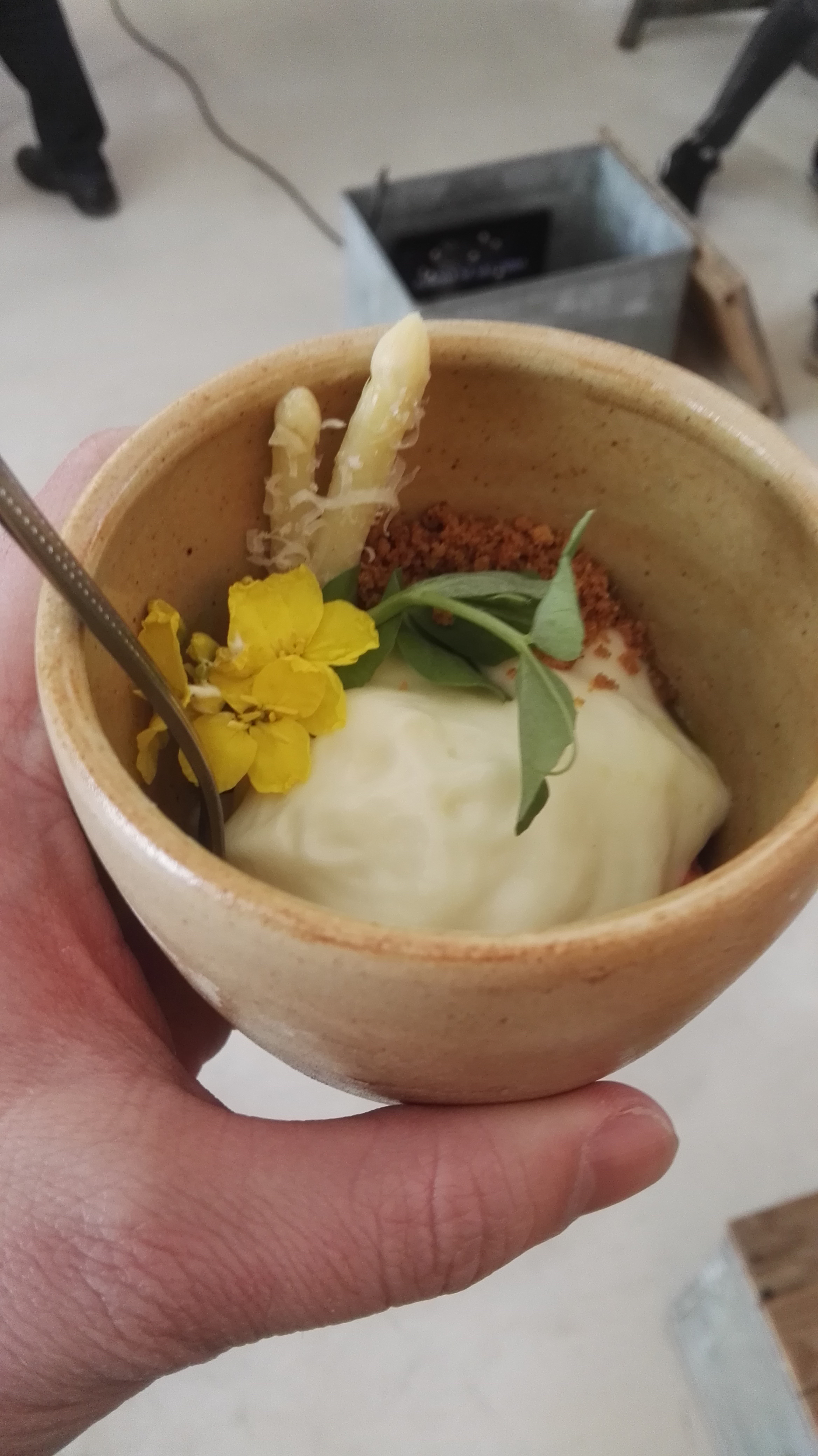
Asparagus pre dessert

Chocolate dessert  Noix du Pays d'oc

A birthday wouldn’t be a birthday without a candle… I think Cesar found about my wife’s birthday via FB as I didn’t tell him or anybody at the restaurant… but I could clearly see my wife was very happy with the fact they did something 🙂

My wife

To end out meal a cup of Arabica coffee blend from Antigua & Guatemala beans and how else, a table full of sweets, cakes, chocolates, etc…

Full and very satisfied we return home and can’t wait for our next Chalet experience and Cesar’s surprises!!