Luis Pato

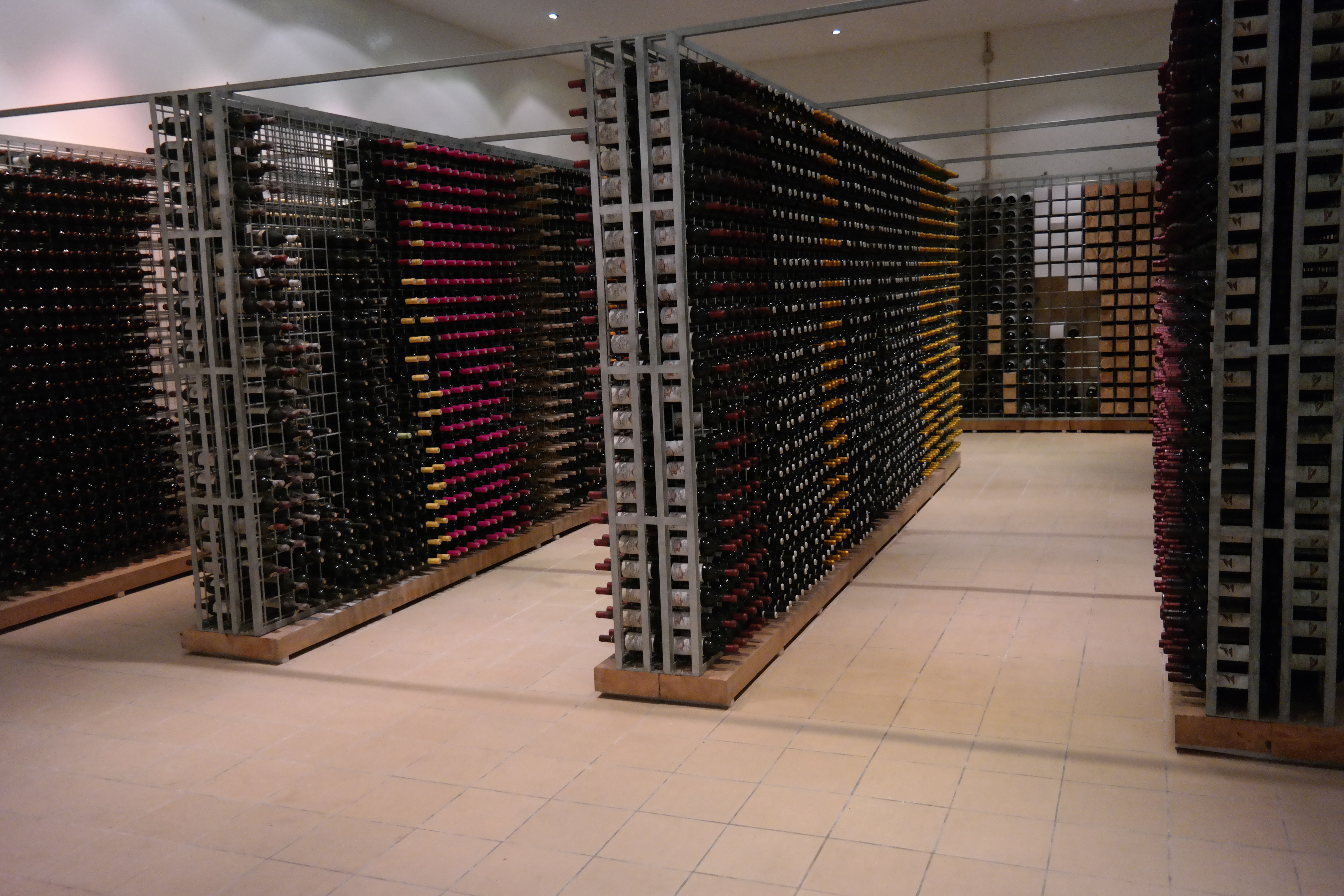
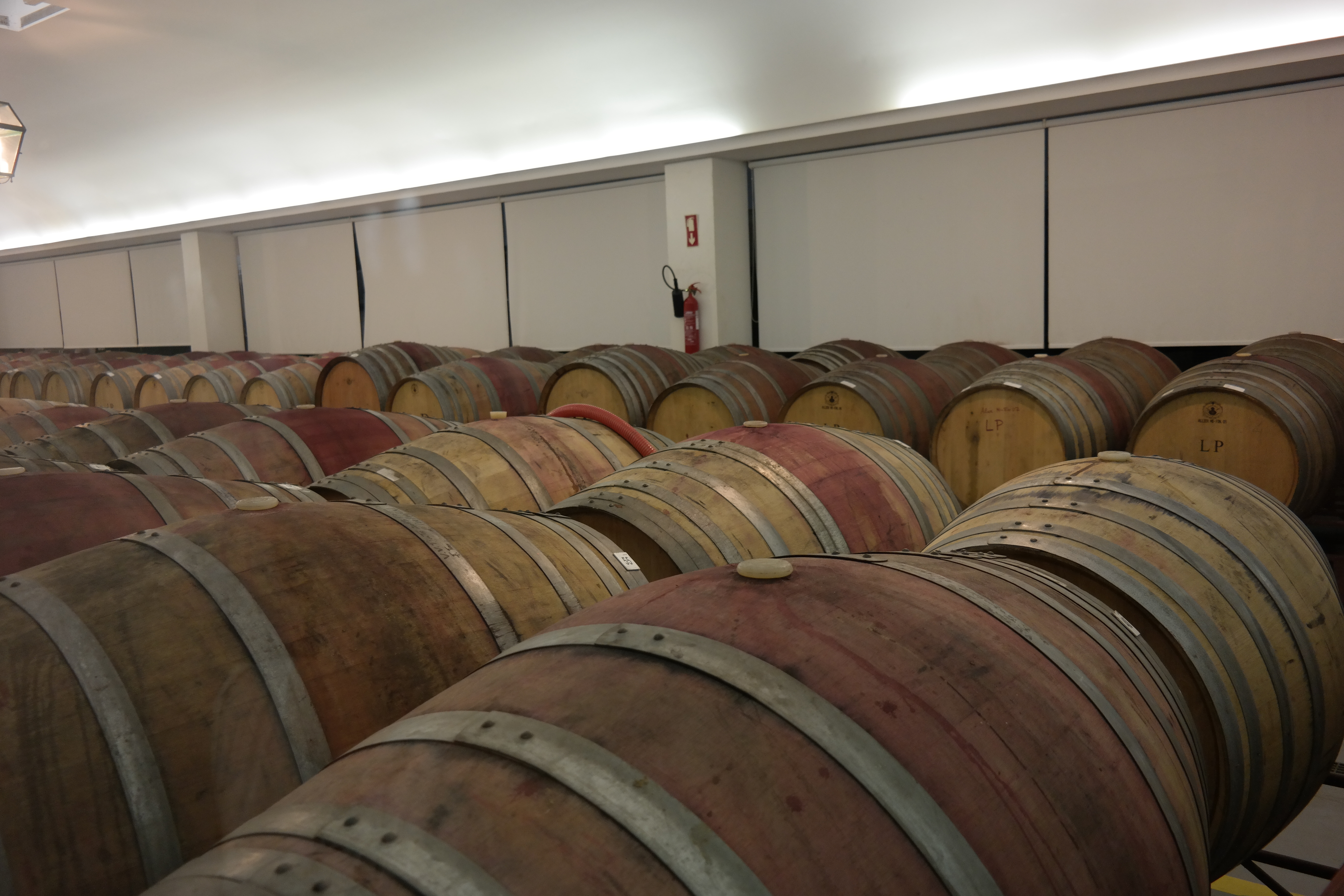
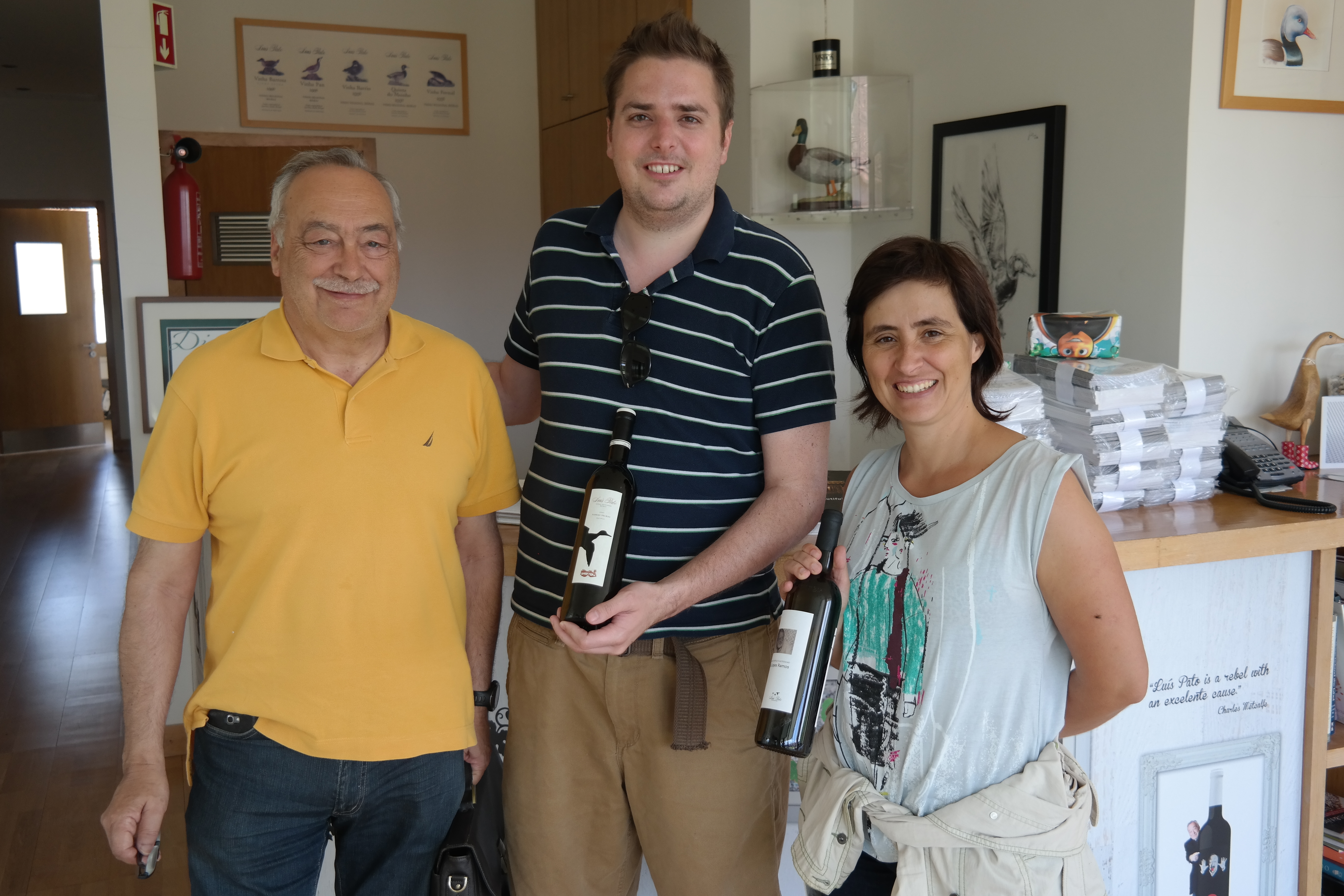
Before I continue talking about the rest of our Portugal trip I do want to say a few words about Luis PatoLuis Pato is the 4th generation of wine making  Pato family, who took over the family business from his father around the 1980’s. Luis Pato is a true legend in Portugal as he has had a very big impact  on Barraida wines (or Beiras wines as he prefers calling them) or maybe even wines from all over  Portugal… I think an addition of the words modernizer and innovator might be at its place here, as that is what he was/is for Portuguese wines. One of the biggest breaks with tradition was the changing from chestnut barrels to French oak and the usage of modern techniques like working with stainless steel vats. This innovation is a big step forward to be able to control the temperatures at which you want to do the fermentation and therefore also have a better control of the quality of your finished-product.

The words you are looking for are “cool” or “Wow, I didn’t know that “ 🙂 no just kidding, I know this might seem like a minor change, but I can guaranty you it wasn’t! I love talking to people  like Luis Pato who have passion for what they do!  The signs of knowing if people are doing their job with passion is for example the sparkle in their eyes when they are talking about it and when they are able to transmit this sparkle to you.. Also their drive on always wanting to make something new, to learn and experiment and trying to do “better” than the last time…

Luis Pato 7

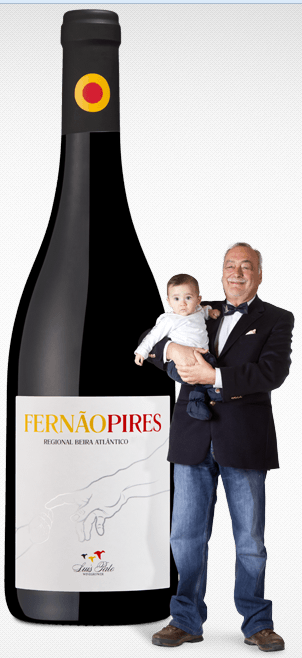
FYI the reason Luis is holding a duck, is because Pato means duck in Portuguese 🙂

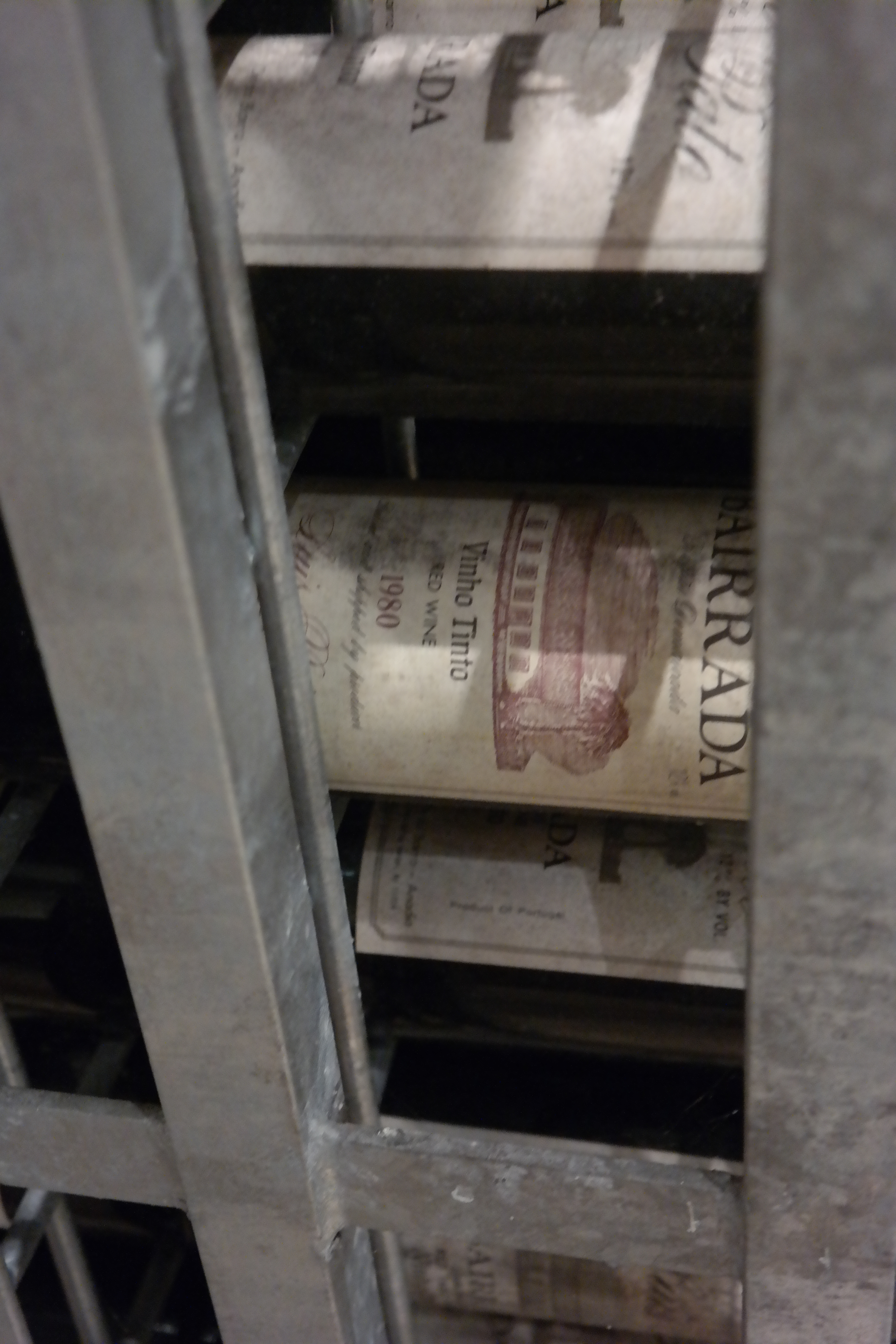
At one side Luis broke with tradition by using new ‘more modern’ ways of making wine, but on the other hand he did embrace the “tradition” of only using only local and sometimes even forgotten grape varieties. A big surprise at that time was Luis putting a big focus on the “Baga” grape that until than had a reputation of producing harsh red wines that are not drinkable at young age and therefore need to age to mellow and lighten their flavors. This was before our dear friend Luis came along (for some reason I hearing the Superman tune in my head right now 😉 ). Luis Pato showed everybody Baga deserved more respect! I FYI Baga has similarities with the Italian Nebbiolo grape, and it can even approach the elegance of riper Pinot Noir vintages. To make long story shorter, it all went well and now thanks to Luis Pato (who influenced lots of winemakers on  to also start doing this, now known as Baga friends) Baga wines are now know over the whole world and finally gets the recognition it always deserved! I had one sip of the 2001 Vinhas Velhas and was sold 🙂 (all the wines that followed just confirmed my first thought and feeling)

SAMSUNG CSC

SAMSUNG CSC

SAMSUNG CSC

SAMSUNG CSC

SAMSUNG CSC

SAMSUNG CSC

SAMSUNG CSC

What I think is the biggest reward for somebody like Luis, is the recognition and the fact that winemakers from other regions in Portugal started to ask Luis’ help on improving their wine making and in that way also contributing in showing the world that Portugal is not just that country right next to Spain! Something I do hope to be part of one day is to one of Luis Pato’s famous signature lunches, where famous national and international chefs try to find the perfect dishes to serve with the Pato wines… 😉

SAMSUNG CSC

Luis Pato’s future  is also being covert, as not only Filipa, but also his other 2 daughters Luisa (who is also doing a very good job in making very nice olive oil) and Maria João help a hand in the wine making. And who knows maybe Fernao or Kiko (Filipa’s children)will be covering the 6th generation  and get bitten by the same wine loving bugs as his all their ancestors… I do hope so! Luis did already make a wine to celebrate the birth of his grandson Ferñao 🙂

Fernao

Find the whole Luis Pato wine assortment of wines on the following link

Authentic wines without make-up: Filipa Pato

Time to talk vineyard 🙂 finally getting to my part of the deal 😉 (She got her beach time). As I mentioned before, Barraida has another thing it is famous for (not as famous yet as they should be, but they’re getting there) and that’s for their wines… Baga wines to be more precise. Just like for tourism Portugal is often forgotten as a wine country (besides may be for its Porto and Mateus wine) sad enough… but thanks to my blogpost this will change 🙂 🙂

My love for Portuguese wines and interest to travel Portgual all started with the Filipa Pato wines (and William Wouters). NO, I’m not saying this to suck up, it’s just a fact!! I’m sure you all also read my old blogpost about my diner with Filipa Pato wines? I’m not sure when I first tried Filipa’s wines, but of 1 thing I’m sure and that is that I tried at the Pazzo winebar.

Filipa Pato

FYI it must also be said that if it weren’t for Filipa and William (her husband) our Portugal trip would have had worse food 😉

IMG_20140619_074115

What I admire about Filipa Pato aka daughter of legendary Portugese winemarker Luis Pato (I’ll talk more about him in a next blogpost)is that even though she could have easily just joined her father’s wine estate, she chose to first go and find her own way (with obviously from time to time some valuable advice from her father)… which after around 13 years results in that people are not referring to Filipa as “daughter from”, but to Luis as “father from” 🙂 :-). As you can find her wines from Belgium, to Brazil, to Japan and to god knows where… (here a list of the global distributors 🙂 )

SAMSUNG CSC

Making wine runs through Filipa’s veins , wine making in the Pato family already goes back for 5 generations (both at her mother’s side as her father’s side) which I think gave Filipa a solid background to build upon. A background she gets reminded of every day as her vineyard is right next to her father’s vineyard and grandmother’s house (a feisty 90 years old lady). A golden rule Filipa takes into account is respecting her Portuguese heritage. She does this by only using autochthon Portuguese/Barraida grapes with the goal making quality products (wine without make-up) showing the world Portugal’s greatness and know-how. A very important influencing factor was Filipa’s marriage to my dear friend Belgian top sommelier William Wouters (that’s right, from restaurant Pazzo). To say it in her own words “He introduced me to many different wines from regions I only knew from the books. He helped me opening up my horizons again to more wine and gastronomy.” But this influence works in both ways as I think William learned more about winemaking itself… he added the practical knowledge to the theoretic knowledge. Not only did this marriage lead to 2 adorable children, it also resulted in some great wines like Nossa :-).

20140620_122617 20140620_123154

SAMSUNG CSC SAMSUNG CSC

SAMSUNG CSC

SAMSUNG CSC

SAMSUNG CSC

SAMSUNG CSC

SAMSUNG CSC

SAMSUNG CSC

SAMSUNG CSC

The Barraida wine region is mostly known for its deep colored tannic full flavoured red wines (FYI they also make some nasty (positive sense of the word) white wines 🙂 ) that has got the highest wine labelling in Portugal aka DOC (Denominação de Origem Controlada) which means these wines can only be produced in this area/region. The wines in this region get mostly made with one (or a mix of) the following grape varieties: Baga, Borrado das Moscas, Castelao Frances, Fernao Pires, Rabo de Ovelha and Tinta Pinheira. With for me Baga as one of my favourites. A great added value to the region is the Barraida viticultural museum . Here you’ll learn all about the wine region’s history and winemaking and also find a huuuuuge collection of corkscrews. A very interesting museum that is worth a visit.

Vineyard map by Filipa Pato

The baga grape is also the red wire through the Filipa Pato wines. Besides the Nossa, the aim of Filipa is to make wine to drink and without make-up. With this I mean wine that you can immediately drink when buying the bottle and that doesn’t have to age to be at its best. For the Nossa this is a different story which is the vineyard’s TOP wine and is best to drink after aging a few more years. (I’m still trying not to open my Nossa’s I have at home, not easy). The fun part about making wine is the fact that besides making your ‘principal’ selection of wine, you also get to experiment trying to find a new wine. Choosing to either use old casks, new casks, Eastern Europe oak, Canadian oak, French oak, which grapes variety mixes, etc… an endless choice of varieties to be tested. For Filipa the last experiment lead to the creation of Espírito de Baga . Well Filipa, all the hard work was definitely worth it as it is a very nice and elegant wine and as I discovered a very good match with the roasted chicken we had and I talked to you about in my previous blogpost. And if she gets bored of making regular wines, she still has a line of Espumante that she can “play” with. I was surprised to see that in this region all wine estates have a very wide range of products, some white wine, red wine, espumante and sometimes also a sweeter wine… this way everybody will find something of his liking.

Espirito de Baga

I’d better stop talking as I getting carried away again by my enthusiasm. The last thing I’ll add is my curiosity for all the future wines Filipa and William will be making now that William decided to dedicate 100% ( of 99%) to winemaking and his family… but I’m sure it’ll be great. You guys rock my world!!

FIlipa & William by lopinion.fr

In case you guys also want to try Filipa Pato’s wines, check the list of distributors all over the world that will be able to tell you where you can find their wines. OOOOR if you are ever in Belgium you can always stop at the Pazzo winebar or restaurant where you’ll be able to taste all the Filipa Pato wines 🙂

Roadtrip with my dad: Abbazia Monte Oliveto

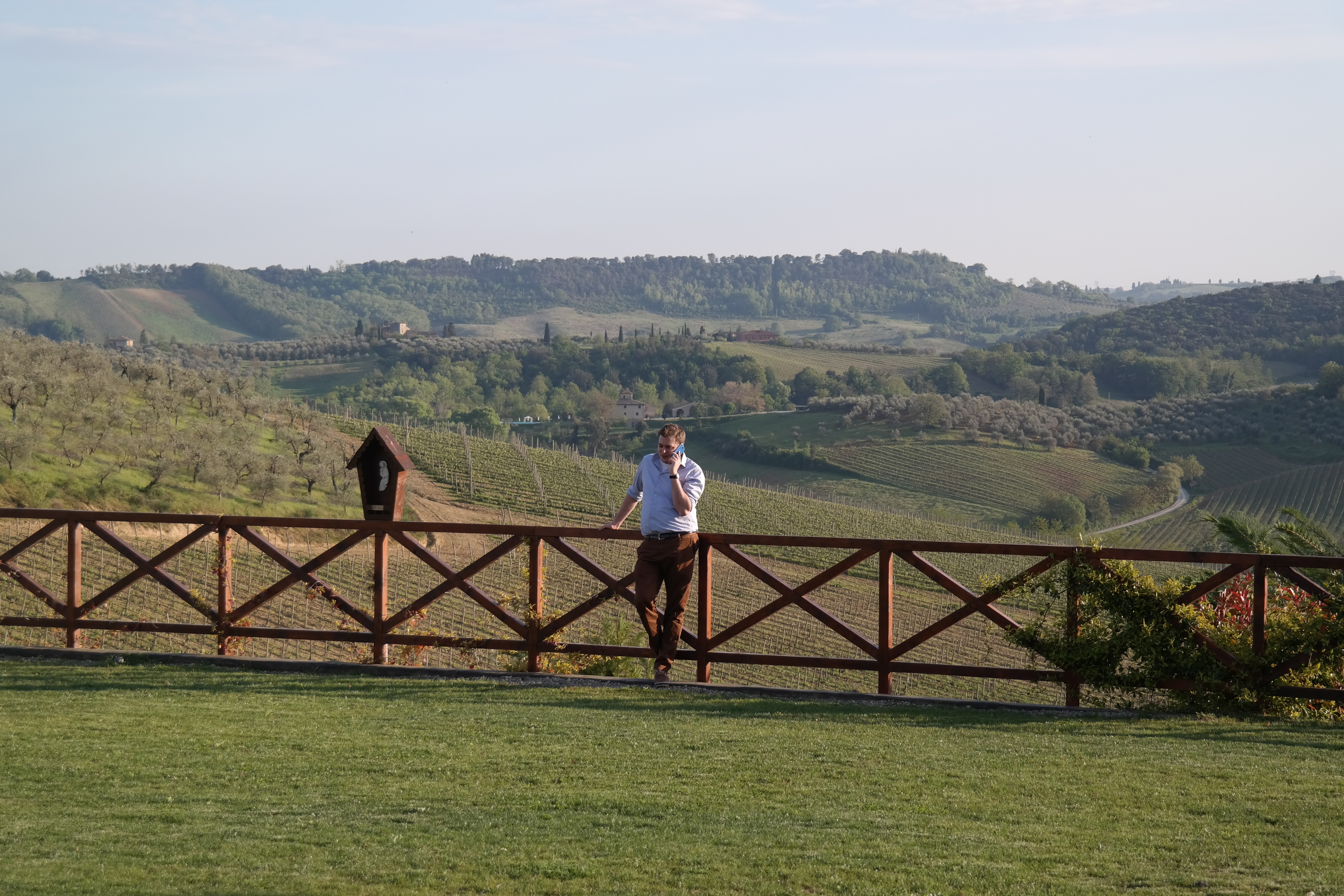
The last vineyard we did on our trip was Abbazia Monte Oliveto, which is just like Castello d’albola a vineyard of the Zonin group. Unlike most of the other vineyard the Zonin Family has, this is a much smaller estate where only produce 3 types of wine, 2 white ones and 1 red. I know I said Castello d’albola was beautiful, but although Abbazia monte Oliveto is much smaller it sure is a hidden treasure. At the front you have a view on the only a stone throw away charming mediaeval town San Gimignano (where I once met Danny Devitto 🙂 ) . And on the other side a spectacular view on beautiful typical Tuscany hills… I wouldn’t mind waking up with a view like this every morning (which would even be possible as they have 7 rooms )

 20140424_162243 

SAMSUNG CSC

20140424_161834

 SAMSUNG CSC

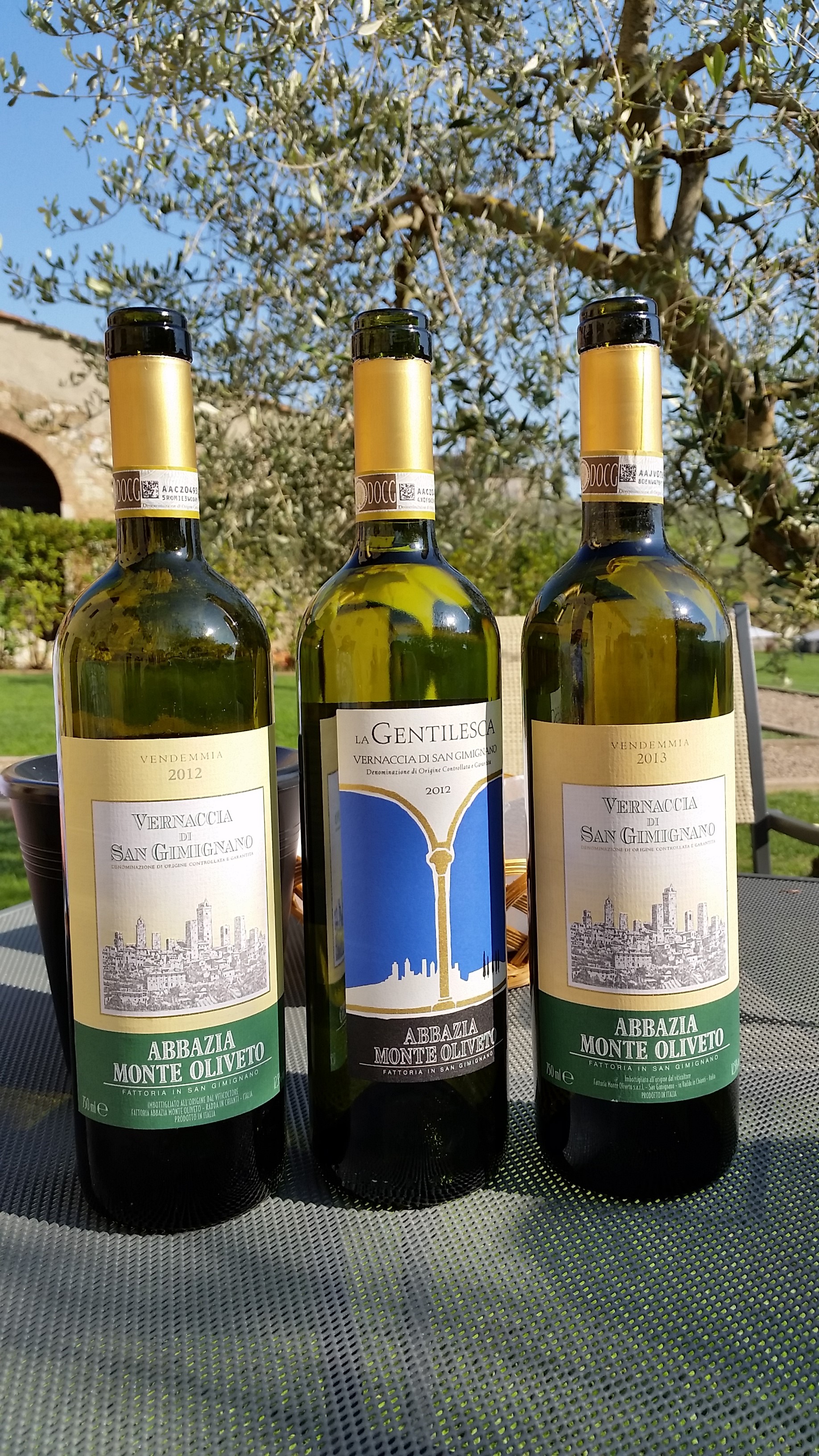
When I mention San Gimignano and wine in one sentence a few bells should start to ring. San Gimignano is famous (besides from being a charming but unfortunately very touristy little town right up a hill) for its white wines also known as Vernaccia di San Gimignano. What is typical about the Vernaccia di San Gimignano is its slightly more acidity than in usual white wines and maybe a bit of bitter aftertaste … this makes that it is not always an everyman’s friend. A Vernaccia di San Gimignano should also be drunk fairly young. Like for many wines also for the Vernaccia di San Gimignano there are also rules for making this type of wine. It must contain 90% Vernaccia grapes, with up to 10% other non aromatic approved white varieties. In addition for a “Riserva” the rules say it must have a minimum of twelve months of aging. BTW the reason I always stress out it is a “Vernaccia di San Gimignao” is because there are also other varieties of Vernaccia but that are a totally different thing: Vernaccia di Oristano (from Sardinia – sherry-like) and Vernaccia di Serrapetrona (from Le Marche – sparkeling red wine)….

Back to the “Abbey” which would be the English word for Abbazia. Abbazia Monte Oliveto is as I mentioned a rather small estate, with “only” 18hectares of land of which not all of it being covered by vines. Small is maybe not the right word as I’ve been told there are around 170 winemakers in San Gimignano and I’m sure the San Gimignano premises isn’t infinite 🙂 :-). I personally couldn’t have imagined a more relaxing afternoon than at Abbazia Monte Oliveto! Not that I was stressed or uncomfortable at the other ones, but not sure what made me (and my partners in crime) even more relaxed here?? Maybe it was the view over the hills in combination with tasting the nice wine and good company? Who knows… Abbazia Monte Oliveto only has 3 wines of which 2 are Vernaccia, Gentilesca and the Vernaccia di San Gimignano both made from 100% Vernaccia grapes with the biggest difference in the winemaking the Gentilesca being made from grapes from older vines… Their 3rd wine is a ‘Sangiovese in purezza’, so a red wine called Fusaia. From the 2 Vernaccia’s I’m not sure which one I preferred, but to me the Gentilesca seemed to be the “pure” one and the Vernaccia di San Gimignano the “fruitier” one.

20140424_170024

SAMSUNG CSC

The longer we were sitting there the better the wine became… I didn’t feel like standing up to go “home” (Hotel that is) anymore… I’m sure you know that feeling that you’re so comfortable that moving is out of the question?? Well that’s the feeling we had. I think Carlos was even in trance 🙂 (Although I definitely think it was the wine, hahaha) But can you blame him with such a view??

SAMSUNG CSC


SAMSUNG CSC

SAMSUNG CSC

SAMSUNG CSC

SAMSUNG CSC

SAMSUNG CSC

SAMSUNG CSC

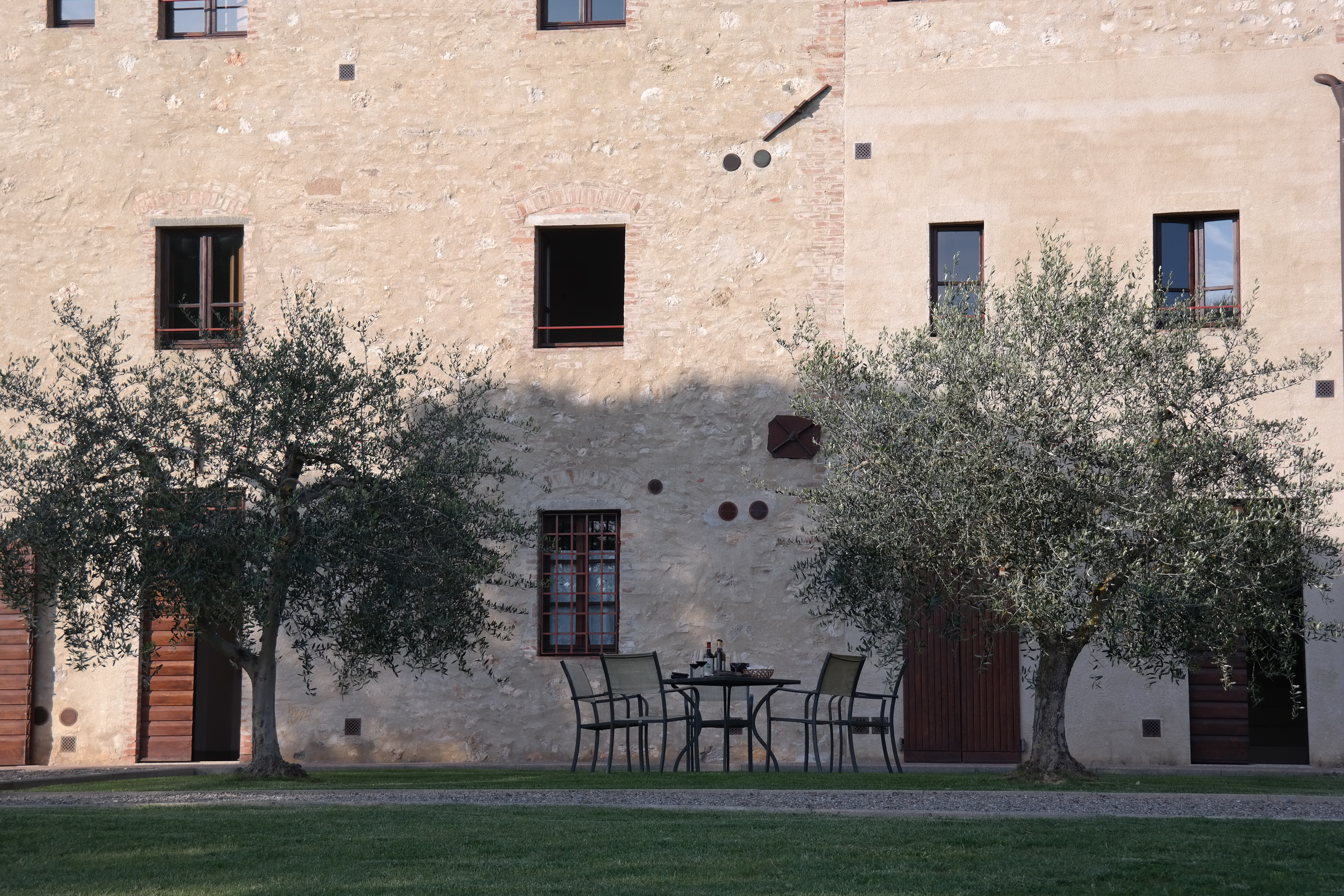
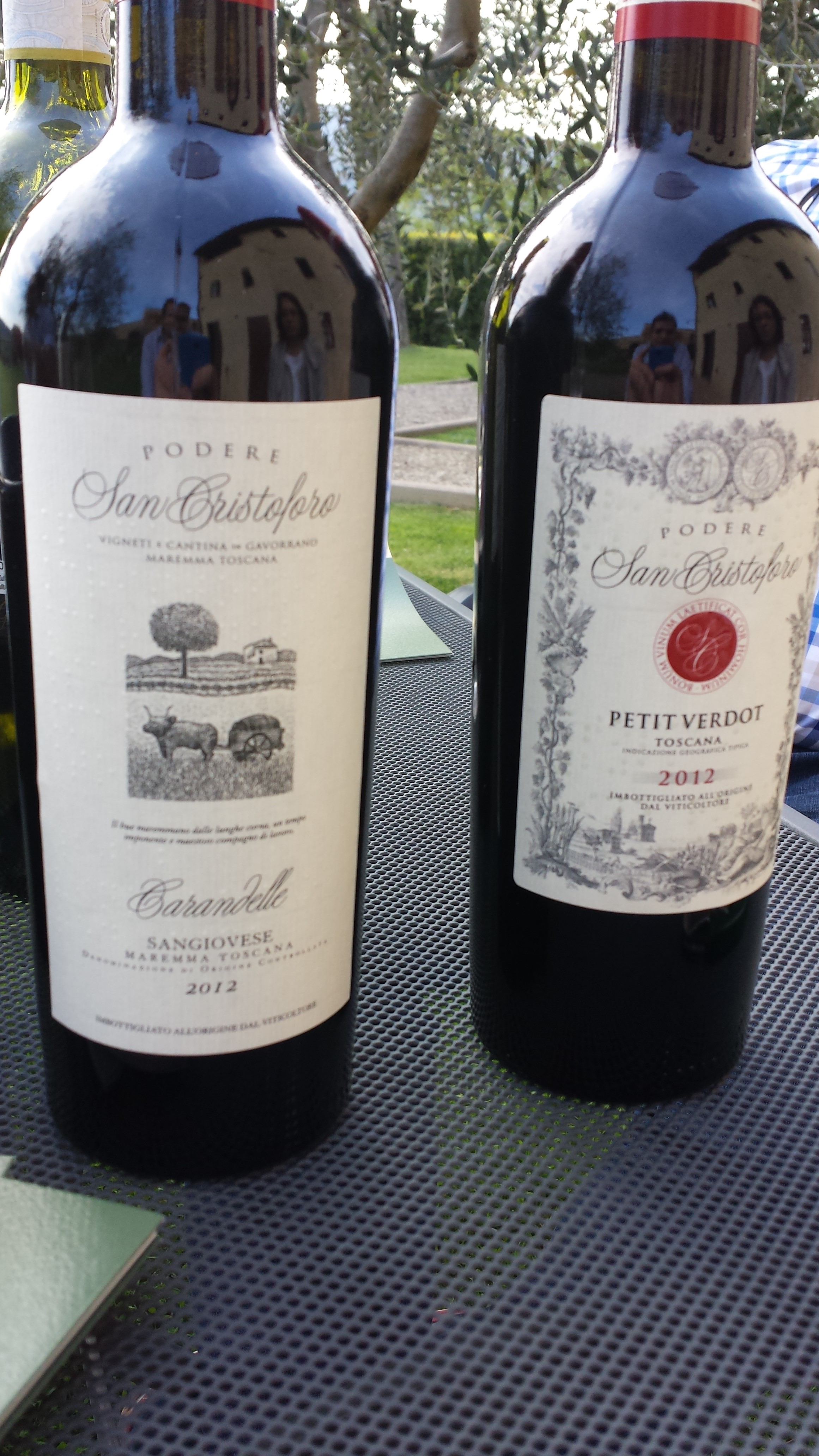
2 wines that I was also happy to taste on top of the Abbazia Monte Oliveto, were the wines from Podere San Cristoforo (no, no because it has my name in it) or as I call it “Lorenzo Zonin’s babies”… But I’ll talk about them more in detail another time, because I’ve been talking quit a lot about wines the last few posts). Ok, maybe just this, normally I don’t talk about the etiquette (I normally only focus what is on the inside), but for this one I just have to make an exception as it was entirely covered with Braille “writing” besides normal words… very special ! Obviously the bottle content was also of my liking…

20140424_174801

Moral of my Abbazia Monte Oliveto story, definitely a place to visit and wines to try.

SAMSUNG CSC

To be continued… (I promise no more wine talk 😉 )

Roadtrip with my dad: Castello d’albola

During our Tuscany trip we crossed and driven on lots of beautiful country roads, which is definitely one the reasons one should visit Tuscany (or Umbria, Lazio, or any other region in Italy)… if you miss this you’ve missed part of the Tuscany vibe to my opinion. One of the most beautiful and relaxing drives (it felt a bit like being in one of those car commercials) ,even as the driver during this trip, was towards the next vineyard we were about to visit, Castello d’albola one of the Zonin group vineyards. Arriving at Castello d’albola is as magical as driving on the roads to get there… As new as Fattoria Fibbiano was as old is Castello d’albola as it already originates from the 15th century, but only got bought by the Zonin Family in 1979. (if you want to know more about the history) The estate covers around 900 hectares of land or 900 football fields 🙂  of which 150 have vineyards on them and the rest is mostly covered with olive threes which gives you the most beautiful panoramic views. Maybe some pictures help you to convince how beautiful it is up there?? (Admitted the sunny weather made it even better)

Castello d'albola estate

SAMSUNG CSC

SAMSUNG CSC

SAMSUNG CSC

Castello abola 35

Castello abola 20

Castello abola 16

Castello abola 6

20140424_114649

SAMSUNG CSC

SAMSUNG CSC

What I forgot to mention is that Castello d’albola is located just out of the “downtown” of Radda in Chianti one of the few towns where the production of Chianti is allowed. Maybe the first question I should ask you is what do you actually know about Chianti besides it being from Tuscany? When I say Chianti I’m not talking about the “Fiasco”, but about the Chianti Classico and Superiore. The Chianti Classico (can be recognised with the black rooster label on the bottle) and Chiant Superiore can only be produced with grapes from in Castellina in Chianti (SI), Gaiole in Chianti (SI), Greve in Chianti (FI) and Radda in Chianti (SI) and a few little towns on their borders also called sub-zones (for the Superiore grapes cannot come from the border towns). On top of the limitations on the “grape areas” there are also strict rules on the kinds of grapes that can be used to make the wine and aging rules (just like you would have rules for making Champagne, Barolo,…). A Chianti can only be called Chianti when a minimum of 80% of Sangiovese grapes are used to make the wine and if mixed with other grapes (so the remaining 20%), these grapes have to be on the list of allowed grapes like Canaiolo for example. The reason why some winemakers will be mixing Sangiovese with othere grapes is to soften the wines as the Sangiovese grape is a very strong grape with lots of tannins… The aging time must be a minimum of 7 months. I could go on talking about Chianti, but maybe this would bore you and it would take me too much off track about the actual trip 🙂

Black rooster

I do want to add one more thing. Although most wine estates will like making Chianti wine out of respect for tradition, but most estates will mostly also be making a (super) Toscana IGT where the rules are less strict and a winemaker can let himself go and be creative and show how good he actually is…

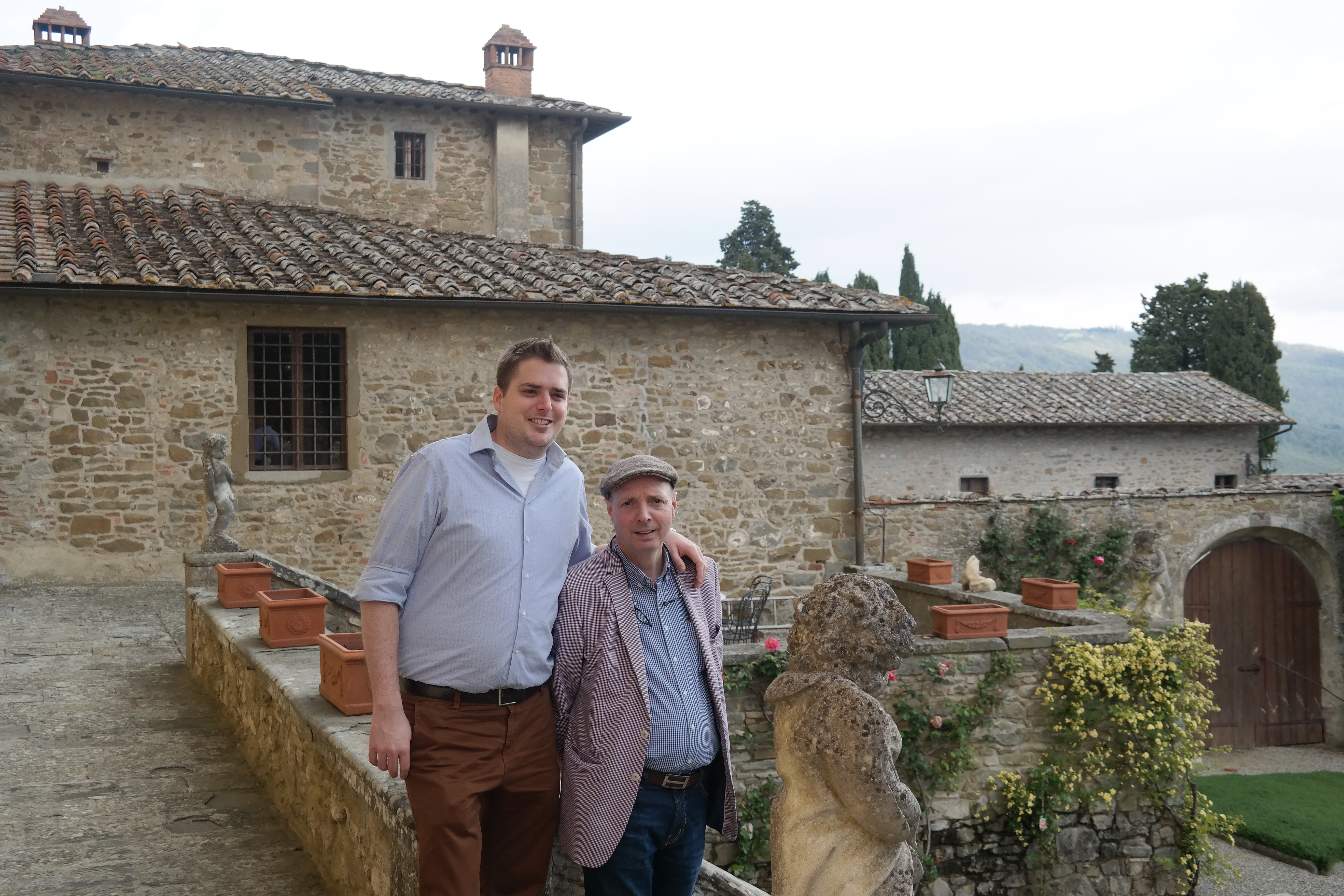
It was nice walking around the Castello d’albola’s vineyard as you can feel the history it carries around, somehow it feels like you are going back in time (but then with modern lightning and other features as a bonus) and as like it was meant to be a few motorbikes from 1915 (so from during WO I) were standing on the parking of the estate (they were from other people visiting the vineyard) … so the historical feel was even bigger. It is just unbelievable how thick the walls are from historical buildings like Castello d’albola and how isolating they are (how the keep the right temperature inside). Castello d’albola is worth the visit when you’re visit Tuscany.

20140424_121023

SAMSUNG CSC

SAMSUNG CSC

SAMSUNG CSC

SAMSUNG CSC

SAMSUNG CSC 

SAMSUNG CSC

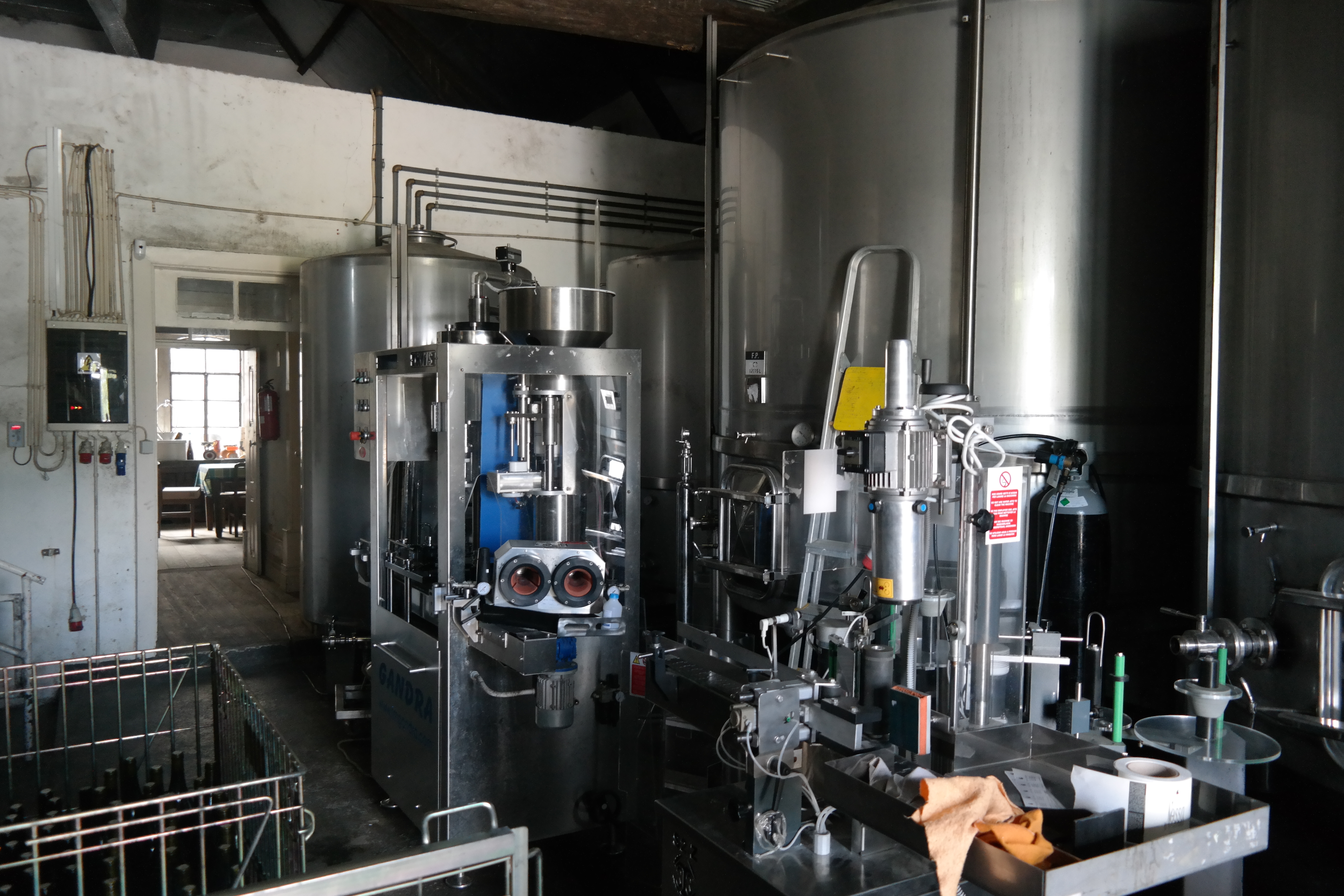
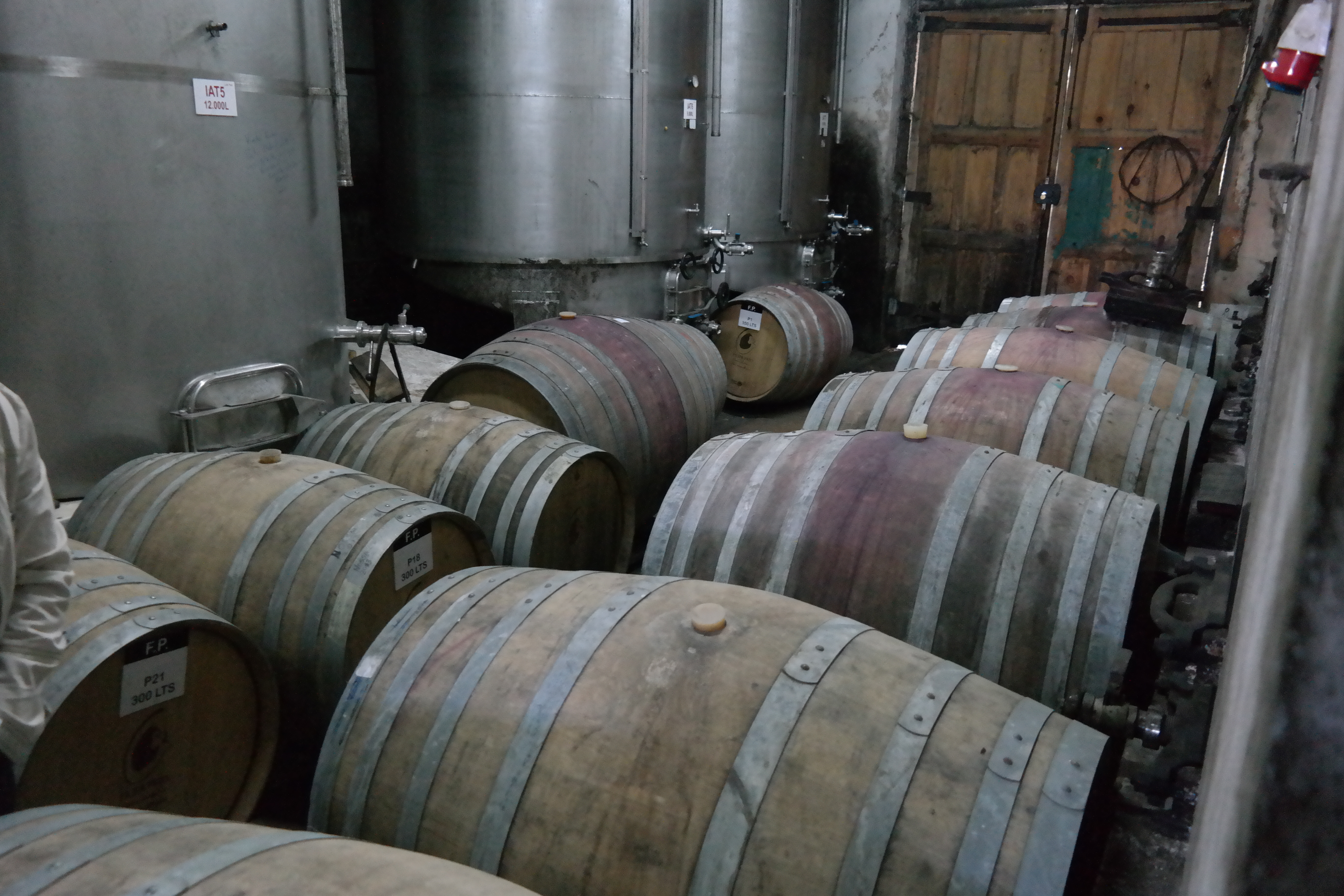
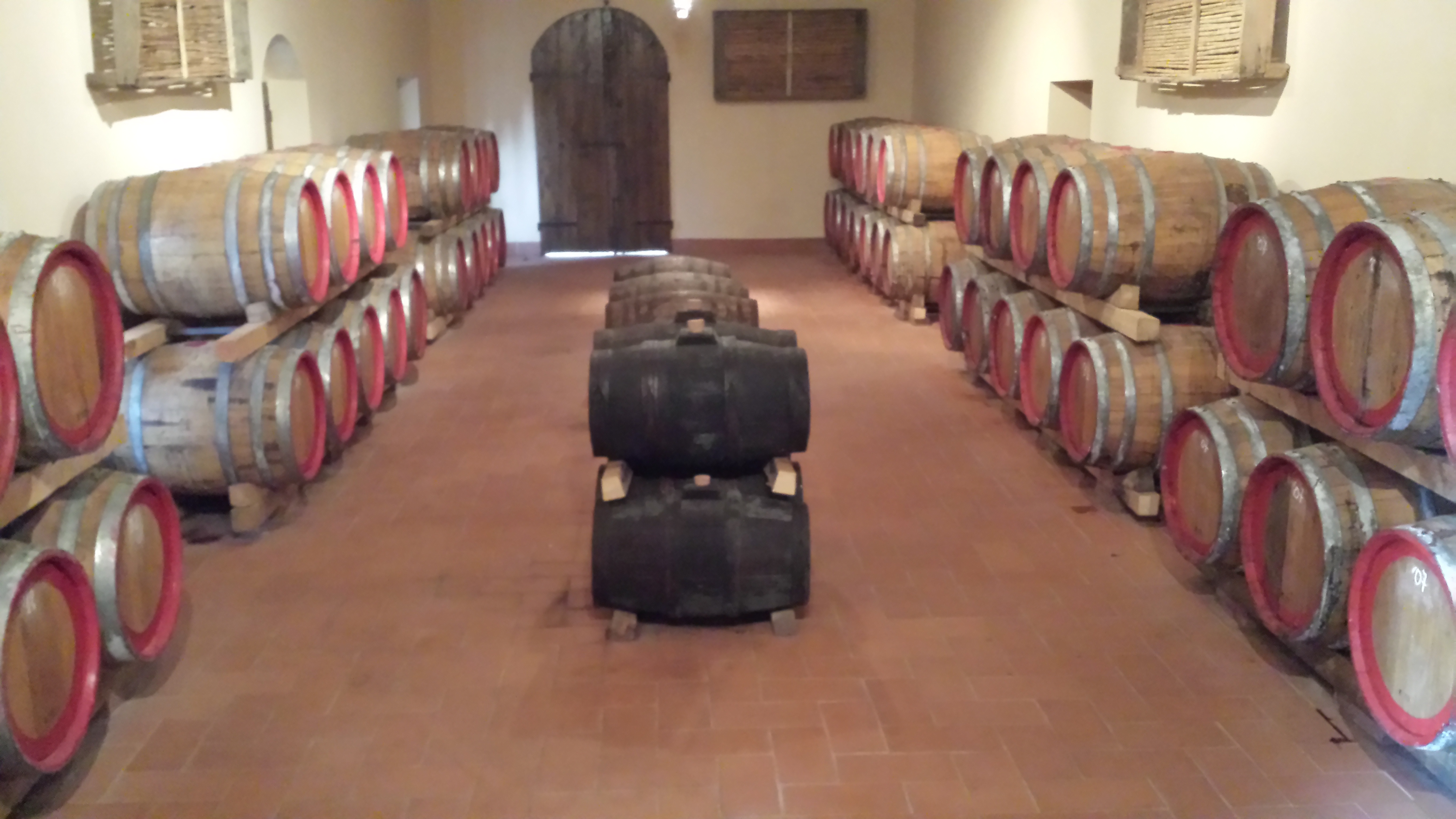
Castello d’albola produces between 500 000 and 800 000 bottles a year (depending on the weather conditions that would influence the harvest (amount)). Part of wines ages in the old cellars, but most of the wine ages in the in 1991newly build warehouse (although I’m not sure it is the right name for it as it is more than that) which has all the modern facilities a winemaker should have to make good wine 🙂

20140424_114454


Castello abola 5

Castello abola 9

Castello abola 12

20140424_113724

Like all visits the best part is always the tasting of the finished product where lots of people have worked hard and long for… If only already out of respect for the ones who made it 😉 and combine this tasting with some good local salami, ham and/or cheese and you’ve got an Italian feast (my opinion, I don’t need much to be happy)

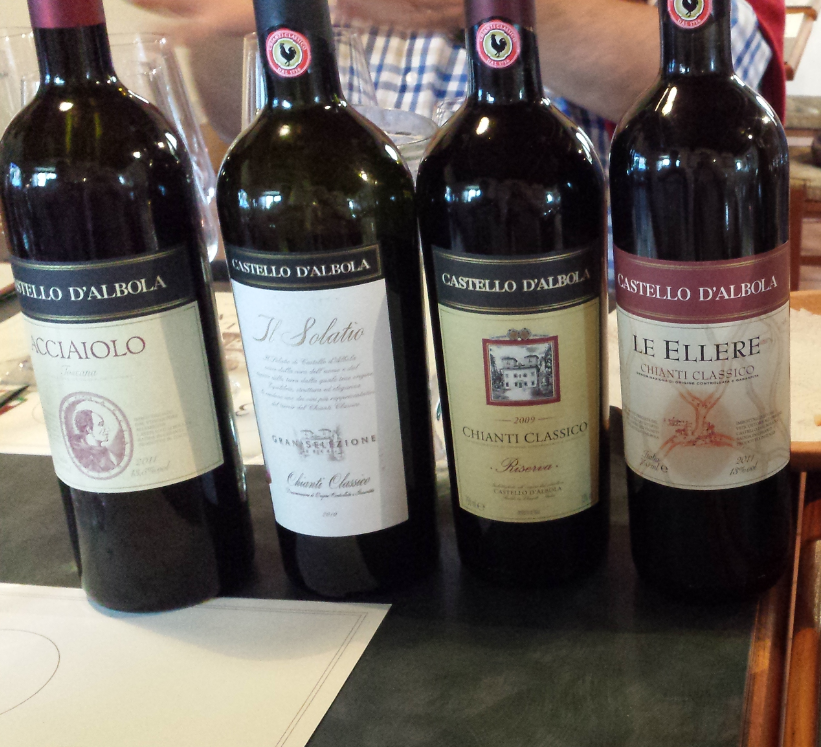
I always say my beautiful fiancée has an expensive taste, but I have to plead guilty as well as for some reason I always seem to like the most expensive wines during a tasting 🙂 🙂 (without knowing the price upfront) … FYI it is not that I didn’t/ don’t like the other wines, but the taste wants what the taste wants 😉 From the Castello d’albola gamma my preferred wines were the Acciaiolo, Il Solatio and Le Ellere as they were of a stronger character and had a fuller body with I think the strongest the Il Solatio which is 100% sangiovese aka “Sangiovese in purezza” (which in English would mean pure Sangiovese). I already feel that my home wine assortment increasing.

wines I liked at castello

The absolute star of the tasting of the wines of the Castello d’albola vineyard was I think their Vin Santo which was one of the best I’ve ever tasted (and I just can’t get enough of the cantucci cookies you dip in that wine). It was sweet, but not too sweet or sticky in the mouth.

Castello abola 34

Castello abola 24

Castello abola 23

Castello abola 22

SAMSUNG CSC

We now set sail to the Abbazia Monte Oliveto wine estate of which you will read more in my next blogpost. After that I’ll stop talking about wine and tell more about other things to do in Tuscany 🙂 (although that mostly also involves eating and drinking 😉

Roadtrip with my dad: Fattoria Fibbiano

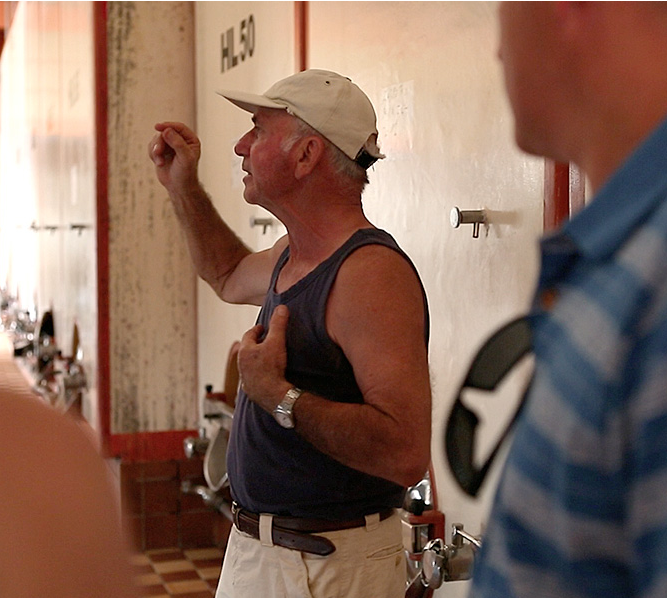
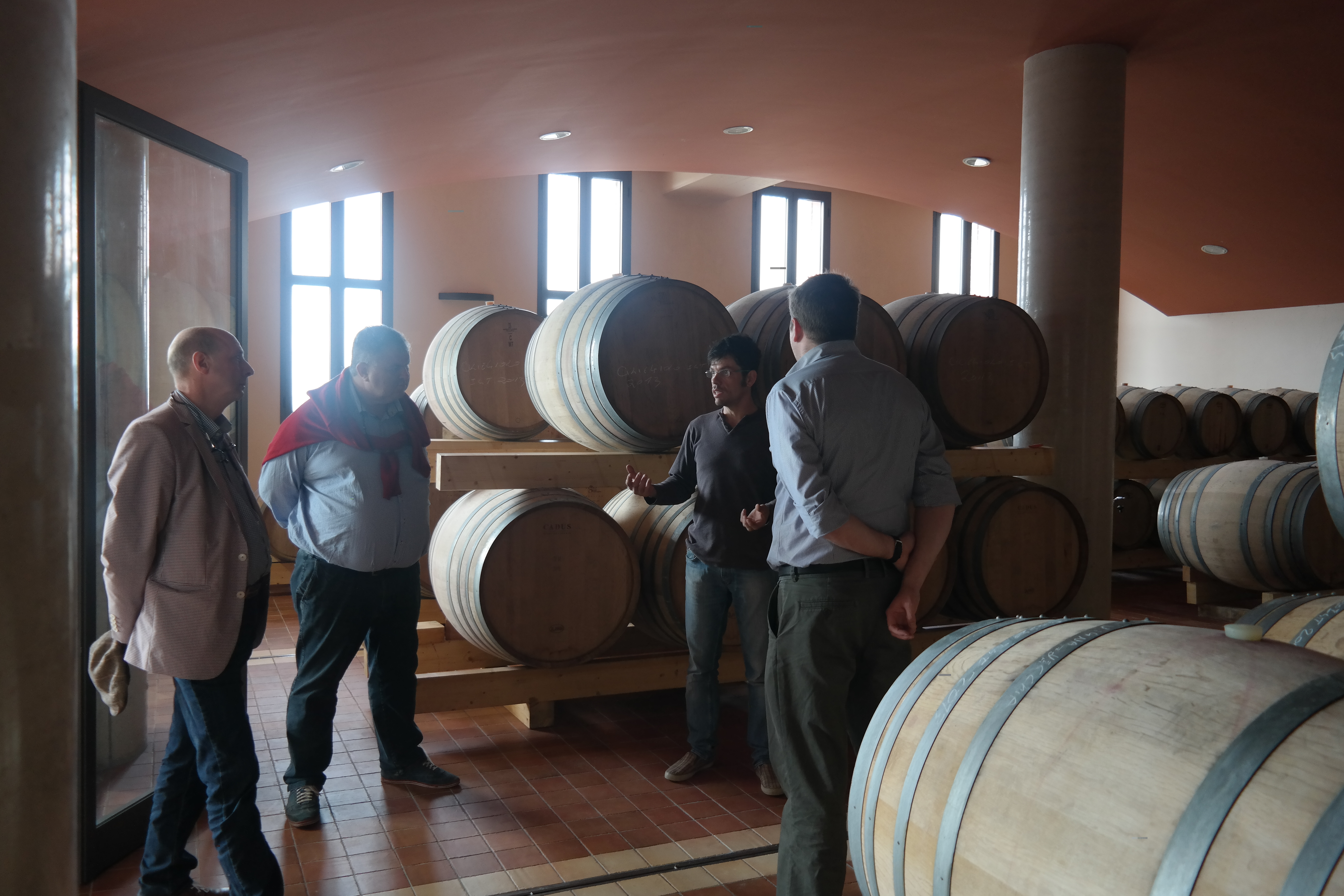
As you probably read in my blogpost about Fattoria Fibbiano’s winetasting I had a while ago at restaurant Pazzo (my blogpost) that what astonished / intrigued me is the fact they only use original Tuscan grapes like Sangiovese,  Canaiolo , Colombana, Colorino and Malvasia , so no Merlot or Cabernet Sauvignon gets used…. So you can imagine why I definitely wanted to visit this vineyard?! During the wine tasting with Matteo I already thought he was speaking with lots of passion about their wines, but his brother Nicola (who I met during this trip) who makes the wines even surpasses this level of passion and also transmits this passion to the ones he talks to 🙂 (in this case my dad, our 2 partners in crime joining us on this trip and me).

Giuseppe

Nicola

You know what makes Italy, Italy? The hospitality! No matter whom you visit or how long, they’ll always bring out their best food and drinks to make you feel welcome… AND I let them 😉 😉 no really I just love it. At Fattoria Fibbiano this wasn’t any different as we immediately felt very welcome!!

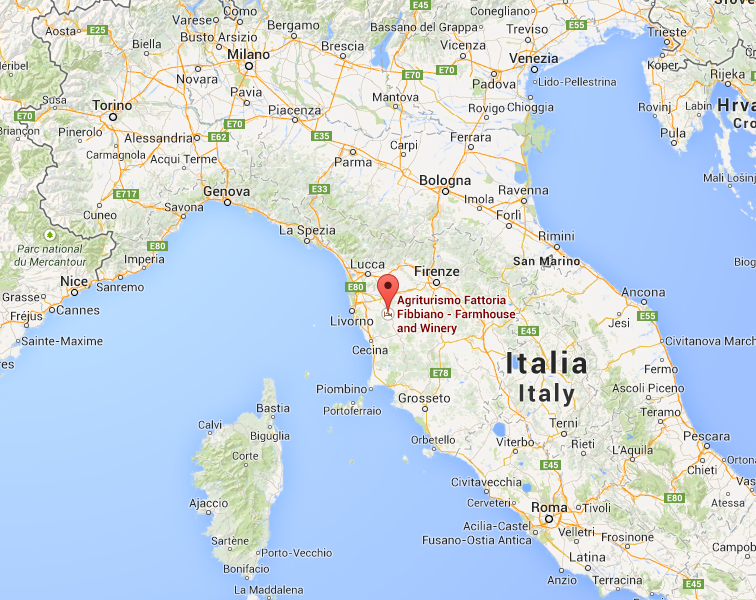
Even though Fattoria Fibbiano only exists for 20 years they have already achieved a lot if you ask me. I think their biggest strength is the fact it is a family business and every member of the family has its particular task Matteo (the oldest brother) does the sales all over the world, Nicola makes the wine, Giuseppe (the father) helps out Nicola and the wives (lovely ladies I must add!)take care of the Agriturismo (6 apartments) and will try to make your stay most enjoyable. Maybe before I continue talking about the vineyard I should indicate where it is located. Fattoria Fibbiano is in Terricciola a little village 40km from Pisa.

location

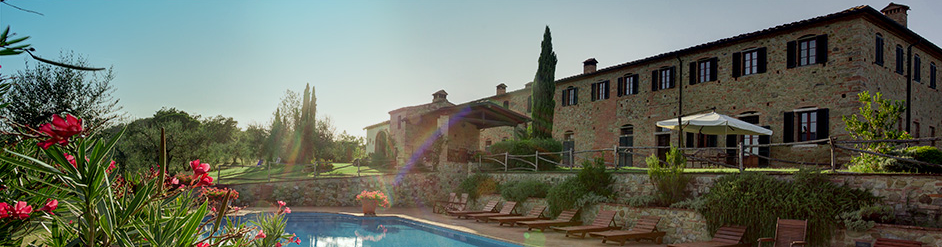
I must admit I found it a pity I couldn’t sleep at their agriturismo as it looked really nice (the great weather also chipped in)… but nevertheless I felt home and btw I’ll be back anyway in the future 😉 (Don’t get me wrong I also like the place we ended up sleeping)

Fattoria Fibbiano agri

IMG_20140423_151708

agriturismo

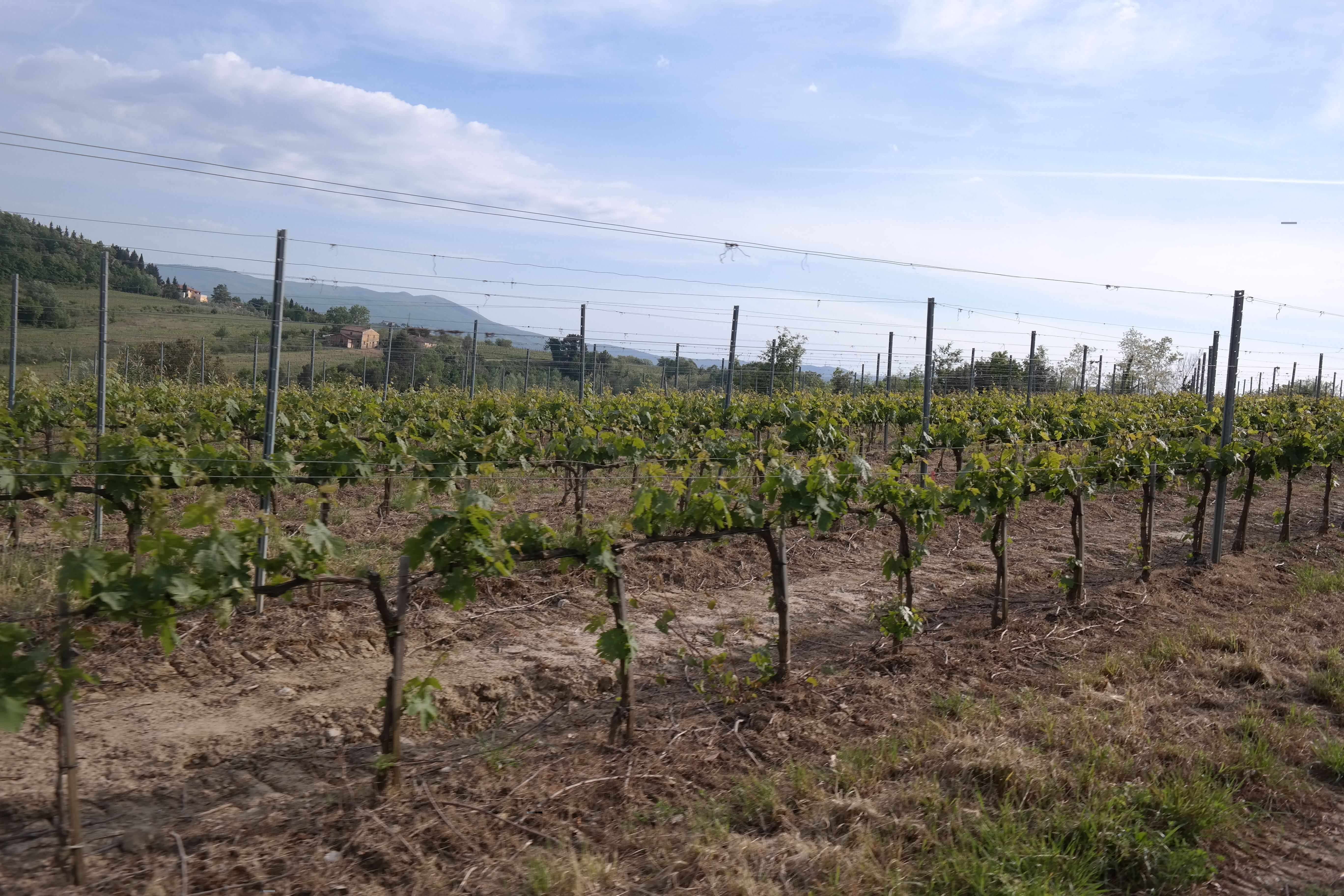
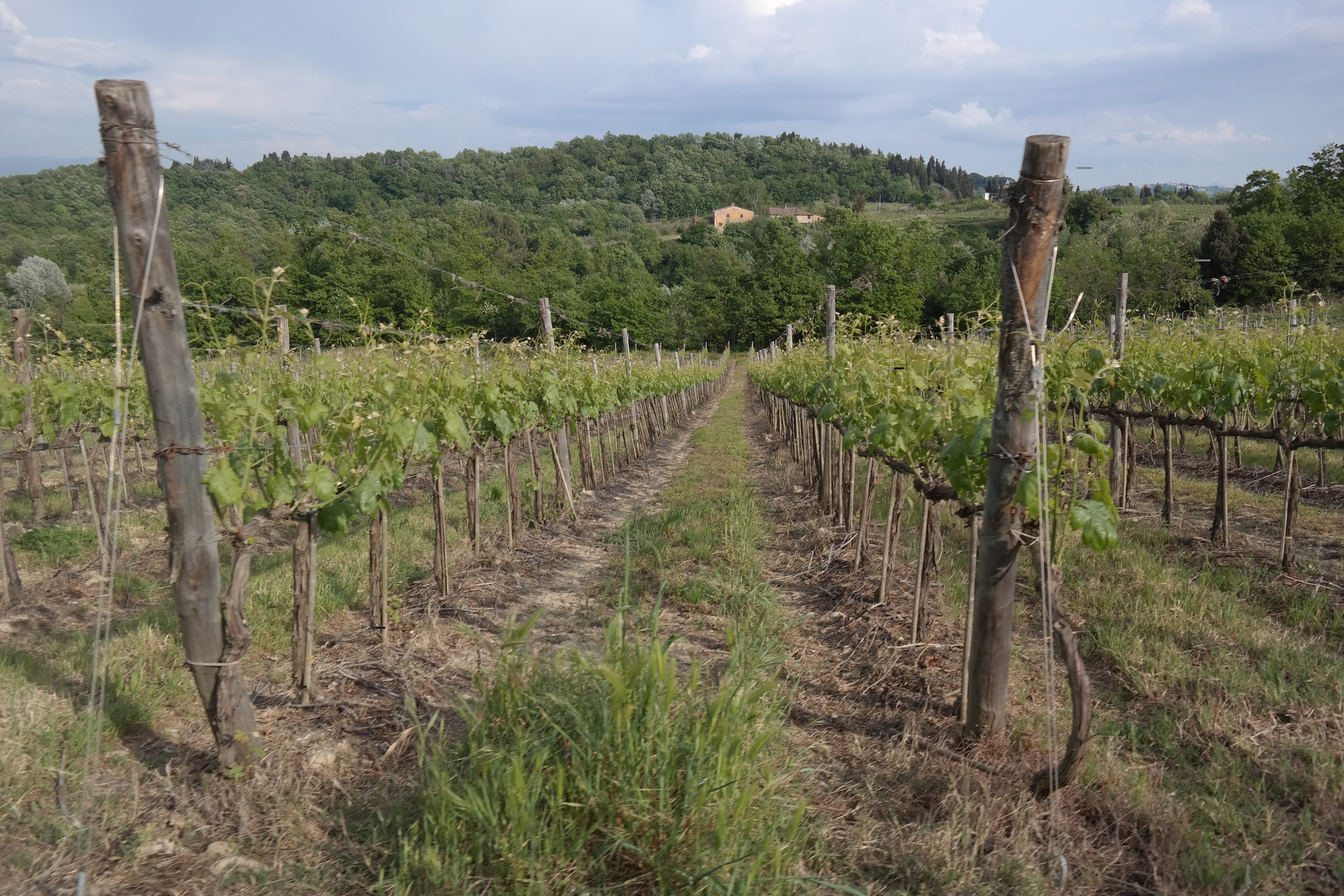
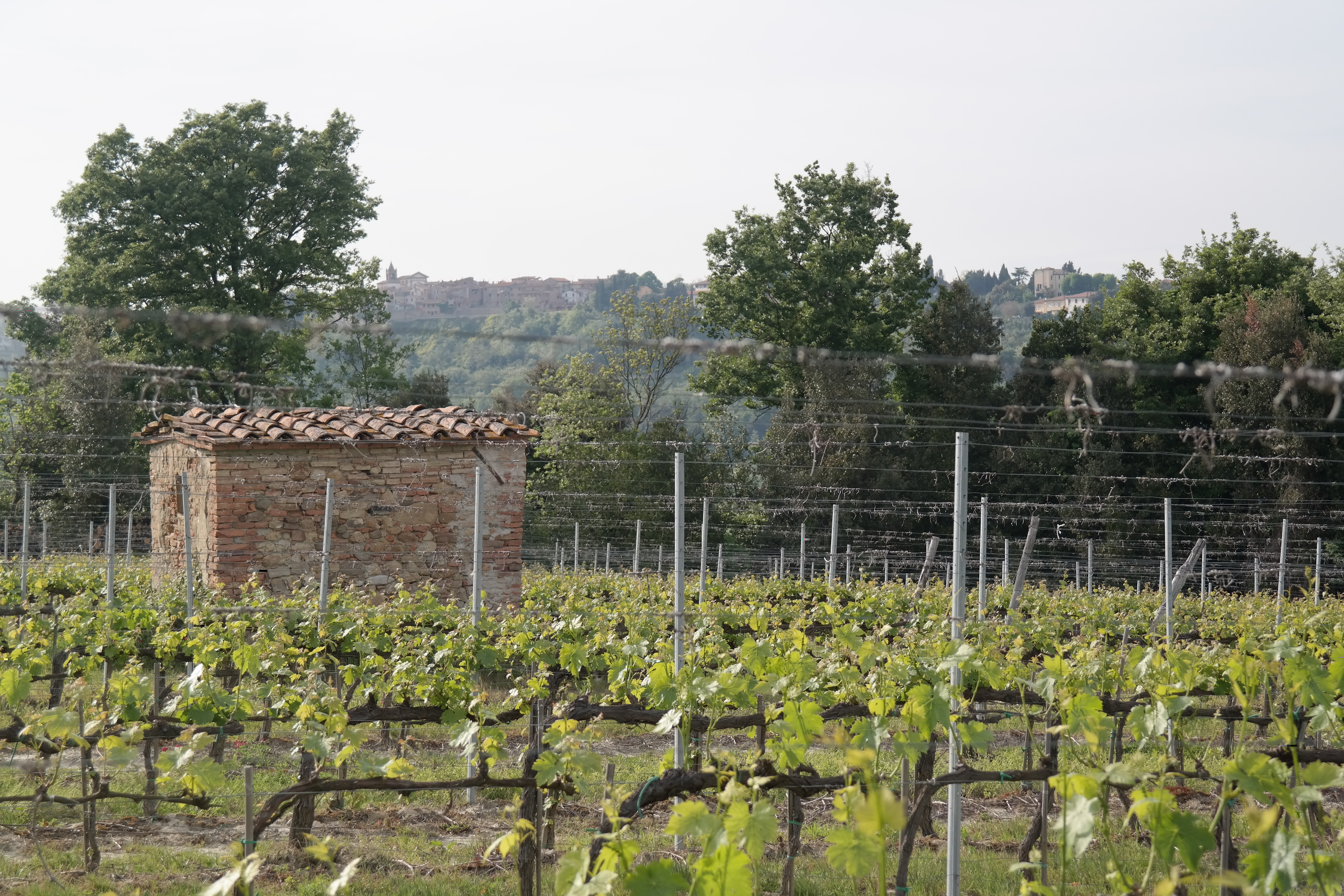
Something I didn’t mention yet is that Fattoria Fibbiano is that for making the wines only treat their soils with organic, non-chemical substances. Something that also surprised me was that most of the work on the vineyard is still done manually with the most important reason to keep a good overview of everything that lives/happens in the vineyard… a machine can be quick and as good as it wants, but the human feel/ look is something that cannot be replaced if you want to make a high quality product. Nicola follows the progress from the vineyard daily from the moment it starts blooming until the actual grape picking. The difference between wanting to make quality wine from big quantity wine already starts with grape selection in the vineyards… with this I mean that the winemakers won’t leave all the grapes(bunches) on the branches, during the year they will be cutting away those bunches that are too much on a branch. This will give the remaining grapes the higher quality… basically if you would have 7 bunches or a branch, the branch will have to nourish all 7 bunches… if you cut away a few bunches, the remaining bunches will get nourished more/better = higher quality grape. Don’t worry I won’t get too technical. Something I can never get my head around when I’m visiting a places where there now are vineyards ( or desert) millions of years ago used to be sea (although maybe if the global warming continues one day I’ll get to see it again) and still up to today you can find shells in the soil… I’m saying this a where Fattoria Fibbiano’s vineyards are located it used to be sea and you still see shells laying around…

SAMSUNG CSC

 SAMSUNG CSC

SAMSUNG CSC 

SAMSUNG CSC

SAMSUNG CSC

SAMSUNG CSC

SAMSUNG CSC

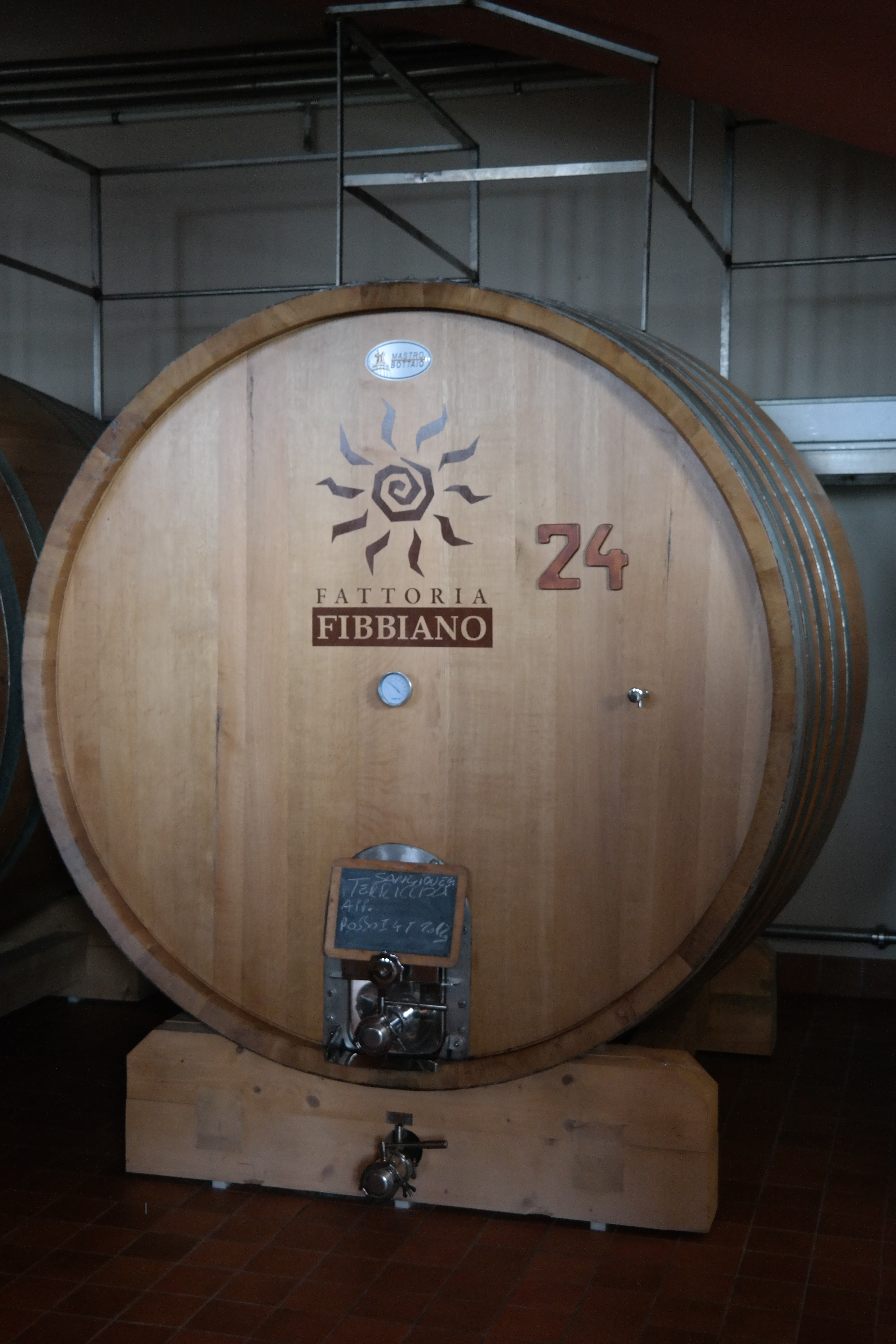
What I think makes wine making fun for the winemakers, is that they can experiment with it in the case of Fattoria Fibbiano they use different barrels, they use obviously wooden barrels, stainless steel tanks and cemented tanks. Depending on the type of wine they’ll be making they will leave the wine for a particular period in the mentioned types of barrels… but if you would leave the same wine other periods in different types of barrels the result will be totally different 🙂 great, right? Obviously when making wines there are some rules to take into account. It was to hear Nicola speak with so much passion on his vision on winemaking and what way he liked to make wine… One thing I’m sure of is that a winemaker needs lots of patience and know-how as it seems simple, but I’m sure it isn’t if you want to do it in a proper way. He was now even experimenting on making an own Rosé sparkling wine… hopefully I’ll be able to taste it one day

SAMSUNG CSC

SAMSUNG CSC

SAMSUNG CSC

SAMSUNG CSC

Fat fib vineyard 25

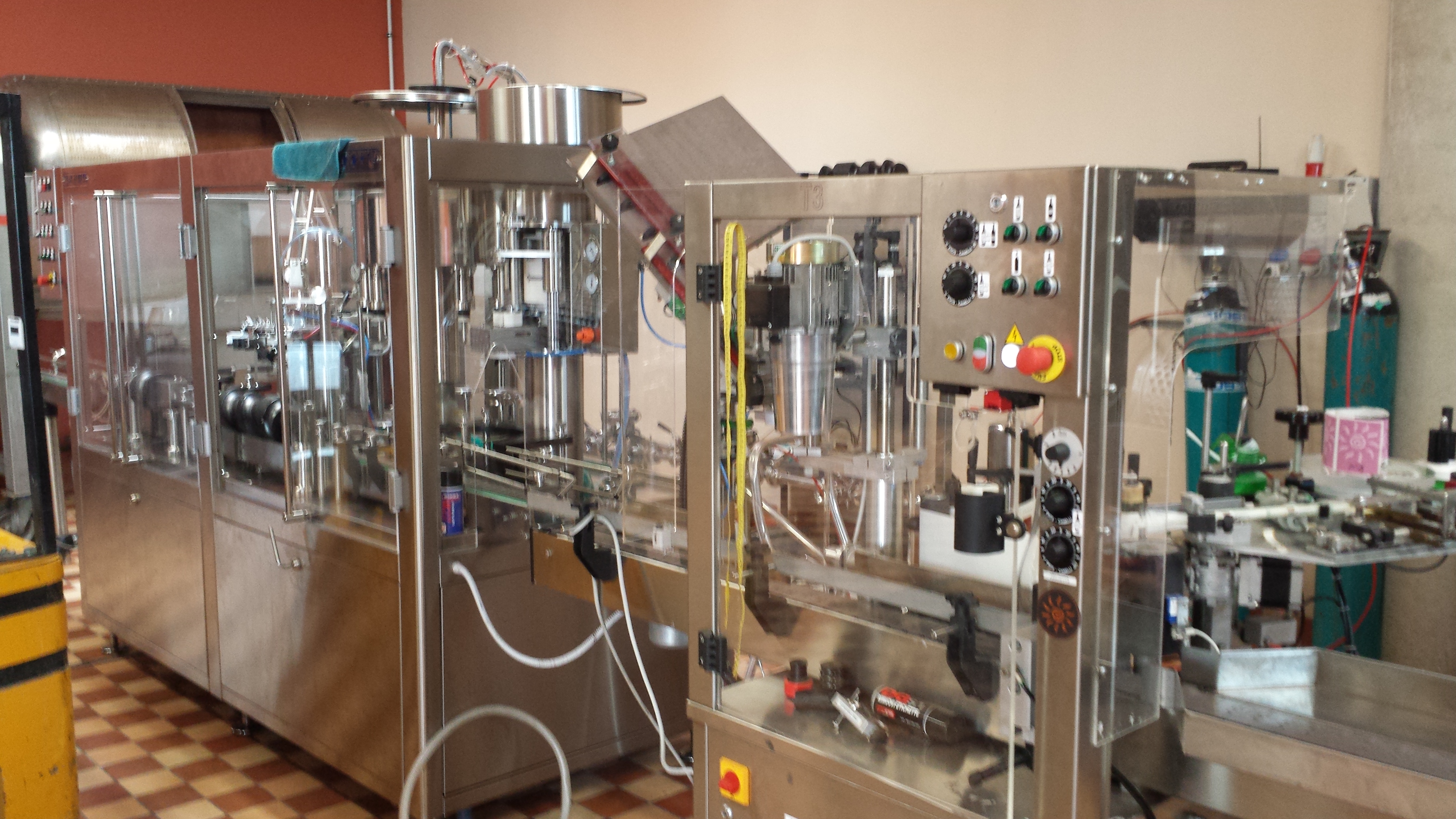
I’m not sure what it was, but I found their cellar very light and as they are only for 20 years the cellar also looks very new 🙂 … Visiting the cellar is all very nice, but to my opinion it was getting a bit dry … it was time for some tasting that got even better with a slice of homemade salami and a local cheese… or as we call it ‘la dolce vita’ 😉

Fat fib vineyard 28

Fat fib vineyard 27

SAMSUNG CSC

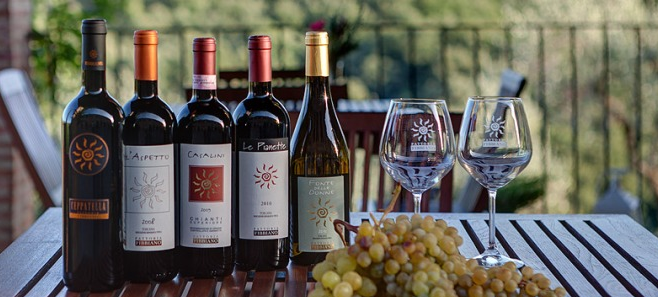
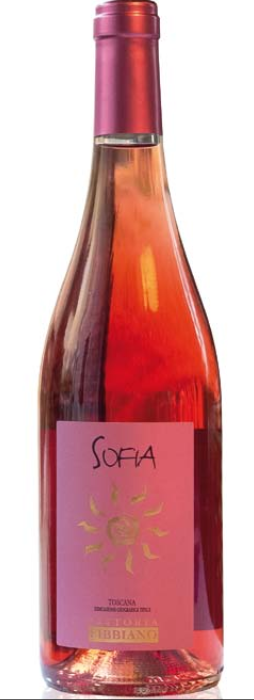
I could describe all their wines, but I won’t as I think the only way to know how they taste is by tasting them 🙂 . How a wine tastes changes from where, when and for which occasion you drink it… I wouldn’t be able to indicate my favourite wine as they all have their specific taste and thing I like about them, although I must admit like the Fonte delle donne, l’Aspetto and Casalini a lot… The most ‘special’ wine (and I also mentioned it in my previous blogpost) is their rosé wine aka Sofia made 100% from the Sangiovese grape (that normally only gets used to make strong red wines like a Brunello di Montalcino, …) so if you want to impress friends with a special rosé… this is the one. What all Fattoria Fibbiano’s wines have in common is that they are easy to drink! This is also how the family describes their wines and it is also the product they want… their most complex wine would be the Ceppatella…. I know, it is probably due to the fact I’m greedy that I’m not able to choose a favourite one 🙂

wines

As if all of this wasn’t hospitable enough, we were asked to join the family table for dinner prepared by the ladies of the house (who are we to refuse)… and they have outdone themselves (BTW, when staying at the Agriturismo if wanted you can also eat there… just FYI). Feast your eyes on the meal they had prepared for us (or the shortened version of it).

Fat fib food 1

Fat fib food 2

Fat fib food 4

Fat fib food 5

Fat fib food 6

I had a wonderful day under the Tuscany sun and was ready to continue our trip! (but I’ll be back as our dear friend Arnold said 😉 but with my beautiful fiancée as I’m sure she’d love it here ). To be continued…..

Not just your average Champagne

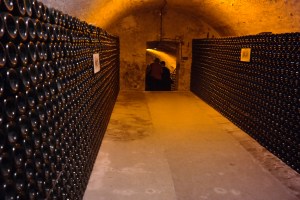
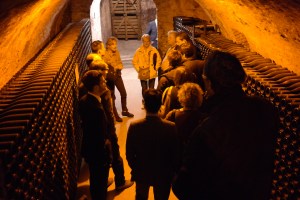
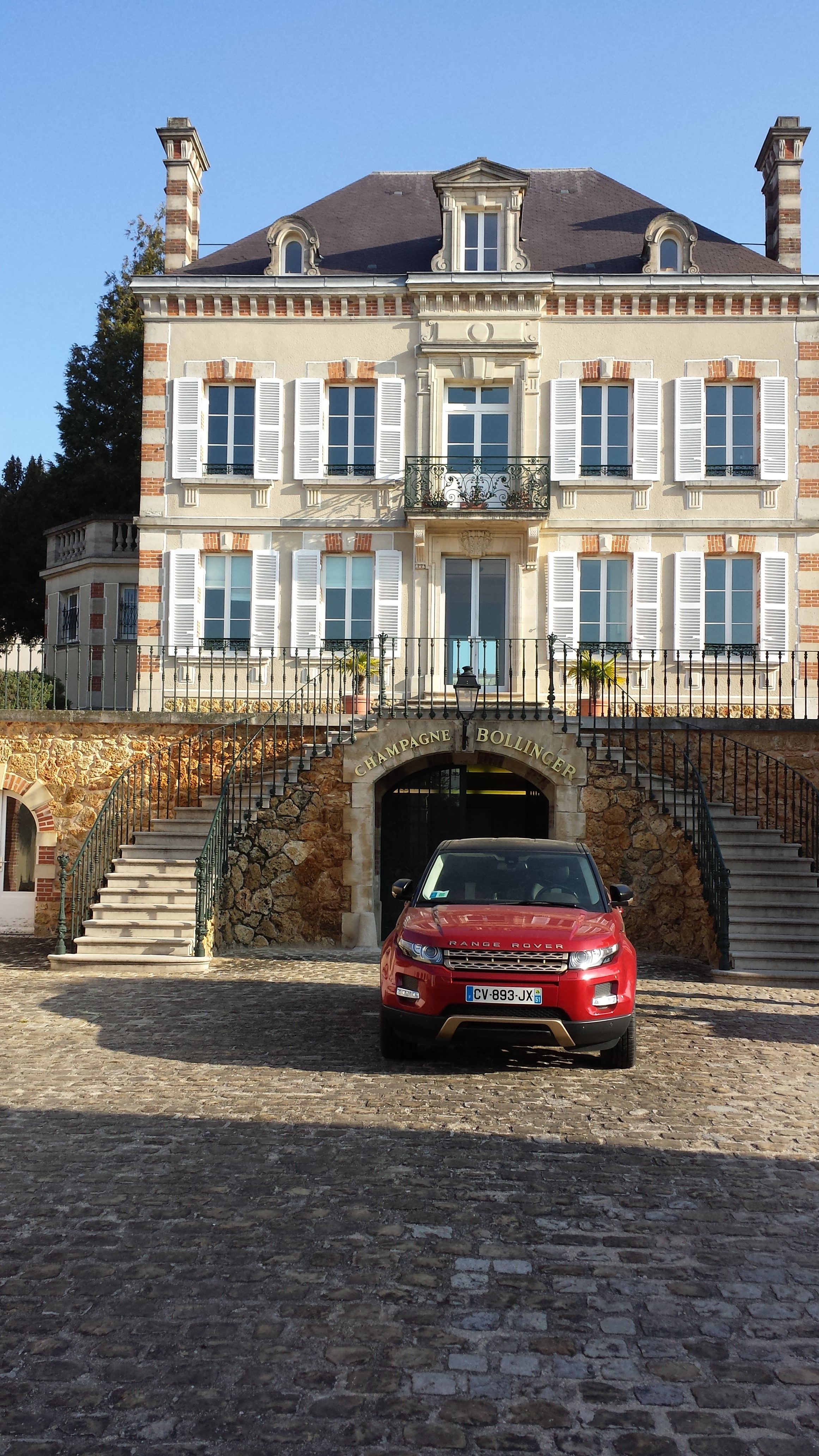
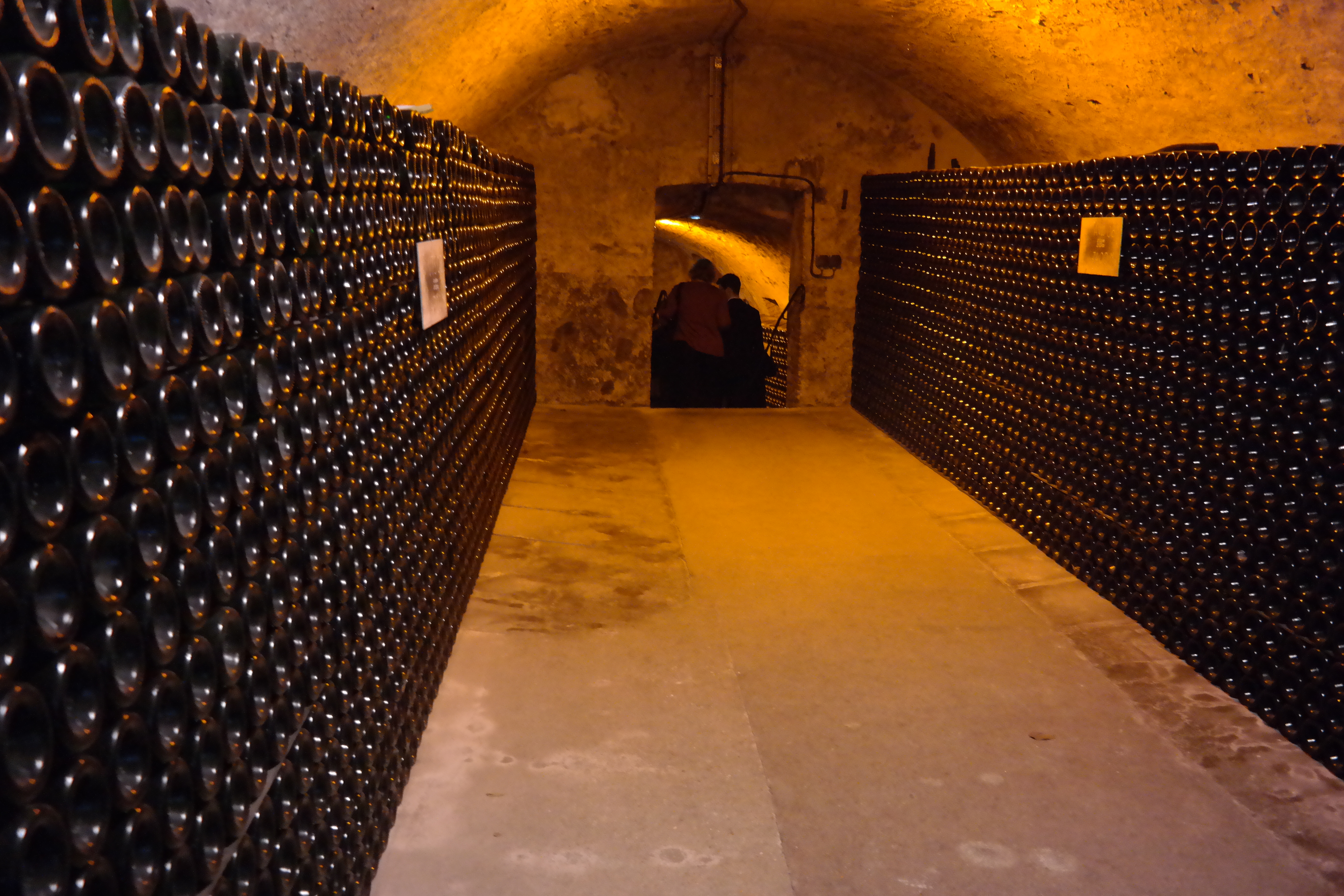
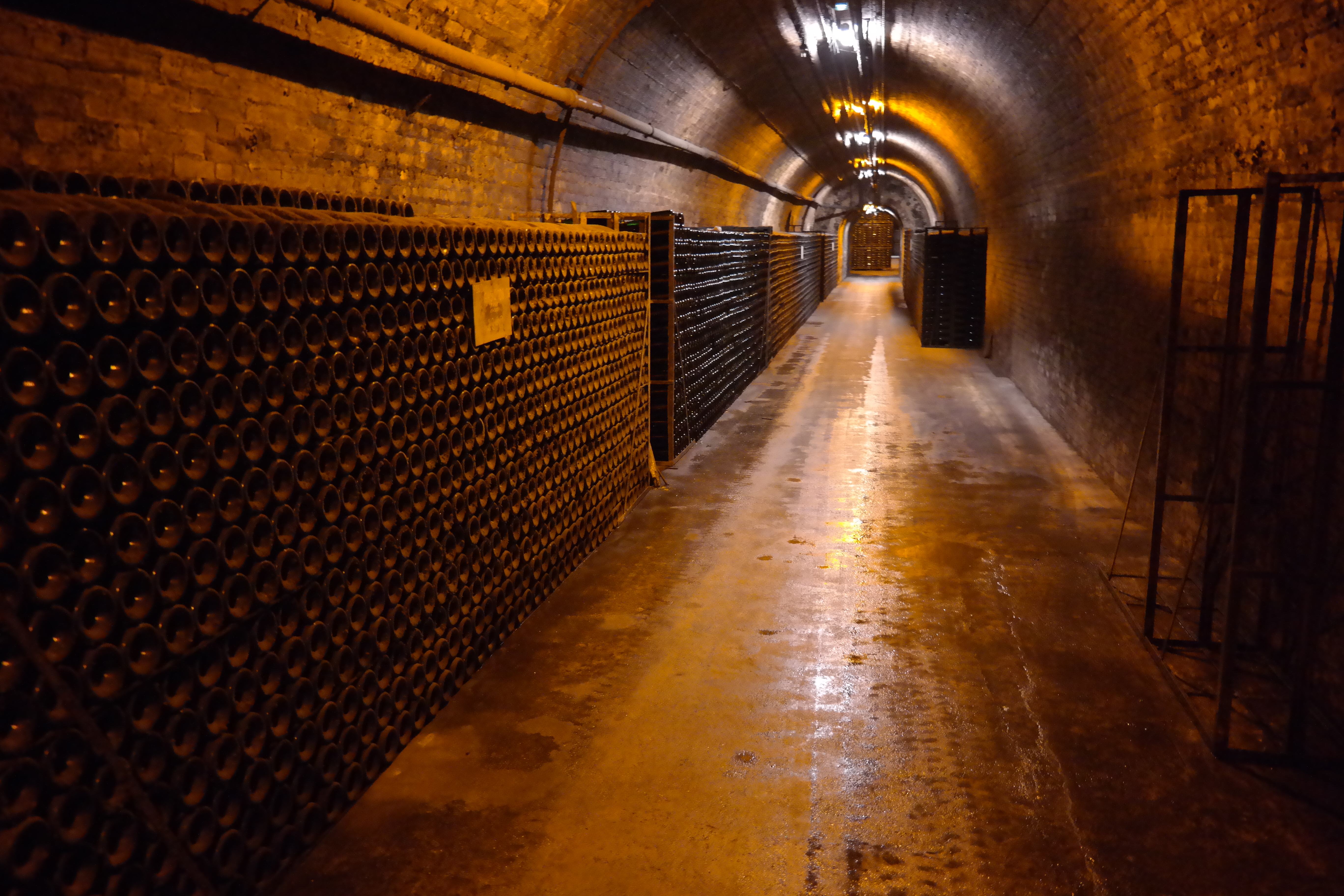
What does Queen Elizabeth II have in common with James Bond (aka 007)? Their love for Bollinger Champagne. Last week I was fortunate enough to visit the vineyard of the in 1829 founded Bollinger Champagne, it is an honor as you can only visit the vineyard upon invitation! Thanks to this visit I got a totally different view on champagne. The strength of Bollinger is to my opinion that it is still run by the Bollinger family… I know lots of people find champagne expensive (although if you want a really good cava of prosecco you’ll also be paying more than before), which is true… But for me there must be made a distinction between (I won’t be using names)  Champagne makers! Some Champagne makers only assemble as they don’t have their own grapes. Others only care about selling and making as much as possible and sell their champagne at astronomic/ exclusive prices for no reason (as they make over 10 million bottles a year, so that for me isn’t exclusive anymore). And then there are houses that prefer making quality instead of quantity like Bollinger. (For more info on the history of this Champagne maker check link)

20140312_092918

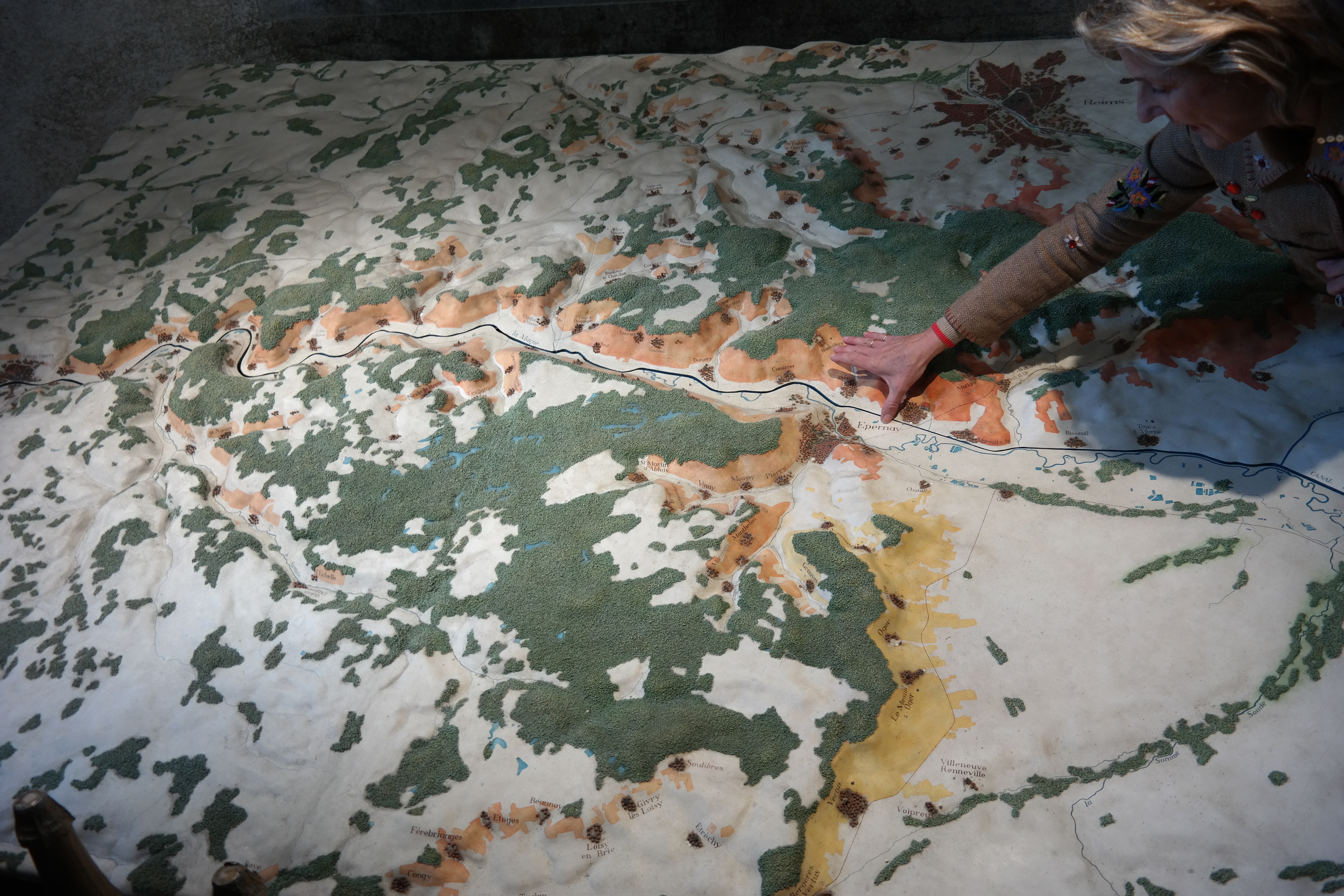
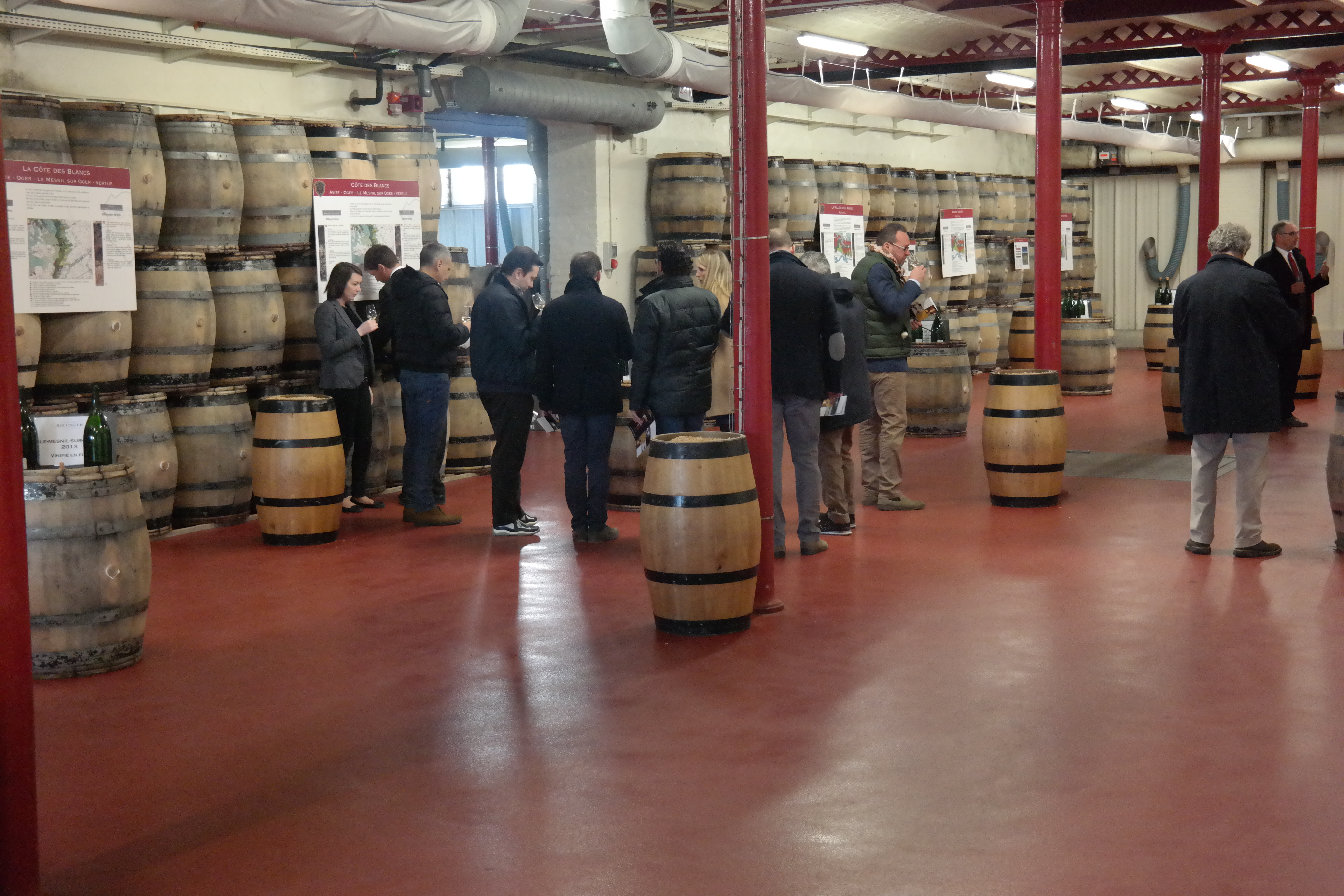
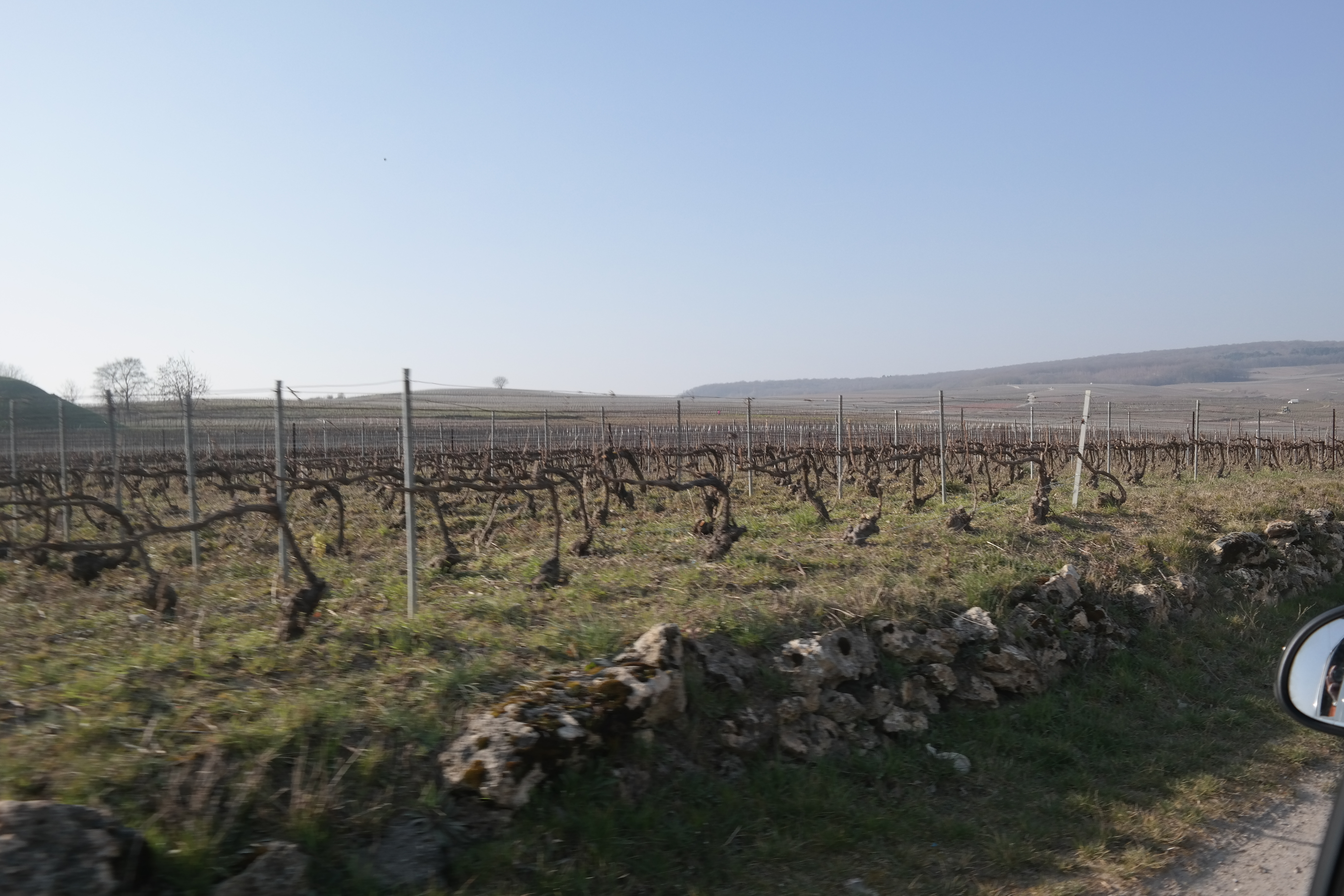
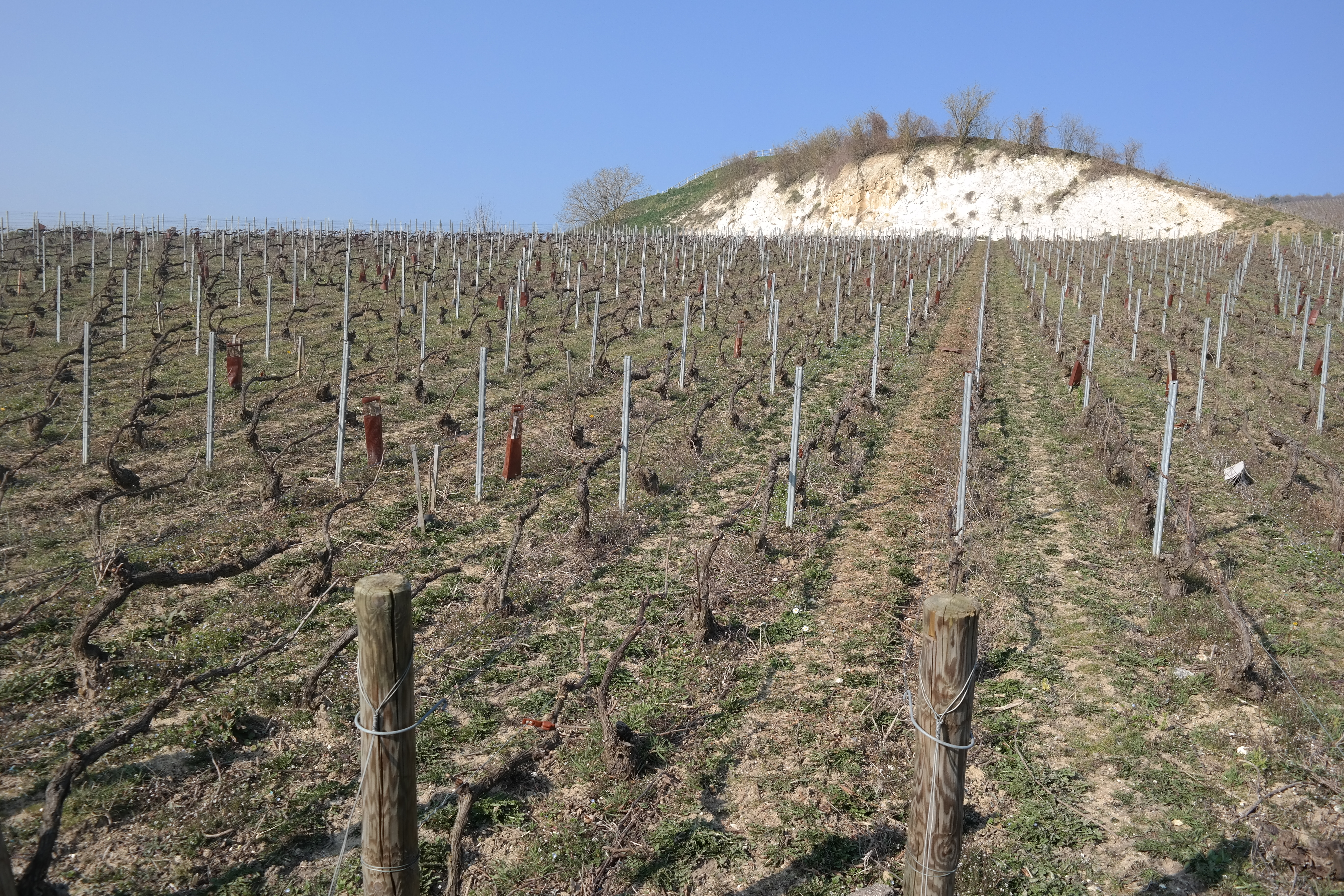
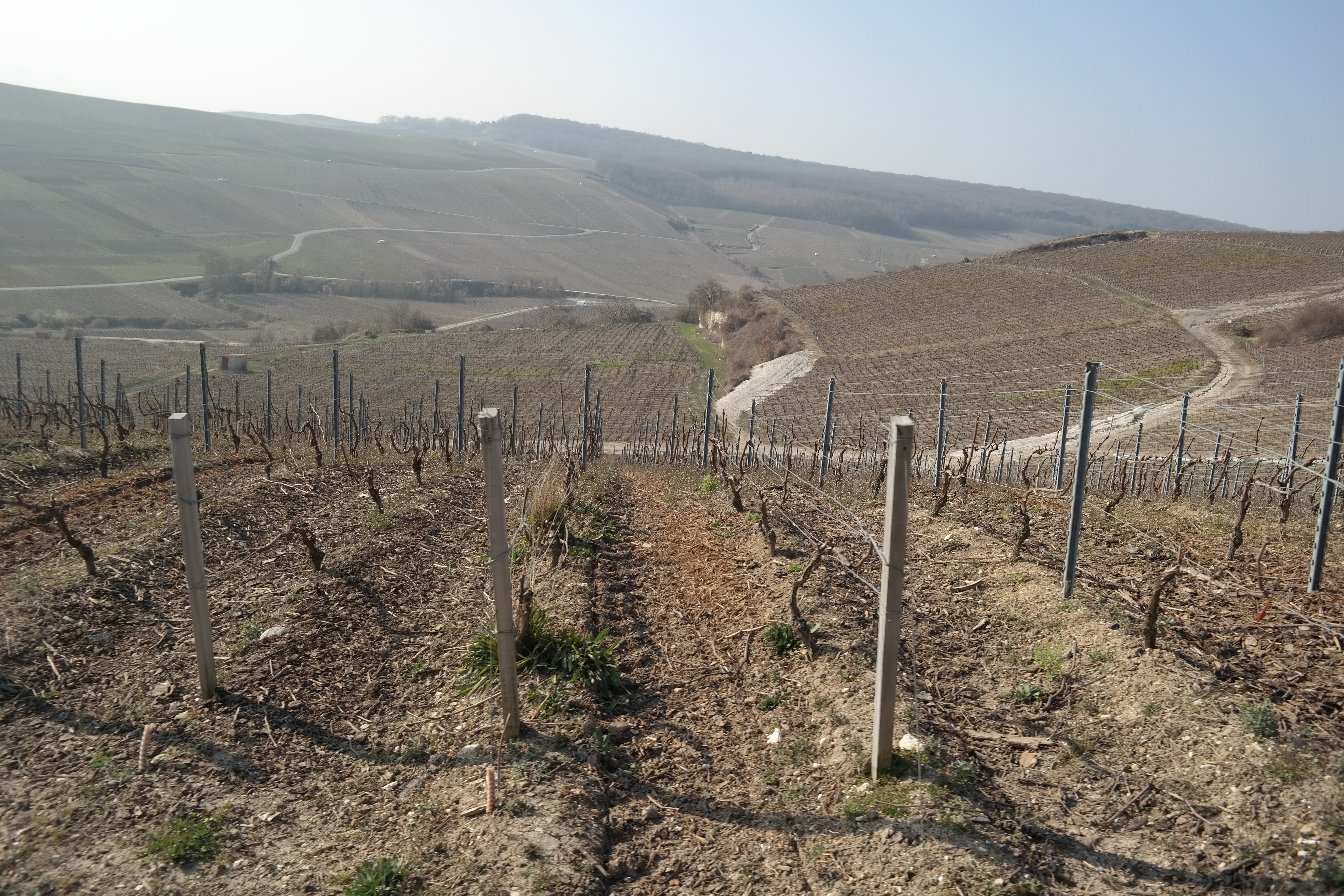
And even in the group of those houses Bollinger sticks out as they work in an even more special way.  For instance Bollinger uses 70% of its own grapes and the remaining 30% is bought (from farmers that passed the strict Bollinger requirements). On top of that the grapes they use are all from Grand and premier Cru vineyards.  Normally when making champagne the grapes are picked together and all pressed together. Bollinger will be picking and pressing all grapes that are from a different area in Champagne region and type of grape (cépage) separately. So basically from every bottle they are able to tell you exactly from which “lot” the grapes where from. They do this to have a better control of the quality of the Champagne as some grapes might have had more sun than others and therefore are sweeter and will produce more alcohol. They do admit it is a lot more work, but in the end it pays off. I’ll try to keep it short, but no promises 🙂

SAMSUNG CSC

I’m sure you probably already know this, but just in case I’ll tell you. Champagne gets made out of 3k kinds of grape: Pinot Noir, Pinot Meunier and Chardonnay (Bollinger will be using a higher % of Pinot Noir in their Champagnes). What follows would be the 2nd thing that distinguishes champagne makers who choose to go for quality or quantity. When champagne is made there are 3 pressing to get the juice out of the grapes.

1st pressing: is the best part as it will only be existing of 100% juice

2nd pressing: will be having some pulp in the juice (so quality is a bit less)

3rd pressing: here mostly only the pips and skins remain and are used to make alcohol.

Bollinger only uses the 100% juice, the remains from the 2nd and 3rd are sold to other Champagne makers (Big names). And again here they will be pressing all grapes from a different “lot” differently.
SAMSUNG CSC

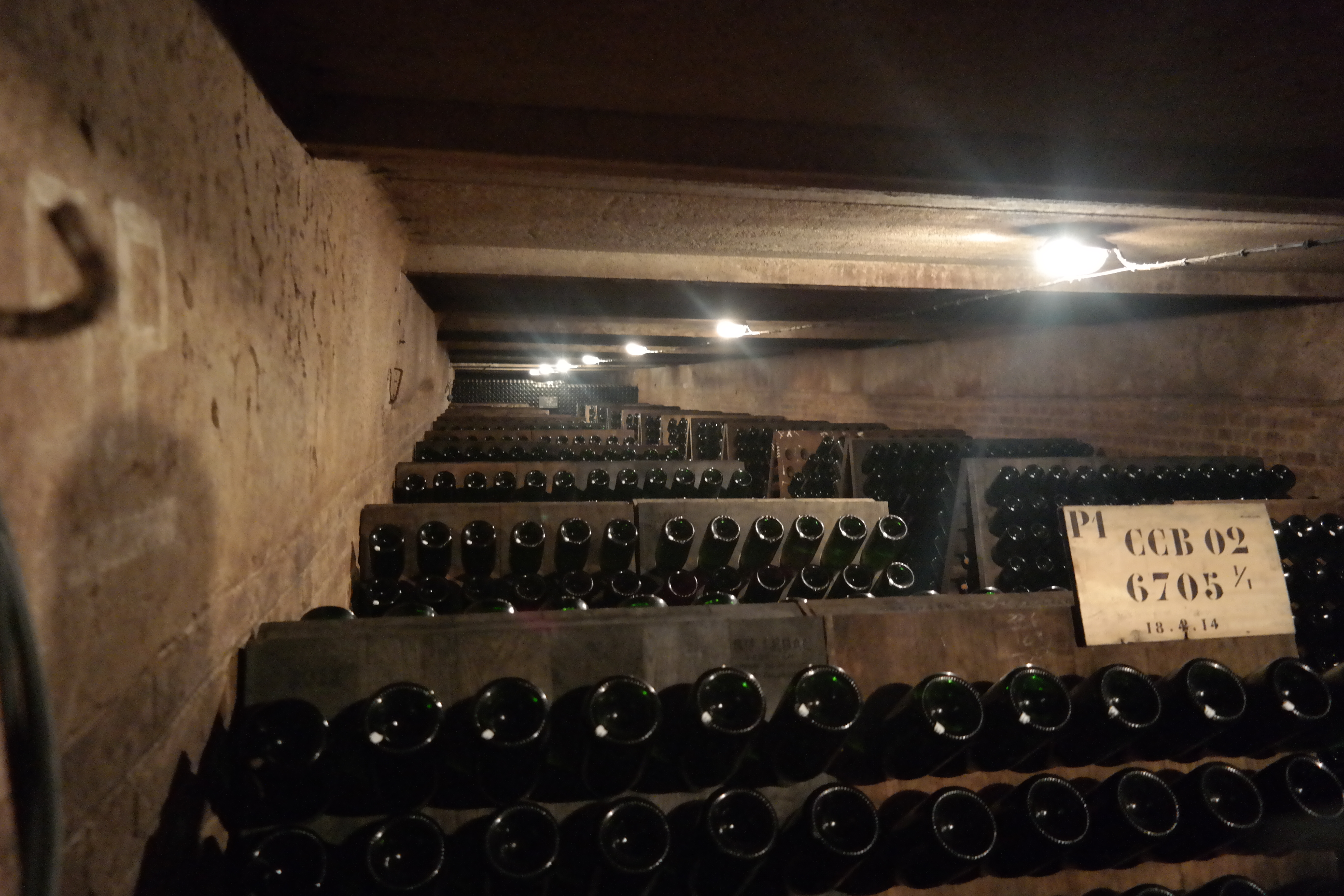
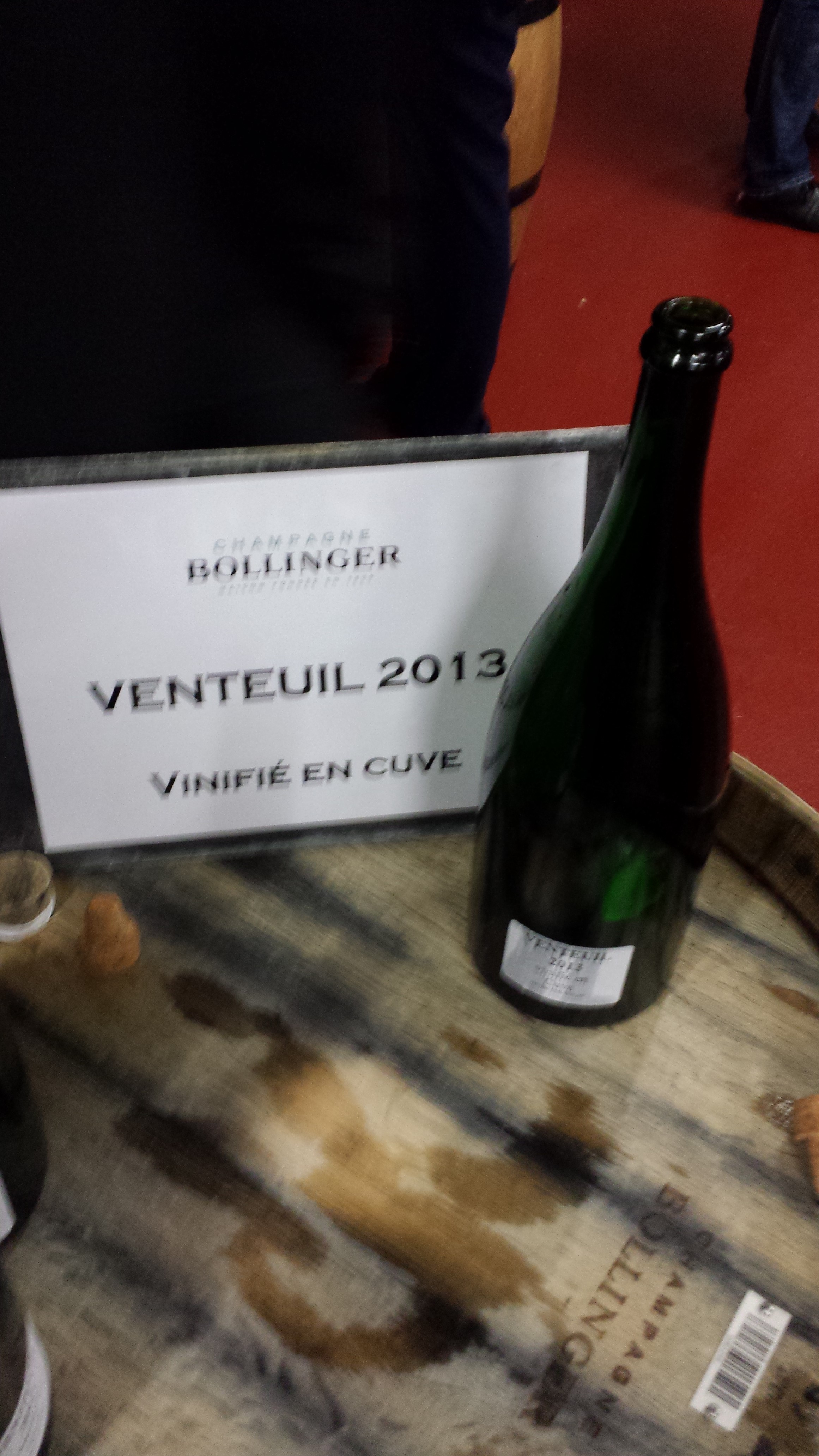
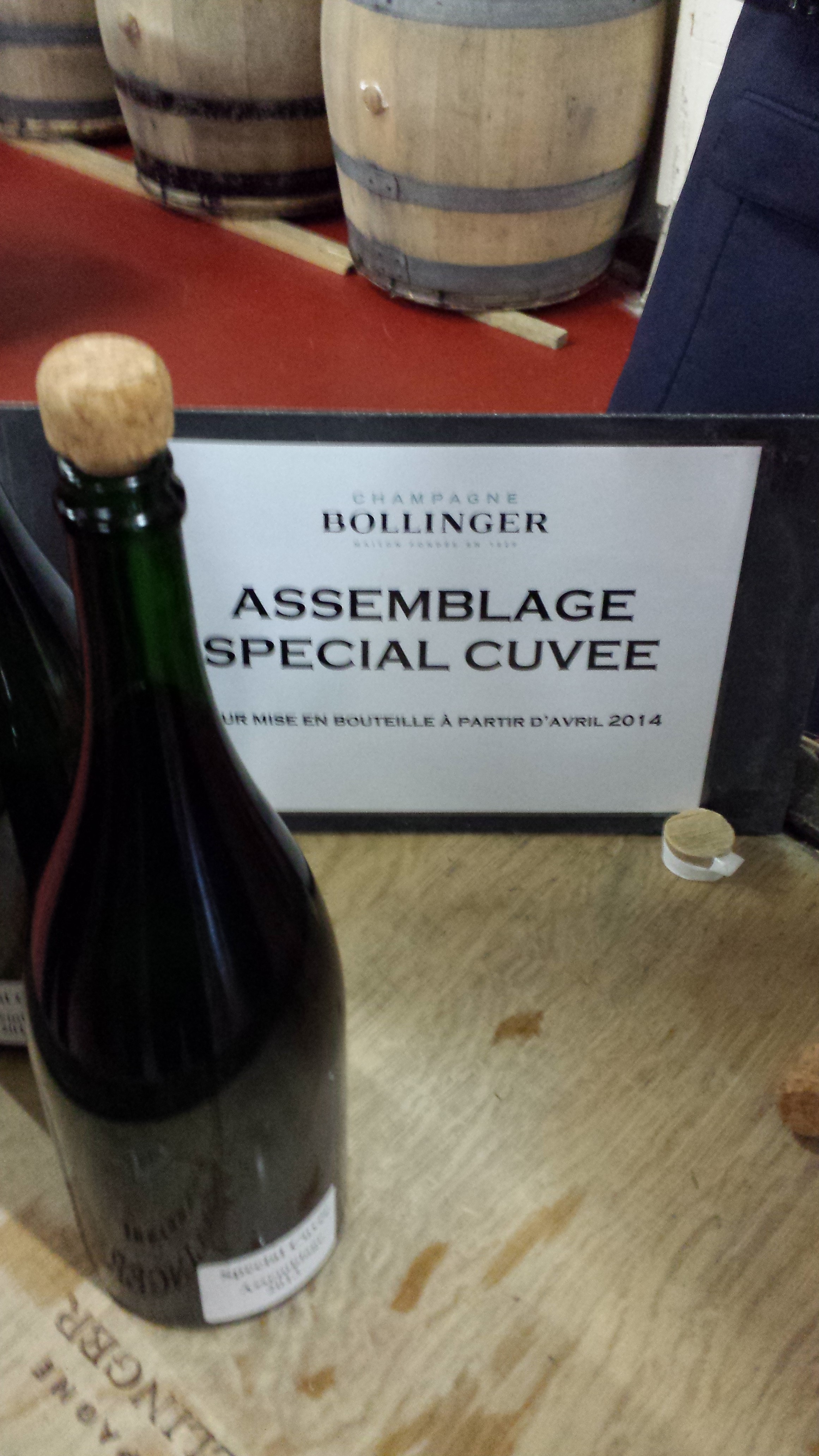
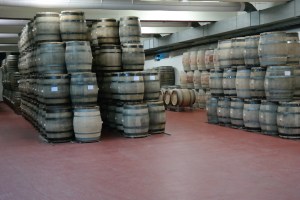
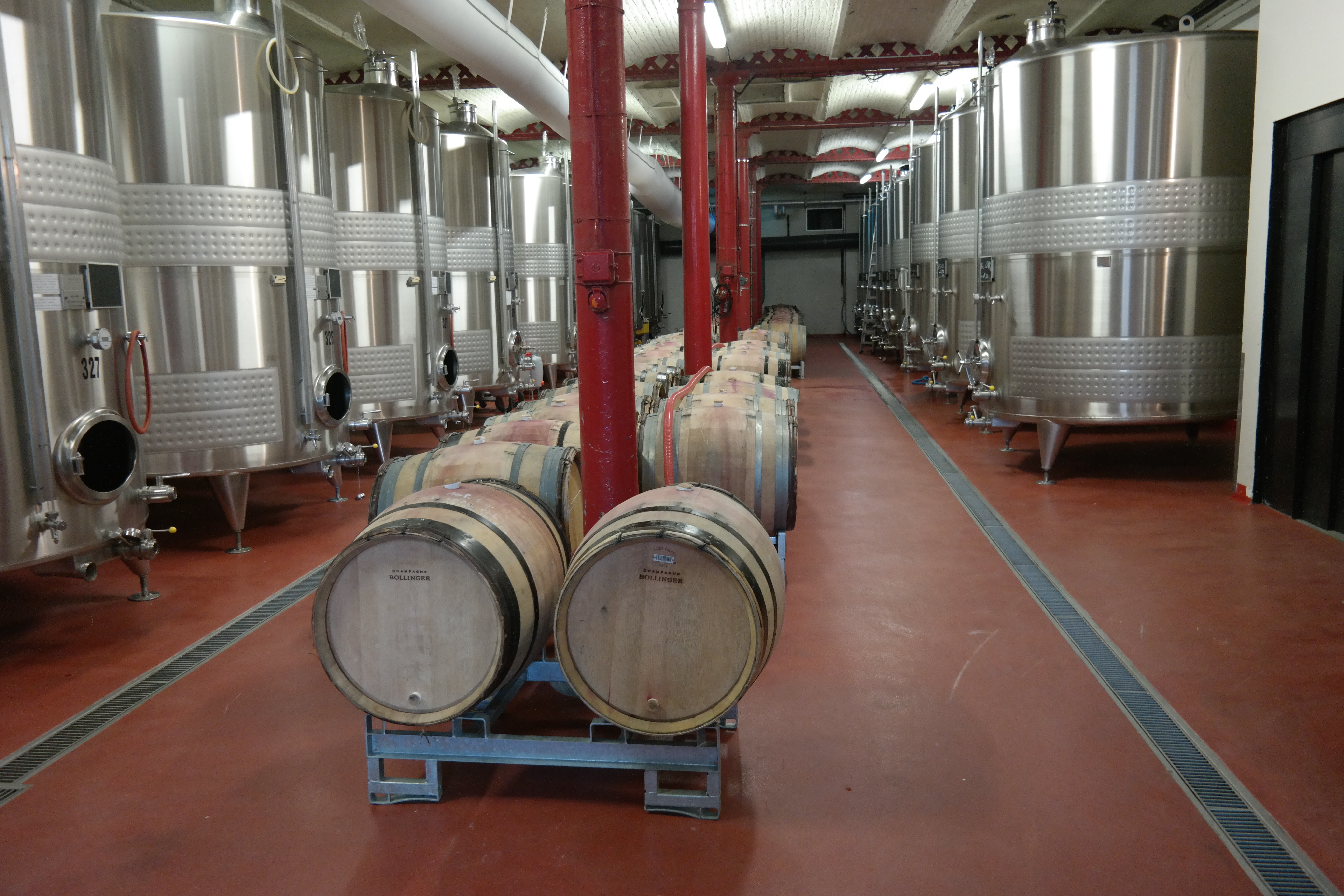
After the pressing the  grapes into the “first fermentation” process, where they will basically make a white wine aka “still wine” or “vins claires” (so no bubbles yet). For this fermentation Bollinger will be using for the “Special Cuvée” (their “base” champagne) Inox tanks (like most champagne makers). Or better 70% in inox and 30% in old oak barrels, if that particular pressing has the power to handle the  oxidation and malolactic conversion…For the more special champagnes they make (Millisimées , La Grande Année and RD) they will be 100% having a first fermentation in old  burgundy barrels (which is unique for champagne makers). The old burgundy won’t be giving a wooden flavor/scent, but rather a light oxidation which will give a richer aroma and a product with a long aging potential (the champagnes can age over 40 years…). For the first fermentation they will still be keeping the “vins claires” separate according to origin.  This will give Bollinger a large assortment of “vins claires” (some sweeter, some with more acidity) to assemble the Champagnes or in this stage still wines.  To guarantee that quality Champagne makers will be mixing the still wines from the current year (95%¨) with what is called “Reserve wines” (5%)  . Bollinger will only be mixing 1/3 from current year, 1/3 of the still wine from the past 2 years and 1/3 of the reserve wine. FYI the reserve wines age in Magnum bottles with cork and knowing they keep their reserve wines up to 15 years per cépage and per region you can imagine they have a huge “reserve” 🙂 🙂 (oooh yeah a little word game)

SAMSUNG CSC

SAMSUNG CSC

SAMSUNG CSC

SAMSUNG CSC

SAMSUNG CSC

I hope you guys are still with me?? I know I’m being a bit more technical than I usually am, but now more than ever you need to know the whole picture… but next time somebody starts babbling/showing of about their champagne knowledge you can impress them with what you know  (snap)

snap attitude

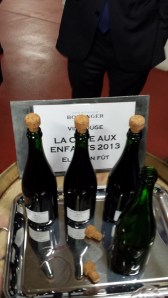
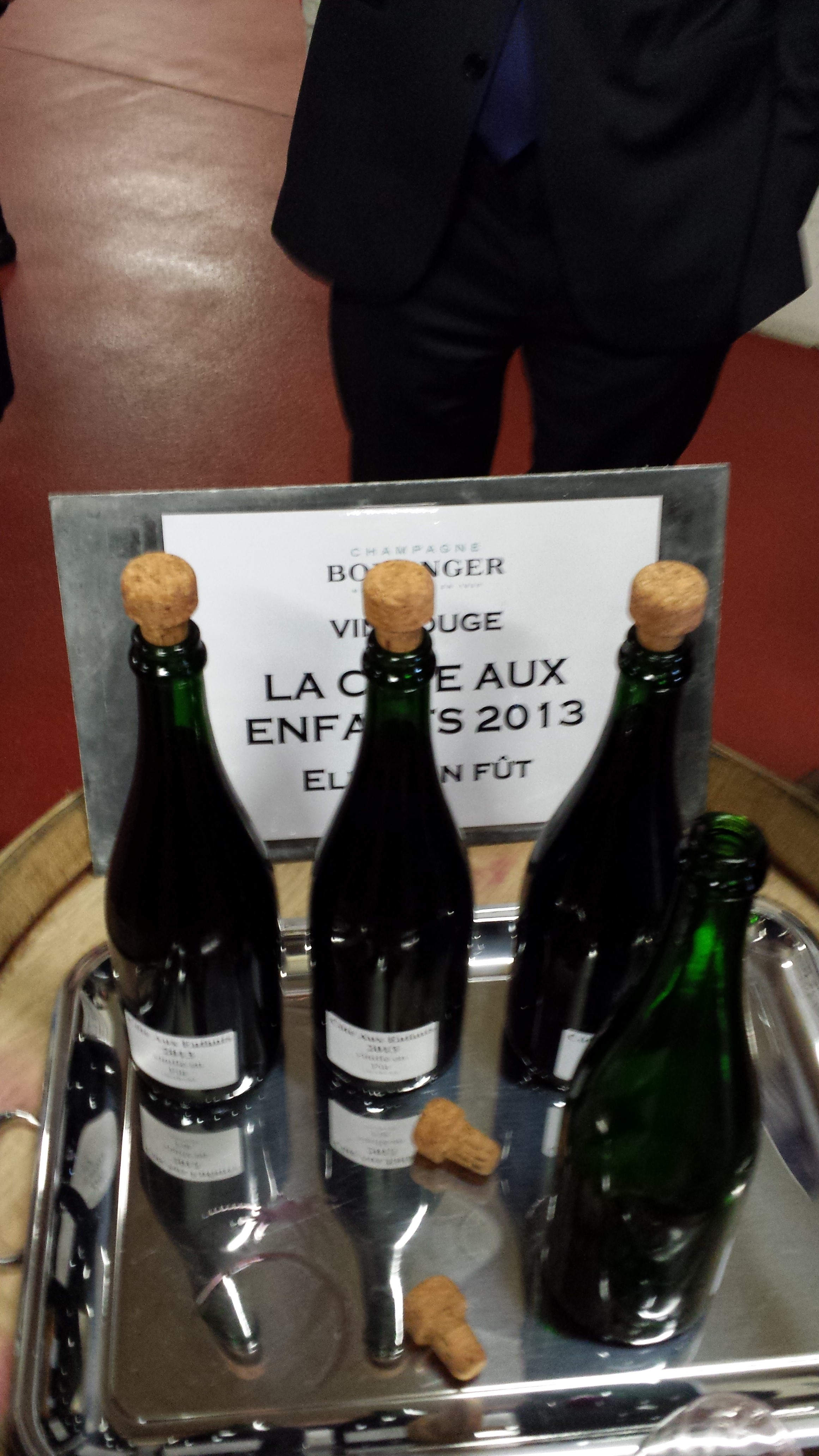
OK, so after the assembling of the cépages (or grape types) they will be adding yeast and cane sugar that will help the still wine to get its aroma and the bubbles during the 2nd fermentation.  BTW for Bollinger’s Rosé champagne they will be assembling the still wine with 5% actual strong red wine (100% Pinot Noir Grand Cru from their own vineyards and that can also be bought on its own “LA CÔTE AUX ENFANTS”) instead of leaving the skins of the grapes to give the color to the champagne.

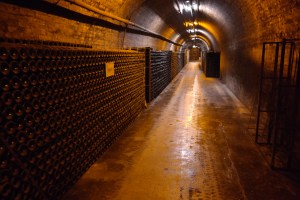
According to the CIVC champagne can be sold after 15 months of 2nd fermentation (mostly cheaper champagnes) as for Bollinger will at least be fermenting 4 years (48 months) for the Special Cuvée and between 8 and 25 years for the RD. After the “15 months” the bubbles will still be too aggressive (just do the test yourself I ‘d say if you don’t believe me 🙂 )

SAMSUNG CSC

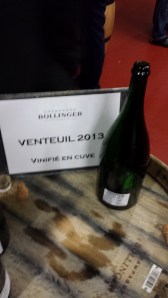
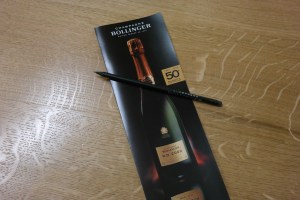
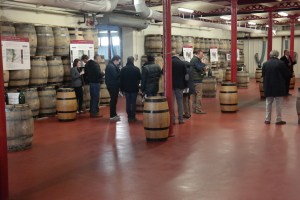
Now during our visit we first had a tasting of some of the still wines (so from the first fermentation), but best is when you taste these that you don’t drink too much of it as they are a bit more “acid” than a normal wine (it will get “sweeter during 2nd fermentation) otherwise a close-by bathroom wouldn’t be a luxury 🙂 (except for the red wine as that is a like regular red wine). Anyhow it was really interesting to taste the difference between the still wines from same year and grape but from different vintages.
SAMSUNG CSC

SAMSUNG CSC

20140312_115930

20140312_121429

20140312_120601

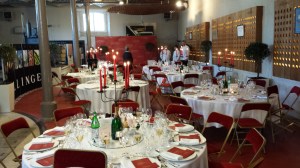
Although I enjoyed the visit a lot and learned that Bollinger Champagne is made with a lot of care and patience, my preferred moment was lunch 🙂 with of course the finished product paired with the dishes.  These are the moments I cherish the most!! Surrounded with international sommeliers, wine dealers, etc… and we even had a special guest at our table Gilles Descotes who is Bollinger’s ‘chef de cave’. (very interesting guy!). I think there is no better way to learn everything there is to learn about champagne
20140312_122714

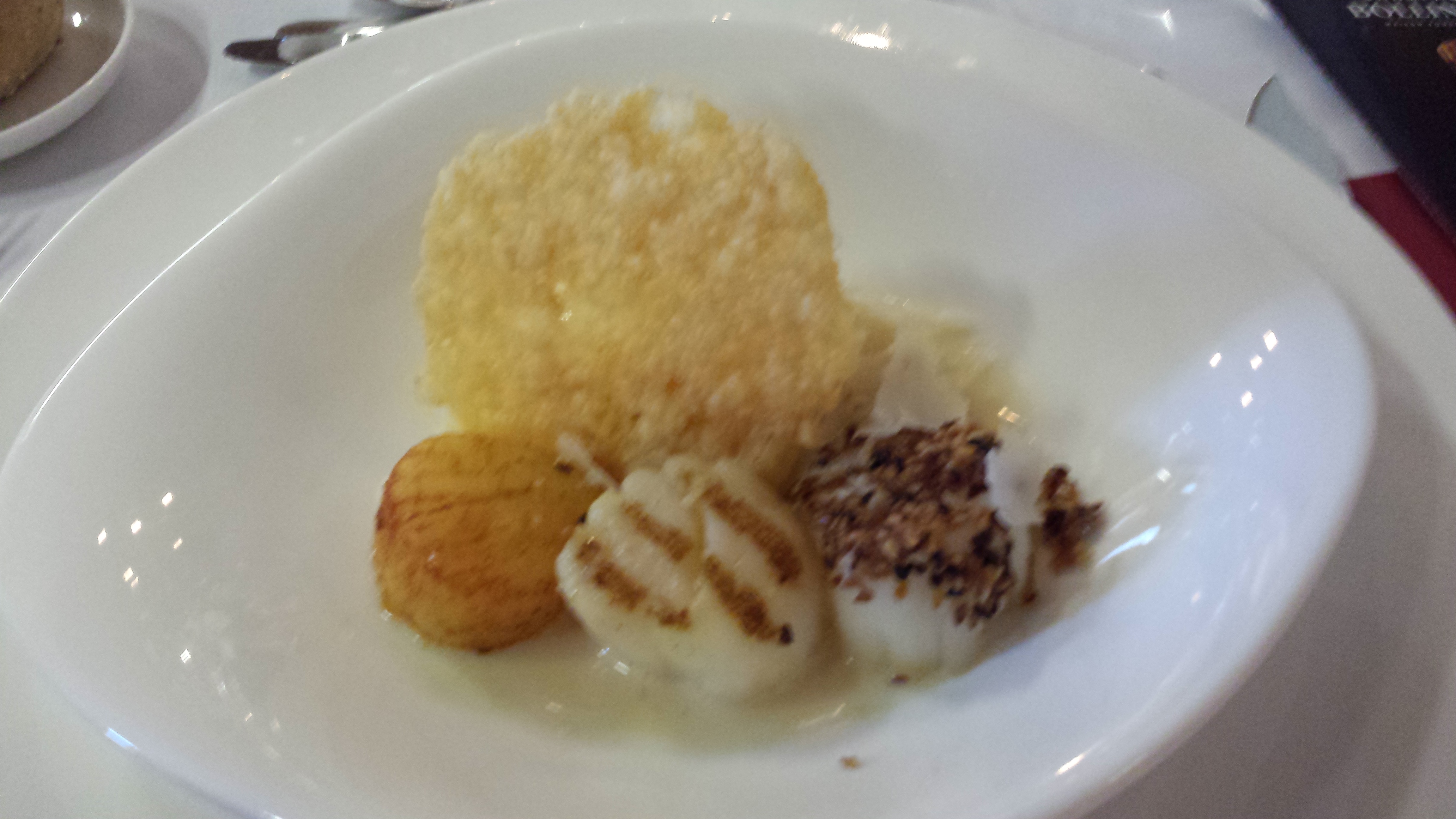
We started with the Special Cuvée that got served with Scallops prepared in 3 ways with petites Rattes du Touquet, Guérande salt and a Parmesan crisp.

20140312_125917

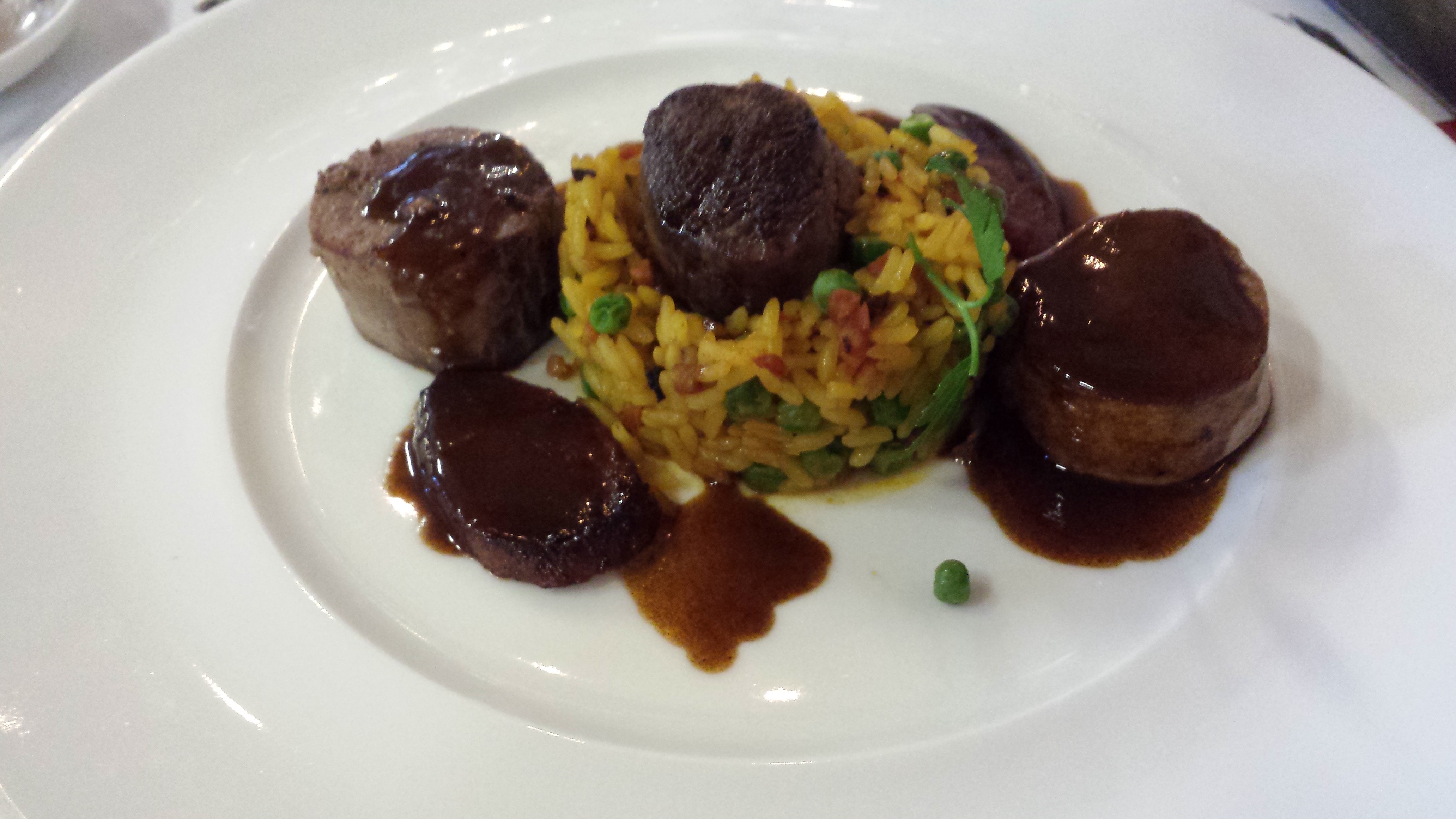
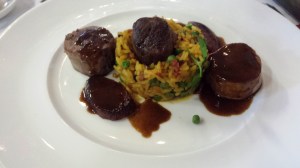
Followed by the 2004 La Grande Année that was served with Iberian Filet mignon, saffron and chorizo rice.
20140312_131912

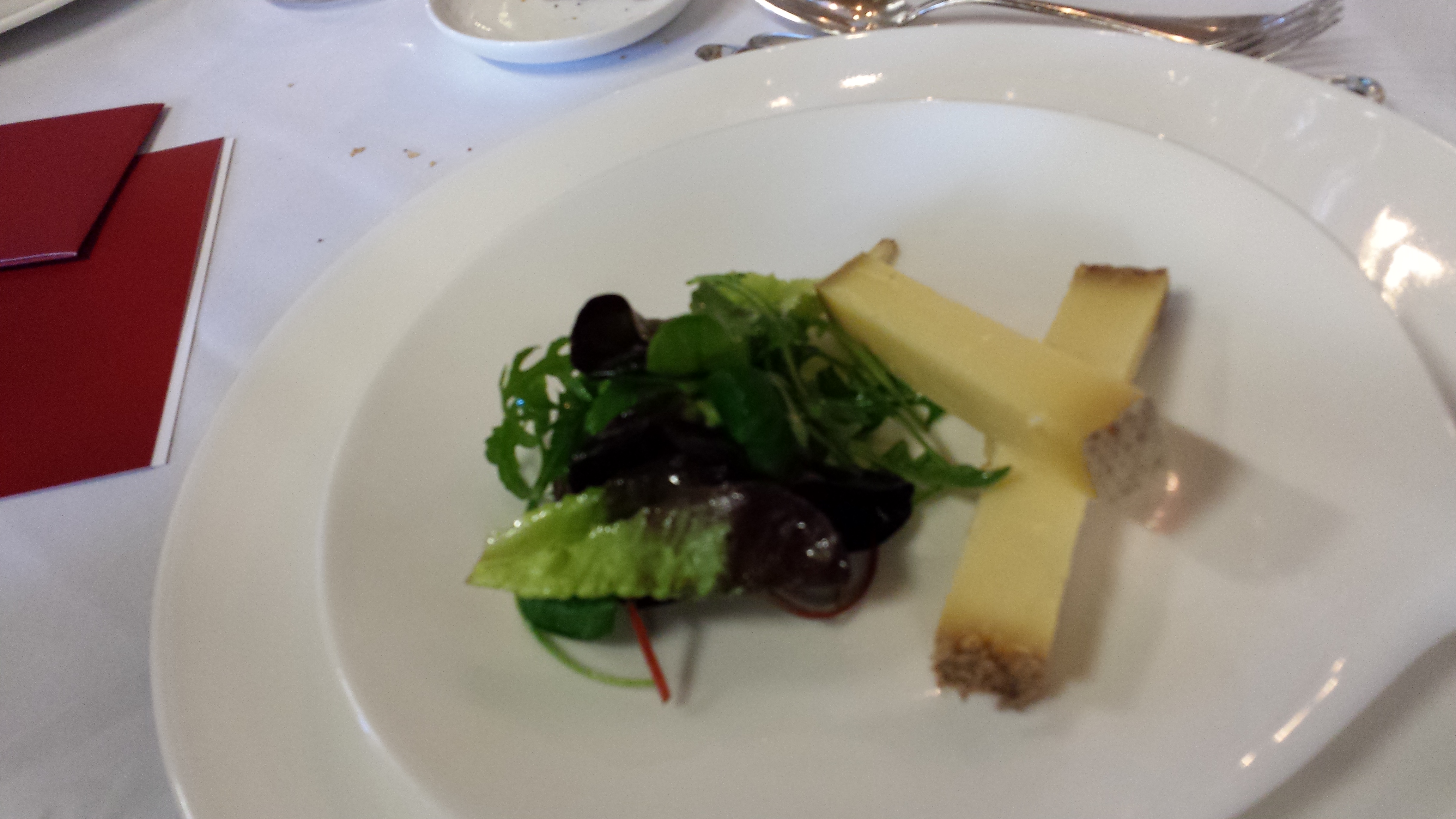
With the 2002 RD came an cheese assortment Comte de Reserve and Gruyère de Garde.

20140312_134852

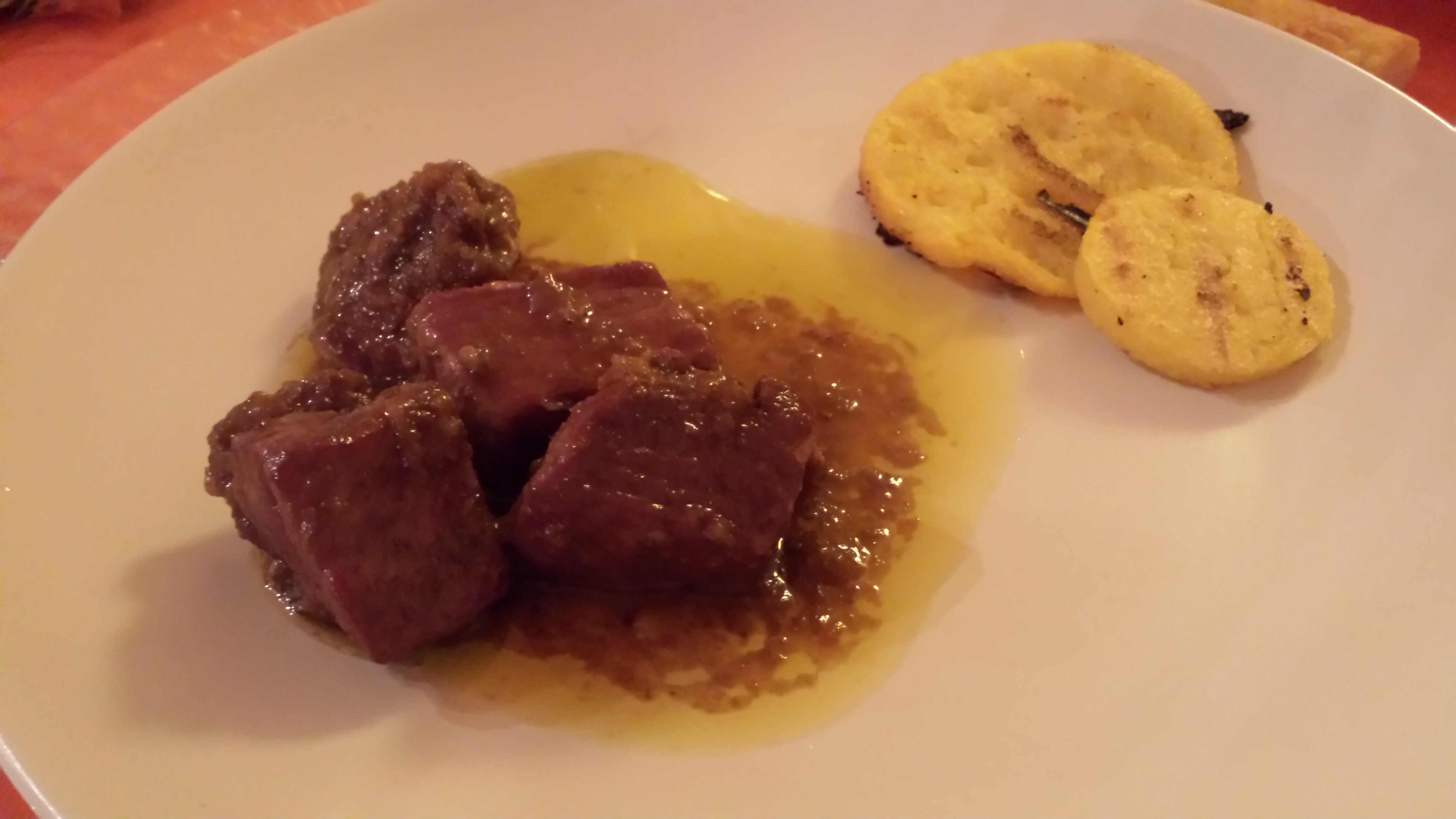
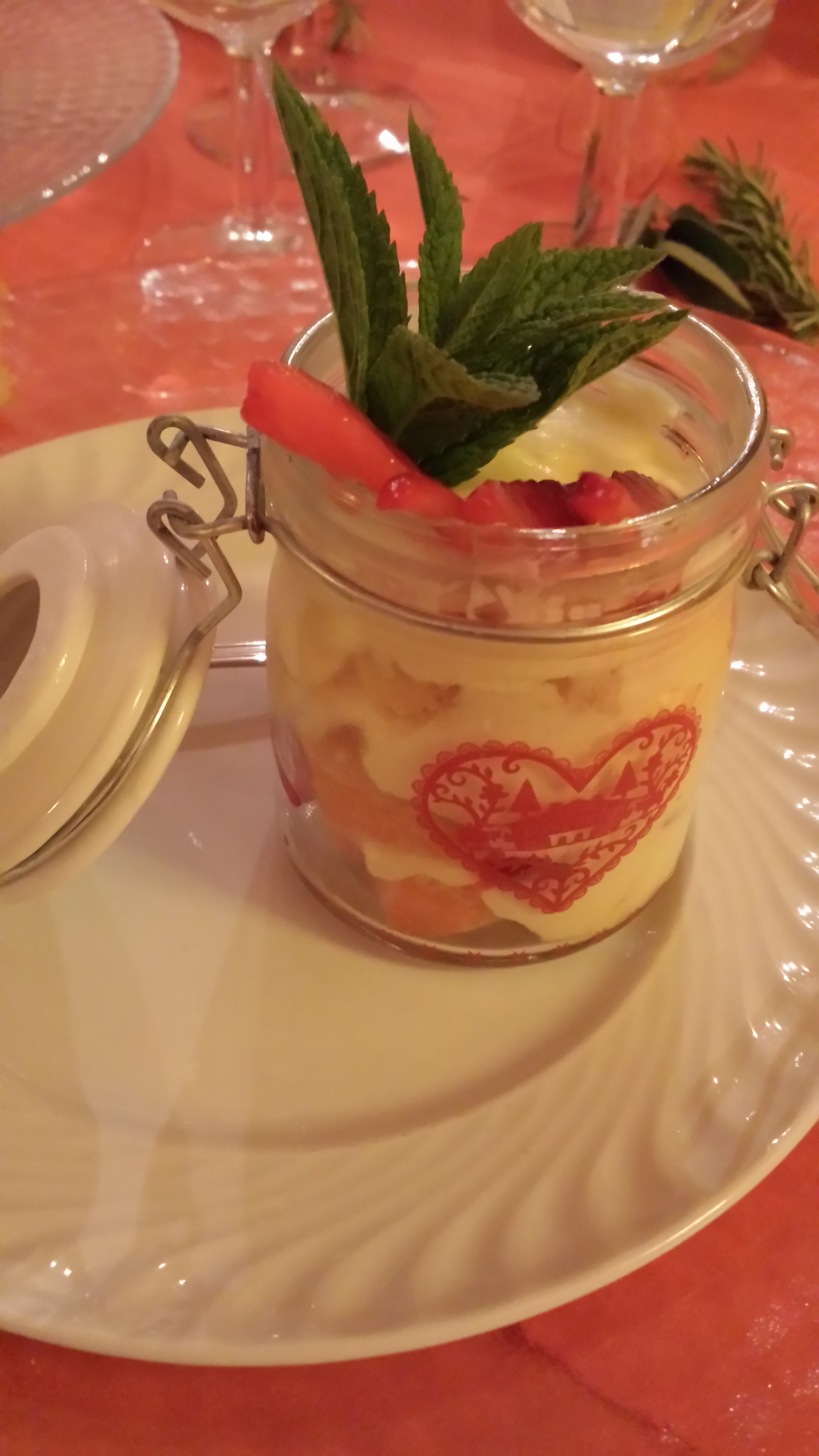
For with the dessert they had foreseen Bollinger Rosé… which was a perfect ending of a great meal.

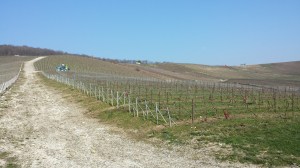
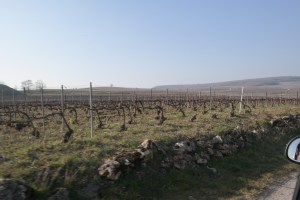
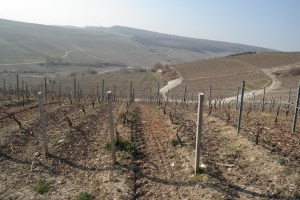
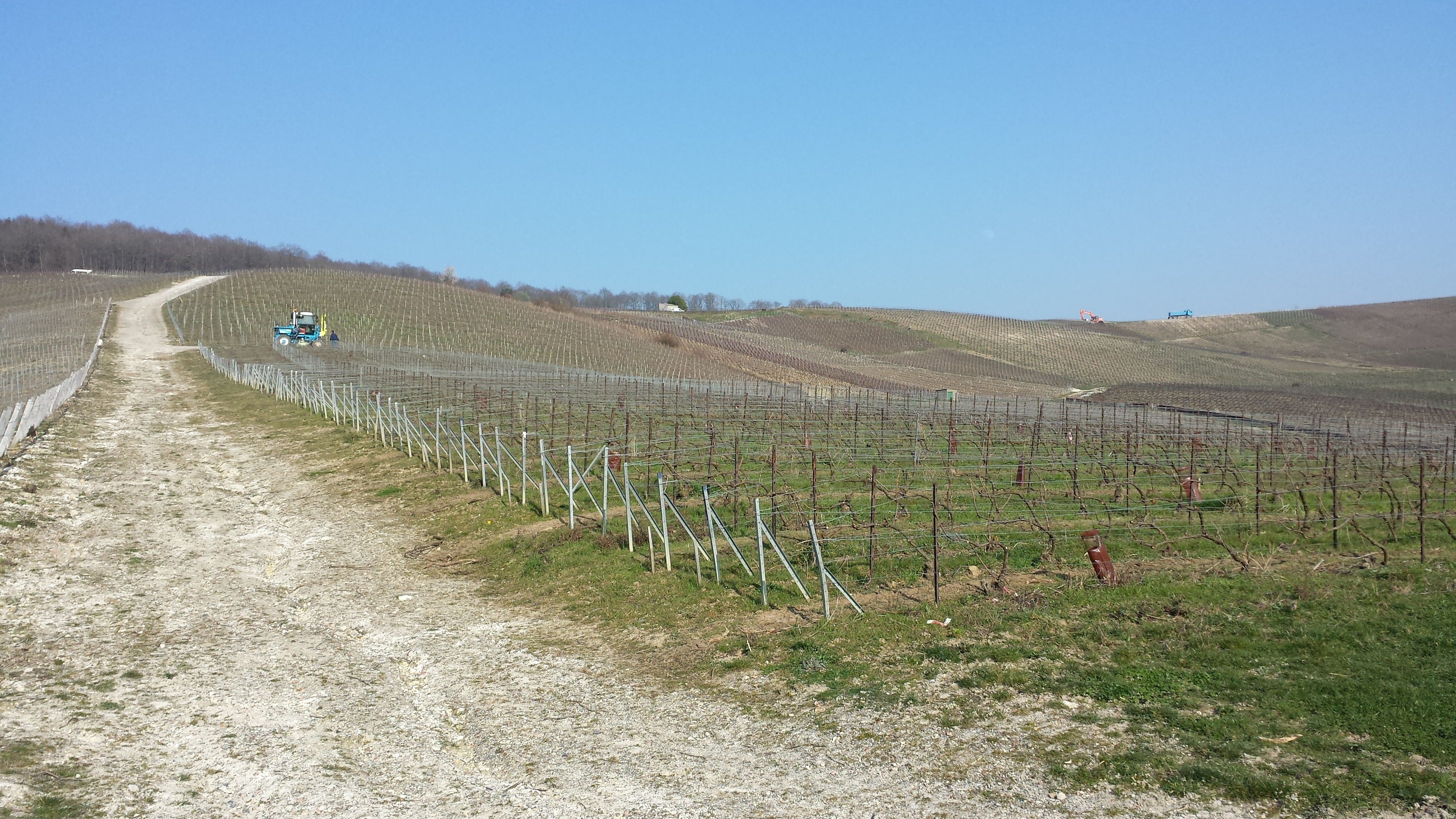
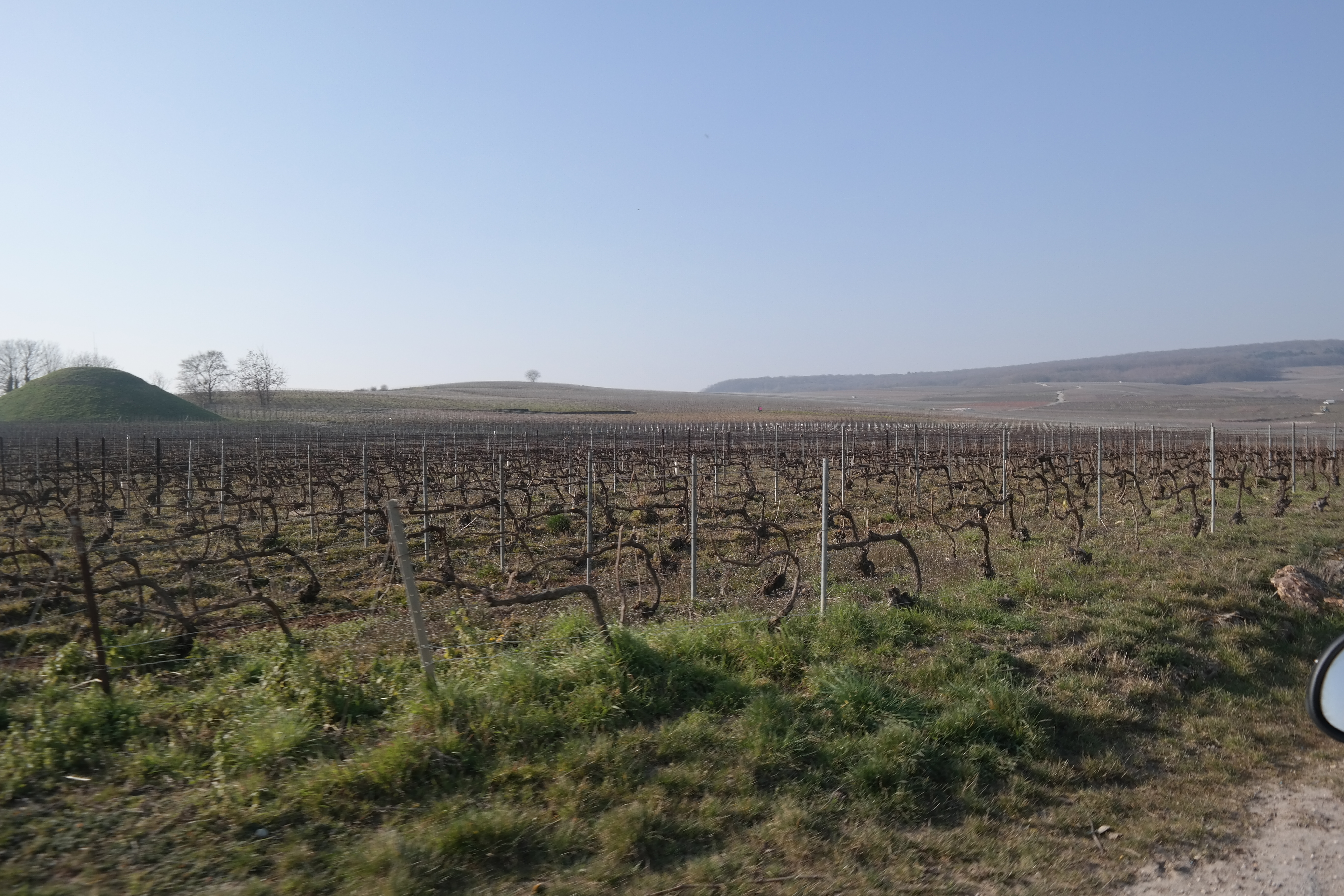
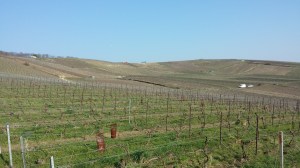
But the perfect ending of the day in Ay was after visiting the vines in the sunshine…

20140312_142756

My personal favorite Champagne is the 2004 La Grande Année if I’d have to pick one. My private wine collection will be growing again 😉 😉

20140312_144504

I could keep going on and on about Bollinger or Champagne… but I promised to keep it short 🙂
20140312_155019

20140312_155121

SAMSUNG CSC

SAMSUNG CSC

SAMSUNG CSC

SAMSUNG CSC

SAMSUNG CSC

So next time you’re buying champagne you can compare and find out Bollinger (taking into account what I said above) isn’t the “exclusive” overpriced champagne, but a bottle filled with love, care and lots of patience aka Quality!

Helping others to empty the “garage”

If I can help people or make them happy, I’m always there…this got proven again last week when my dear friend William Wouters (Top sommelier and owner from Pazzo) asked me if I want to join him to taste wines from Quinola during a lunch at restaurant Les Eleveurs in company of a few friends (Jaime Suarez (owner/ oenologist Quinola , César Ramon (sommelier Comme chez soi), Andy De Brouwer (sommelier/ owner Les Eleveurs ), Aristide Spies (Finalist of the best sommelier of the world contest)  to name a few). So again if I can make people happy… I obviously don’t do this for myself 😉 😉 (Strange they didn’t name a street after me yet 🙂 )

Aristide & Jaime

César & Andy

A few things you should know about the Quinola vineyard is first of all that it located in the North West of Spain on an altitude of ca. 800m (close to Portugal) and that they only make 1 type of wine from which they only produce around 5000 bottles a year. Making wine actually runs in the Suarez family as Jaime and his two brothers learned a lot from their dad as he was a very well known oenologist. Although if I understood it well it is mostly Jaime occupying himself in making the wine, and his two brothers more on the administration and the selling. They (Suarez Family) call their wine “garage” wine, but I can say for a fact it was more than only a “garage” wine 🙂 . I must say the result is even quit exceptional!

Quinola wine

The Quinola  wine is made 100% of the Tinta de Toro aka Tempranillo grapes from 90 years old vines.  The most important or most surprising for me is the way they make their wine as I have never seen something like this before. After harvesting all the grapes they immediately put them in barrels?! Yes indeed so they don’t filter it or let it age in Inox tanks before putting it in wooden barrels. I really didn’t know wine got made this way… I could say that nature does all the work here, but they have to turn the barrels a few times a week (I even think 8 times a day if I remember it right…) so the manual labour can’t be ignored here.  Jaime told me that it was in Bordeaux where he first saw this technique (and even there it is not used a lot) and where he learned more about… but it wasn’t until when he went to Australia that he started experimenting with this technique. (So you can see that making their wine this way didn’t go over one night’s ice).

Quinola

I cannot think of a better way to taste the wine than with food 🙂 . What is great when you have lunch with top sommeliers is that they wouldn’t be top sommeliers if they didn’t bring other wines to put next to the Quinola wines.   They brought other wines not per se to compare, but just to make this lunch an even more incredible one… In case you are wondering what kind of wines, i’ll just name a few: a 1999 Tetre Roteboeuf (Saint Emilion Grand Cru), a 2002 Tarlant Bland de Meuniers champagne, a 1994 Joseph Roty (Bourgogne), a 2009 Meusaul-Pierrieres 1er Cru, etc… I know for the people who don’t know that much about wine this doesn’t go their heart go faster, but for those who do I’m sure they wouldn’t have mind trying these ones ;-).  What I must say it that even though we had some great wines, the Quinola  didn’t vanish… I mean that it could perfectly stand in line with those wines I mentioned before as  Quinola   is rich of flavour and body (I must add it is slightly strong –  15%). We tried the 2008, 2009 and 2010. William and all the other top sommeliers said they preferred I think it was 2009, but for me they were all good 🙂 Taking the picture below wasn’t an easy task as every time I the picture, a few minutes later a new bottle would be added… so at some point I just stopped taking pictures 🙂

20140302_162041

Feast your eyes on the menu chef Nico Corbesier served us:

Some mussels to open the taste buds

20140302_131758

Atlantic cod (Skrei) sashimi, crispy skin, pear and avocado

Atlantic cod (Skrei) sashimi, crispy skin, pear and avocado

Millefeuille of potato with beef shank and a soft yolk and persillade (I took the picture at the last moment when I just poked the egg yolk with my fork, so that why it is not round anymore 🙂 greedy me I guess)

20140302_142920

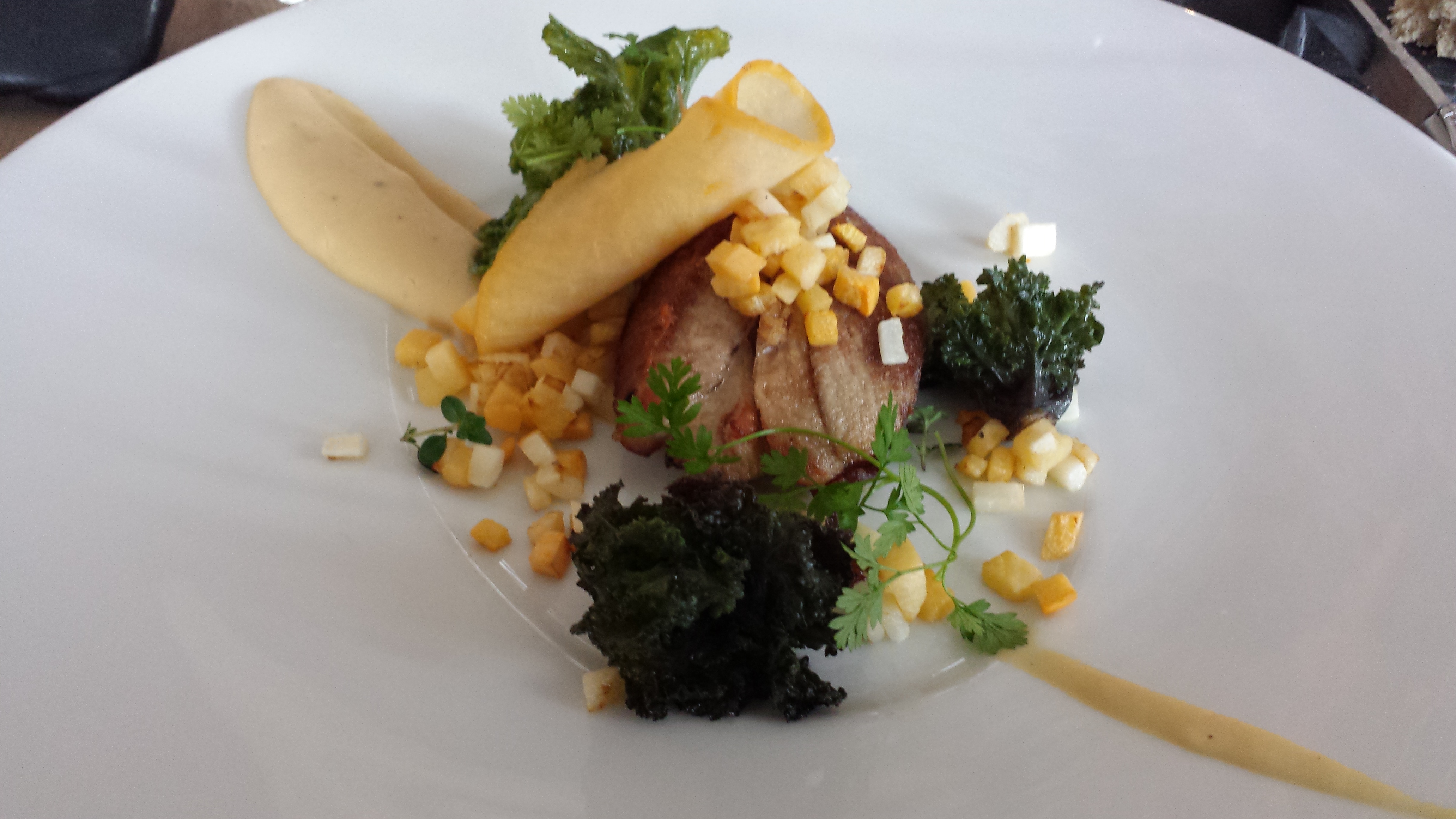
Lamb Shoulder with chervil, parsley root with buttermilk and sprouts flower

Lamb Shoulder with chervil, parsley root with buttermilk and sprouts flower

Bavarois of white chocolate, pistachio and chartreuse

Bavarois of white chocolate, pistachio and chartreuse

I think a little trip to Spain is presenting itself 🙂 … for those who didn’t read between the lines, I like the wine and you”ll be ready more about this wine in the future 🙂 as I really would like to see how they make this magical wine :-). I’m really happy I was part of this wonderful lunch with great wines and great people

Thanks to everybody!! Also to Jan De Laet for the musical intermezzo.

20140302_135110

A real Tuscan treat

Fattoria Fibbiano 4

What usually stops me from drinking Tuscan wines is the fact that even though there are lots of good wines in this region, there is also lots of rubbish… What people need to understand is that, it is not that because a wine or product is from a particular place it therefore always is wonderful… as it isn’t!! What makes a wine or product good is the care of a farmer, craftsman or viticulturist of course in combination with good soil, weather, etc… Luckily there are still craftsmen or winemakers left who want to make a good product or in the case of Tuscany winemakers wanting to make a ‘real Tuscany wine’ as Matteo Cantoni from Fattoria Fibbiano calls it.

Fattoria Fibbiano 2

I probably already mentioned it in previous posts, but more than ever cooks and winemakers are thinking as the French call it ‘terroir’. Meaning that they try to use local and even primitive products as much as possible to make their end product.  At some point I’m glad it is turning this way as I’m of the opinion that when you for example go on holiday to Thailand, Spain or where ever, that you can eat, drink and try the local things instead of stuff from other countries (as good as they may be). So I’m a fan of this “new” wind.

Fattoria Fibbiano 3

That is what Matteo Cantoni meant with making ‘ real Tuscan wine’ as at Fattoria Fibbiano they only use authentic from origin Tuscany grapes. Instead of using Merlot or Carbernet grapes  they use Sangiovese,  Canaiolo , Colombana, Colorino and Malvasia from vines that are over 100 years old and playing with them to make some very nice combinations. What you should maybe also know is that Matteo together with his family (Brother, Parents, …) only took over the vineyard of Fattoria Fibbiano 20 years ago. Fattoria Fibbiano itself had already been used as vineyard over 100years 🙂 For people only doing this for such a short period of time they have done a really good job in bringing back the real Tuscany!!   Fattoria Fibbiano is a rather small vineyard, they annually only produce 120.000 bottles of wines (all types together).  So you can imagine getting hold of a bottle isn’t always as easy, but not an impossible mission.

Capture

IMG_20131204_192845

When talking to Matteo Cantoni, he stressed out that his purpose of making wine is making drinkable wine… meaning the wine can drunk immediately with exception of their ‘Ceppatella’ (that can be compared with a good Brunello di Montalcino) that is at its in a few years and can be left in your cellar for easily 15 years (but if wanted it can already be drunk now, but best to first decant that it gets some air). Matteo said his Ceppatella from 2005 is now perfect to drink.

Ceppatella

Besides the Ceppatella which is the tip of the iceberg from Fattoria Fibbiano’s gamma, we also got to taste their following wines:

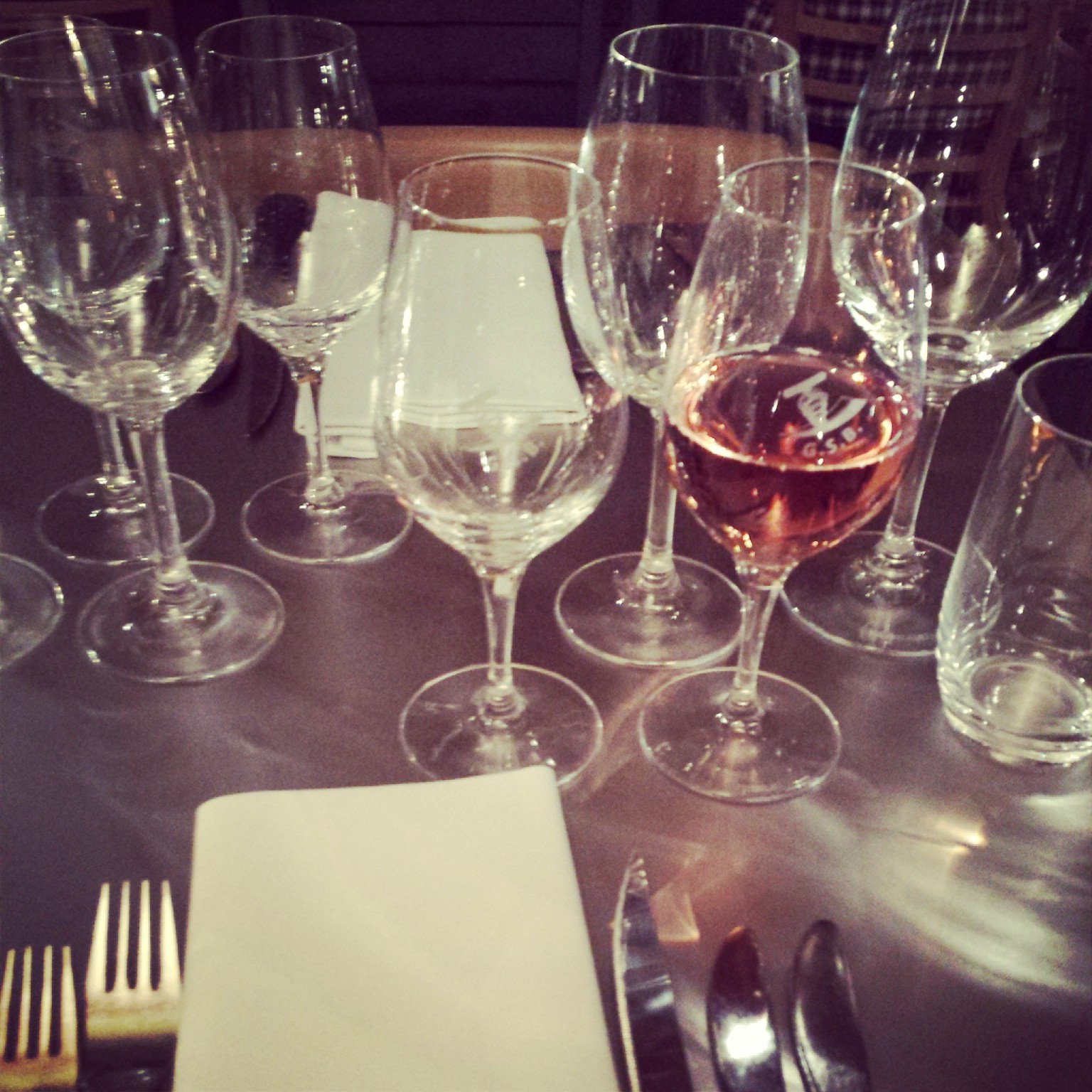
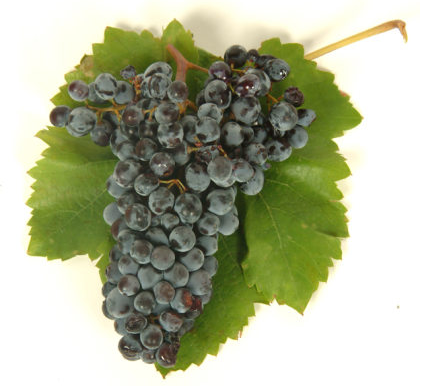
  • Sofia: a rosé wine (yes rosé from Tuscany) made from 100% Sangiovese grape. Something I think is almost unseen in Tuscany wine making. As they always want to keep the Sangiovese for making strong red wine. A wine that gives rosé another dimension.

Sofia

  • Fonte delle Donne: a white wine made with a combination of 50% Vermentino grapes and 50% Colombana. Resulting in a floral smelling wine with a rich taste to it 🙂
  • Le Pianette : probably the most special grape combination as they use 70% Sangiovese and 30%Colorino  that back in the days got used for coloring the wine (because of the thick skin of the grape) and giving it a good smell… I couldn’t tell what the smell was, but it had a sharp and typical sangiovese aroma and taste.
  • L’Aspetto : a red wine and I think the star of the evening as price-quality this is a very good wine. It was a more complex wine than the previous one with a delicate wooden smell to it (very subtle smell) . About the taste, I know I’ll be cliche, but I tasted strawberries 🙂 and as I like that taste, I liked the wine… it is as simple as that 😉

L'aspetto

I think I’l l be having some L’Aspetto  and  Ceppatella in my wine cellar veeeery soon 🙂

If  you also feel like tasting or want to know where to buy the Fattoria Fibianno wines, please contact Rik de Jonghe who imports wines of Fattoria Fibianno on following email address: rik.de.jonghe@skynet.be

OR you can go to Tuscany (Fly to Pisa) and stay in Fattoria Fibbiano’s Agriturismo (a bit like a B&B) and give the wine that little bit extra aka la dolce vita Toscana ( oooooooh yeah)

Fattoria Fibbiano

The southern Italian odyssey

Southern Italian wines don’t make me think of easy to drink wines. When I think of Southern Italian wines I think more of wines with a very high alcohol percentage, about wine makers that prefer quantity instead of quality… But times change and they understood it is better to make a qualitative wine and maybe have less volume, than having a big volume and not selling the wine 🙂 I mean Southern Italy (or southern Europe) has something lots of other places wish they had, the sun almost whole year round!! So they would be crazy not to take advantage of this benefit!! BTW when I speak of Southern Italy I mean everything under Rome.

Zonin Logo

My statement about the tide having turned actually got confirmed at a lunch/wine tasting from Sicilian wines from ‘Feudo Principi di Butera’ and Puglia wines from ‘Masseria Altemura’ both vineyards from the Zonin Group that has already been making wine since 1821. I also couldn’t imagine a better way to taste these wines then accompanied by dishes prepared by one of my favorite chefs Ingrid Neven (Pazzo) and in Company of some of the best Belgian Sommeliers including this year’s winner Yannick Dehandschutter (Sir Kwinten), Kris Lismont (Mondevino), Sepideh Sedaghatnia (‘t Zilte), Luc Dickens (Schone van Boskoop) to name a few and last but not least Lorenzo Zonin 🙂

20131125_120657

Now I’ll first tell you guys something more about the vineyards. I’ll start with ‘Feudo Principi di Butera’. This vineyard owned by the Zonin Family since 1997 has a history that goes much further back in time, I might even say for centuries (read more on following link). What I think gives the Zonin family the  know-how to make wines is first of all the fact that wine making is in their veins and already goes back a few generations. On top of that they also own Vineyards all over Italy which also teaches them how to work with (mostly local grapes) in different weather conditions, soil types, etc… and this could maybe even lead for them to write an own piece of history.  For their Sicilian wines they make use of the grape (amongst other) that has actually put Sicilian wines back on the map ‘Calavrisi’ aka Nero D’Avola (Calavresi is the name used in Old Sicilian Dialect). Which means Red wine (Nero) from Avola (D’avola). The taste of the Nero d’avola can be compared with a Shiraz, that has round tannins  (you know, the circles that stay on the glass when you turn the wine in your glass) and has spicy-red peppery smells to it.

Location Feudo Principi di Butera

Nero d'avola grape

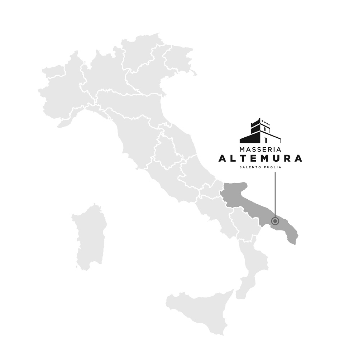
As for their vino Pugliese Masseria Altemura, this estate joined the Zonin group in the year 2000 (No millennium bug for them :-)).  Puglia is an often forgotten region in Italy, not sure why, but it sure is a pity! Like in all their other Vineyards Zonin chose to give the tradition and authenticity a high value and make mainly of a local grape. In this case the ‘Primitivo’, which is also a grape often used in California where it got brought from Puglia mid 19th century. It is better known in California as Zinfandel :-). Although If I want to be entirely correct I should mention this grape has an identical DNA as the Crljenak Kaštelanski grape which is from Croatia (so basically from across the street if you wouldn’t count the Adriatic Sea ;-))…  but try to pronounce that Croatian name, let’s just stick to the origin from Puglia :-). What this wine has as a similarity to the Sicilian ones is I think the red peppery smell .

Location Masseria Altemura

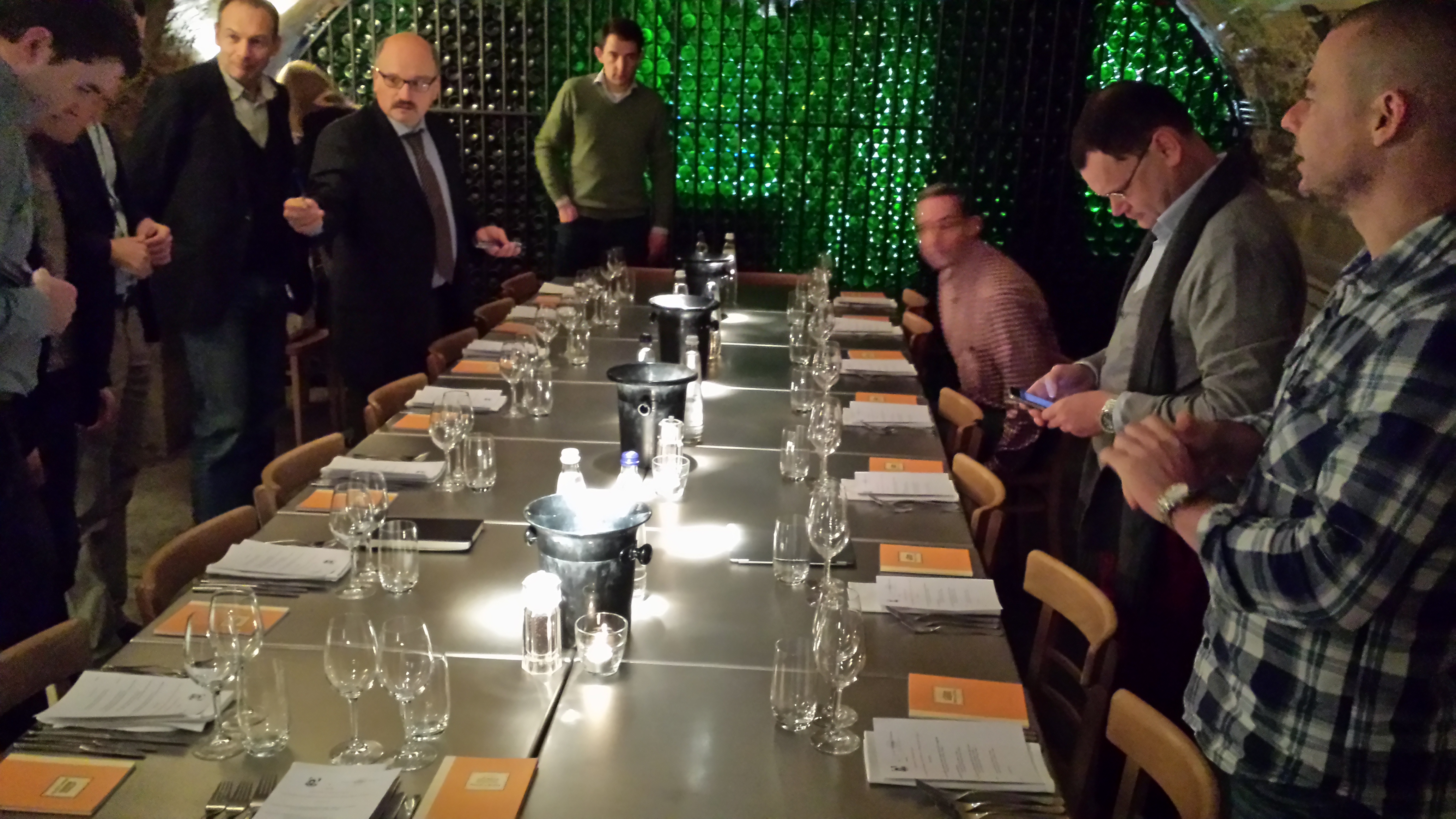
To make our extensive lunch more interesting, with every course we were served 2 different wines from which we had to guess its vintage and to make it more confusing or difficult, 2 times they even gave the same wine but both from different vintage 🙂 The price for the ‘winner’ a magnum bottle of wine 🙂

20131125_122651

Unfortunately I wasn’t the winner of the bottle, but I did win something  during this tasting!!  I have learned a lot about wine again from all the pro’s around me. (no I’m not sucking up to anyone 😉 )

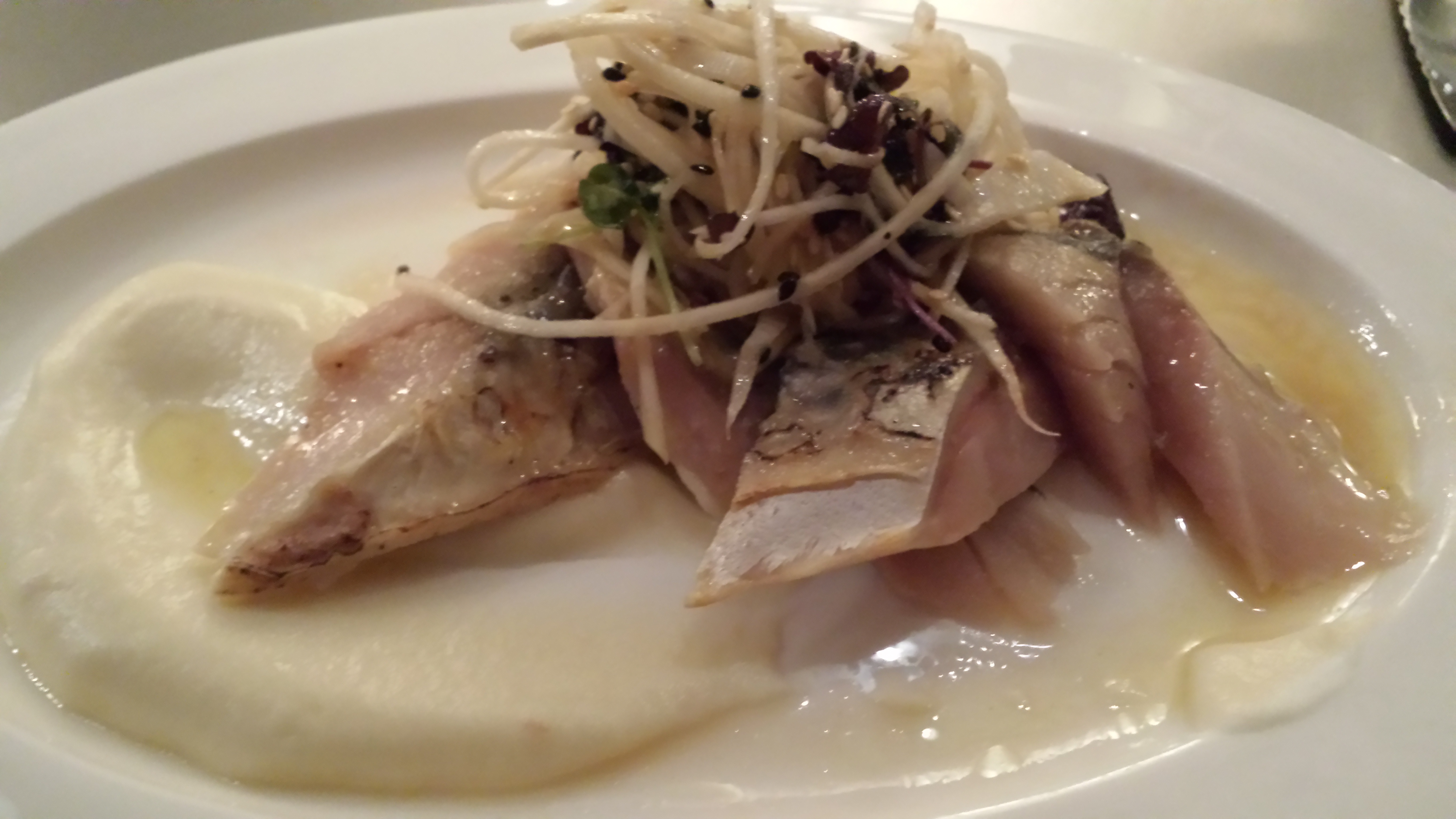
  • With the Sashimi of mackerel , mousseline of Green apple and Japanese vinaigrette  we got served a 2012 Insolia (Feudo), which is a grape that finds its origin in Sicily and some say Tuscany. But also seems to  like the soil and sun in Puglia. Insolia has a typical nutty aroma. BTW this is white wine, which is not that common in Southern Italy (with a few exceptions). Most white wines in Italy come from Friuli/ Veneto.

20131125_125205

Insolia

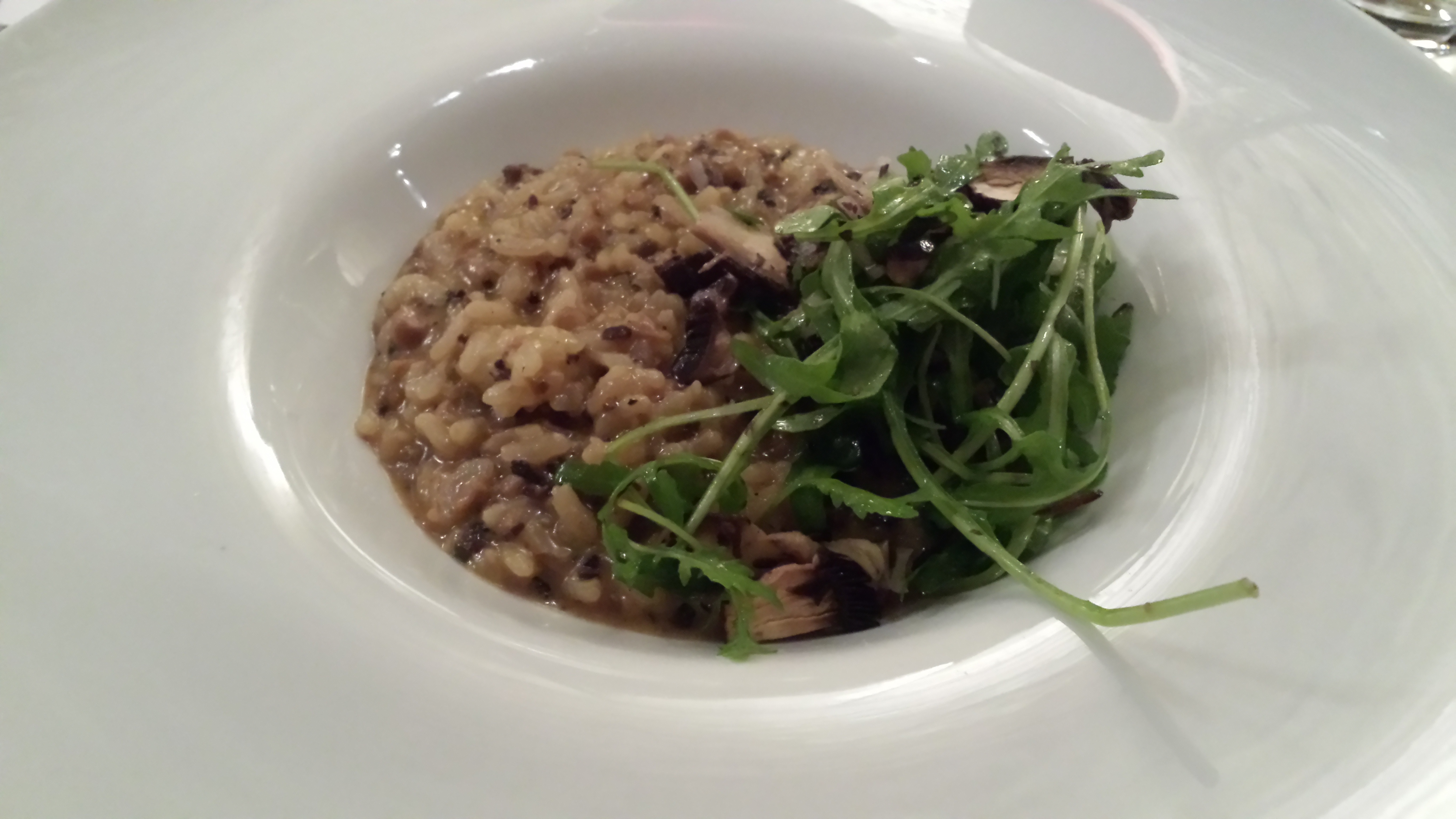
  • The risotto with wild mushrooms came with:

Sasseo 2011 (100% primitive) and a 2011 Deliella (100% Nero d’Avola)

20131125_133421

Sasseo

Deliella

From this point it started to become tricky as with the following 2 dishes we got the same wine, but from a different vintage… if only I had more experience as I only guest 2 out of 4 correct.

  • Filet of pheasant, crushed potatoes with tartufata and a light sauce:

2010 Altemura (100% Primitivo) and a 2008 Deliella (100% Nero d’avola)

20131125_141254

Altemura

  • Cheese assortment (I got something else as I’m not a huge cheese lover, I confess)

2010 Altemura (this was clearly a trick question) and a 2006 Deliella

20131125_145334

Drinking these wines made me feel on holiday in Southern Italy… I’m not sure if my preference goes to the Sicilian wines or the Puglia wines. Maybe I have to try them all over again 😉  Although I think it depends of the moment you’ll be drinking them which one will get your preference.

OMG, I did again… ah well better writing it all than having an empty page I always say 😉

Oh and I know it might seem like it, but I’m not turning this blog into a wine blog 🙂 It is just coincidence there’s a lot of wine involved in my meals lately.

For more info on where to buy these wines check with Hasselt Millesime.

Unknown is unloved, the sherry saga continues

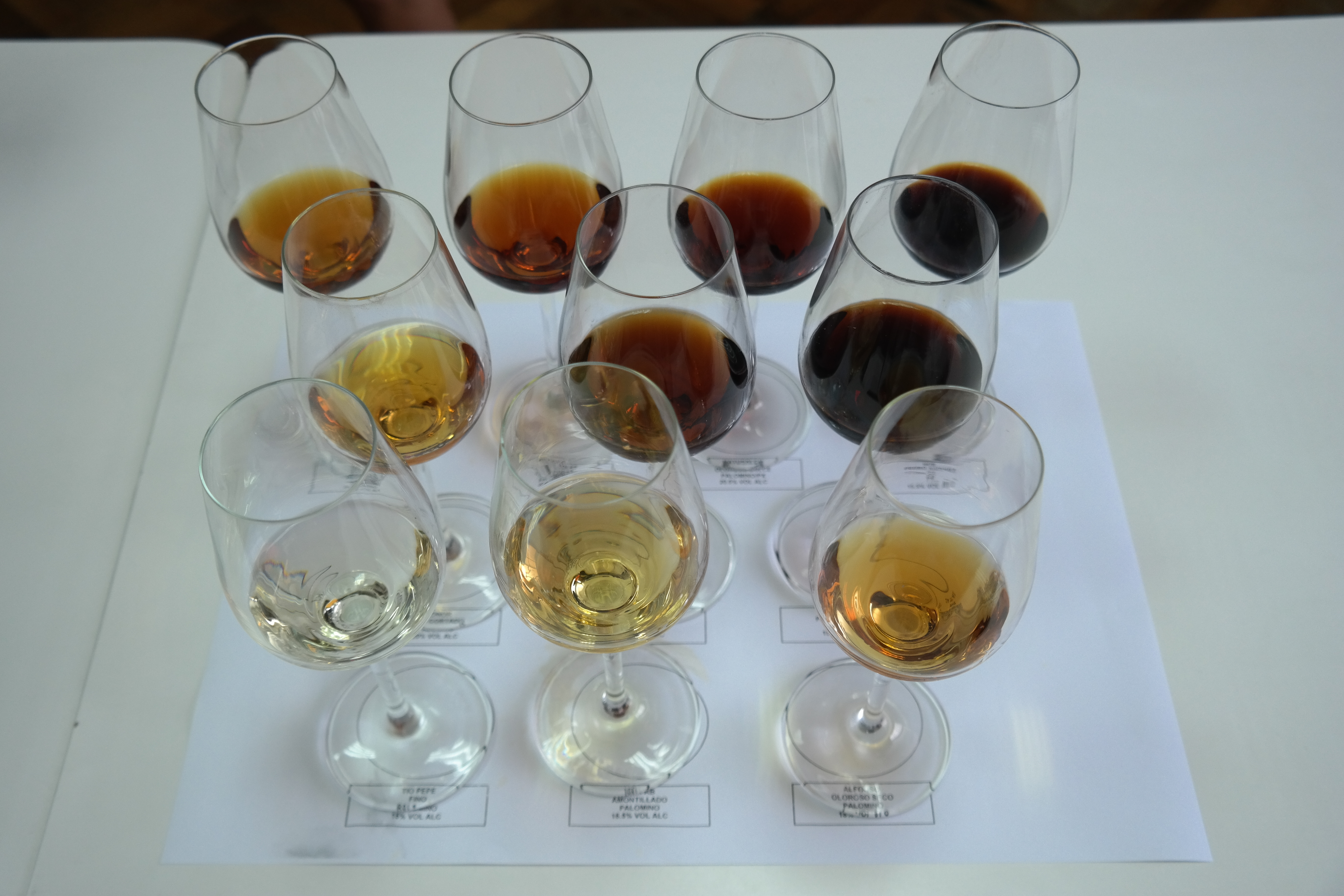
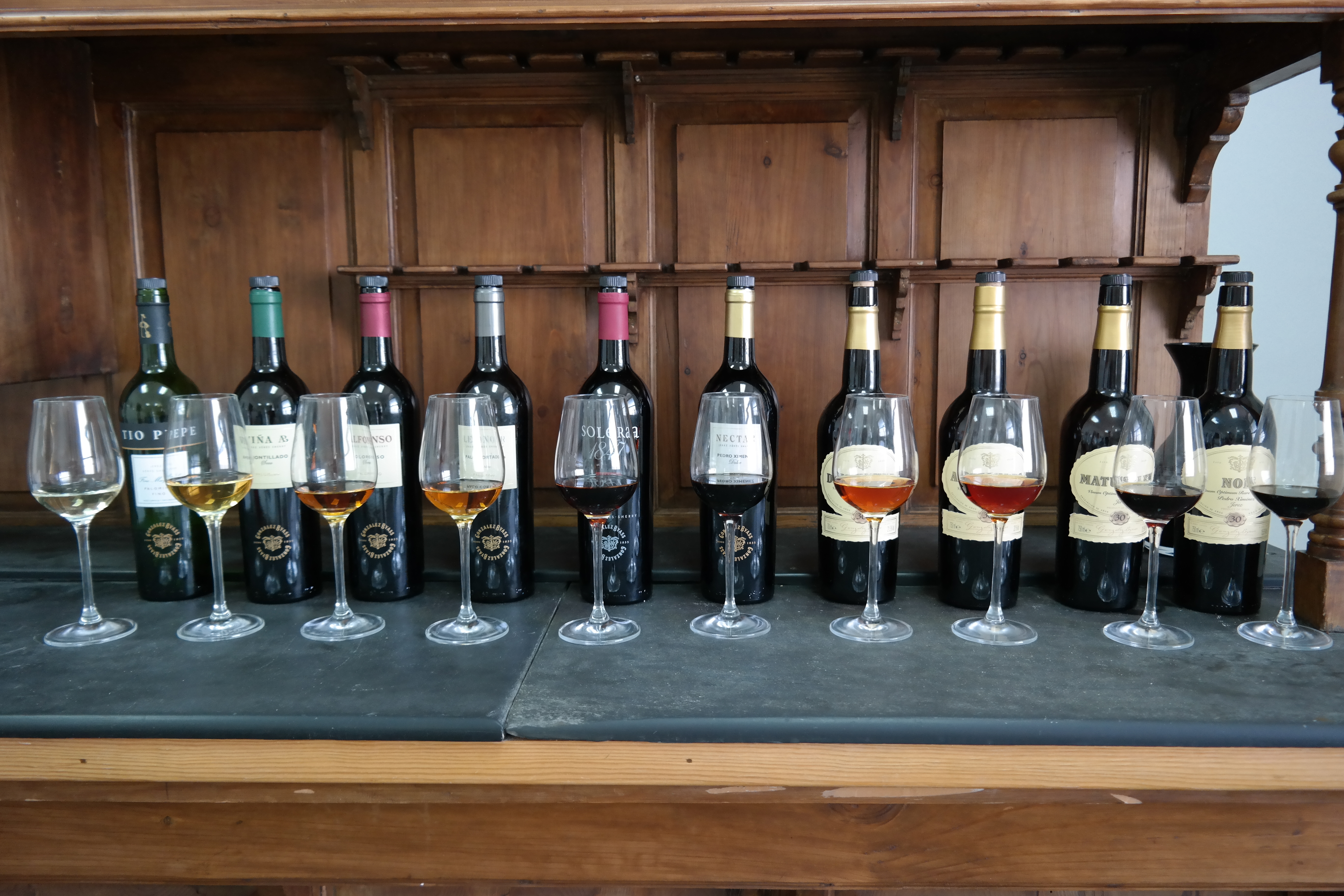
I must confess, I always thought there was only 1 kind of Sherry (I’m sure I wasn’t alone thinking this), but I have never been more wrong as there are a few more :-). Behold and feast your eyes on the different kinds of Sherry:

  • Fino (‘fine’ in Spanish) is the driest and has to me the sharpest smell of them all. The wine is aged in barrels under a cap of flor yeast to prevent contact with the air. This wine is made 100% of Palomino grape and only has 1g of sugar per liter of wine (4 years aging using the Solera system). Goes well with Spanish tapas or sushi.

SAMSUNG CSC

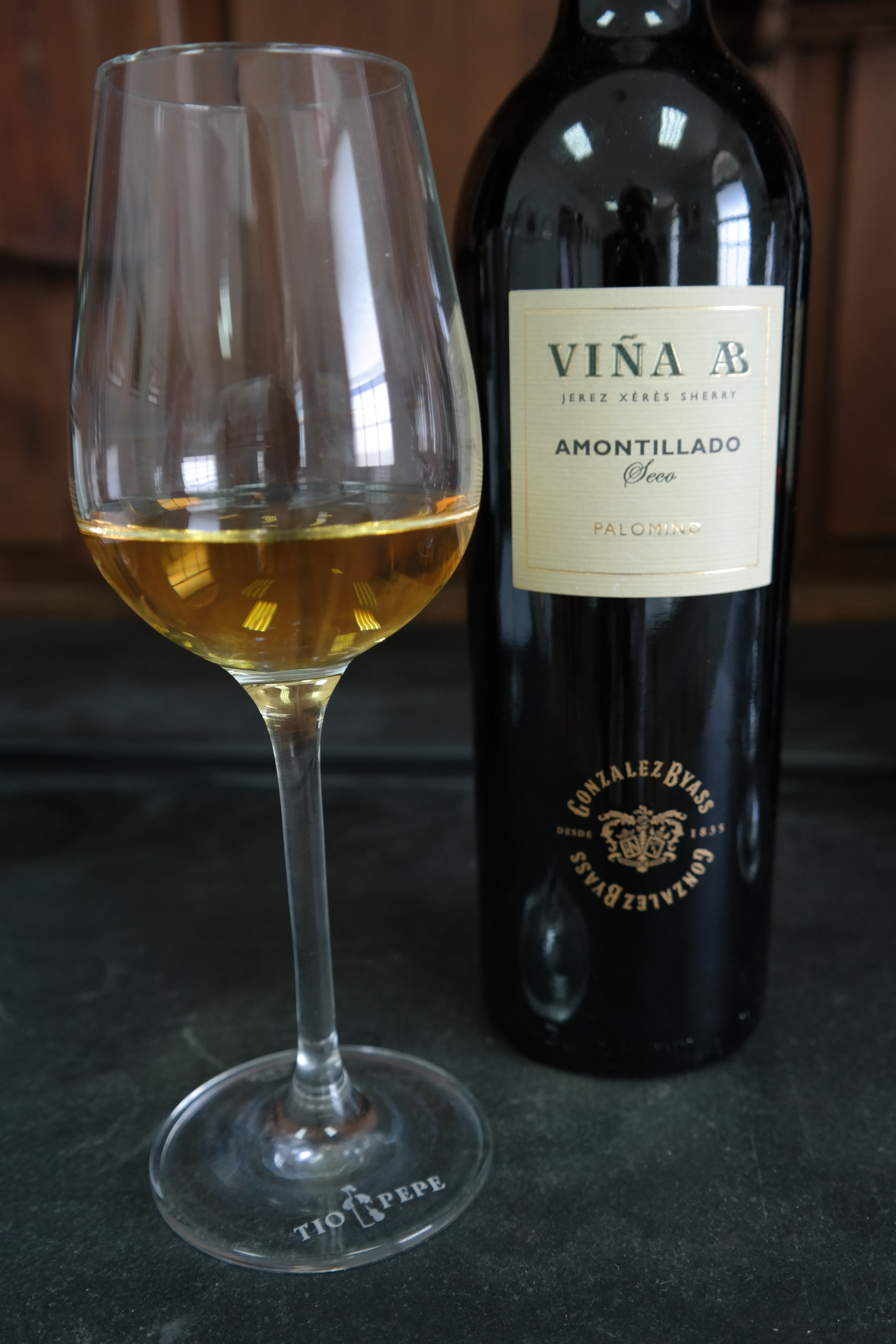
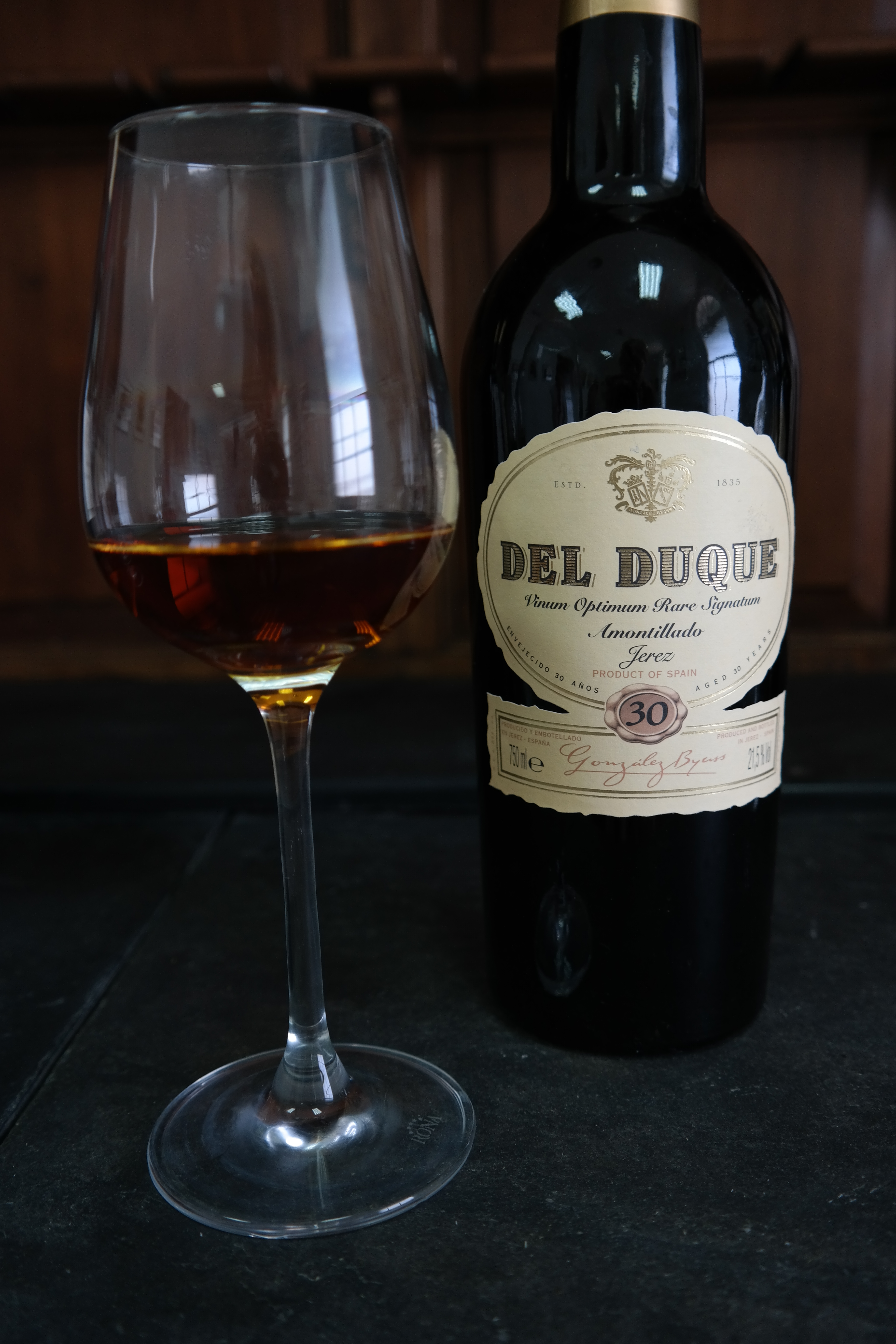
  • Amontillado finds its existence when the “flor” from the Fino disappears and so basically the wine comes in in contact with oxygen, this will give a sherry that is darker than a Fino but lighter than an Oloroso (8 years aging using the Solera system). This sherry has much a softer aroma than the Fino and I could smell some almonds (FYI, the aroma mostly comes from the yeast). Also 100% Palomino, but already a bit stronger alcohol level of 16,5%. This goes well with white meat, fish and aged cheeses.

SAMSUNG CSC

SAMSUNG CSC-> Aged for 30 years.

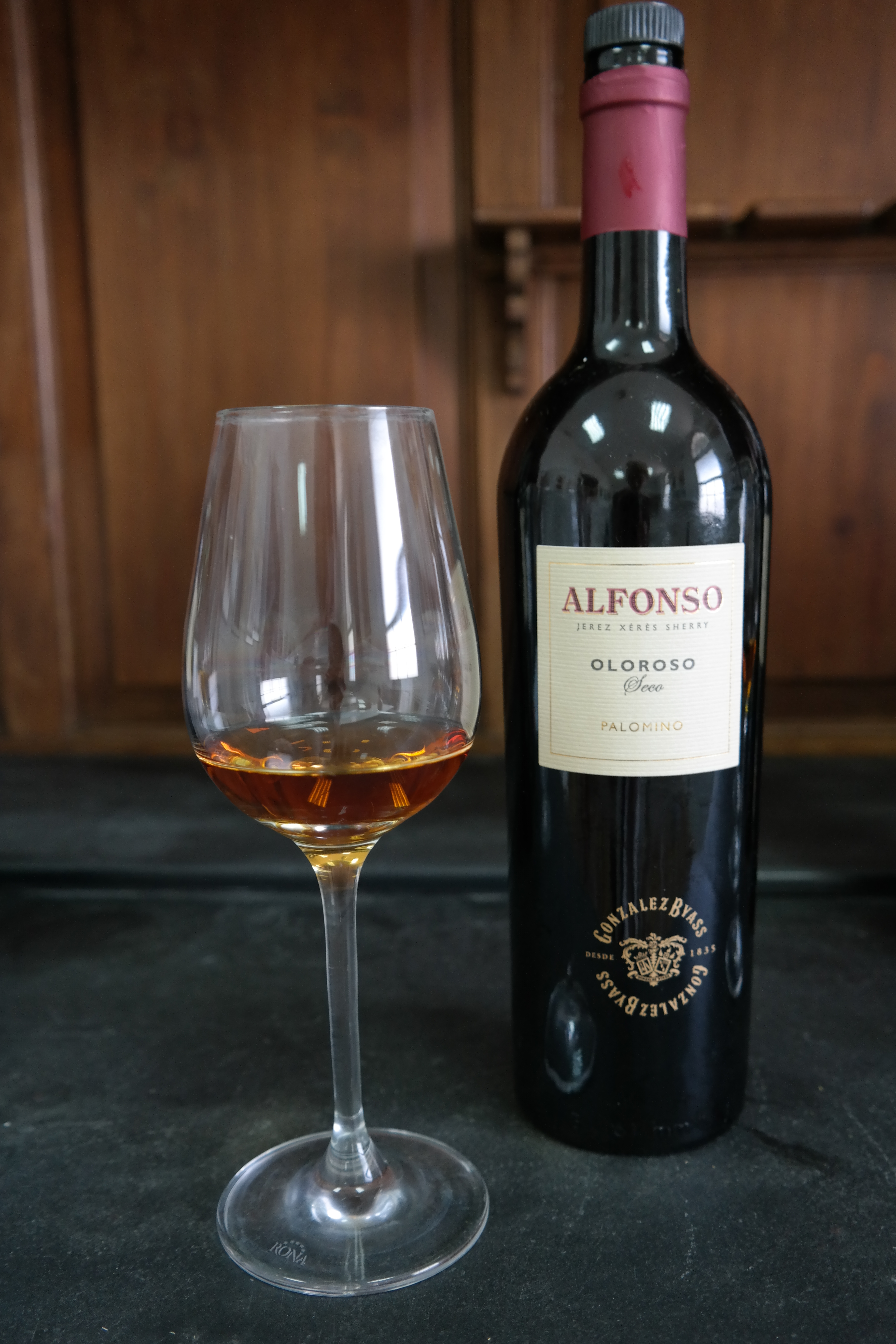
  • Oloroso is my personal favorite (both the “dulce” and the “dry” one) and has aged in contact with oxygen for a longer time than a Fino or Amontillado, (again using the Solera system) producing a darker and richer wine. With alcohol levels between 18 and 20%. I don’t know if it is the fact the Oloroso’s are the most alcoholic Sherries is why I like them this much ;-). Goes perfect with red meat.

SAMSUNG CSC

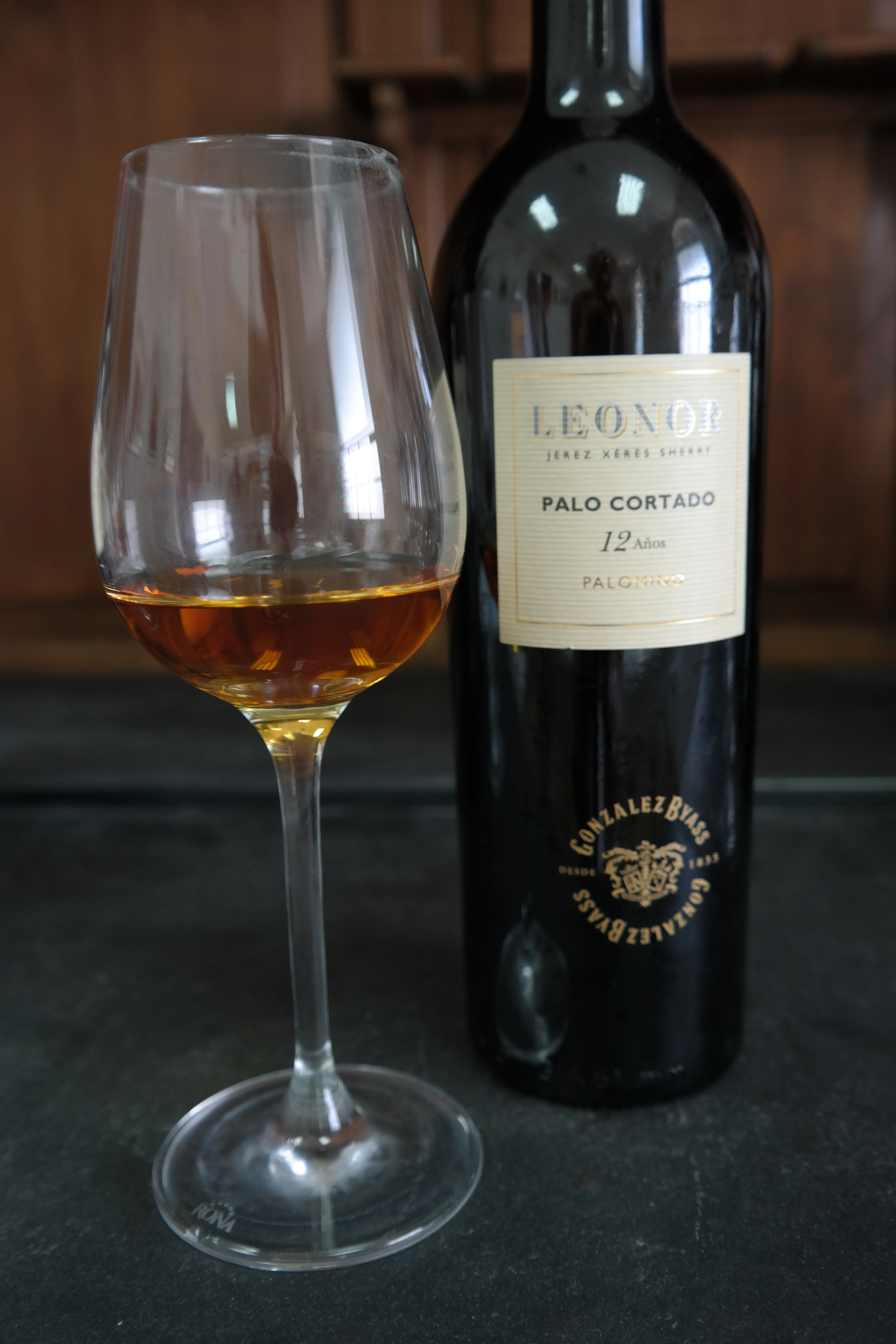
  • Palo Cortado maybe the most unique wine of them all as initially it is aged like an Amontillado and also smells like it, but eventually gets similar character closer to an Oloroso when you taste it. This “mix” happens by accident when the flor dies, or is killed by fortification or filtration. So basically this doesn’t happen very often. Also this wine ages for 12 years using the Solera system and still using 100% Palomino grapes. Goes well with red meats.

SAMSUNG CSC

SAMSUNG CSC -> Aged for 30 years. Mix of 87% Palomino and 13% PX

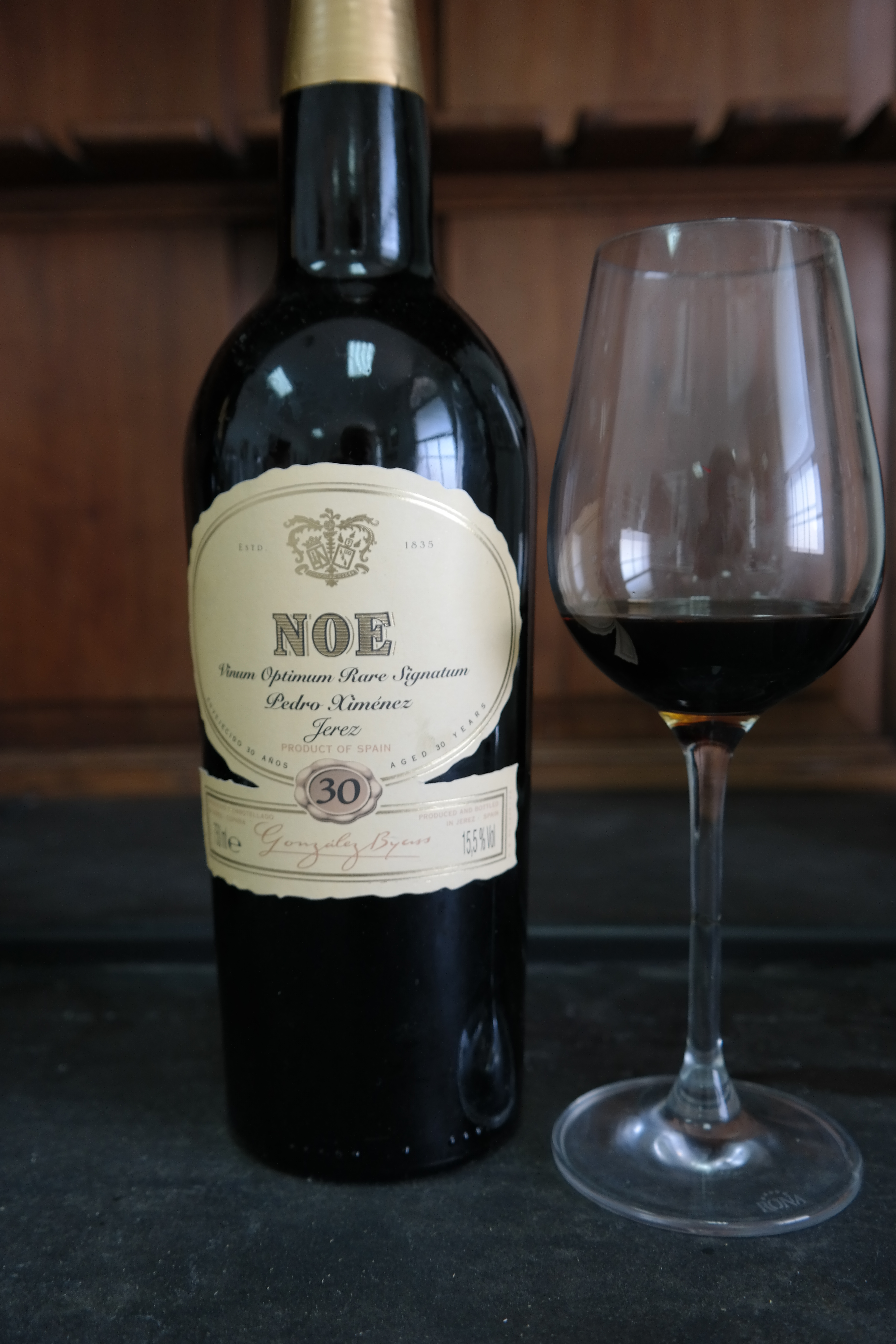
  • Jerez “Dulce” wines (Sweet Sherries) are made either by fermenting dried Pedro Ximénez (PX) (or Moscatel grapes, but less), which produces an intensely sweet dark brown or black wine, or by blending sweeter wines or grape must with a drier variety. Like the Nectar or Noe

SAMSUNG CSC -> Aged 9  years

SAMSUNG CSC -> Aged 30 years. This is also the sweetest wine/sherry they have with around 400g  sugar per liter.

  • Cream is a common type of sweet Sherry made by blending different wines, such as Oloroso sweetened with PX. A good example of this one is the Solera or Matusalem both consisting of 75% Palomino and 25% PX grapes. Don’t worry it is not too creamy

SAMSUNG CSC

SAMSUNG CSC-> Aged 30 years.

It was an eye opener for me to find out there were so many and I know this might all seem weird, but try to put all of these sherry’s next to each other like we did during our visit and taste and compare them attentively and I’m sure you’ll understand it instantly 🙂 just like I did.

SAMSUNG CSC

SAMSUNG CSC

SAMSUNG CSC

SAMSUNG CSC SAMSUNG CSC

SAMSUNG CSC SAMSUNG CSC

SAMSUNG CSC

Isn’t it special that depending in which “stage” the wine is in the it will change its kind? Like It all starts with the Fino and at the moment the flor is not there anymore they speak of a Amontillado and eventually evolve into a Solera which as I mentioned before is one my personal favorites as are other Oloroso’s and Amontillado’s.

The one that was less my taste was actually the Fino. Not that it wasn’t good, its smell and taste was just too sharp for me, but it is very possible that if you put them all next to each other you’d prefer the Fino over the other ones…

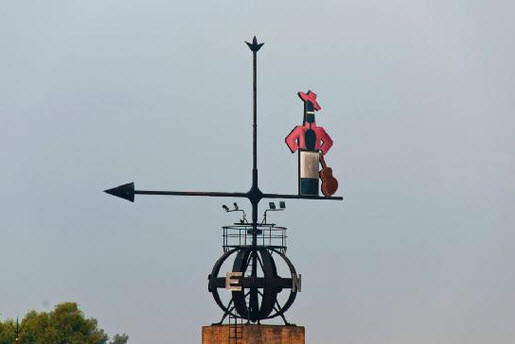
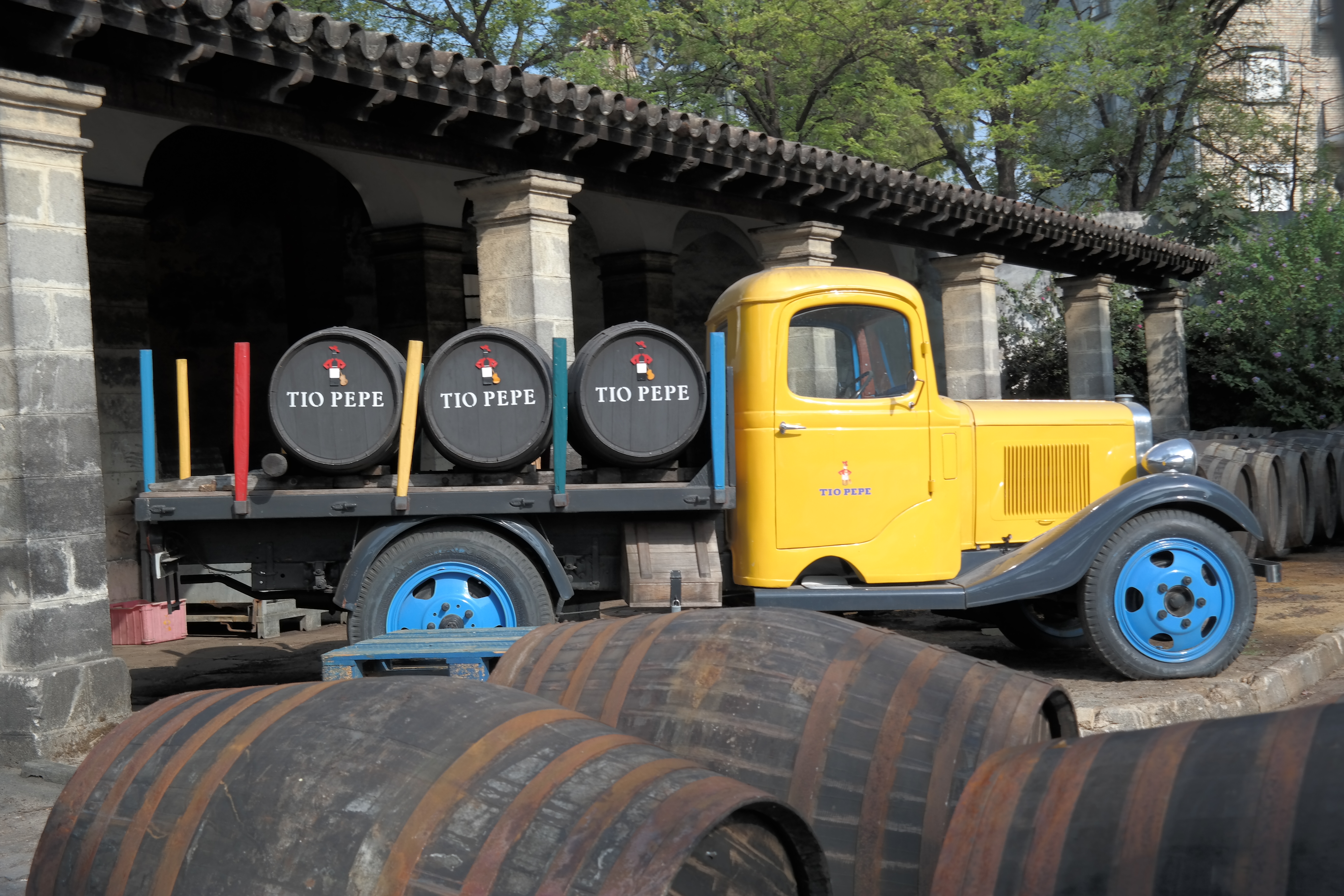
I do also want to share a few anecdotes from the Bodega. The first one would be about Bodega Tio Pepe being in the Guinness book of records :-). Yes, as they have the largest weather vane in the world (48 feet tall, with an arrow 26 feet long).

Tio pepe windroos

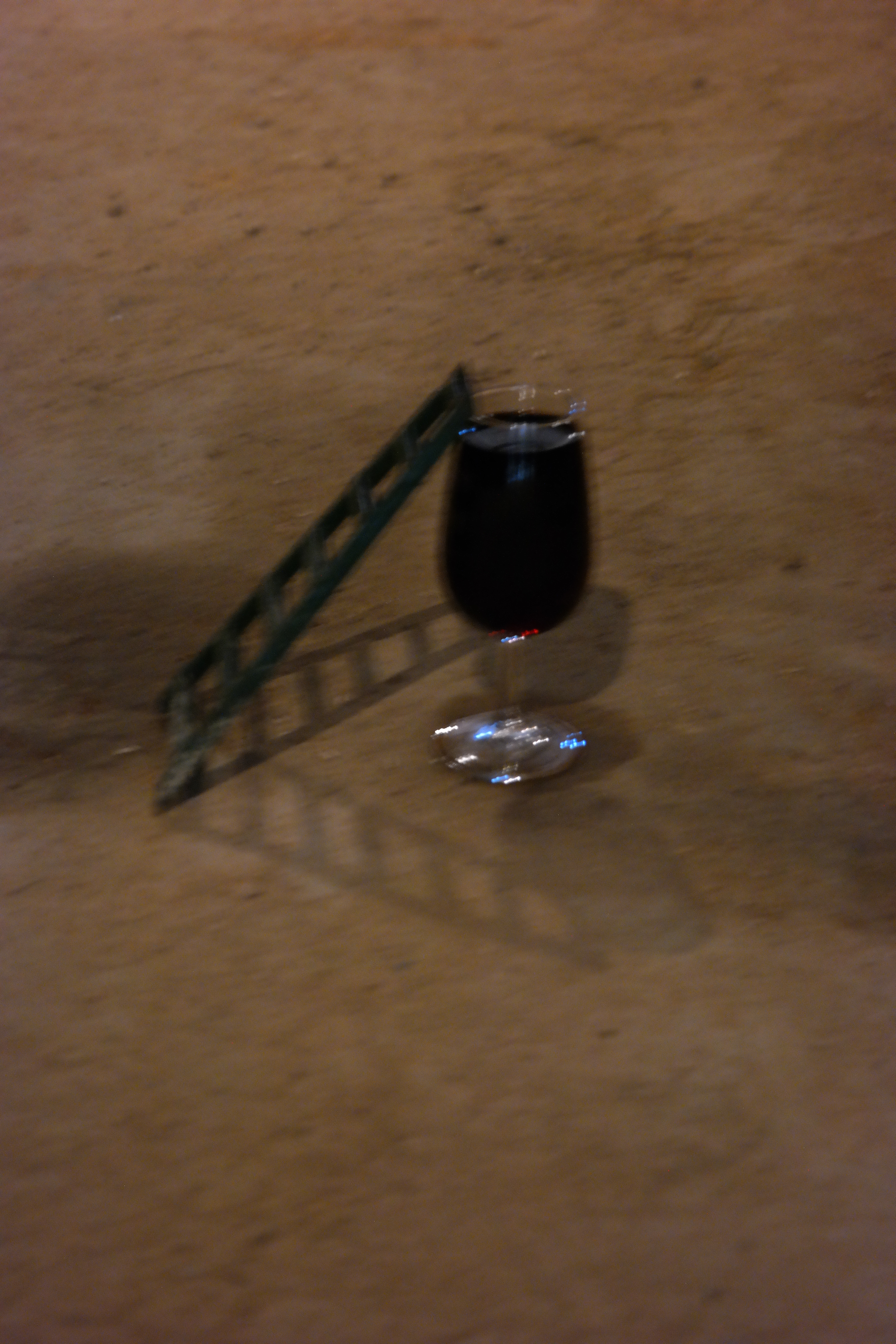
Did you ever hear about the sherry mouse? The story goes that a worker from the founder Manuel Gonzales saw that a mouse was sipping and liking glass of sherry that they had forgotten in the cellar… so since that day you’ll find in that exact same spot a glass filled with sherry with a little ladder next to it specially for the “sherry mouse” being able to have their daily sip of sherry 🙂 (see pictures below)

SAMSUNG CSC

SAMSUNG CSC

SAMSUNG CSC

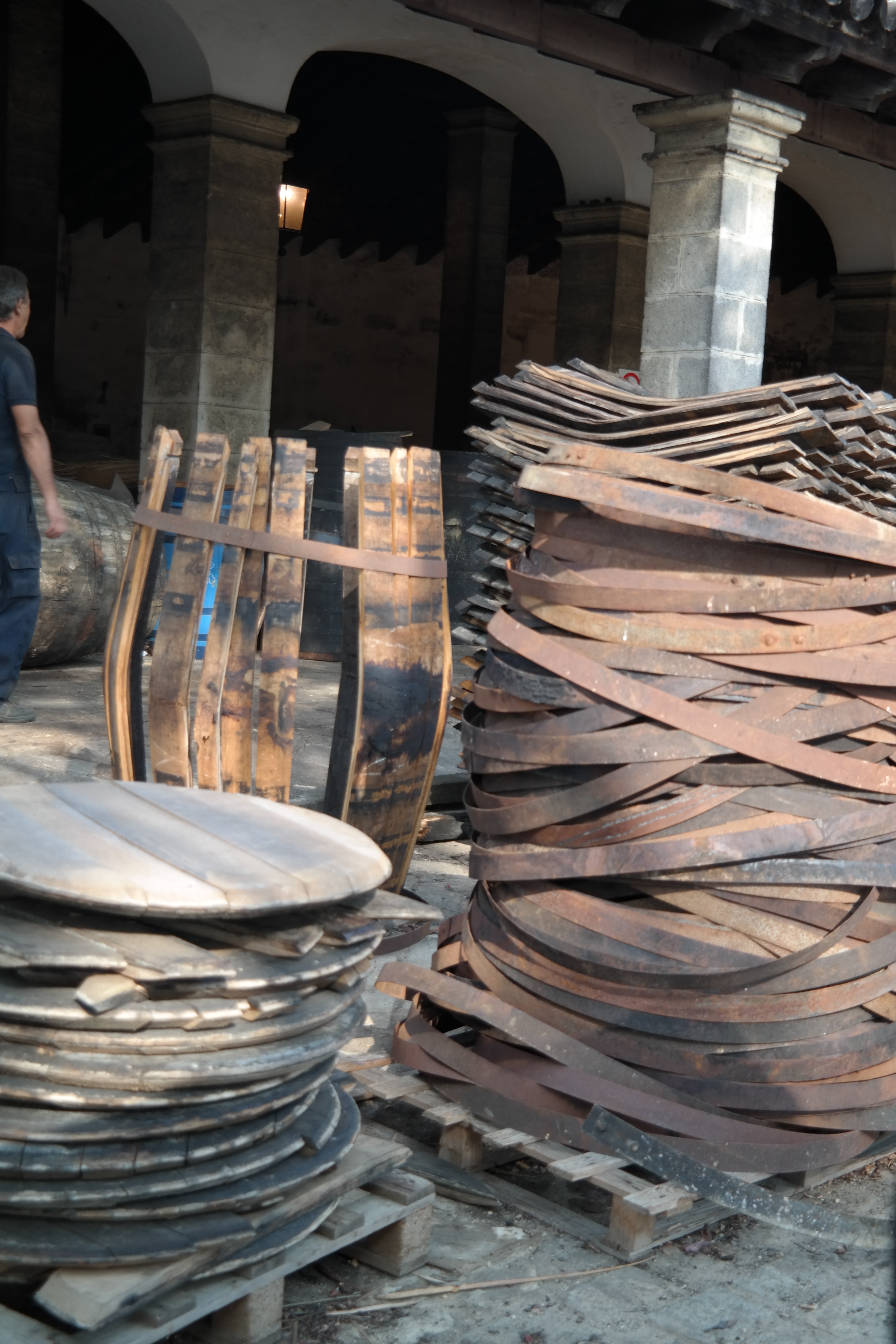
And the last thing I want to share is that Gonzales Byass’ barrels find a very good cause after being used for making sherry, as the factory first repairs them and afterwards get send (sold) to whiskey makers in Scotland like Dalmore.

SAMSUNG CSC

SAMSUNG CSC

SAMSUNG CSC

One thing is sure that I’ll be having a dinner with friends where I’ll be pairing sherry with my dishes instead of regular wine hoping they’ll become as enthusiastic as me (OK, maybe not 100% like me, but close enough 😉 )  As to my opinion sherry is a wine that doesn’t get the attention it deserves!!
Good that I said I’d keep it short 😉

I would like to thank William for telling me I had to go, Peter for helping me to get in and Oscar and Lola for teaching me and introducing me to the wonderful world of sherry!! Thank you all, both me and my fiancée learned a lot and became a big fan of sherry!!

BTW in case you Belgian readers would want to know more or even taste the TIo pepe (or other Gonzales Byass products check the following link 

Cheers!